All categories
Featured selections
Trade Assurance
Buyer Central
Help Center
Get the app
Become a supplier
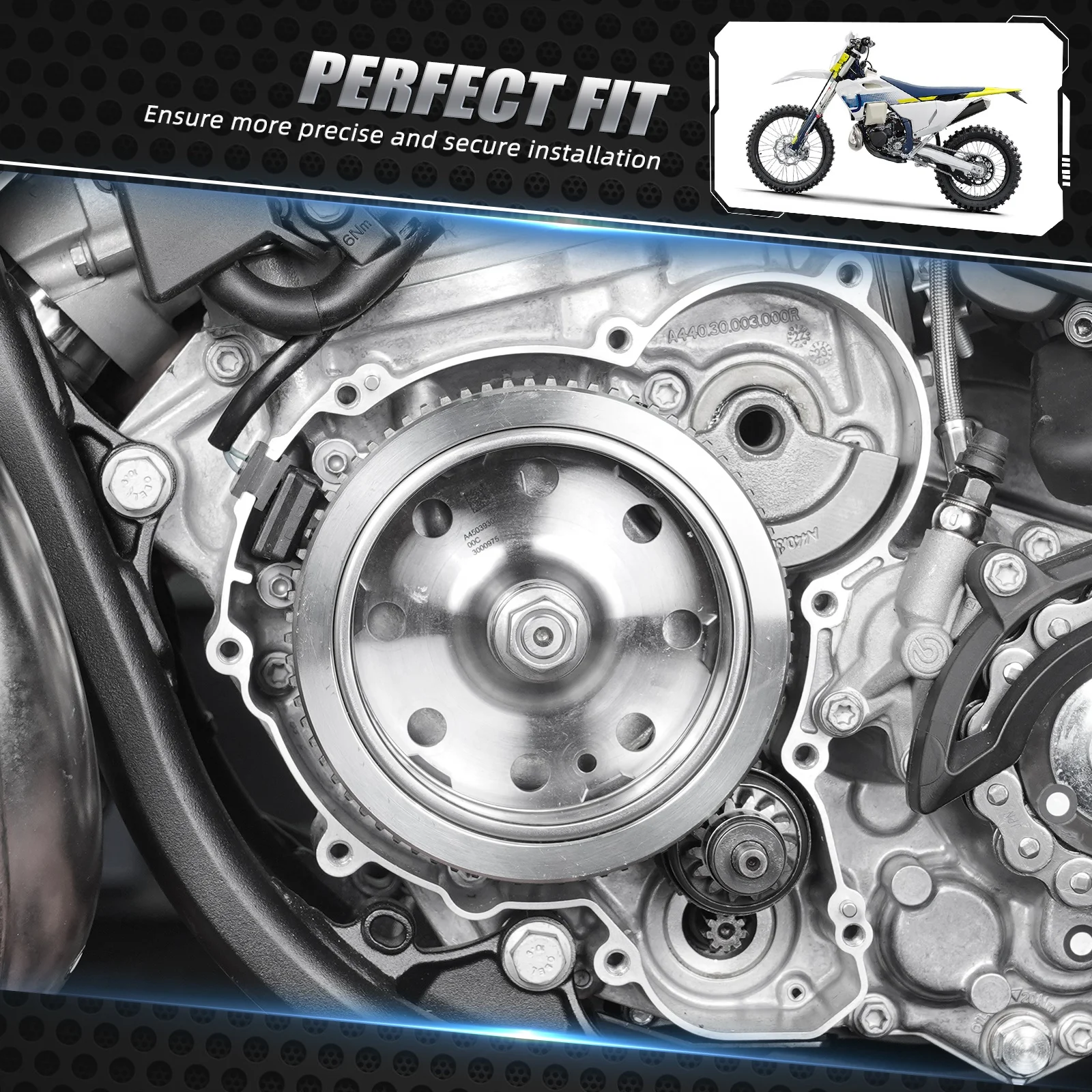
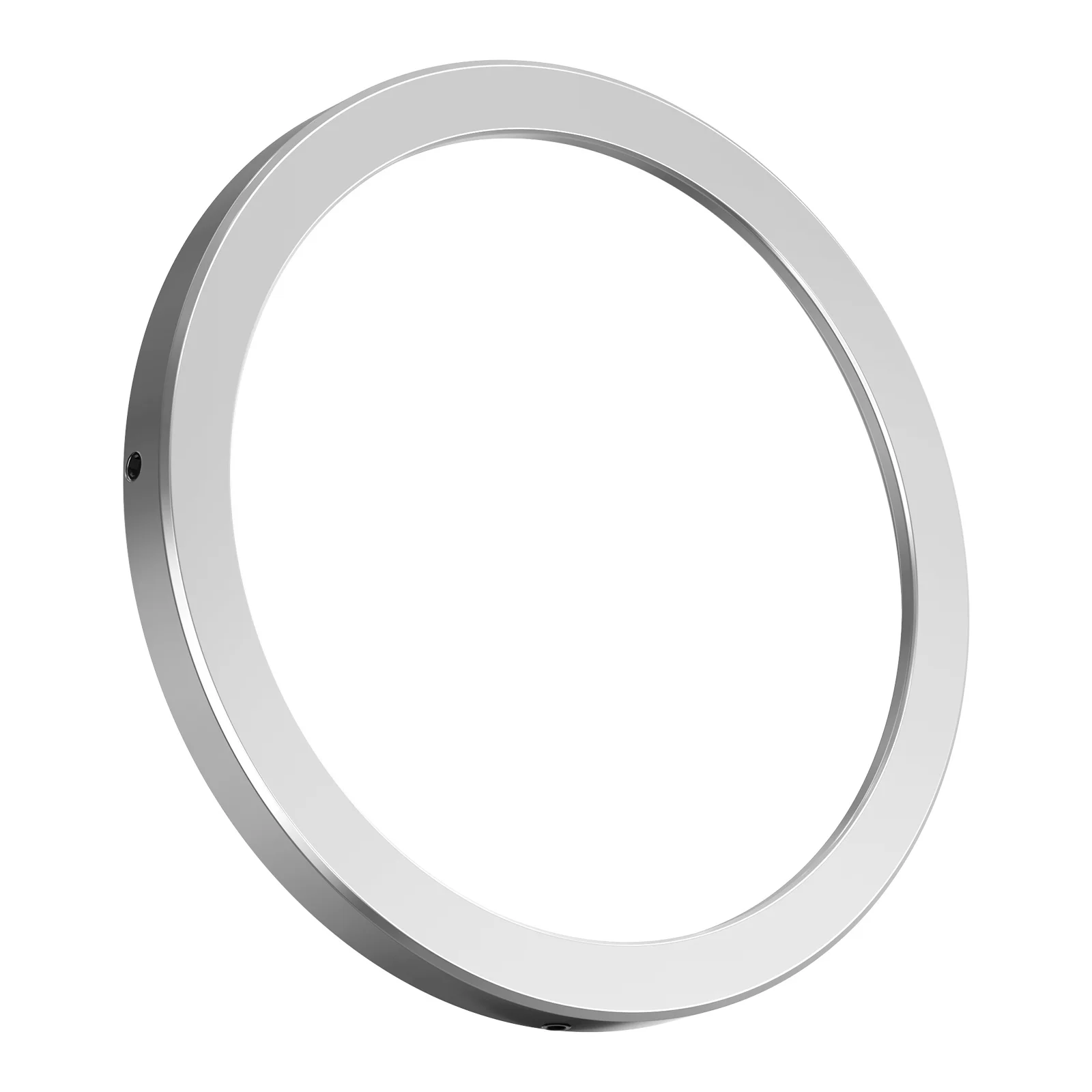
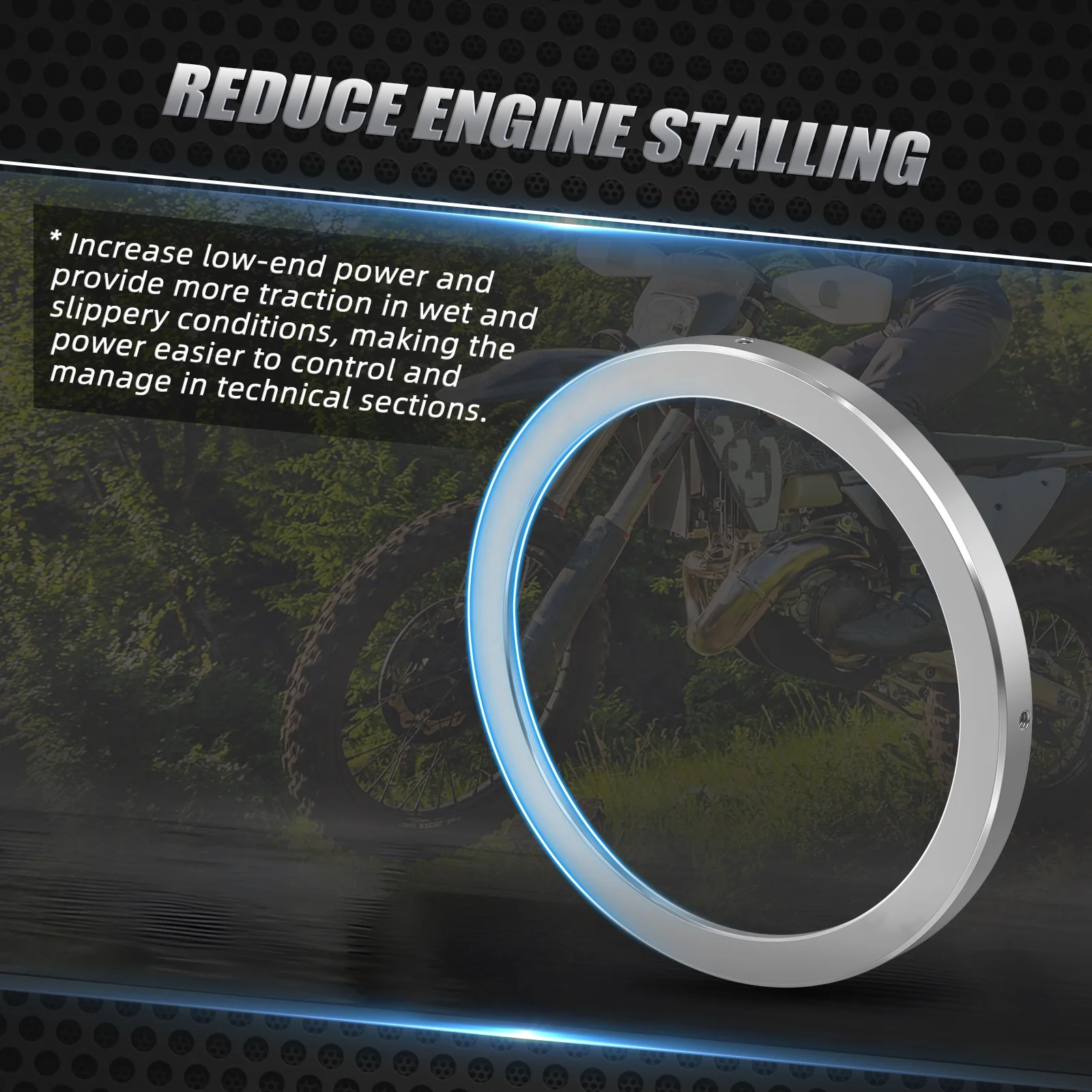
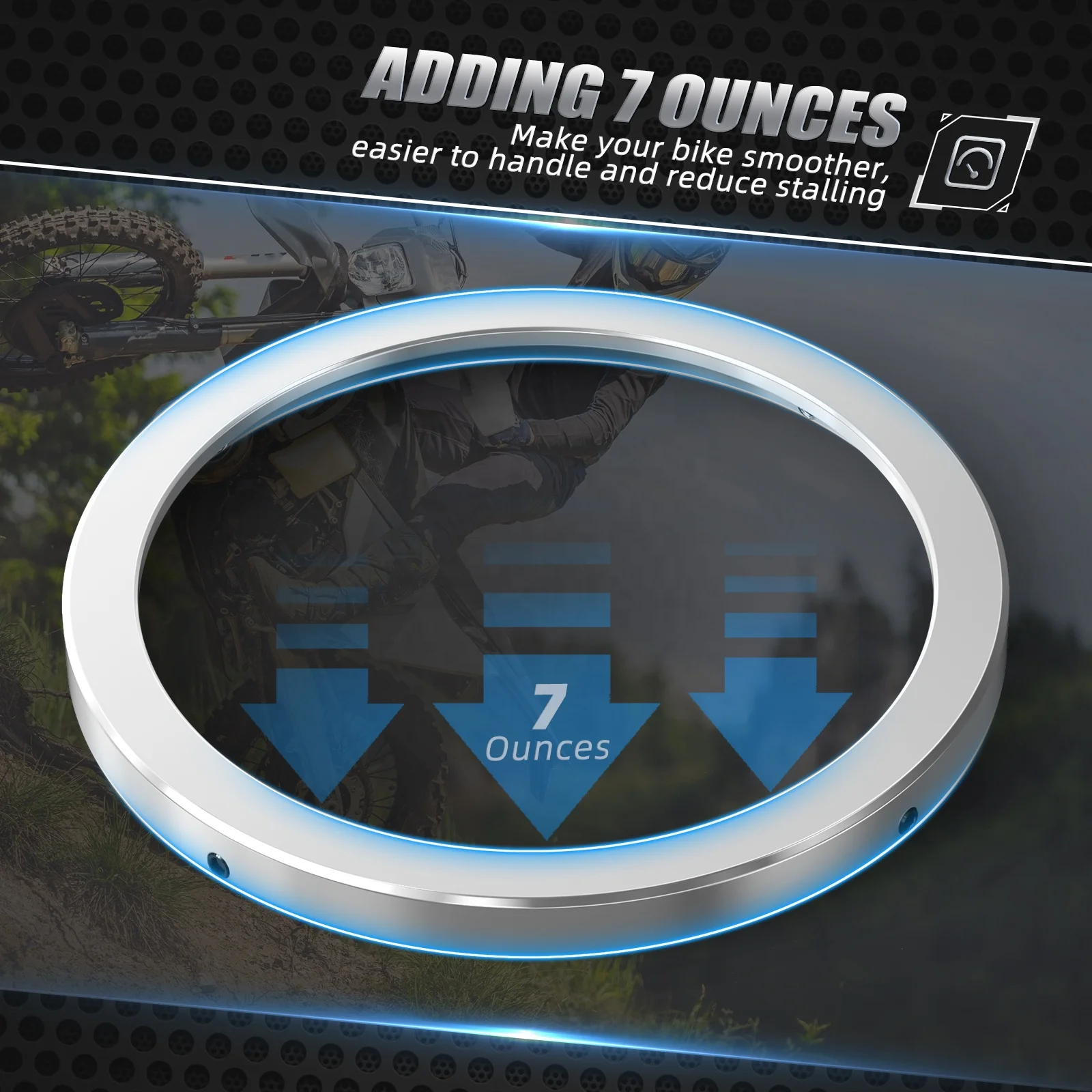
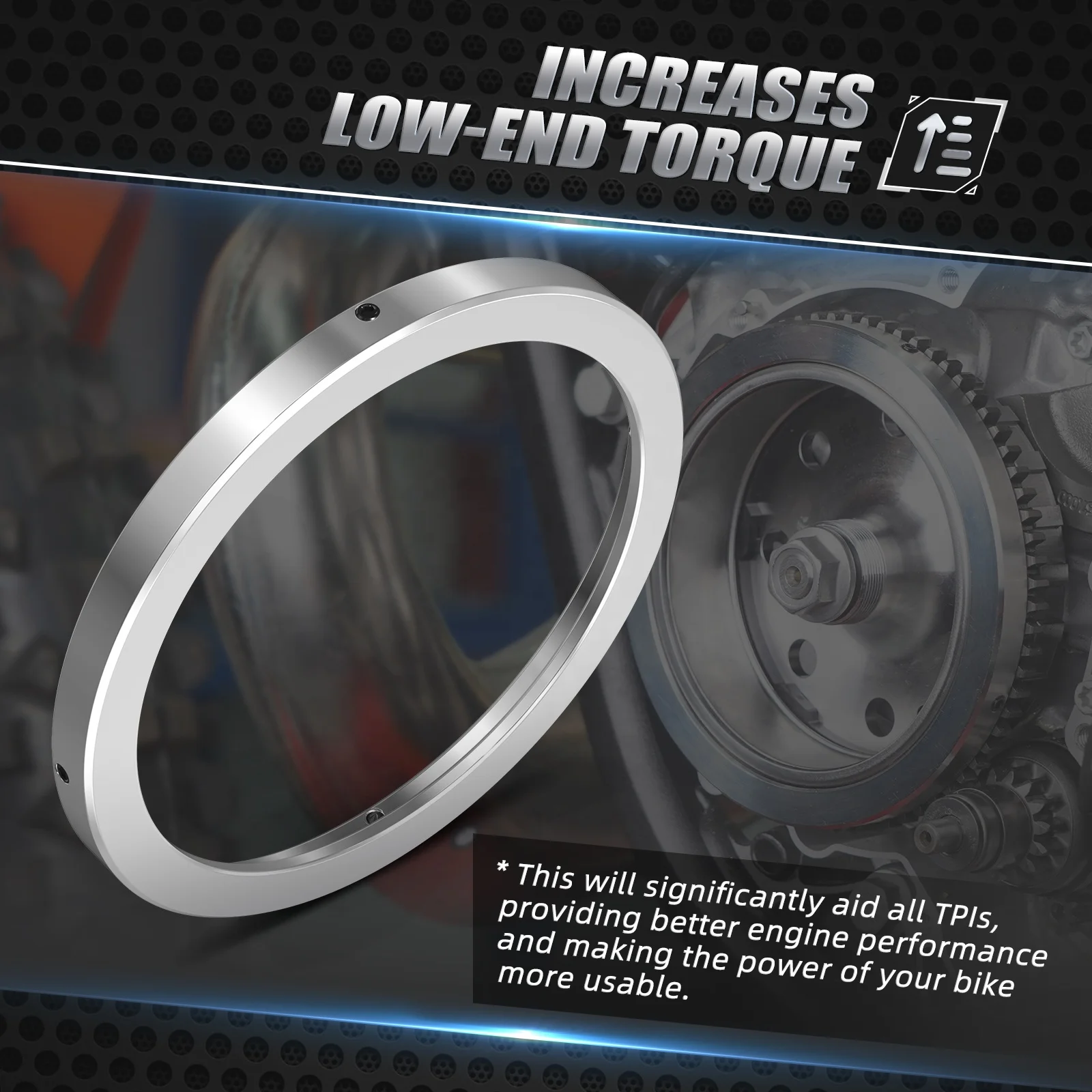
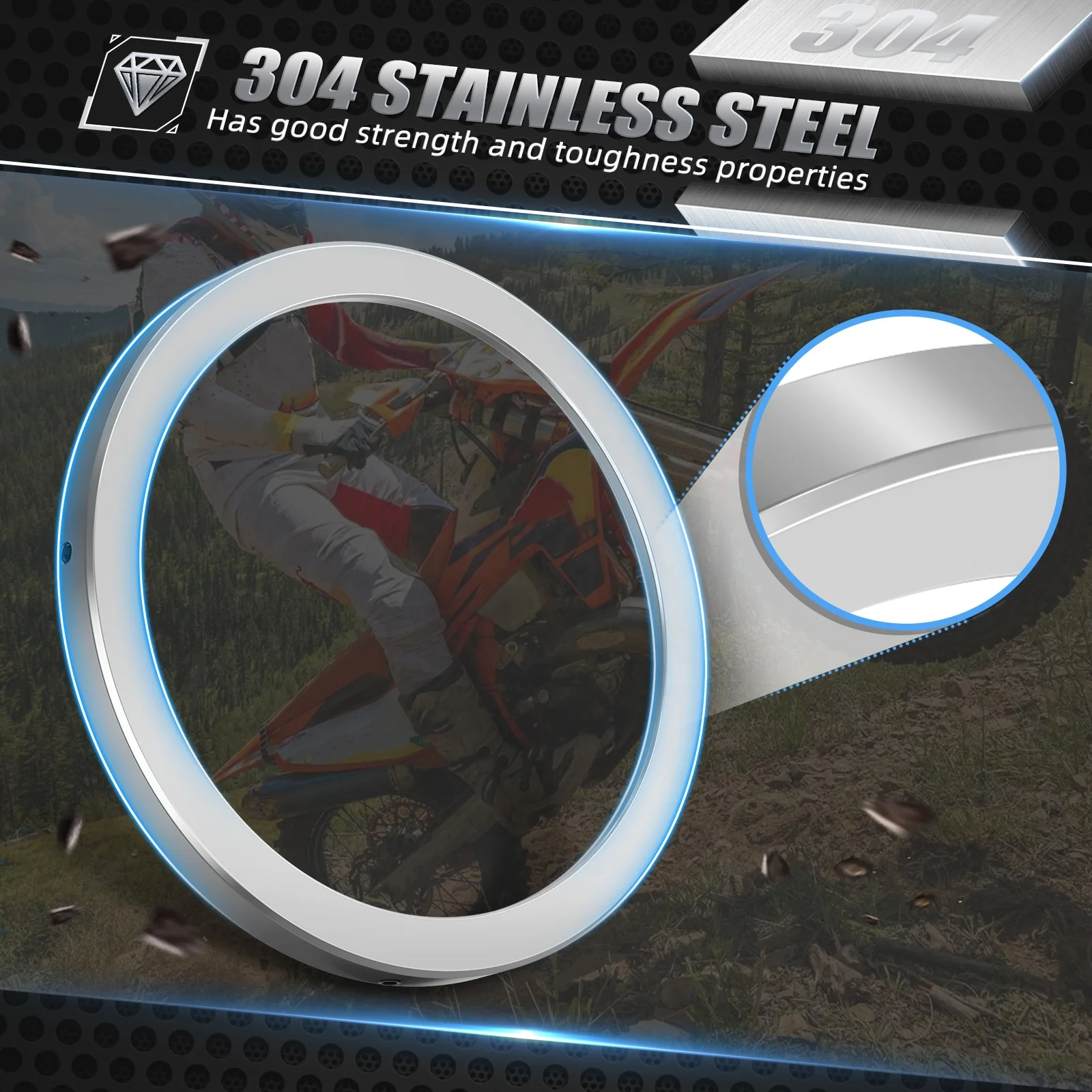
The NiceCNC 7 oz Engine Flywheel Weight is a precision-engineered component designed for Gas Gas EC250/EC300 motorcycles. Crafted from high-strength stainless steel or steel, this flywheel weight ensures optimal engine balance and durability. Its sleek, circular design with a polished finish and reinforced structural lip enhances both performance and aesthetics.
| Feature | Specification | Benefit |
|---|---|---|
| Material | Stainless steel/steel | Corrosion resistance and long-term durability |
| Weight | 7 oz | Precise mass for engine balancing |
| Compatibility | Gas Gas EC250/EC300 (2024 model) | Direct OEM fitment for seamless installation |
| Finish | Polished metallic surface | Scratch-resistant and low-maintenance |
| Structural Integrity | Reinforced edge lip design | Enhanced load distribution and rigidity |
Adjustable weight capacity to meet specific engine balancing needs. Customizable material thickness for enhanced load-bearing requirements.
Elevate your motorcycle’s performance with this sleek, high-performance flywheel weight. Its modern design and robust construction make it ideal for both competitive racing and everyday riding, ensuring reliability under demanding conditions.
| Parameter | Base Model | Advanced Model | Pro Model |
|---|---|---|---|
| Material Grade | Stainless steel | Aerospace-grade steel | Titanium-reinforced steel* |
| Weight Tolerance | ±2% | ±1% | ±0.5% |
| Structural Rigidity | Standard rating | +15% rigidity | +30% rigidity* |
Technical Breakthroughs:
Optimal Version Selection:
With aerospace-grade steel, you can achieve 20% lighter weight than traditional models while maintaining structural integrity. Pair the Pro Model’s rigidity with its corrosion-resistant finish to ensure longevity in harsh environments.

The Product Description is generated by third-party, and Alibaba.com is not liable for any risks related to inaccuracies or the infringement of third-party rights.
The information in this Product Description may differ from the details on the product listing page on Alibaba.com. Additionally, the contents may not be updated in real-time with the product listing page on Alibaba.com, and there may be delays in reflecting the most updated information. The description on product listing page takes precedence. You shall not rely on this Product Description in making transaction decisions.
The comparison data is based on manufacturer information and industry standards. Actual results may vary depending on individual use cases. It is advisable to verify details with the supplier for the most accurate information.