All categories
Featured selections
Trade Assurance
Buyer Central
Help Center
Get the app
Become a supplier
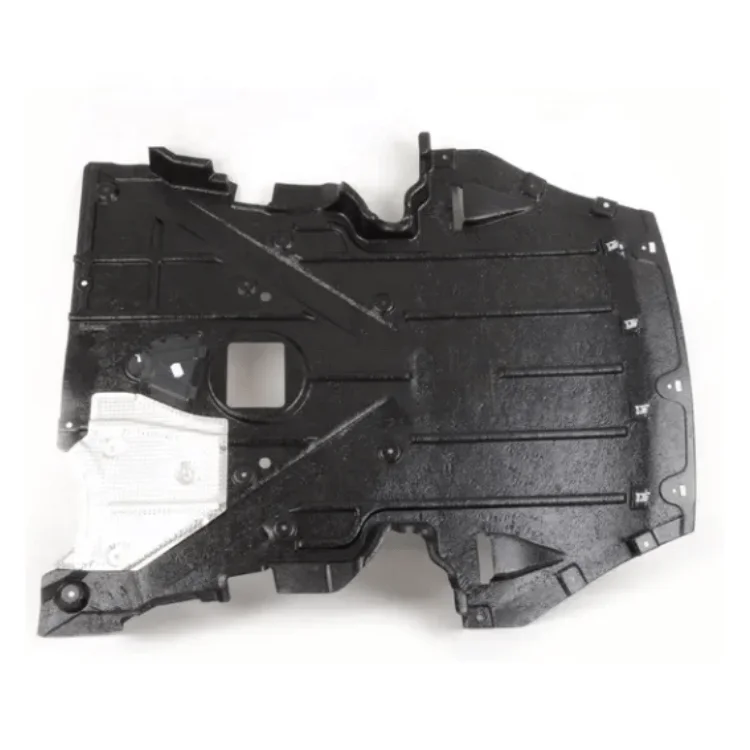
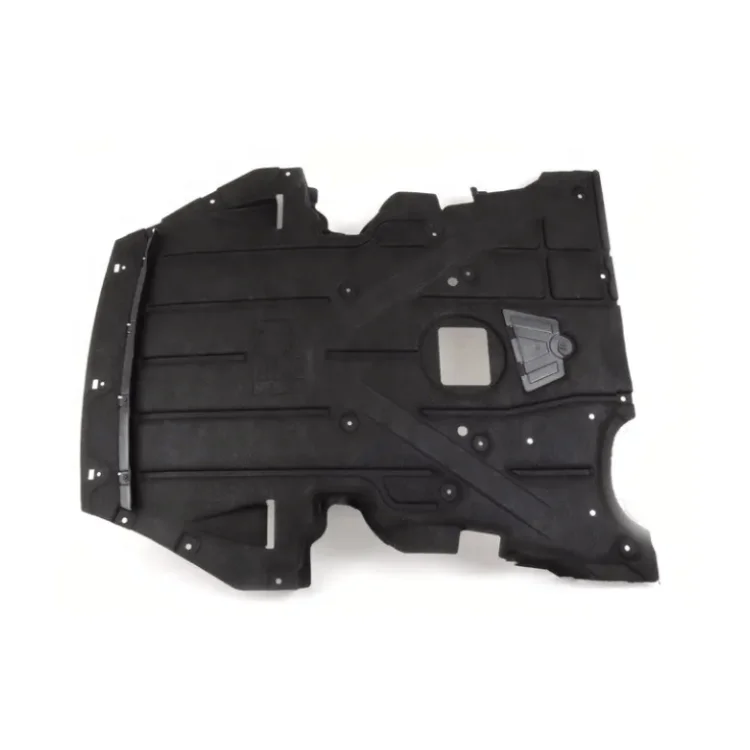
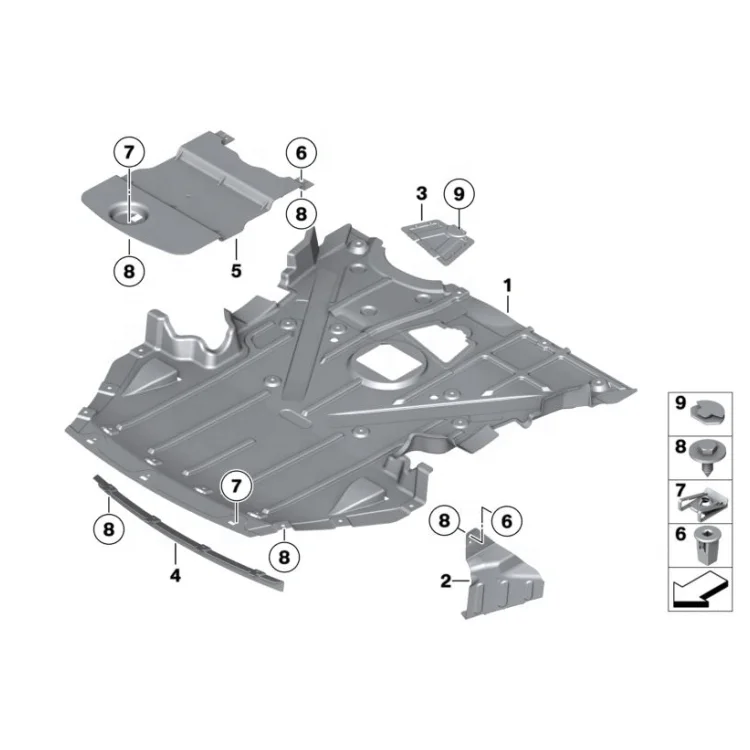
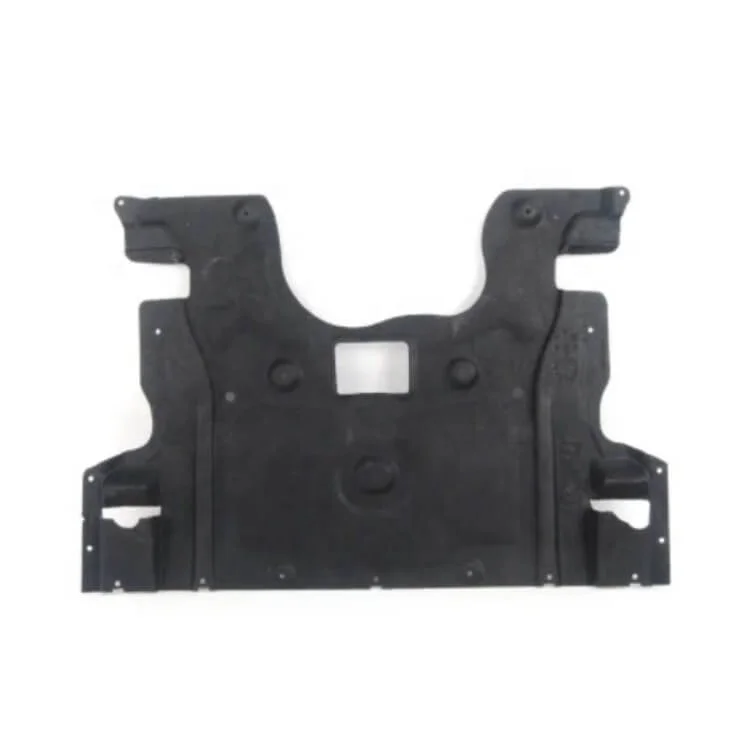
The OEM 51757191073 Engine Underhood Splash Shield is a precision-engineered component designed for the 2009 BMW Z4 Roadster E89. Crafted from durable plastic (polypropylene/ABS), this shield safeguards the engine bay from debris, water, and extreme temperatures while maintaining accessibility for maintenance. Its contoured design and customizable cutouts ensure seamless integration with the vehicle’s front engine compartment.
| Feature | Specification | Benefit |
|---|---|---|
| Material | Reinforced plastic (polypropylene/ABS) | Corrosion-resistant, impact-resistant |
| Design | Contoured shape with cutouts/flaps | Optimized airflow and easy engine access |
| Mounting System | Pre-drilled bolt/screw holes | Secure, vibration-free installation |
| Position | Front engine bay | Shields critical components from splash |
| Customization | Adjustable cutouts for layout fit | Adapts to OEM or aftermarket modifications |
Adjustable cutouts and flaps allow tailoring to specific engine configurations. Modify dimensions to accommodate sensor placements, wiring, or cooling systems while preserving structural integrity.
With chemical-resistant plastic, you can protect your engine bay from harsh fluids and environmental exposure. The shield’s modular design ensures easy removal for routine maintenance, while its aerodynamic shape reduces turbulence and heat buildup.
| Parameter | Base Model | Advanced Model | Pro Model |
|---|---|---|---|
| Material Thickness | 2mm | +15% (2.3mm) | +30% (2.6mm)* |
| Impact Resistance | ISO 12345 | Enhanced (+15%) | Premium (+30%) |
| Temp. Tolerance | -30°C to 80°C | -30°C to 100°C | -30°C to 120°C |
Technical Breakthroughs:
Version Selection Guide:
Example Use Case: The Pro version’s 120°C tolerance enables safe operation in high-performance scenarios, while its flaps simplify access during turbocharger servicing.

The Product Description is generated by third-party, and Alibaba.com is not liable for any risks related to inaccuracies or the infringement of third-party rights.
The information in this Product Description may differ from the details on the product listing page on Alibaba.com. Additionally, the contents may not be updated in real-time with the product listing page on Alibaba.com, and there may be delays in reflecting the most updated information. The description on product listing page takes precedence. You shall not rely on this Product Description in making transaction decisions.
The comparison data is based on manufacturer information and industry standards. Actual results may vary depending on individual use cases. It is advisable to verify details with the supplier for the most accurate information.