All categories
Featured selections
Trade Assurance
Buyer Central
Help Center
Get the app
Become a supplier
Customization:
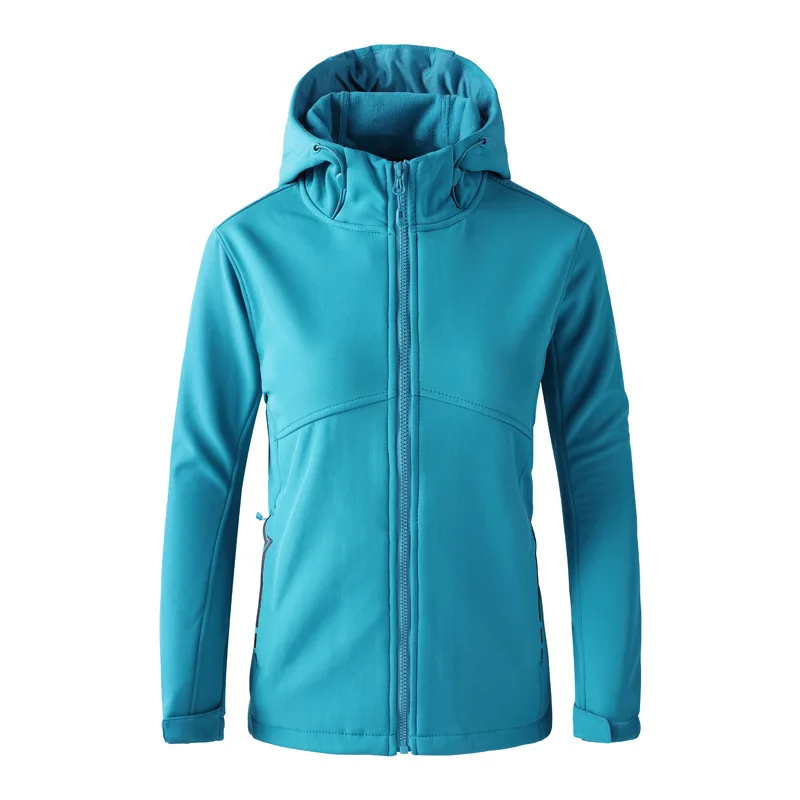
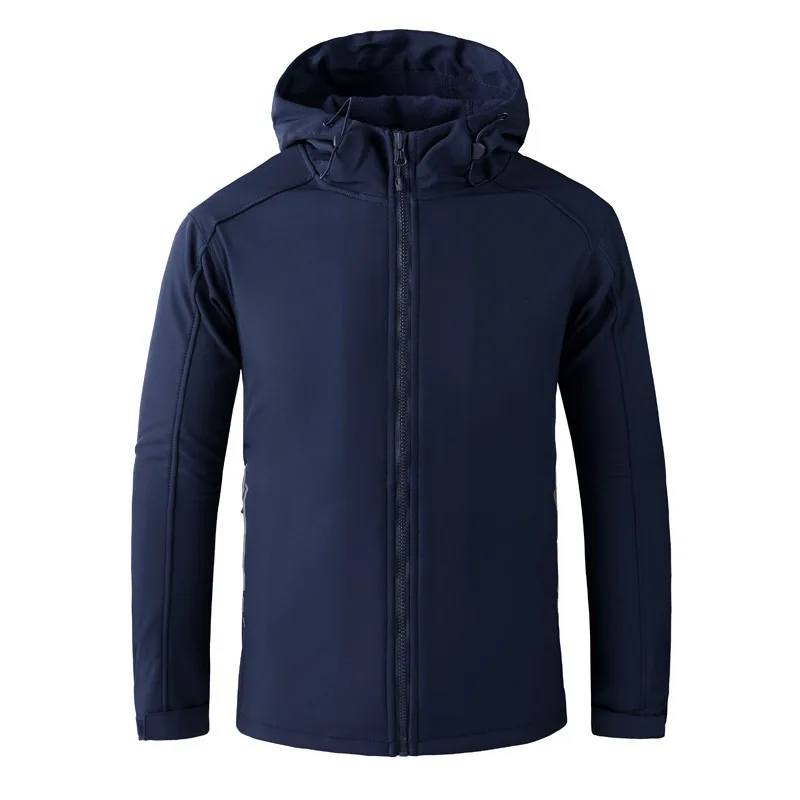
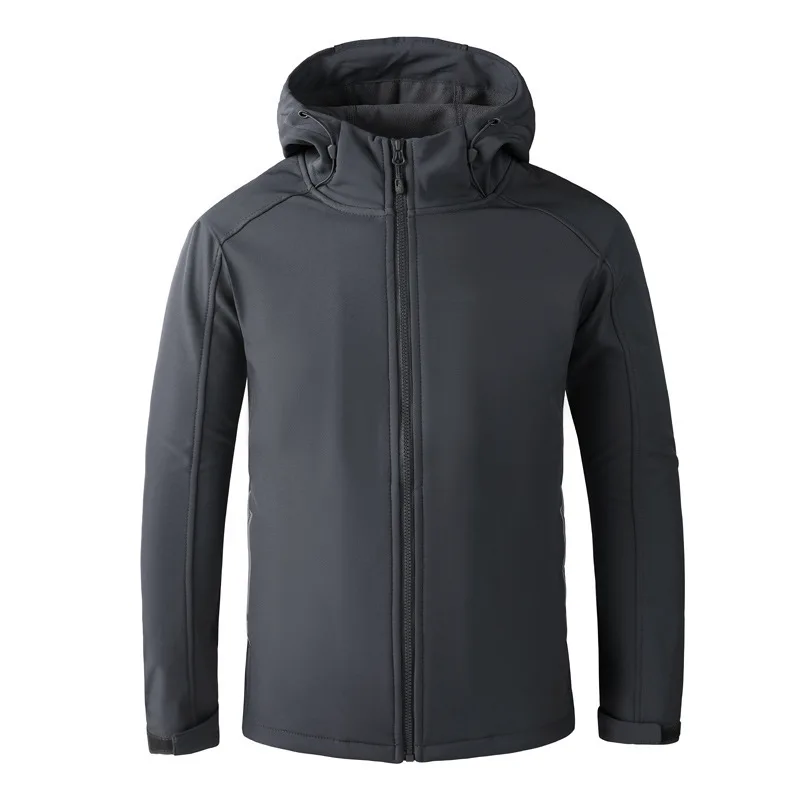
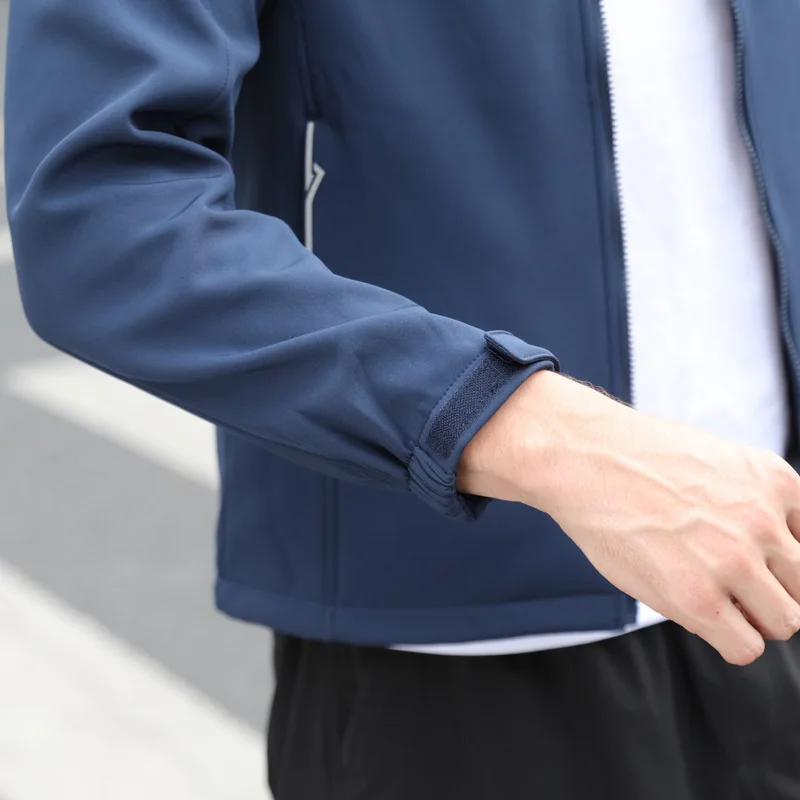
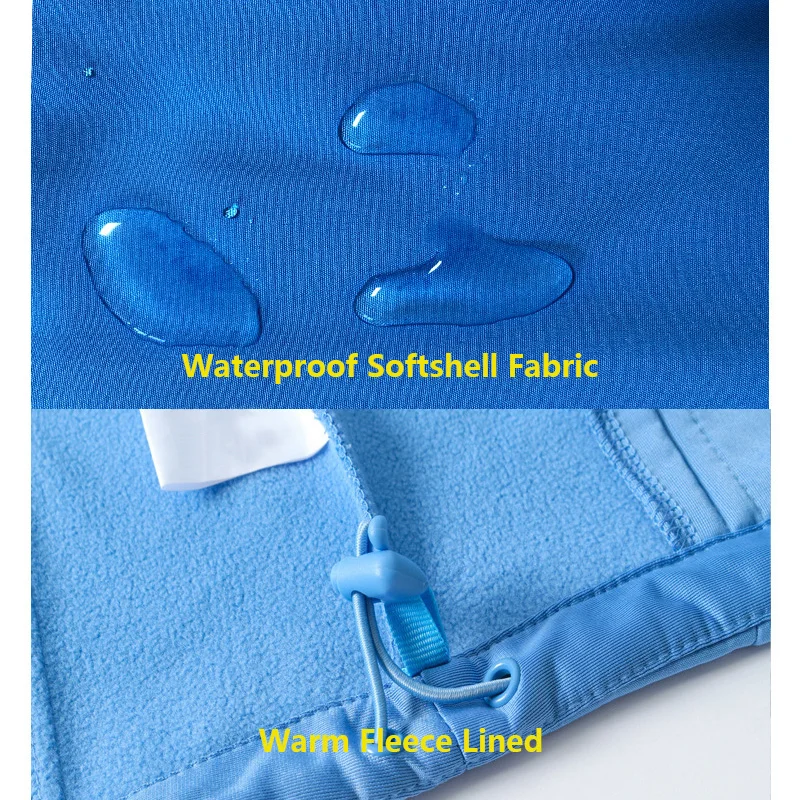
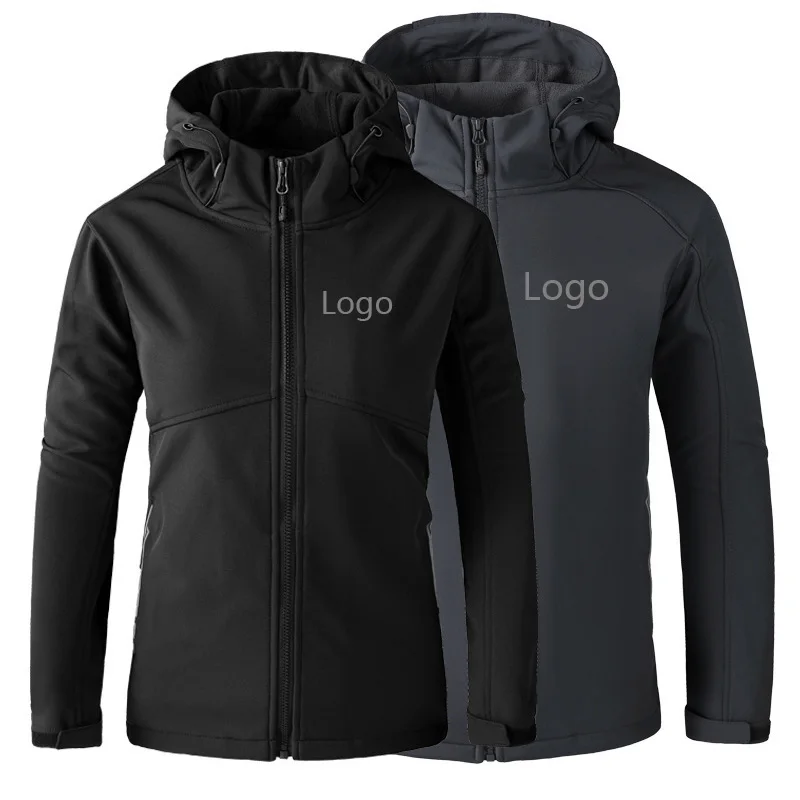
The OEM Custom Logo Lining Lightweight Windbreaker Uniform is a versatile men's outdoor jacket designed for durability, comfort, and customization. Crafted from softshell and fleece materials, it combines waterproofing, wind resistance, and breathability to excel in dynamic weather conditions. Ideal for outdoor activities, workwear, or casual use, its eco-friendly construction and reversible design offer practicality without compromising style.
| Feature | Specification | Application Scenario |
|---|---|---|
| Waterproof Rating | 5,000mm (resists moderate rain) | Hiking, camping, or urban commutes in light rain |
| Breathability | 15,000g/m²/24h (moisture-wicking membrane) | High-intensity activities like trail running |
| Wind Resistance | 20m/s (blocks strong gusts) | Mountain biking or winter sports |
| Quick-Dry Fabric | Polyester-spandex blend (dries 30% faster than cotton) | Sweaty workouts or humid environments |
| Insulation | Fleece-lined interior (maintains warmth in -10°C to 15°C) | Cold-weather commuting or outdoor adventures |
| Eco-Friendly | Recycled polyester (meets Oeko-Tex Standard 100) | Sustainable corporate or team uniforms |
| Reversible Design | Dual solid color options (black/dark gray) | Versatile styling for different occasions |
Adjustable parameters include:
With its sleek, reversible design and rugged performance, this jacket bridges style and functionality. Perfect for outdoor enthusiasts seeking weather protection or companies needing eco-conscious workwear, its lightweight build ensures comfort for all-day use.
| Parameter | Base Model | Advanced Model | Pro Model |
|---|---|---|---|
| Waterproof Rating | 5,000mm | 5,750mm (+15%) | 6,500mm (+30%) |
| Breathability | 15,000g/m²/24h | 18,000g/m²/24h | 20,000g/m²/24h |
| Weight | 450g | 420g (-7%) | 380g (-15%) |
| Insulation | Standard fleece | Enhanced thermal lining | Triple-layer tech fleece |
| Durability | 10k flex cycles | 12k flex cycles | 15k flex cycles |
Technical Breakthroughs:
Optimal Version Selection:
With the Pro’s triple-layer tech fleece, you can maintain warmth in sub-zero temperatures while staying agile. Pair it with its 6,500mm waterproofing, and you’re protected in blizzards—perfect for winter expeditions.

The Product Description is generated by third-party, and Alibaba.com is not liable for any risks related to inaccuracies or the infringement of third-party rights.
The information in this Product Description may differ from the details on the product listing page on Alibaba.com. Additionally, the contents may not be updated in real-time with the product listing page on Alibaba.com, and there may be delays in reflecting the most updated information. The description on product listing page takes precedence. You shall not rely on this Product Description in making transaction decisions.
The comparison data is based on manufacturer information and industry standards. Actual results may vary depending on individual use cases. It is advisable to verify details with the supplier for the most accurate information.