All categories
Featured selections
Trade Assurance
Buyer Central
Help Center
Get the app
Become a supplier
Customization:
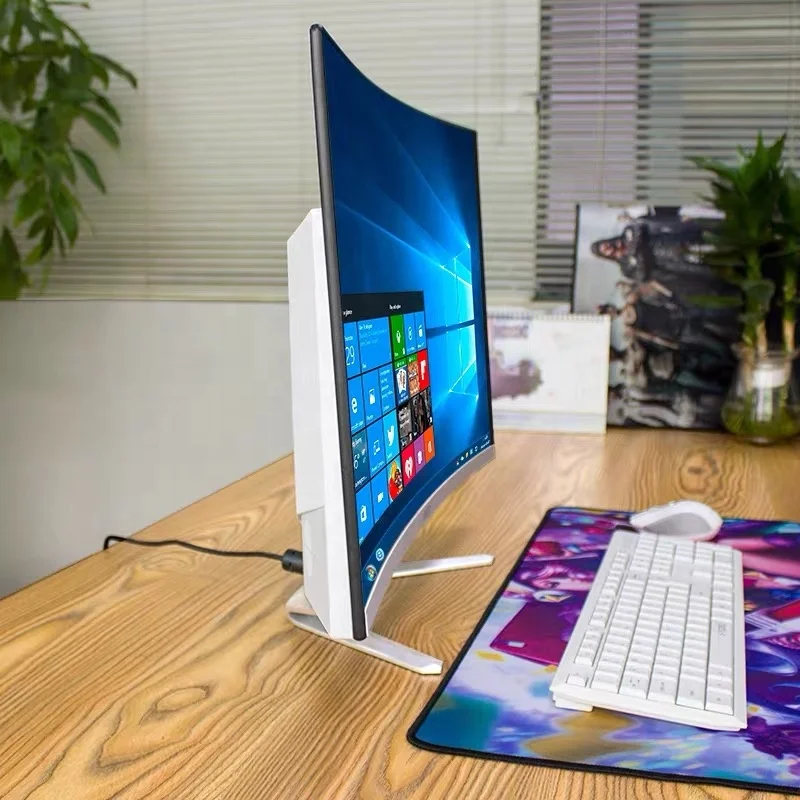
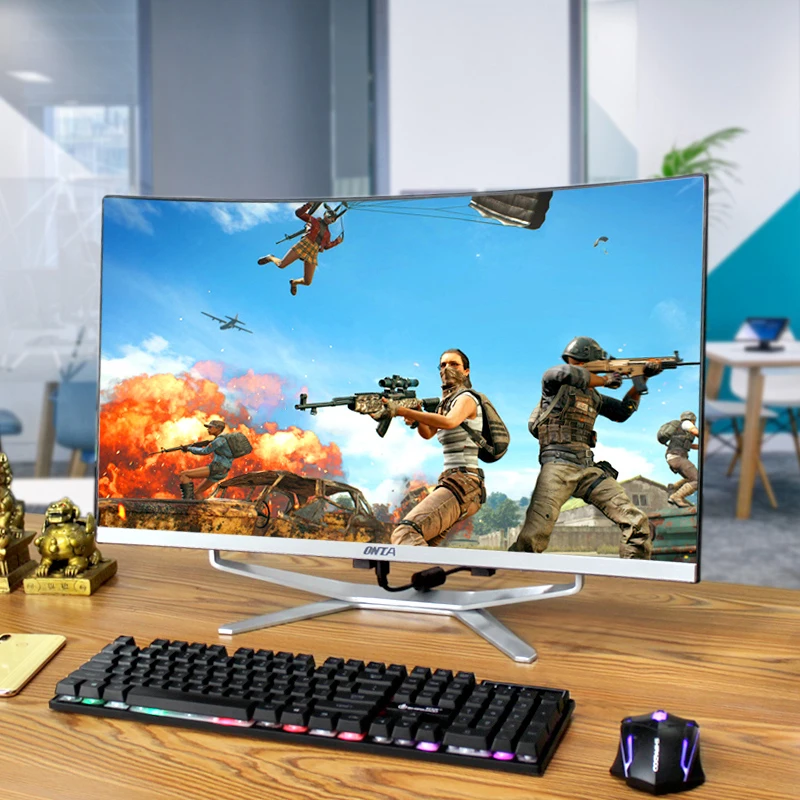
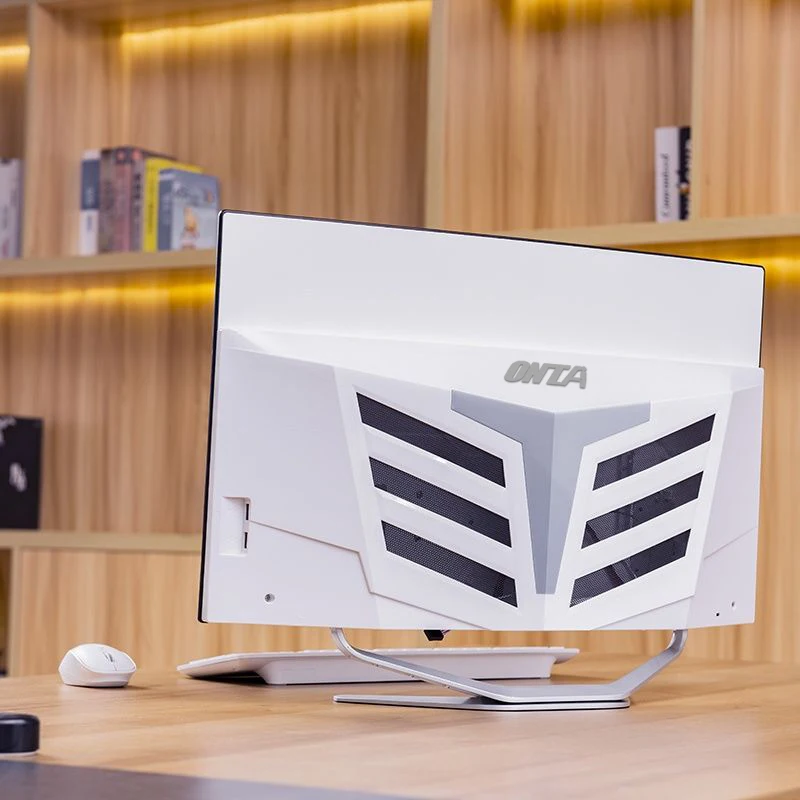
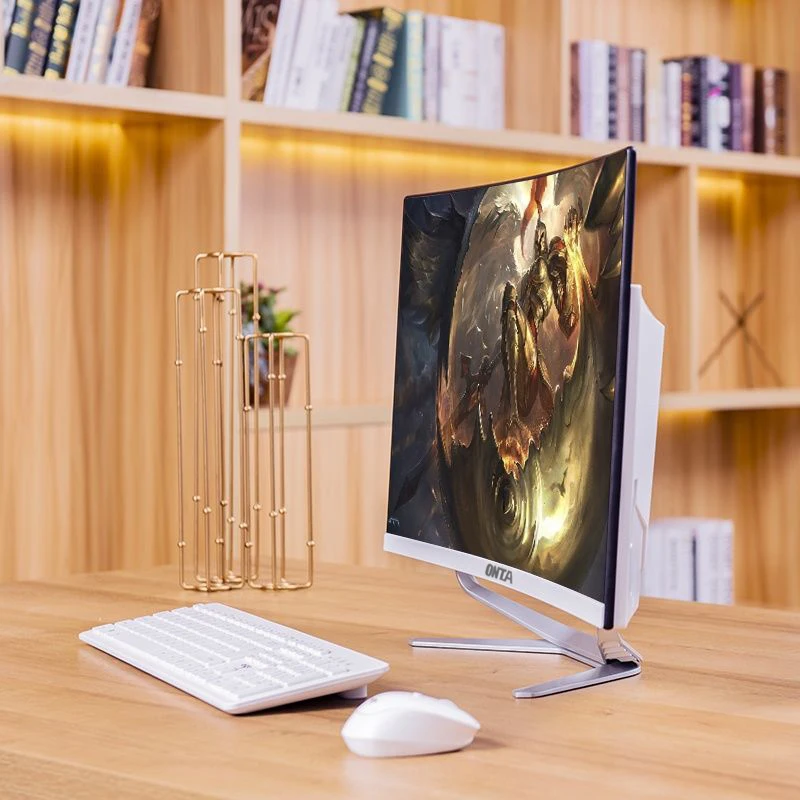
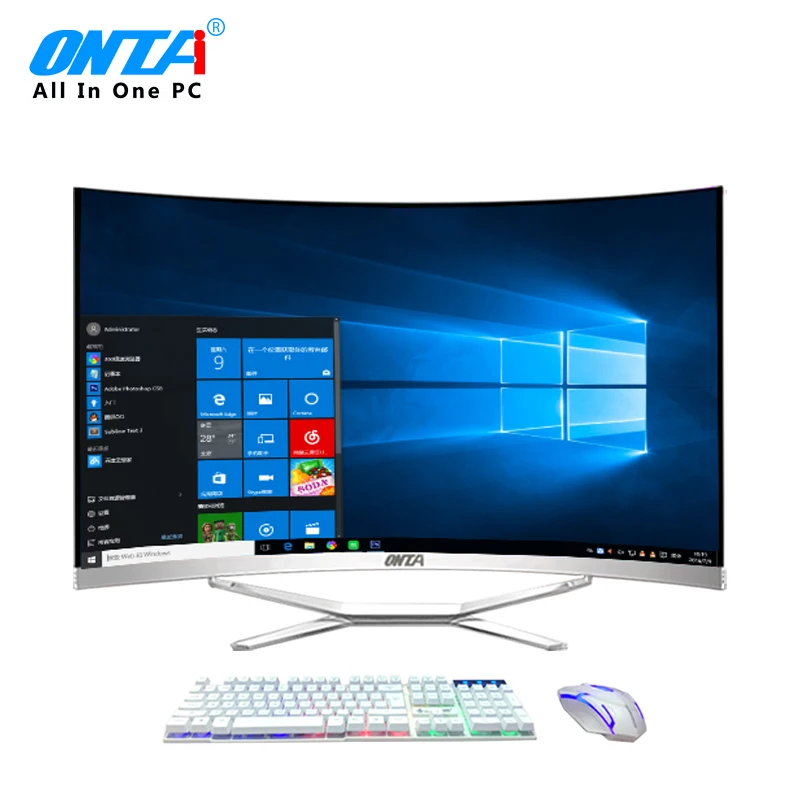
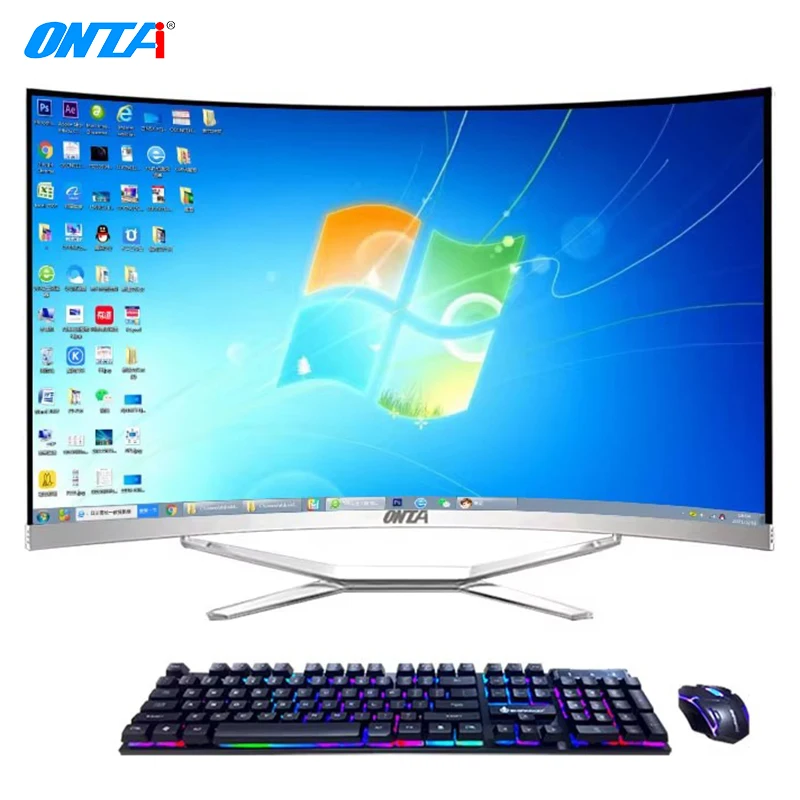
The OEM/custom Curved Screen All-in-One Computer combines modern design with high-performance capabilities, tailored for gaming, business, and multimedia use. With customizable RGB lighting, premium IPS displays, and optional Intel Core i9 processors, this all-in-one PC delivers immersive experiences and efficient multitasking.
| Feature | Specification | Application Scenario |
|---|---|---|
| Curved Display | 23.8"/27"/32" Curved IPS LCD/LED Panel, 1920x1280 Resolution, 6ms Response Time | Gaming, video editing, multitasking workflows |
| RGB Customization | Full-sized mechanical keyboard with programmable RGB lighting | Personalized gaming setups, professional workspaces |
| Processor | Intel Core i3/i5/i7/i9, Hexa Core Options | Business applications, graphic design, heavy multitasking |
| Graphics | Intel HD Graphics (up to 8GB optional VRAM) | Gaming, 3D rendering, video editing |
| Storage | HDD/SSD (128GB–2TB) | Data-heavy tasks, OS optimization |
| Certifications | CE, RoHS | Global compliance for commercial use |
Adjustable parameters include:
Elevate your workspace with a sleek, high-performance all-in-one PC. Whether you’re a gamer seeking immersive visuals or a professional needing reliable multitasking, this setup balances style and power to suit diverse needs.
| Parameter | Base Model | Advanced Model | Pro Model |
|---|---|---|---|
| Processor | Intel Core i3 | Intel Core i5/i7 | Intel Core i9 (Hexa Core) |
| VRAM | 2GB (Integrated) | 4GB (Optional Dedicated) | 8GB (Dedicated) |
| Storage | 128GB SSD + 1TB HDD | 512GB SSD + 2TB HDD | 2TB SSD |
| Display Size | 23.8" | 27" | 32" |
| RGB Customization | Limited presets | Full RGB control | Full RGB + macro support |
Technical Breakthroughs:
Optimal Version Selection:
With the Pro’s 8GB VRAM, you can run graphically intensive software without lag. Pair its hexa-core i9 processor with a 32" curved display for seamless multitasking. The Base Model’s 23.8" screen and i3 processor ensure affordability for entry-level tasks.

The Product Description is generated by third-party, and Alibaba.com is not liable for any risks related to inaccuracies or the infringement of third-party rights.
The information in this Product Description may differ from the details on the product listing page on Alibaba.com. Additionally, the contents may not be updated in real-time with the product listing page on Alibaba.com, and there may be delays in reflecting the most updated information. The description on product listing page takes precedence. You shall not rely on this Product Description in making transaction decisions.
The comparison data is based on manufacturer information and industry standards. Actual results may vary depending on individual use cases. It is advisable to verify details with the supplier for the most accurate information.