All categories
Featured selections
Trade Assurance
Buyer Central
Help Center
Get the app
Become a supplier
Customization:
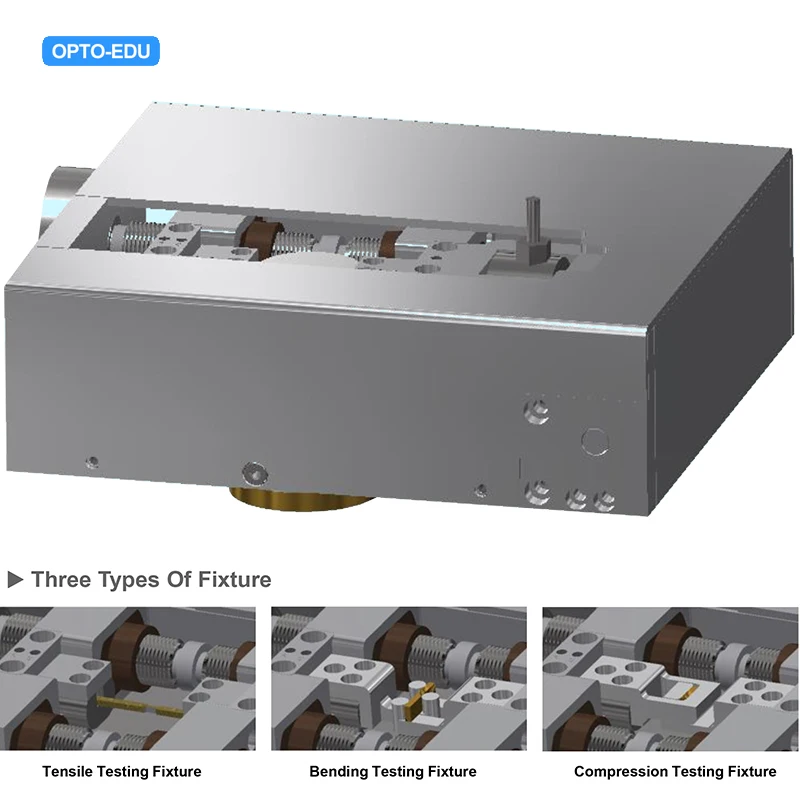
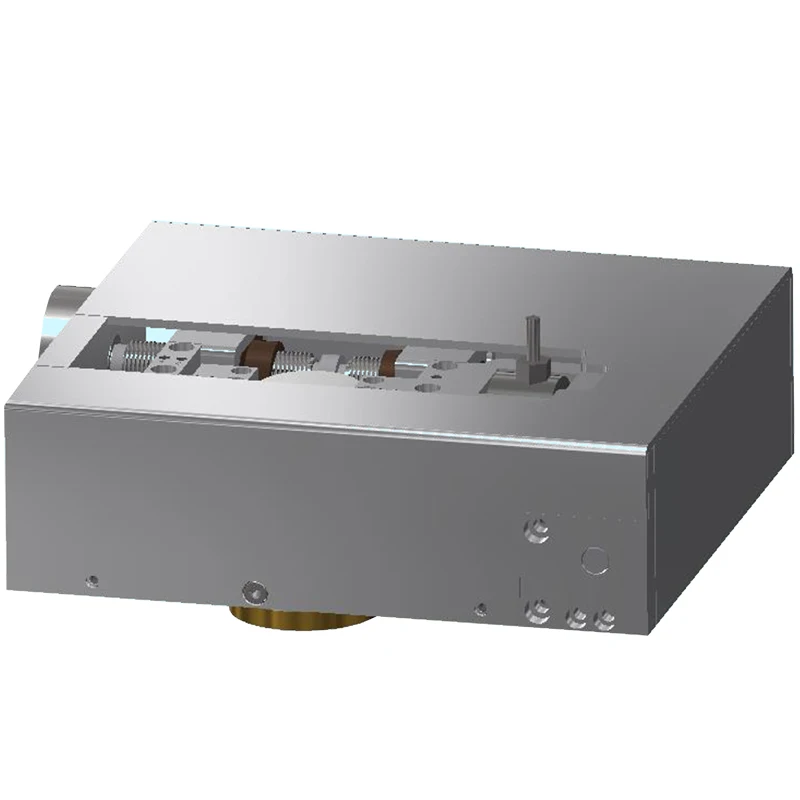
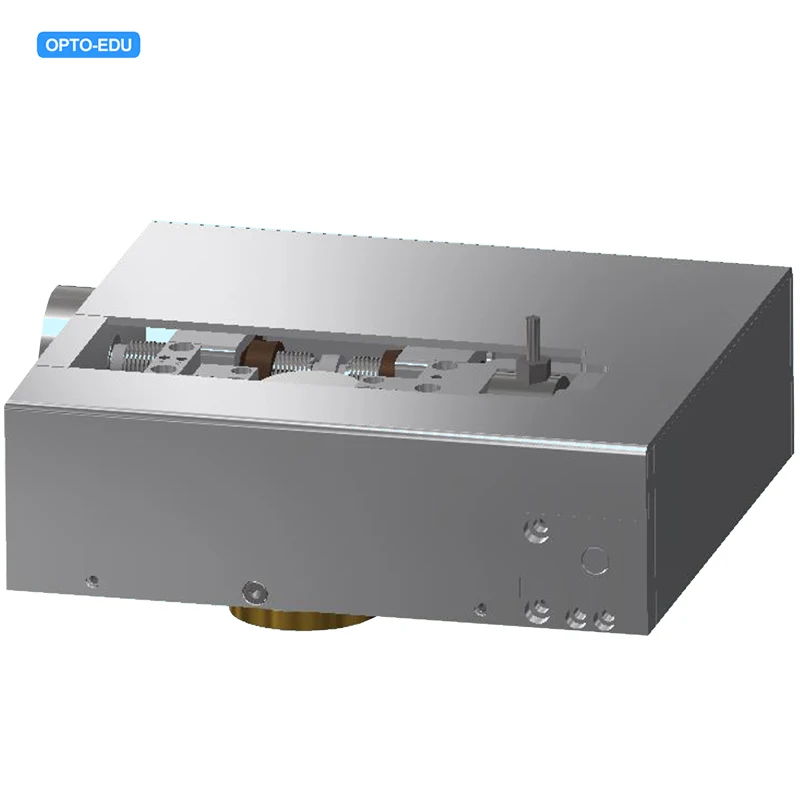
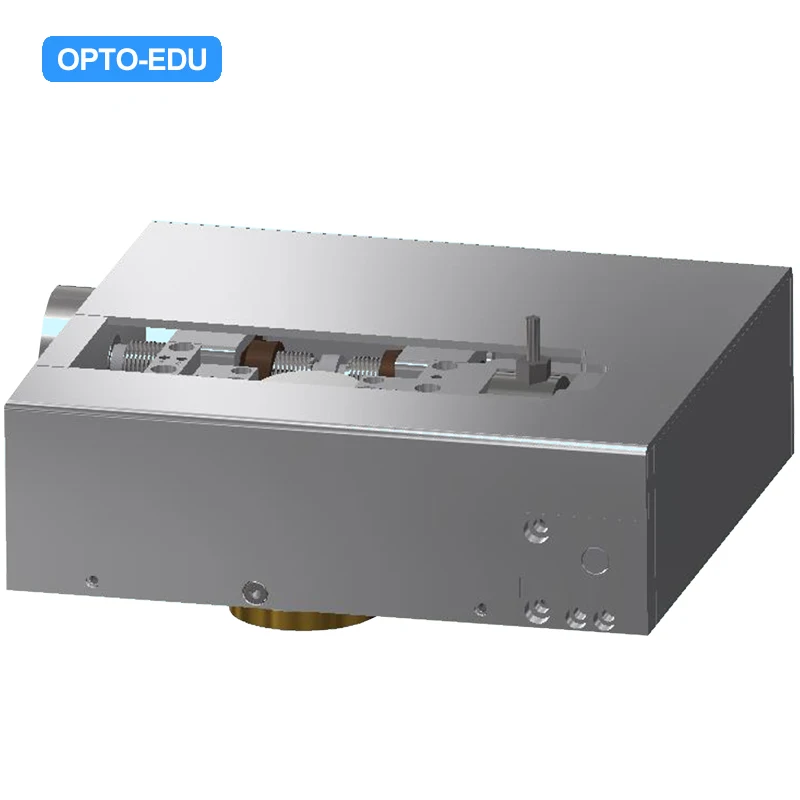
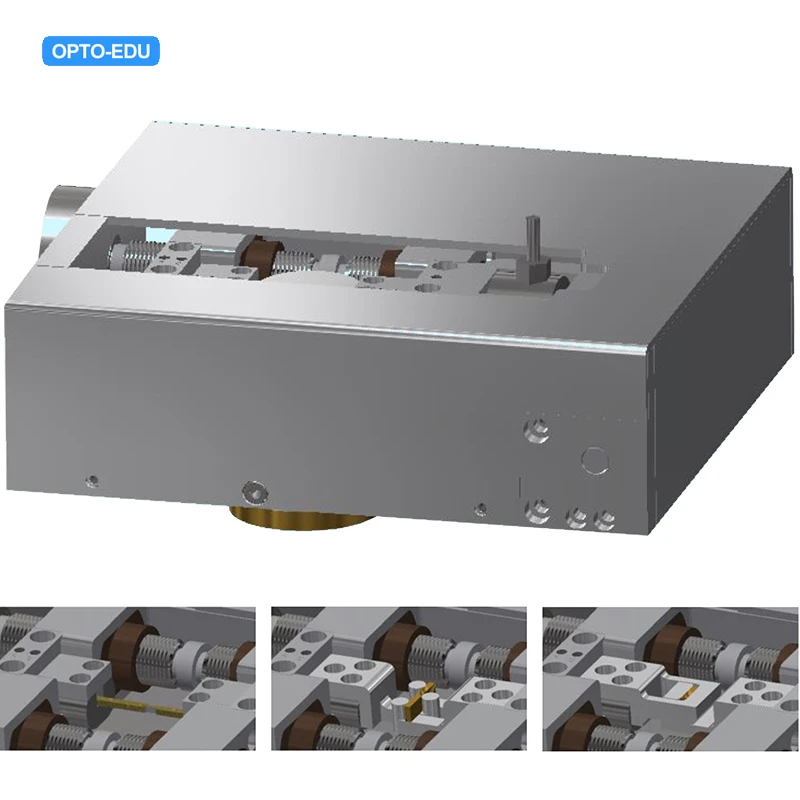
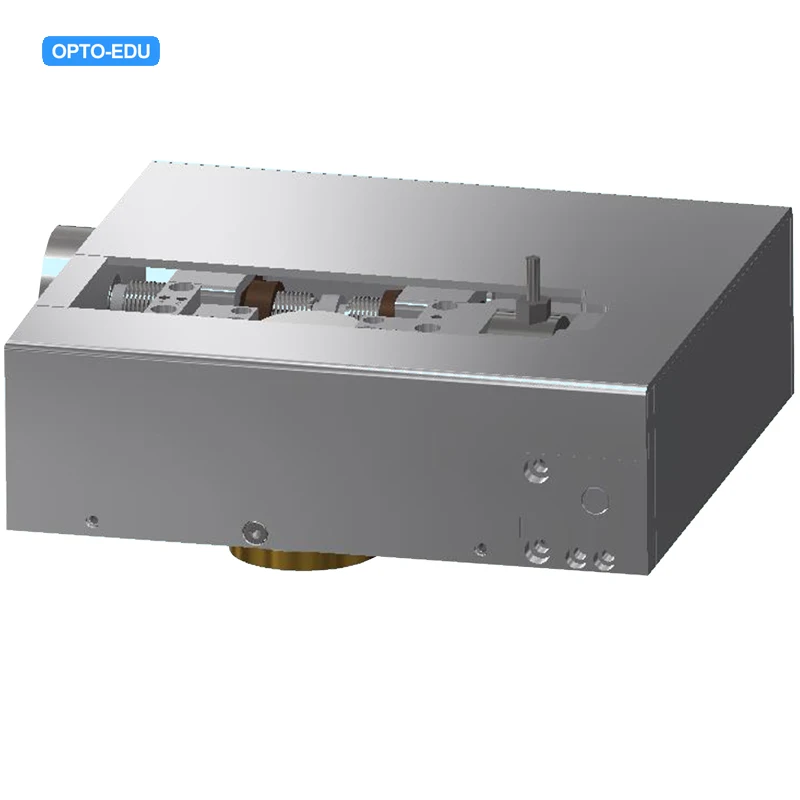
The OPTO-EDU A50.7009 Micro In-situ Heating & Tensile Stage is a precision-engineered component designed for scanning electron microscope (SEM) sample preparation. Crafted from corrosion-resistant metal (stainless steel/aluminum), it combines sleek industrial aesthetics with robust functionality. Its modular design, featuring mounting holes and a central screw, ensures seamless integration into SEM systems for in-situ mechanical testing. CE-certified and compatible with electron microscope setups, this stage enables real-time observation of material behavior under thermal and tensile stress.
| Feature | Specification | Benefit |
|---|---|---|
| Material | Stainless steel/Aluminum alloy | Corrosion resistance and thermal stability |
| Dimensions | 50mm x 70mm x 9mm | Compact yet sturdy platform for microsamples |
| Heating Range | -196°C to 1200°C | Extreme temperature control for diverse tests |
| Max Load Capacity | 500N | Accurate tensile testing for material analysis |
| Precision | ±0.1°C temperature stability | High-resolution SEM imaging compatibility |
| Certification | CE | Compliance with EU safety standards |
Adjustable parameters include heating range (customizable to -200°C to 1500°C) and load capacity (up to 1000N) to meet specialized research needs. Material finishes (e.g., thermal-resistant coatings) can be tailored for high-temperature or corrosive environments.
With the OPTO-EDU A50.7009, researchers can observe material deformation, fracture mechanics, or phase transitions in real time. Ideal for studying aerospace alloys, semiconductor materials, or biomedical implants under controlled stress conditions.
| Parameter | Base Model | Advanced Model | Pro Model |
|---|---|---|---|
| Max Temperature | 1000°C | 1200°C | 1500°C* |
| Load Capacity | 300N | 500N | 1000N |
| Cooling Speed | 10°C/s | 15°C/s | 20°C/s (20% faster) |
| Temperature Drift | ±1.0°C | ±0.5°C | ±0.1°C |
Three Technical Breakthroughs:
Optimal Version Selection:
Example: With the Pro Model’s 1500°C heating capability, you can study the creep behavior of turbine materials under extreme conditions. Its 20°C/s cooling speed reduces experiment downtime by 20% compared to traditional stages.

The Product Description is generated by third-party, and Alibaba.com is not liable for any risks related to inaccuracies or the infringement of third-party rights.
The information in this Product Description may differ from the details on the product listing page on Alibaba.com. Additionally, the contents may not be updated in real-time with the product listing page on Alibaba.com, and there may be delays in reflecting the most updated information. The description on product listing page takes precedence. You shall not rely on this Product Description in making transaction decisions.
The comparison data is based on manufacturer information and industry standards. Actual results may vary depending on individual use cases. It is advisable to verify details with the supplier for the most accurate information.