All categories
Featured selections
Trade Assurance
Buyer Central
Help Center
Get the app
Become a supplier
Customization:
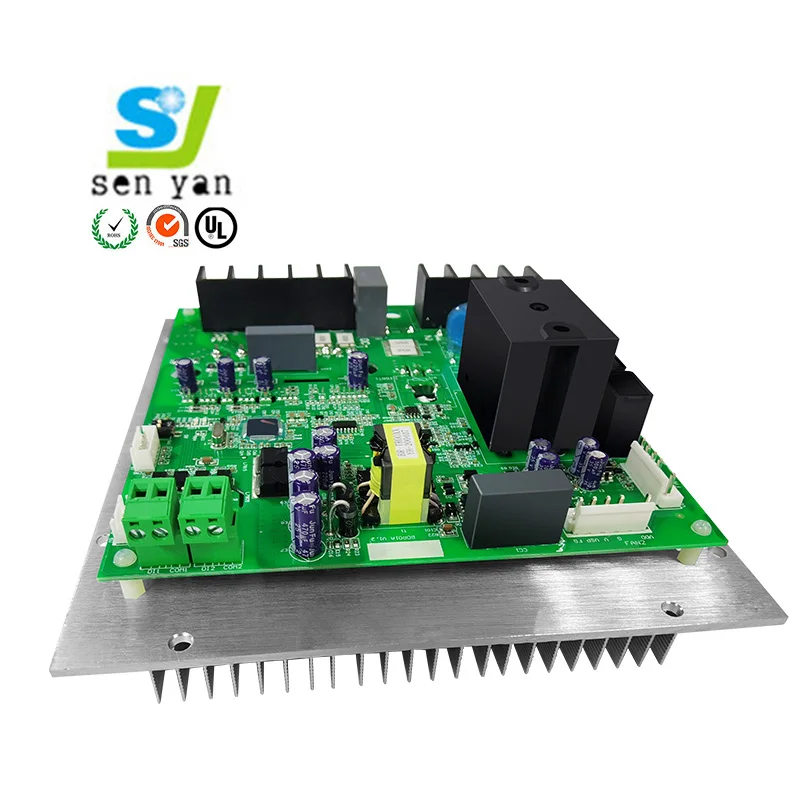
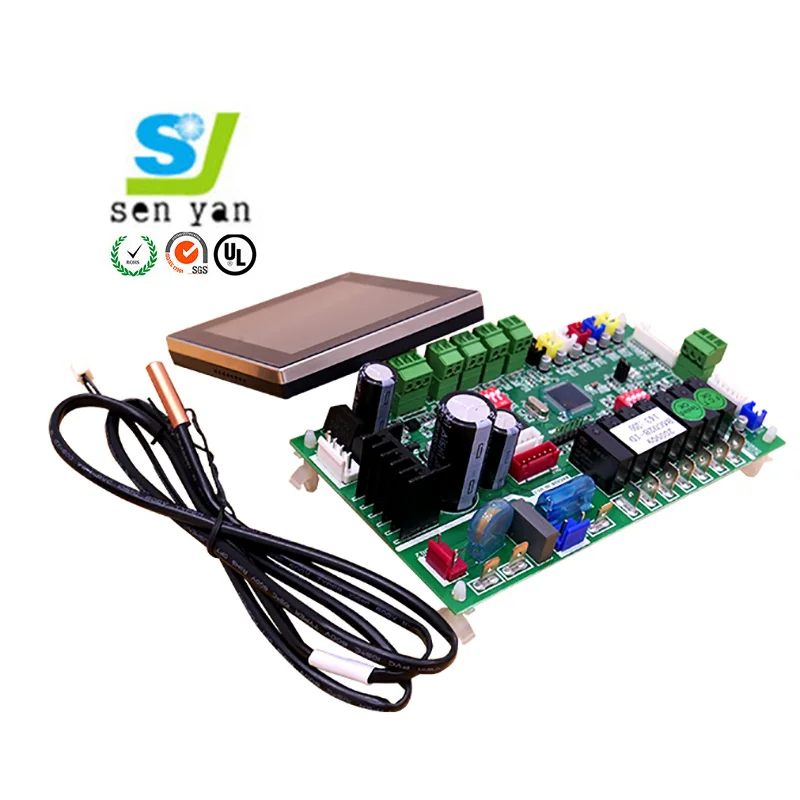
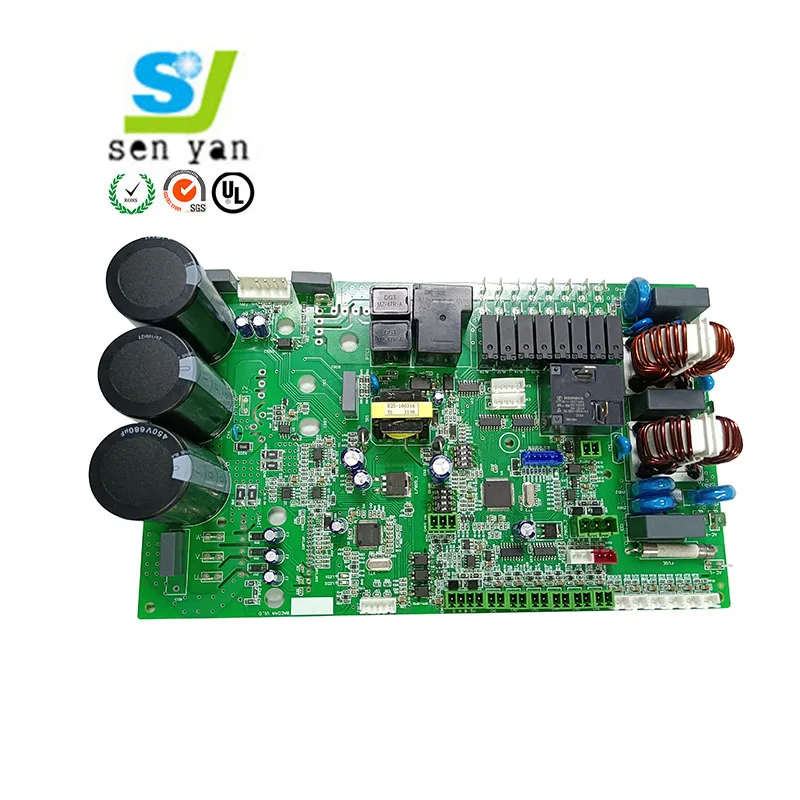
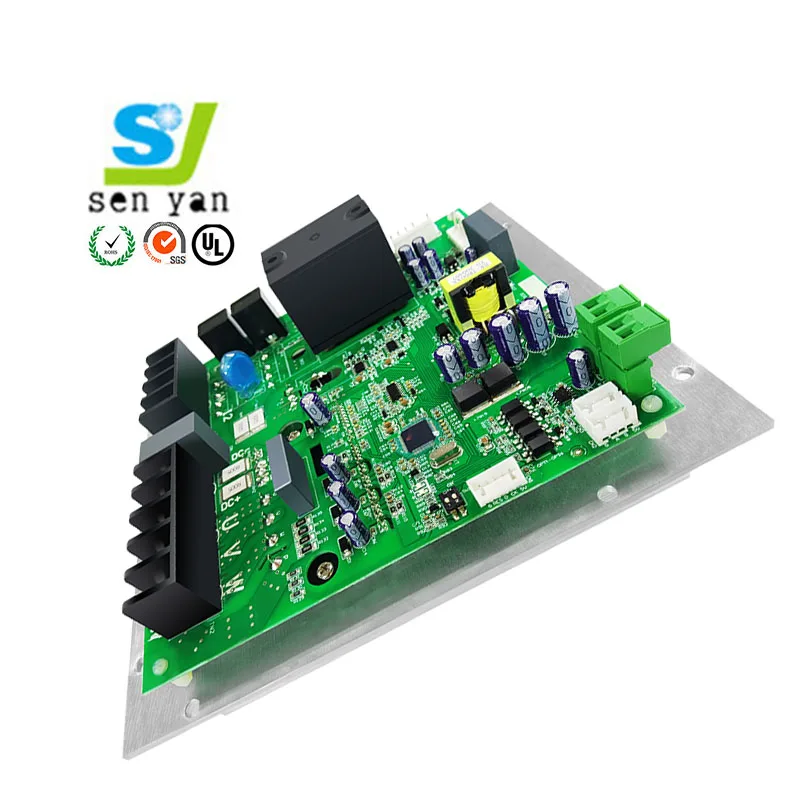
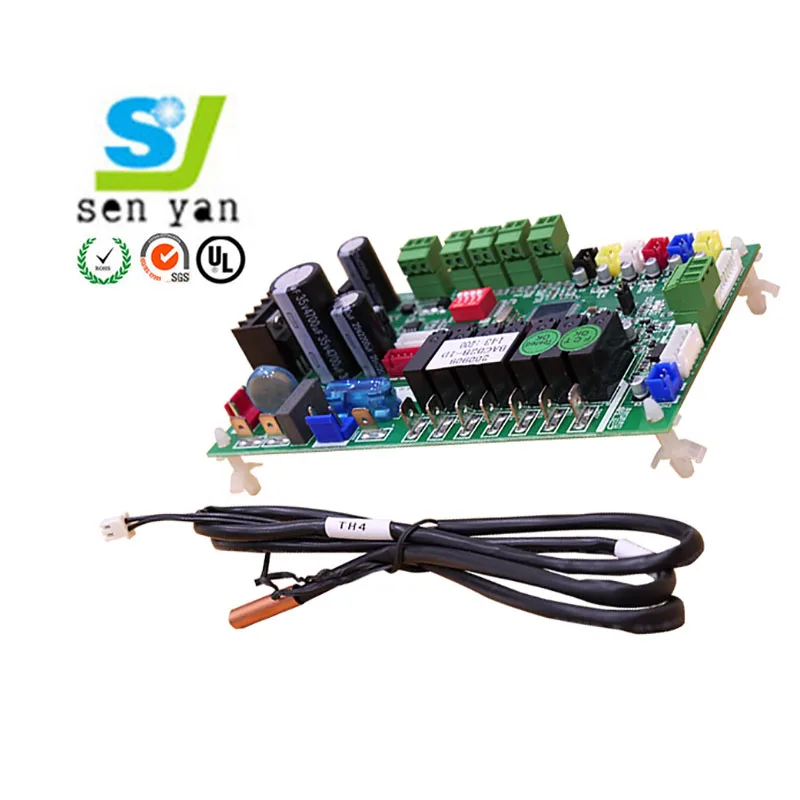
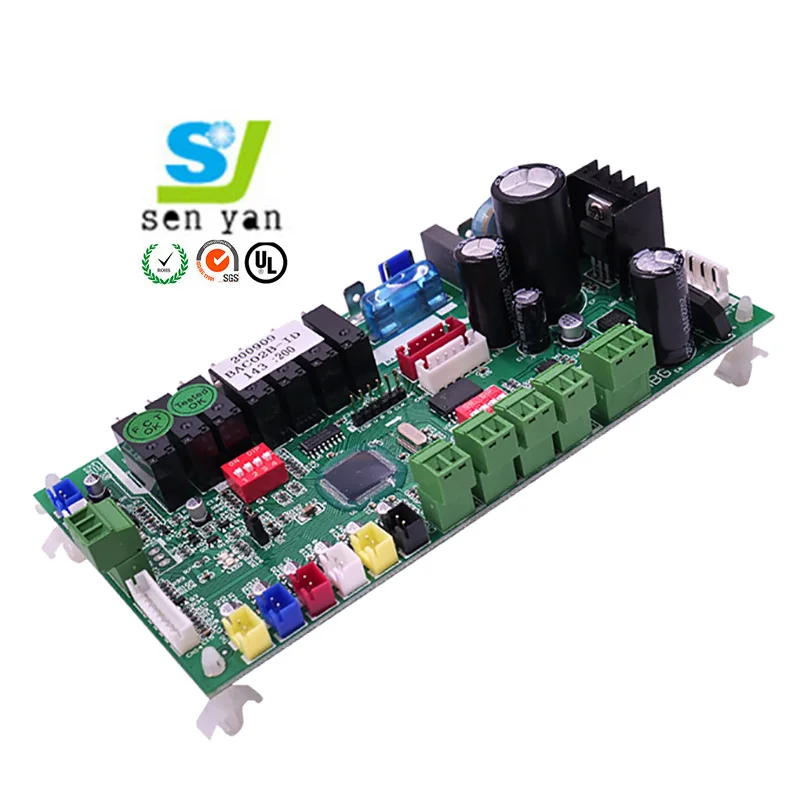
The Oem American Royal Club Deluxe Aristocrat Super V Gameinator Casino Roulette Game Pcb Master Pcba Circuit Board is a high-performance PCB designed for advanced electronic and consumer electronics applications. Built with FR-4 material and customizable component configurations, it offers robust durability, safety certifications, and scalable performance to meet diverse industrial and gaming device requirements.
| Feature | Specification | Benefit |
|---|---|---|
| Material | FR-4 epoxy-glass laminate | Durable, heat-resistant, and electrically stable |
| Copper Thickness | 0.25–6 oz (adjustable) | Custom thermal and power-handling capacity |
| Certifications | RoHS, UL, SGS | Ensures compliance with global safety and environmental standards |
| Components | Resistors, capacitors, ICs, relays | Supports complex signal processing and power management |
| Design | Optimized component layout | Space-efficient and easy-to-maintain architecture |
Adjustable parameters include copper thickness (for thermal management), component density (to meet power or signal requirements), and connector configurations (for system integration). These allow customization for specialized needs like high-frequency gaming devices or industrial control systems.
With its RoHS and UL certifications, this PCB ensures safety and reliability for consumer electronics. Its customizable copper thickness and component layout make it ideal for high-stakes gaming machines, industrial control panels, or any application requiring precise power distribution and signal integrity.
| Parameter | Base Model | Advanced Model | Pro Model |
|---|---|---|---|
| Copper Thickness | 0.25–1 oz | 1.5–3 oz | 3.5–6 oz |
| Component Density | Standard (500+/cm²) | Enhanced (1,000+/cm²) | Premium (2,000+/cm²) |
| Thermal Performance | Standard | 20% improved | 40% improved |
| Certifications | RoHS, UL | RoHS, UL, SGS | RoHS, UL, SGS, ISO |
Technical Breakthroughs:
Version Selection Guide:
With the Pro Model’s 6 oz copper and ISO certification, you can ensure uninterrupted operation in casinos with high-traffic environments. Pair its premium thermal performance with dense component layouts to deliver seamless signal processing for next-gen gaming devices.

The Product Description is generated by third-party, and Alibaba.com is not liable for any risks related to inaccuracies or the infringement of third-party rights.
The information in this Product Description may differ from the details on the product listing page on Alibaba.com. Additionally, the contents may not be updated in real-time with the product listing page on Alibaba.com, and there may be delays in reflecting the most updated information. The description on product listing page takes precedence. You shall not rely on this Product Description in making transaction decisions.
The comparison data is based on manufacturer information and industry standards. Actual results may vary depending on individual use cases. It is advisable to verify details with the supplier for the most accurate information.