All categories
Featured selections
Trade Assurance
Buyer Central
Help Center
Get the app
Become a supplier
Customization:
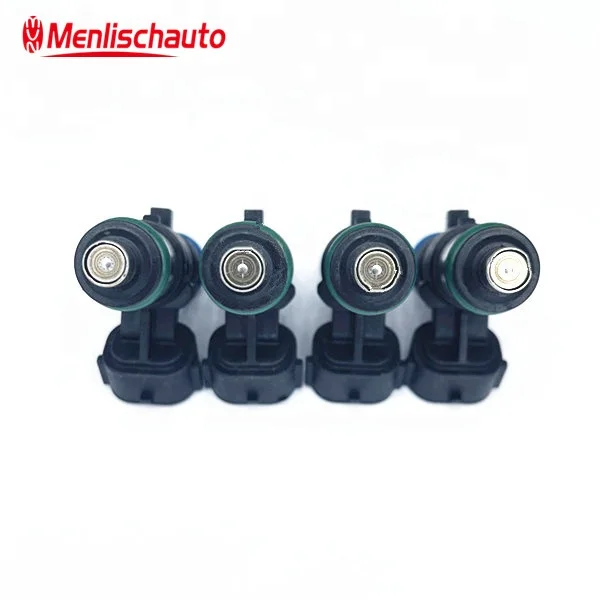
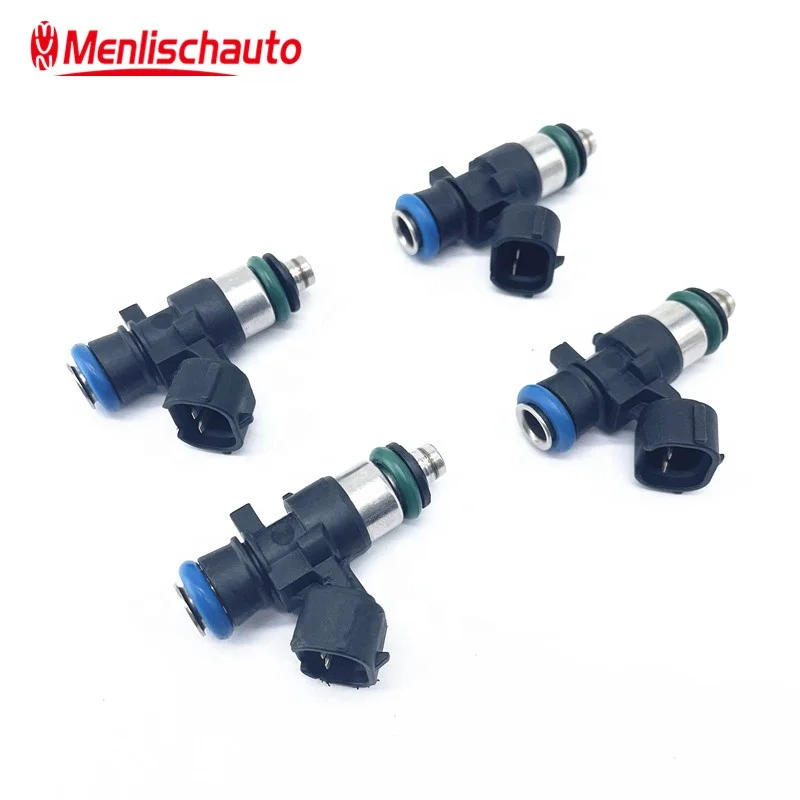
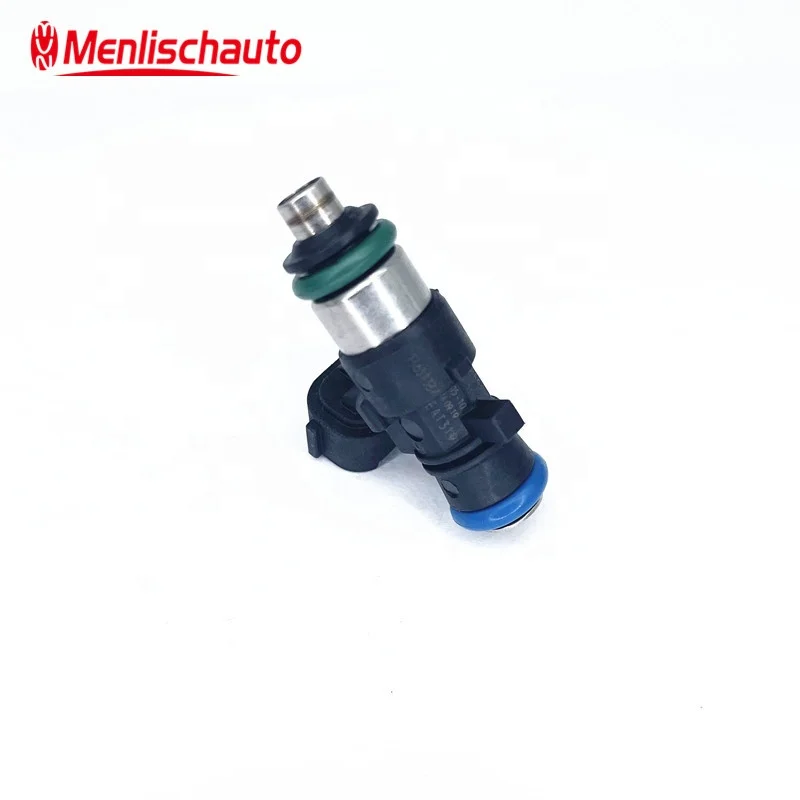
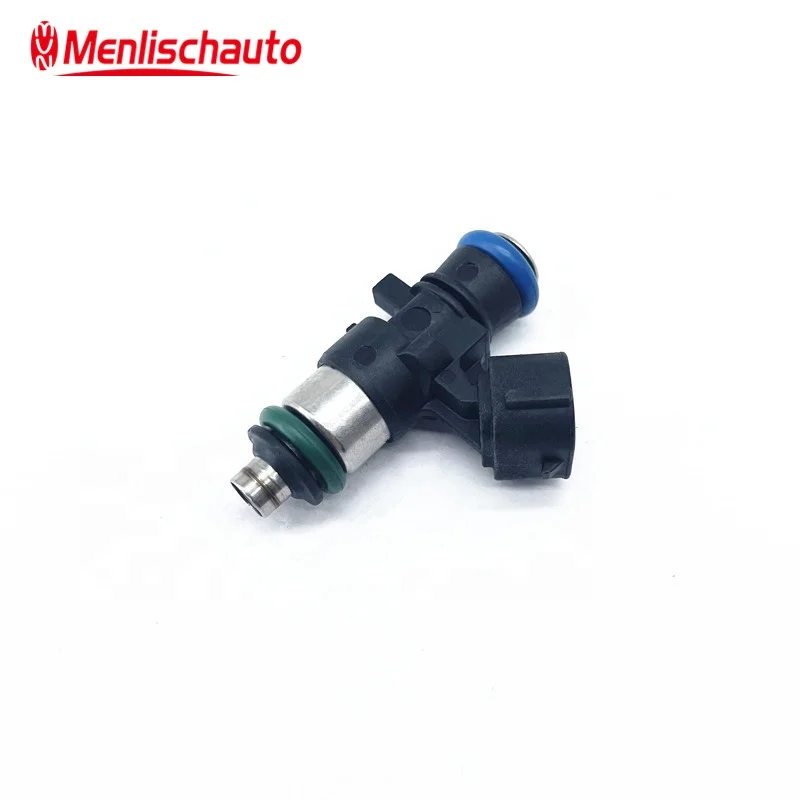
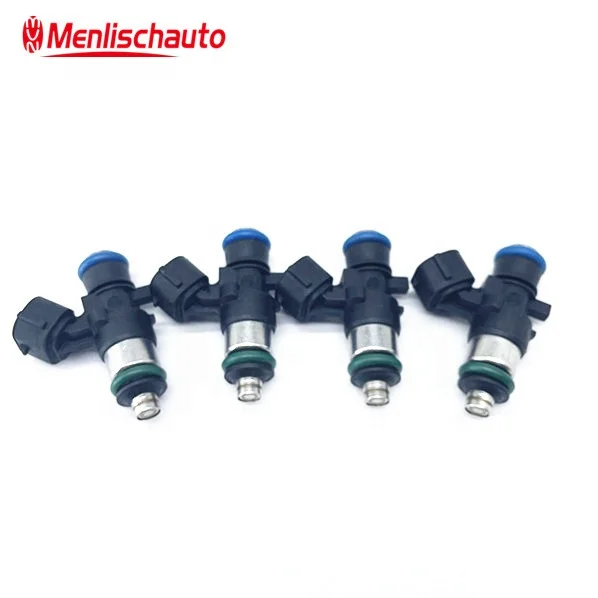
The Original Auto Parts Fuel Injector Nozzle 1465A337 EAT319 is engineered for precision fuel delivery in SMART FORTWO ROADSTER 451 1.0 M132 engines (2007-2019). Designed with automotive-grade materials and compact construction, it ensures optimal performance, fuel efficiency, and reliability in high-pressure environments.
| Feature | Specification | Benefit |
|---|---|---|
| Material Construction | Stainless steel nozzle + high-temperature plastic housing | Corrosion resistance and heat durability |
| Fuel Compatibility | Gasoline | Ensures seamless integration with OEM systems |
| Pressure Tolerance | Up to 180 bar | Supports modern high-pressure fuel systems |
| Flow Rate | 1.2–1.5 mm³/stroke (adjustable) | Customizable for engine performance tuning |
| Certification | ISO 16682, SAE J1939 | Meets automotive industry safety standards |
Adjustable parameters:
With precise fuel metering and robust construction, these injectors are ideal for maintaining engine efficiency in SMART vehicles. Whether you’re restoring a classic model or upgrading a turbocharged engine, their adaptable design ensures compatibility and longevity.
| Parameter | Base Model | Advanced Model | Pro Model |
|---|---|---|---|
| Flow Rate Range | 1.2–1.3 mm³ | 1.3–1.4 mm³ | 1.4–1.5 mm³ |
| Pressure Tolerance | 180 bar | 200 bar (+11%) | 220 bar (+22%) |
| Nozzle Material | Stainless Steel | Nickel-plated steel | Titanium-coated steel (+30% wear resistance) |
| Certifications | ISO 16682 | ISO 16682 + SAE J1939 | ISO 16682 + ASIL-C |
Three Technical Breakthroughs:
Optimal Version Selection:
With the Pro Model’s 220 bar pressure tolerance, you can safely handle high-performance turbo setups, while its titanium coating prevents erosion in aggressive fuel blends. The Advanced Model’s nickel plating balances cost and durability for everyday performance enthusiasts.

The Product Description is generated by third-party, and Alibaba.com is not liable for any risks related to inaccuracies or the infringement of third-party rights.
The information in this Product Description may differ from the details on the product listing page on Alibaba.com. Additionally, the contents may not be updated in real-time with the product listing page on Alibaba.com, and there may be delays in reflecting the most updated information. The description on product listing page takes precedence. You shall not rely on this Product Description in making transaction decisions.
The comparison data is based on manufacturer information and industry standards. Actual results may vary depending on individual use cases. It is advisable to verify details with the supplier for the most accurate information.