All categories
Featured selections
Trade Assurance
Buyer Central
Help Center
Get the app
Become a supplier
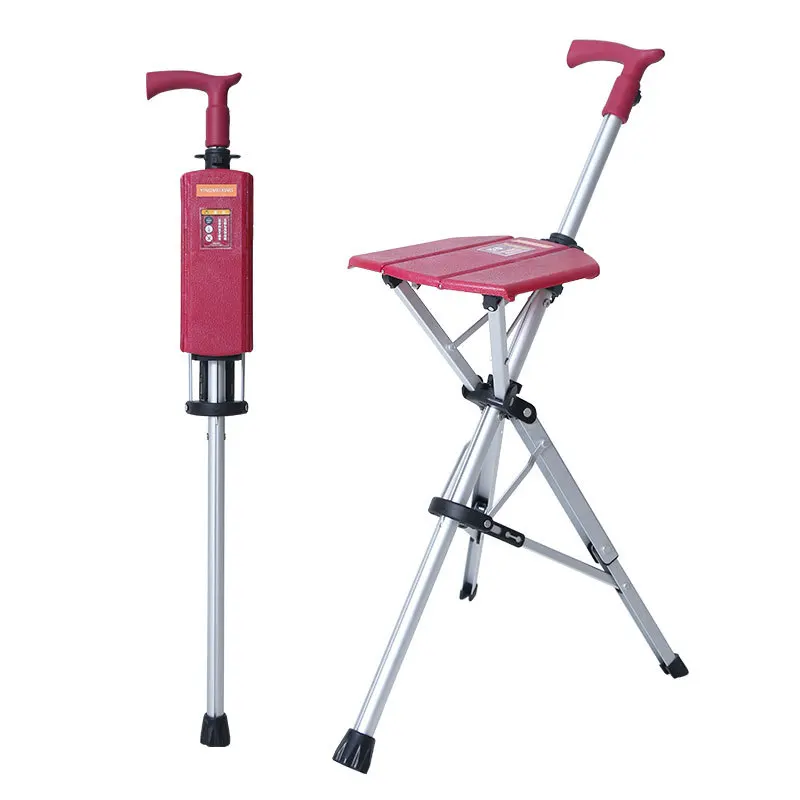
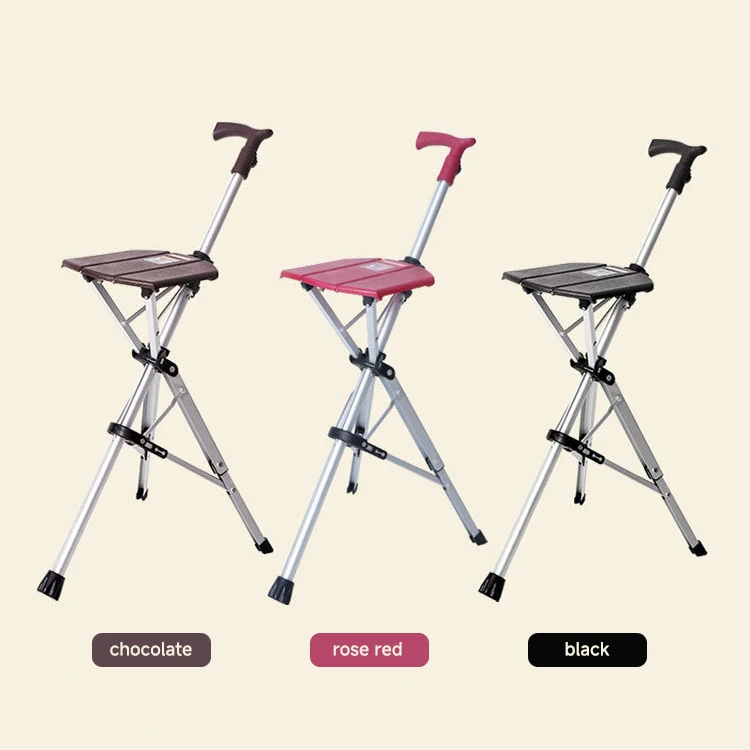
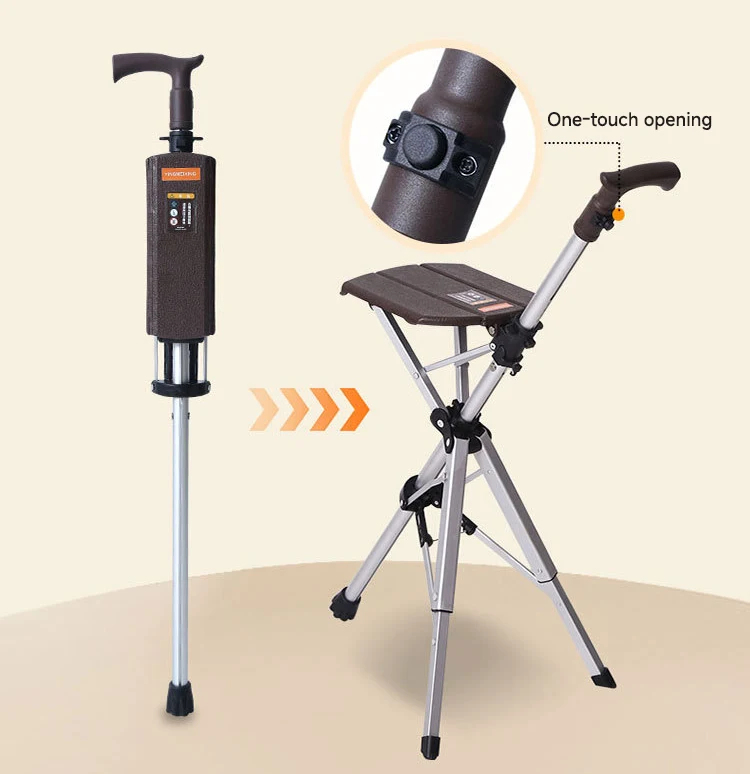
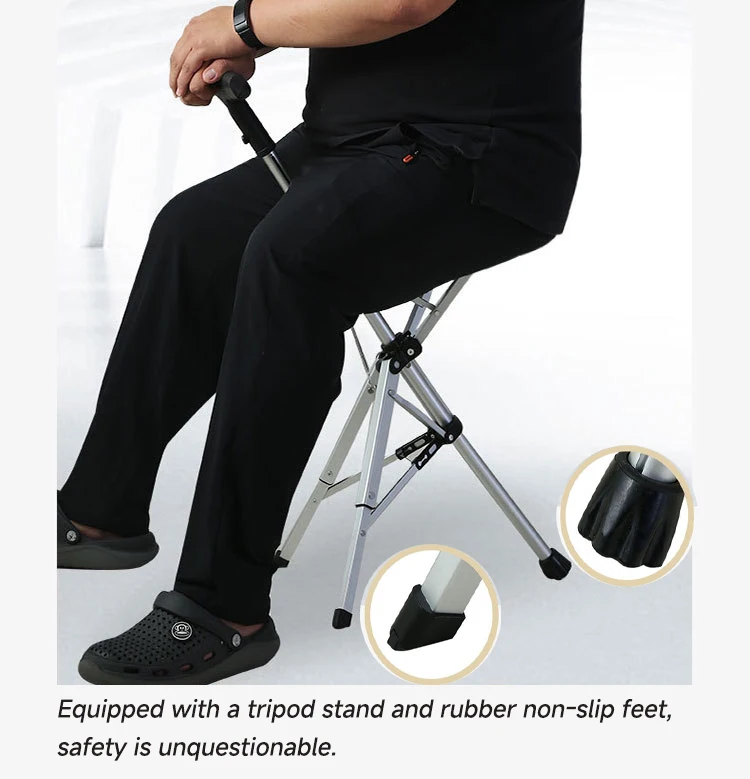
The Outdoor Camping Walking Stick Folding Crutch Chair Cane with Seat combines mobility aid functionality with a portable seating solution for outdoor adventures. Crafted from lightweight yet durable aluminum alloy, this multifunctional cane transforms into a stable seat for resting during hikes, camping trips, or travel. Certified to RoHS standards, it features adjustable height settings to accommodate users of varying statures, ensuring comfort and support in rugged terrain or urban environments.
| Feature | Specification | Application Scenario |
|---|---|---|
| Material | Aluminum alloy (shaft) + Durable fabric/plastic (seat) | Lightweight strength for hiking; weather-resistant seat for outdoor use |
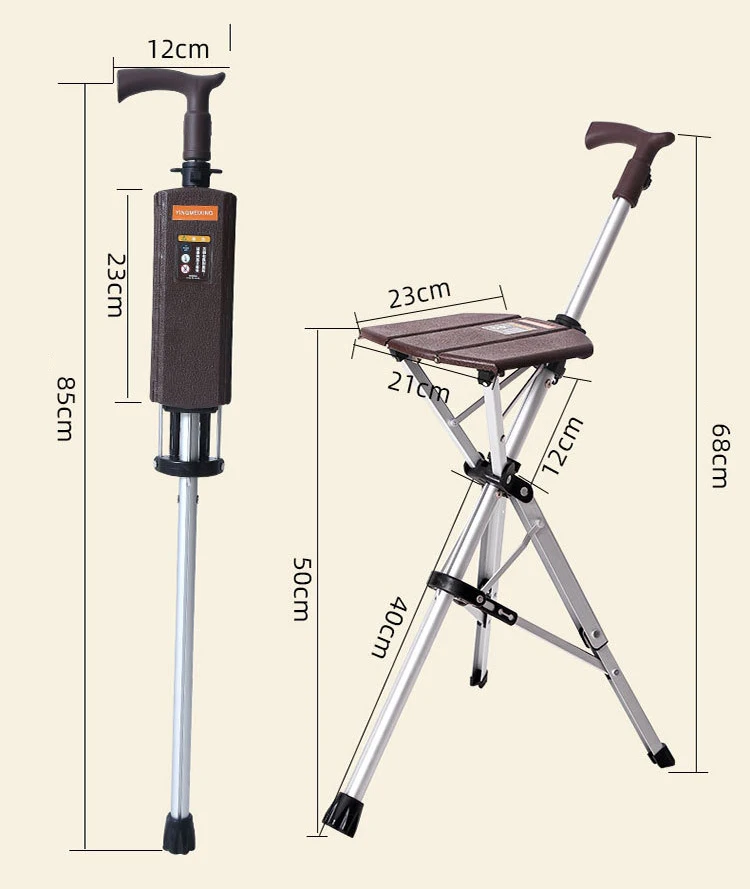
| Adjustable Height | 60–100 cm (customizable in 2 cm increments) | Fits users from 150–190 cm tall |
| Foldable Design | Collapses to 65 cm (diameter: 5 cm) | Easy storage in backpacks or luggage |
| Certification | RoHS-compliant | Ensures safety for eco-conscious users |
| Load Capacity | 150 kg (seat) | Supports heavy use during prolonged trips |
Adjustable height parameters can be tailored to meet specific user statures, while the seat material can be upgraded to reinforced polymer for extreme environments.
Transform your outdoor journey with a tool that adapts to your needs: lean on it as a cane, fold it into a seat for breaks, or rely on its stability during uneven terrain. Perfect for hikers, travelers, or anyone seeking reliable mobility and comfort.
| Parameter | Base Model | Advanced Model | Pro Model |
|---|---|---|---|
| Weight | 300 g | 280 g (-6.7%) | 250 g (-16.7%) |
| Adjustable Range | 70–90 cm | 65–95 cm (+5 cm) | 60–100 cm (+30 cm) |
| Seat Strength | 100 kg | 120 kg (+20 kg) | 150 kg (+50 kg) |
| Material Grade | Standard alloy | Reinforced alloy | Premium aerospace-grade alloy |
Technical Breakthroughs:
Version Selection Guidance:

The Product Description is generated by third-party, and Alibaba.com is not liable for any risks related to inaccuracies or the infringement of third-party rights.
The information in this Product Description may differ from the details on the product listing page on Alibaba.com. Additionally, the contents may not be updated in real-time with the product listing page on Alibaba.com, and there may be delays in reflecting the most updated information. The description on product listing page takes precedence. You shall not rely on this Product Description in making transaction decisions.
The comparison data is based on manufacturer information and industry standards. Actual results may vary depending on individual use cases. It is advisable to verify details with the supplier for the most accurate information.