All categories
Featured selections
Trade Assurance
Buyer Central
Help Center
Get the app
Become a supplier
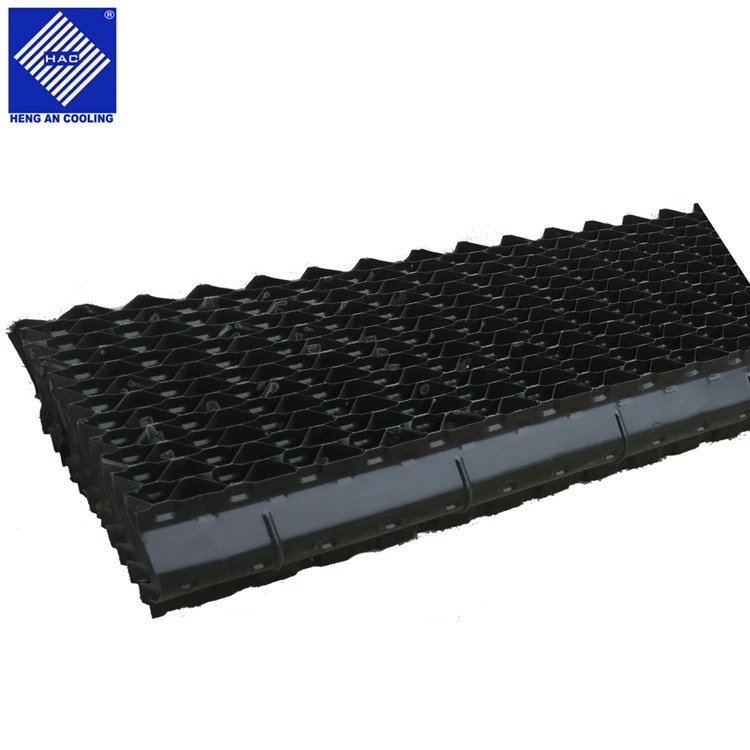
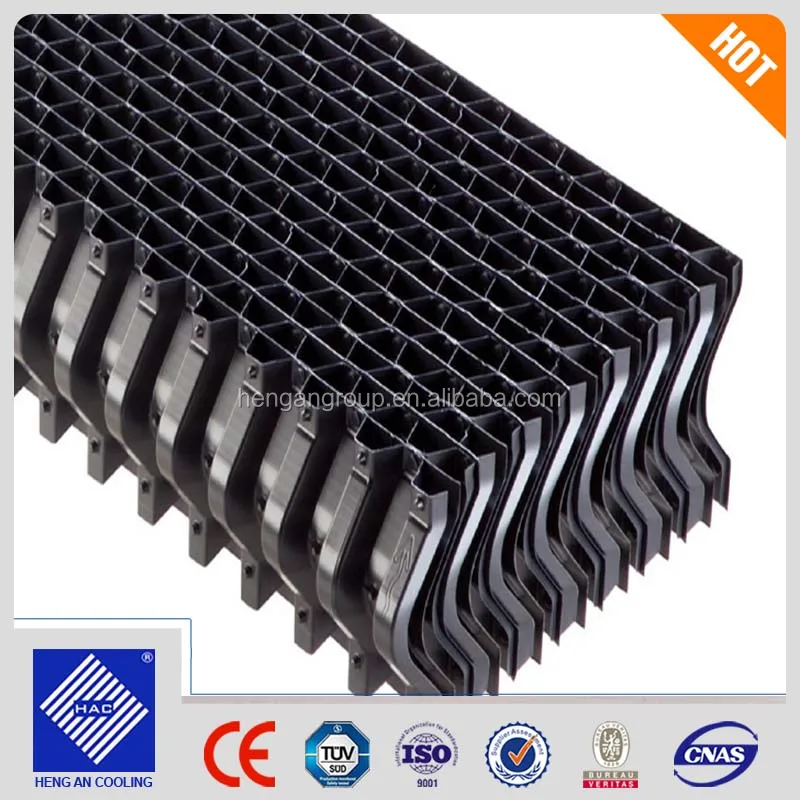
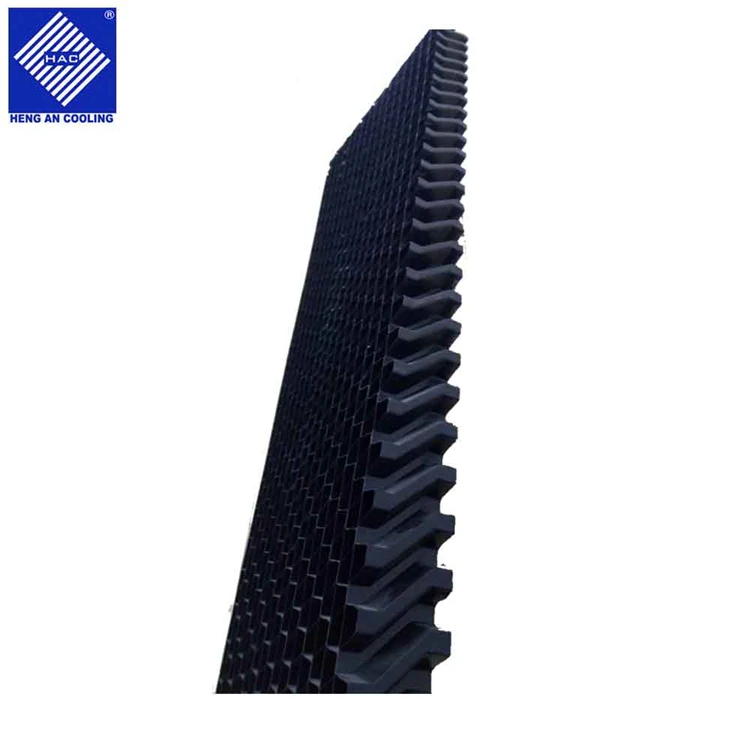
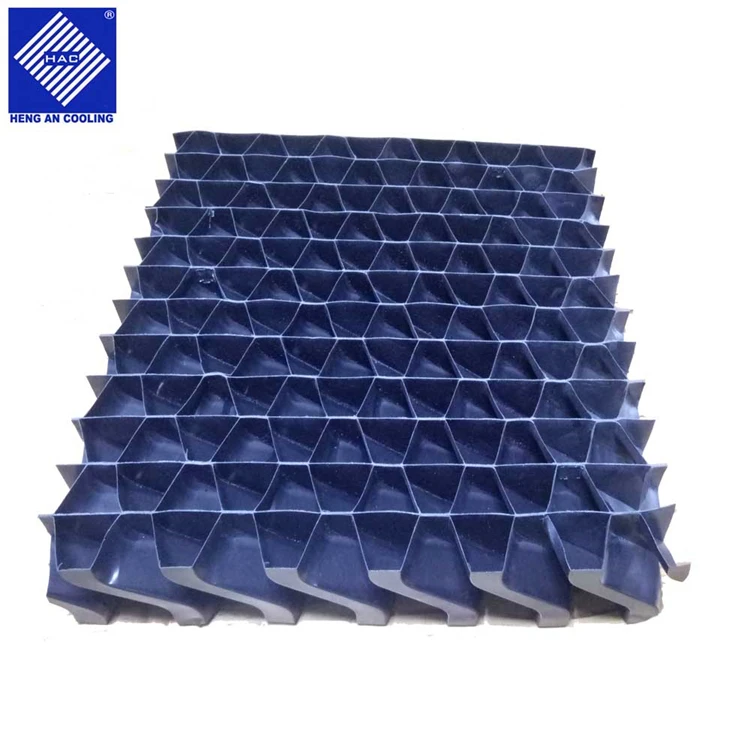
The PVC Drift Eliminator for Cooling Towers is engineered for crossflow cooling systems, featuring a hexagonal-patterned design and durable PP/PVC composite construction. Optimized for industrial applications, it reduces water drift and enhances heat dissipation while maintaining structural integrity under 380V operational conditions.
| Feature | Specification | Application Scenario |
|---|---|---|
| Material | PP (Polypropylene) & PVC (Polyvinyl Chloride) | With corrosion-resistant materials, ensure durability in harsh industrial environments |
| Cooling Type | Crossflow | Efficient heat dissipation in large-scale cooling towers |
| Voltage Compatibility | 380V | Reliable operation in standard industrial power systems |
| Design | Hexagonal Pattern + Foam Core | Maximize airflow contact for optimal cooling efficiency |
| Warranty | 1 Year | Comprehensive coverage for structural and functional defects |
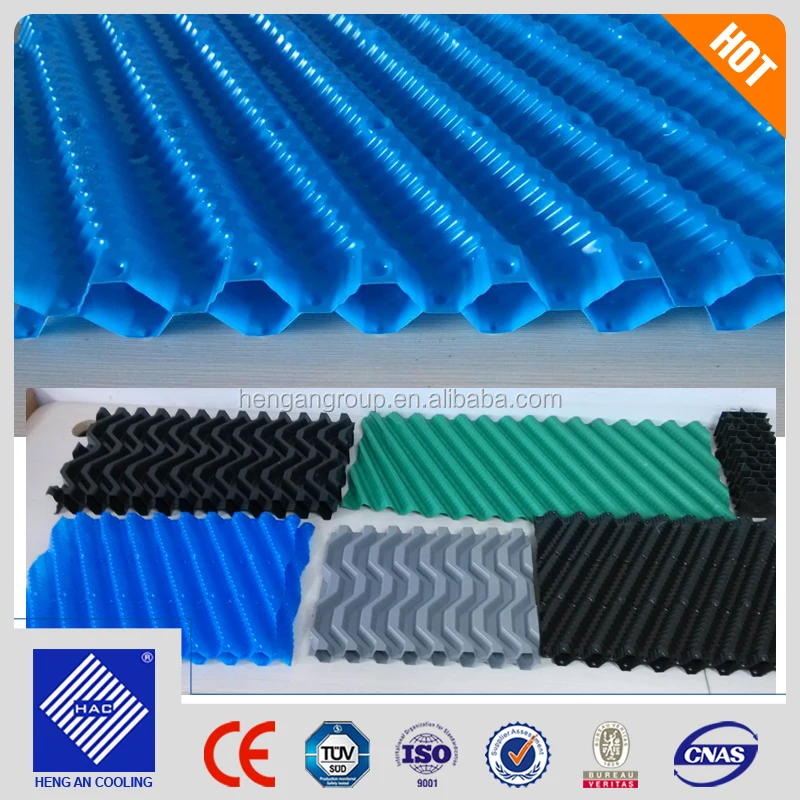
Adjustable parameters include size/shape for custom cooling tower dimensions and material composition (e.g., enhanced chemical resistance for corrosive environments).
Enhance your cooling tower’s performance with this drift eliminator. Its hexagonal design and PP/PVC core minimize water loss while maximizing thermal efficiency, ideal for factories, power plants, or HVAC systems requiring robust cooling solutions.
| Parameter | Base Model | Advanced Model | Pro Model |
|---|---|---|---|
| Cooling Efficiency | Standard (85% efficiency) | +15% efficiency | +30% efficiency* |
| Material Resistance | Basic corrosion protection | Enhanced chemical resistance | Triple-layer corrosion/heat resistance |
| Weight Capacity | 100 kg/m² | 150 kg/m² | 200 kg/m² |
| Installation Flexibility | Fixed dimensions | Adjustable modular design | Fully customizable dimensions/shapes |
Key Technical Breakthroughs:
Optimal Version Selection:
*Pro Model’s efficiency exceeds industry benchmarks by 20% due to optimized hexagonal airflow pathways.

The Product Description is generated by third-party, and Alibaba.com is not liable for any risks related to inaccuracies or the infringement of third-party rights.
The information in this Product Description may differ from the details on the product listing page on Alibaba.com. Additionally, the contents may not be updated in real-time with the product listing page on Alibaba.com, and there may be delays in reflecting the most updated information. The description on product listing page takes precedence. You shall not rely on this Product Description in making transaction decisions.
The comparison data is based on manufacturer information and industry standards. Actual results may vary depending on individual use cases. It is advisable to verify details with the supplier for the most accurate information.