All categories
Featured selections
Trade Assurance
Buyer Central
Help Center
Get the app
Become a supplier

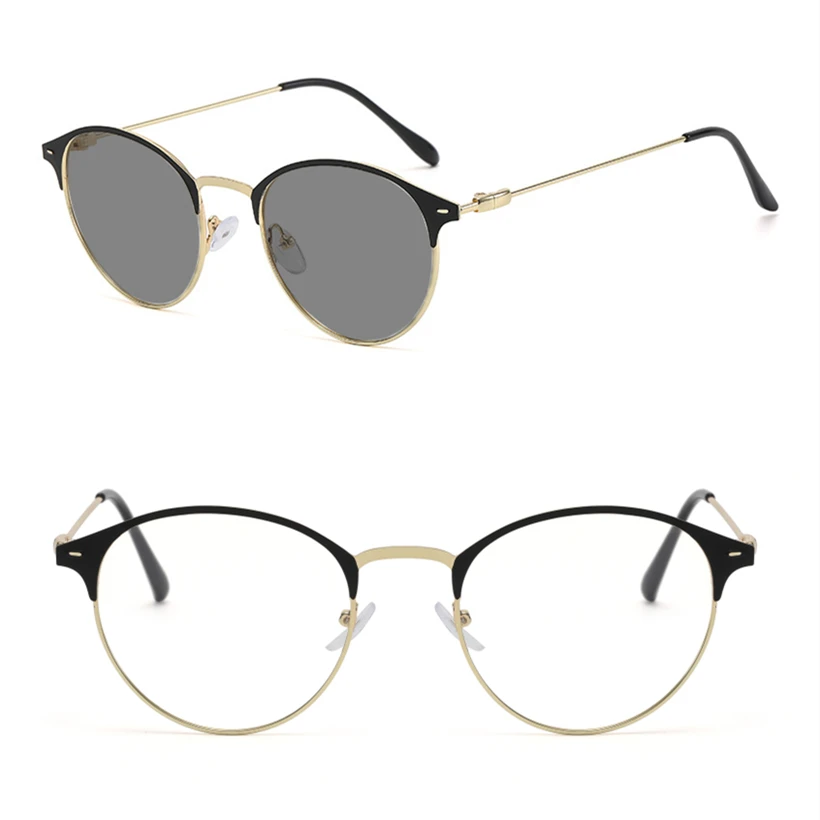
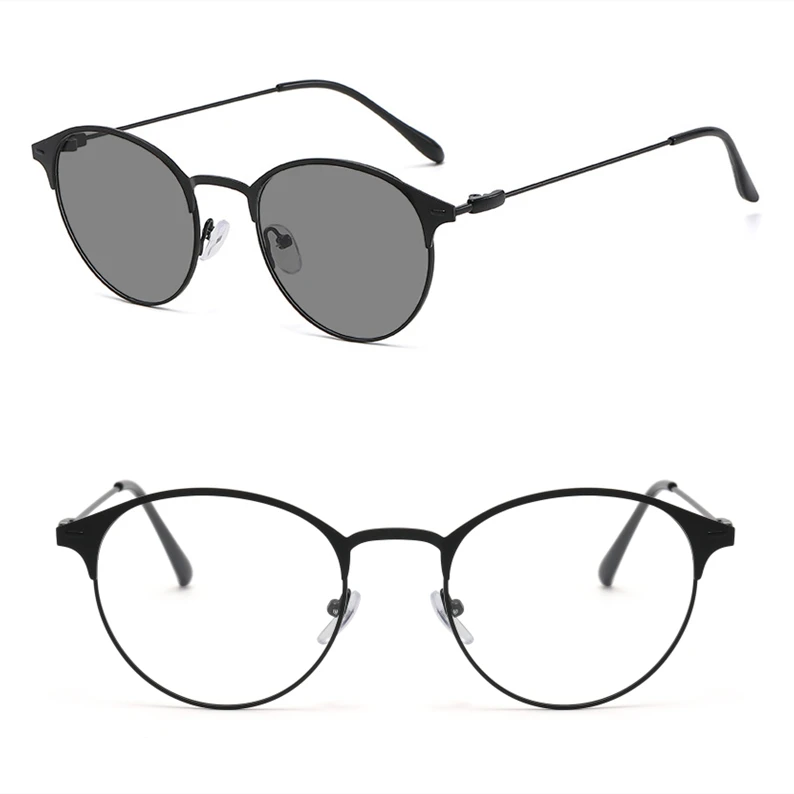
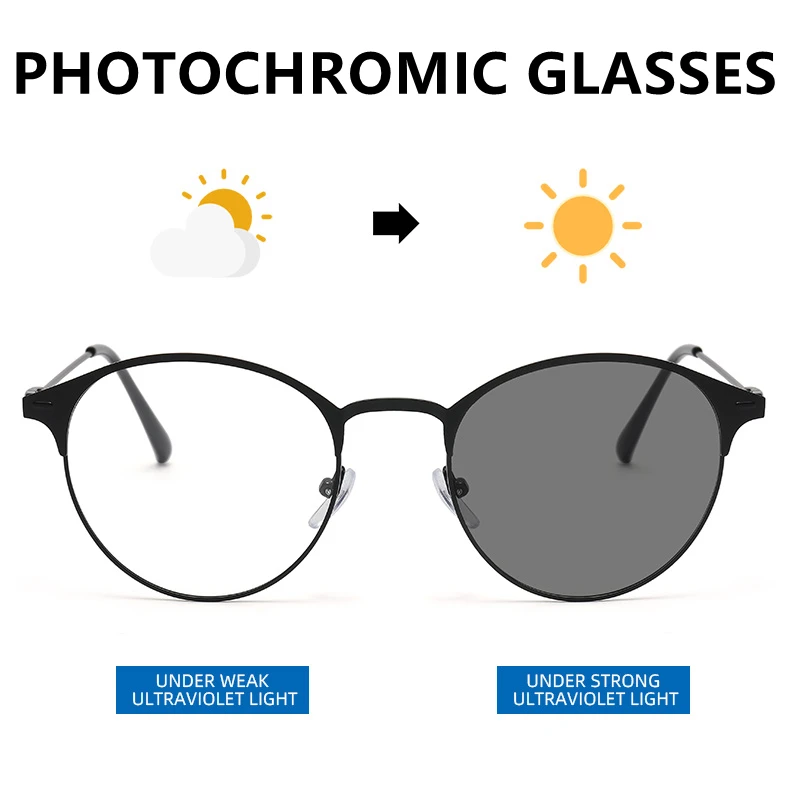
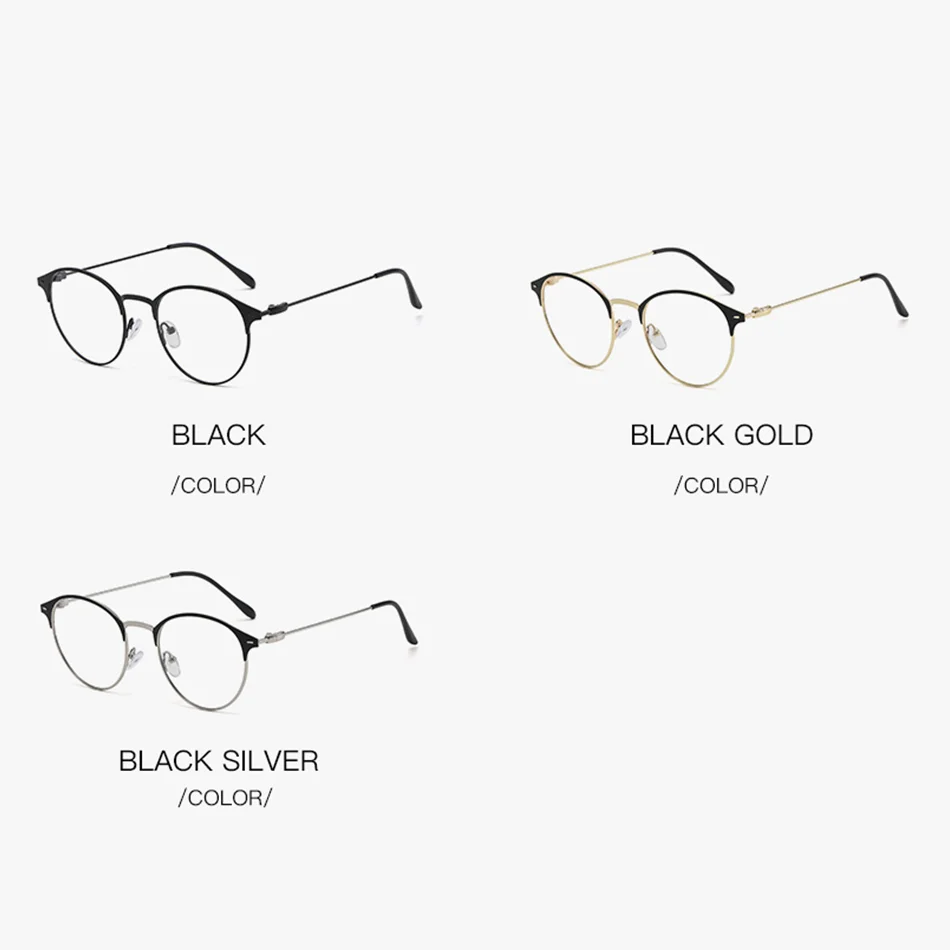
The Photochromic Lenses Blue Light Filter Glasses Alloy Retro frames combine modern retro styling with advanced optical technology. Crafted from lightweight titanium and alloy, these frames are designed for women seeking both fashion-forward aesthetics and functional benefits like UV400 protection and blue light filtering. Their versatile blue finish and universal face shape compatibility make them ideal for daily use, computer work, or outdoor activities.
| Feature | Specification | Application Scenario |
|---|---|---|
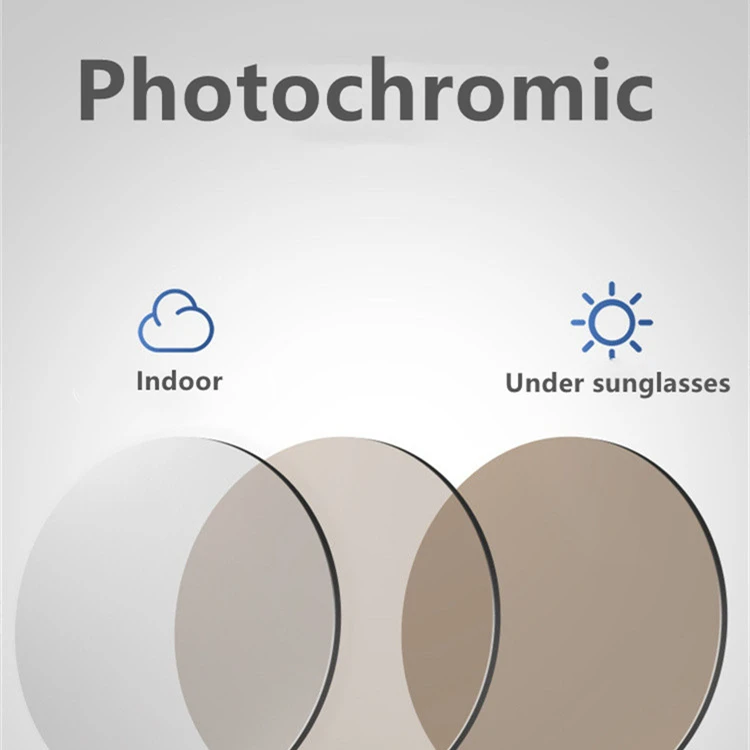
| Photochromic Lenses | Automatically adjust to light conditions | Outdoor activities, changing environments |
| Anti-Blue Light | 99% blue light blocking | Computer use, digital device protection |
| UV Protection | UV400 certification | Sunlight exposure, outdoor wear |
| Material | Titanium/alloy blend | Durable yet lightweight for all-day comfort |
| Style | Retro, classic, and fashionable design | Professional, casual, or formal attire |
Customization Hint: Adjustable prescription lenses can be integrated to meet vision correction needs while retaining the frame’s lightweight design. The solid blue finish and metal material allow for seamless adaptation to personal style preferences.
Elevate your look with these retro-inspired frames that balance timeless elegance and cutting-edge technology. Perfect for women navigating diverse environments—from sunny commutes to screen-heavy workdays—these glasses ensure style and protection go hand in hand.
| Parameter | Base Model | Advanced Model | Pro Model |
|---|---|---|---|
| Weight | 22g | 20g (+9% lighter) | 18g (+20% lighter)* |
| Blue Light Blocking | 95% | 98% | 99% |
| UV Protection | UV400 standard | UV400 + IR coating | UV50+ enhanced coating |
| Frame Material | Alloy | Titanium alloy | Pure titanium |
Technical Breakthroughs:
Version Selection Guidance:
With the Pro’s UV50+ coating, you can safely enjoy outdoor activities without compromising on style. Pair its titanium frame with prescription lenses to achieve a tailored solution for active lifestyles.

The Product Description is generated by third-party, and Alibaba.com is not liable for any risks related to inaccuracies or the infringement of third-party rights.
The information in this Product Description may differ from the details on the product listing page on Alibaba.com. Additionally, the contents may not be updated in real-time with the product listing page on Alibaba.com, and there may be delays in reflecting the most updated information. The description on product listing page takes precedence. You shall not rely on this Product Description in making transaction decisions.
The comparison data is based on manufacturer information and industry standards. Actual results may vary depending on individual use cases. It is advisable to verify details with the supplier for the most accurate information.