All categories
Featured selections
Trade Assurance
Buyer Central
Help Center
Get the app
Become a supplier

Customization:
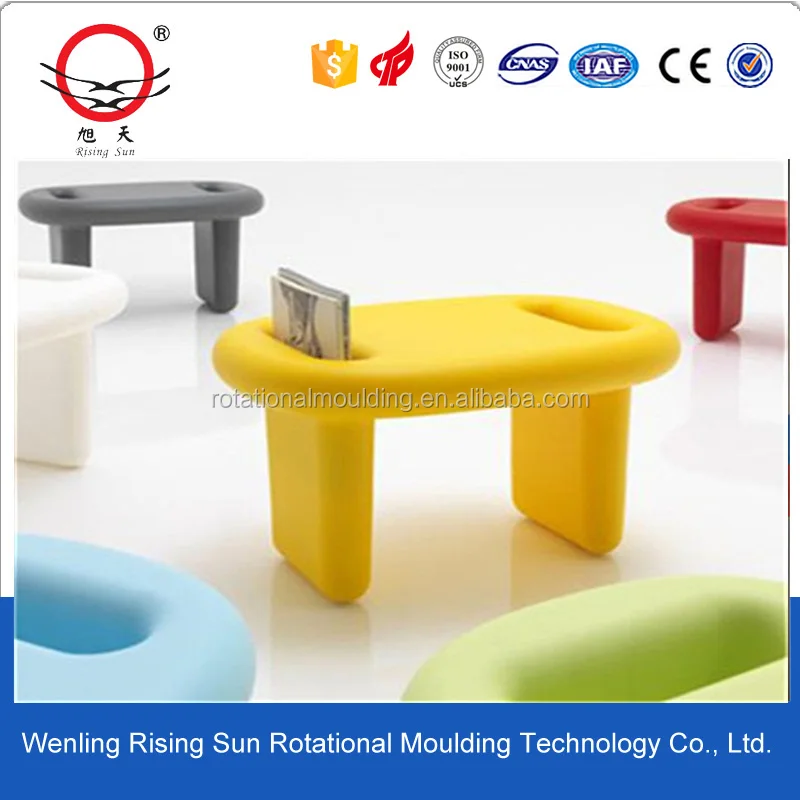
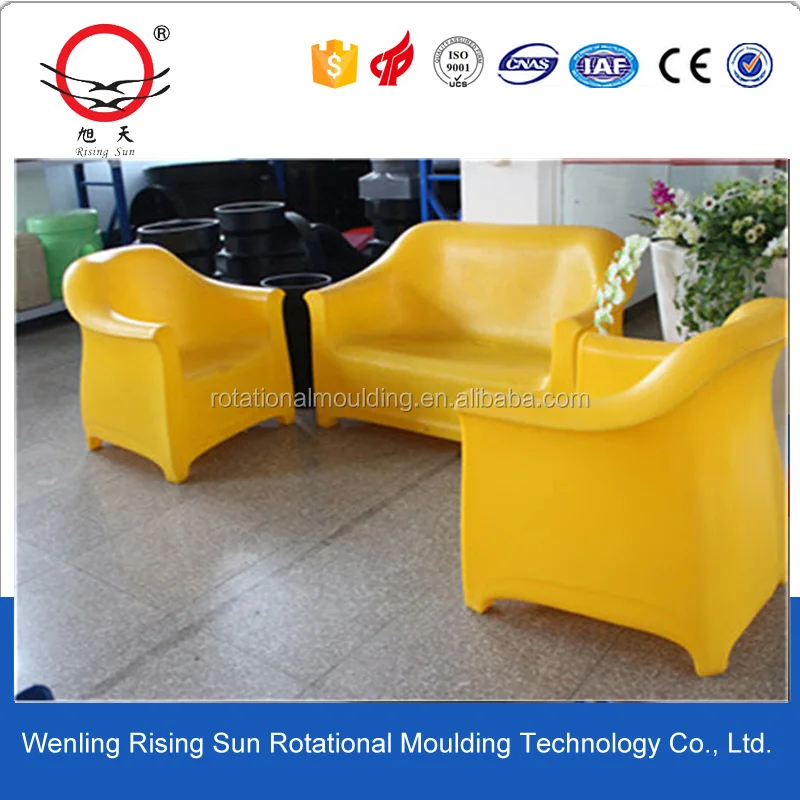
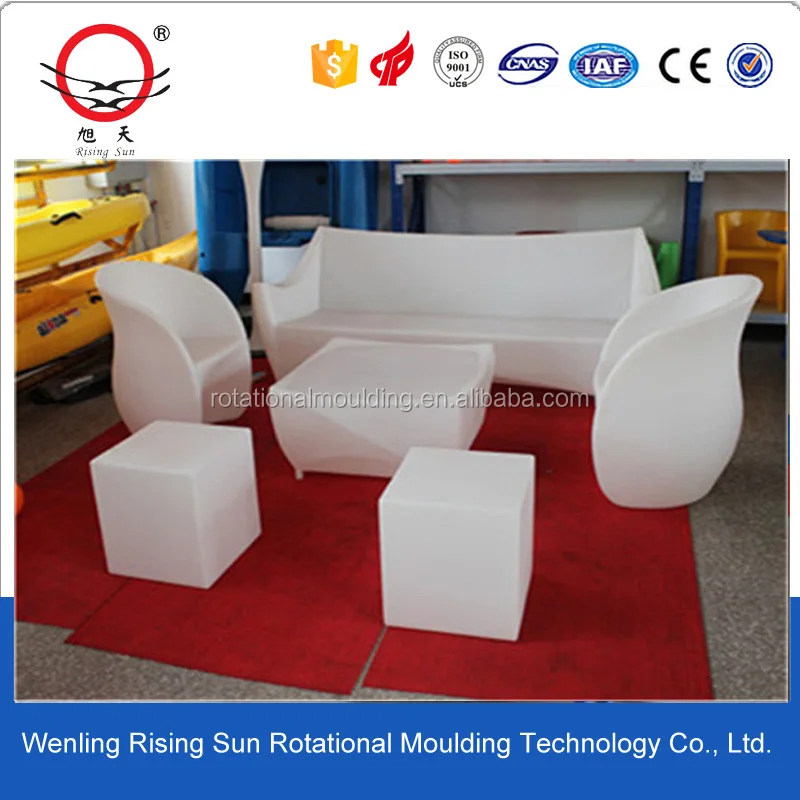
The Plastic Furniture Mould by Rotomolding is designed for household applications, combining durability and precision through advanced manufacturing processes like CNC machining and die casting. Crafted from high-quality plastic, iron, and aluminum, this mould ensures efficient production of lightweight yet sturdy furniture components.
| Feature | Specification | Application Scenario |
|---|---|---|
| Material Composition | Plastic, Iron, Aluminum | Versatile for diverse household furniture parts |
| Manufacturing Process | Rotomolding & Die Casting | Mass production of complex furniture shapes |
| Precision | CNC Machined Tolerances (±0.1mm) | Ensuring fit-for-purpose furniture joints |
| Finish | Polished Surface | Smooth mold surfaces for flawless product finishes |
| Shaping Mode | Die Casting | Rapid prototyping and mass production runs |
Adjust material ratios (e.g., aluminum content for enhanced durability) or modify dimensions to suit specific furniture designs. For instance, increasing plastic content reduces weight for children’s furniture, while iron reinforcement improves structural integrity for outdoor use.
With this mould, you can produce lightweight yet durable chairs, tables, and storage units. Its rotomolding process ensures uniform thickness, ideal for weather-resistant outdoor furniture, while CNC precision guarantees seamless assembly for indoor pieces.
| Parameter | Base Model | Advanced Model | Pro Model |
|---|---|---|---|
| Material Quality | Standard Plastic | Aluminum Reinforced | Premium Alloy Blend* |
| Precision Level | ±0.3mm | ±0.15mm | ±0.05mm* |
| Customization | Limited (size only) | Moderate (material mix) | Full (design + material) |
Technical Breakthroughs:
Version Selection Guide:
With the Pro Model’s premium alloy blend, you can produce furniture that withstands harsh environments—perfect for poolside loungers. Its ultra-precise CNC machining ensures seamless integration with automated assembly lines, cutting labor costs by 25%.

The Product Description is generated by third-party, and Alibaba.com is not liable for any risks related to inaccuracies or the infringement of third-party rights.
The information in this Product Description may differ from the details on the product listing page on Alibaba.com. Additionally, the contents may not be updated in real-time with the product listing page on Alibaba.com, and there may be delays in reflecting the most updated information. The description on product listing page takes precedence. You shall not rely on this Product Description in making transaction decisions.
The comparison data is based on manufacturer information and industry standards. Actual results may vary depending on individual use cases. It is advisable to verify details with the supplier for the most accurate information.