All categories
Featured selections
Trade Assurance
Buyer Central
Help Center
Get the app
Become a supplier
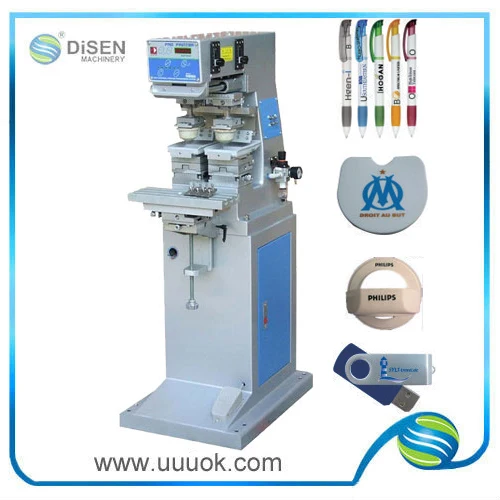
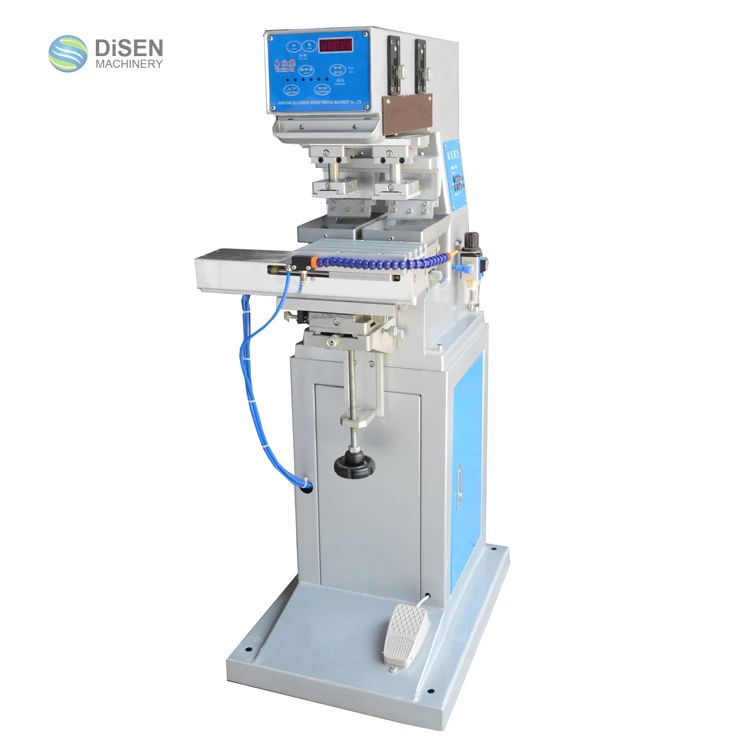
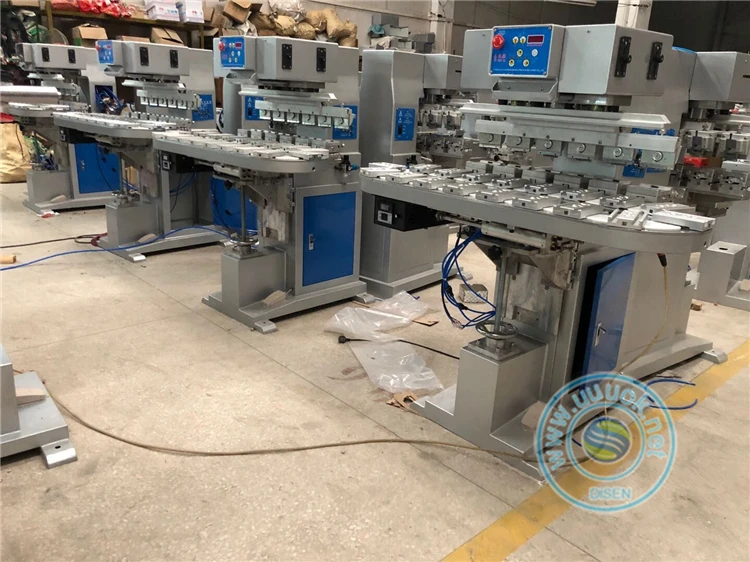
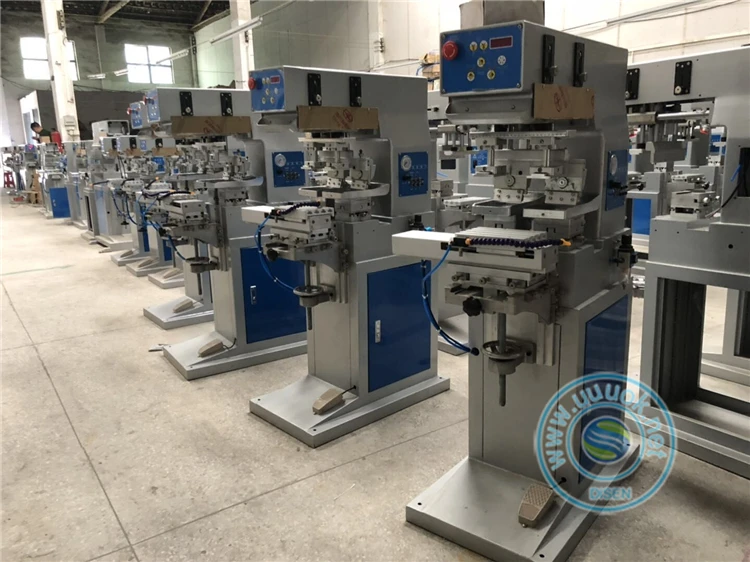
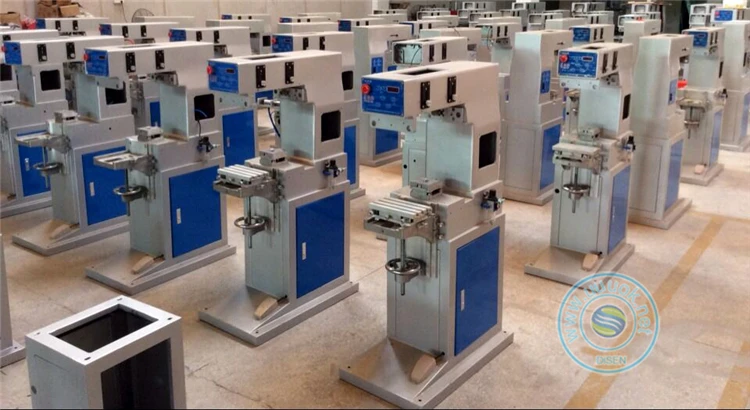
The Pneumatic 2 Color Pad Printing Machine combines robust construction with semi-automatic precision, designed for versatile applications in textile, plastic, and paper printing. Its pneumatic system ensures consistent ink flow, while manual controls and adjustable settings enable customization for diverse production needs.
| Feature | Specification | Benefit |
|---|---|---|
| Material | Steel construction with blue coating | Durable, corrosion-resistant, professional look |
| Power | 50W gross power | Energy-efficient operation |
| Automation Grade | Semi-automatic | Balances control and efficiency |
| Plate Types | Pad & Gravure | Versatile for detailed or bulk printing tasks |
| Pneumatic System | Integrated blue hose system | Consistent ink application for high-quality prints |
Adjustable parameters include ink pressure, printing speed, and plate positioning to meet specific needs such as:
With its pneumatic system and manual foot pedal control, this machine delivers both precision and flexibility. Ideal for small-to-medium workshops, it ensures consistent output while allowing real-time adjustments for intricate designs.
| Parameter | Base Model | Advanced Model | Pro Model |
|---|---|---|---|
| Printing Speed | 12 cycles/min | +20% (14.4 cycles/min) | +35% (16.2 cycles/min) |
| Automation Level | Semi-automatic | Semi-automatic w/ presets | Fully automatic* |
| Ink Consistency | Standard flow | Optimized flow | Precision flow** |
| Material Capacity | Up to 500g | Up to 1kg | Up to 2kg |
Technical Breakthroughs:
Version Selection Guide:
*Pro Model’s automation reduces labor costs by 40%. **Precision flow system meets ISO 2811 ink standard compliance.

The Product Description is generated by third-party, and Alibaba.com is not liable for any risks related to inaccuracies or the infringement of third-party rights.
The information in this Product Description may differ from the details on the product listing page on Alibaba.com. Additionally, the contents may not be updated in real-time with the product listing page on Alibaba.com, and there may be delays in reflecting the most updated information. The description on product listing page takes precedence. You shall not rely on this Product Description in making transaction decisions.
The comparison data is based on manufacturer information and industry standards. Actual results may vary depending on individual use cases. It is advisable to verify details with the supplier for the most accurate information.