All categories
Featured selections
Trade Assurance
Buyer Central
Help Center
Get the app
Become a supplier
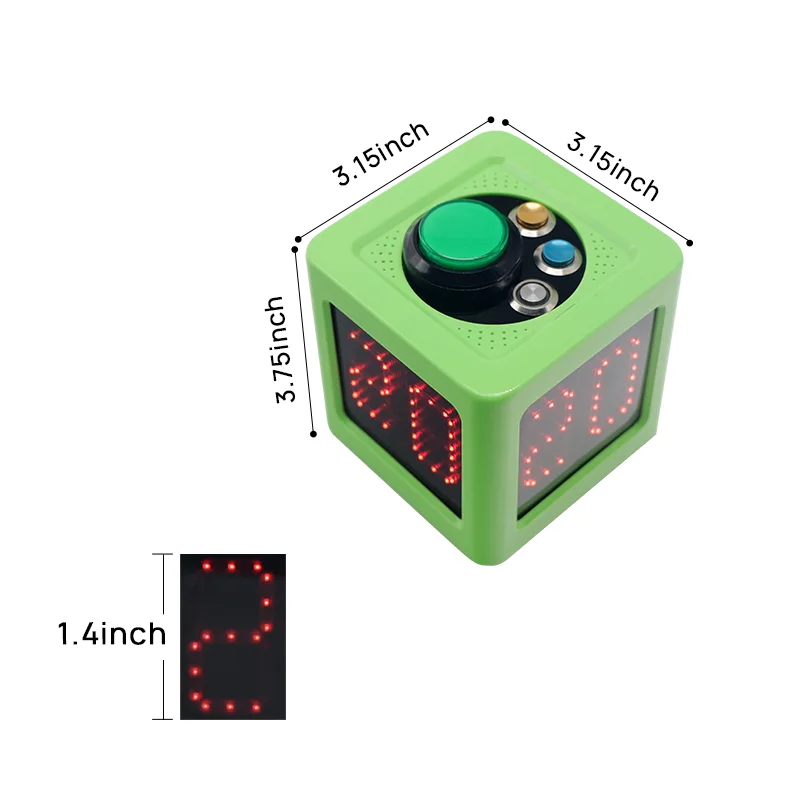
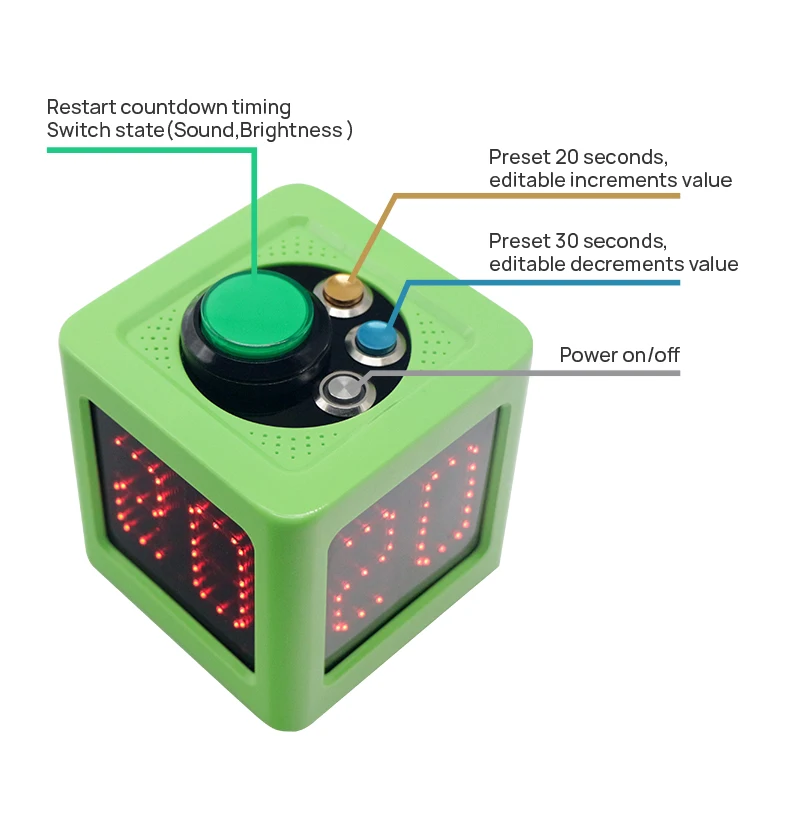
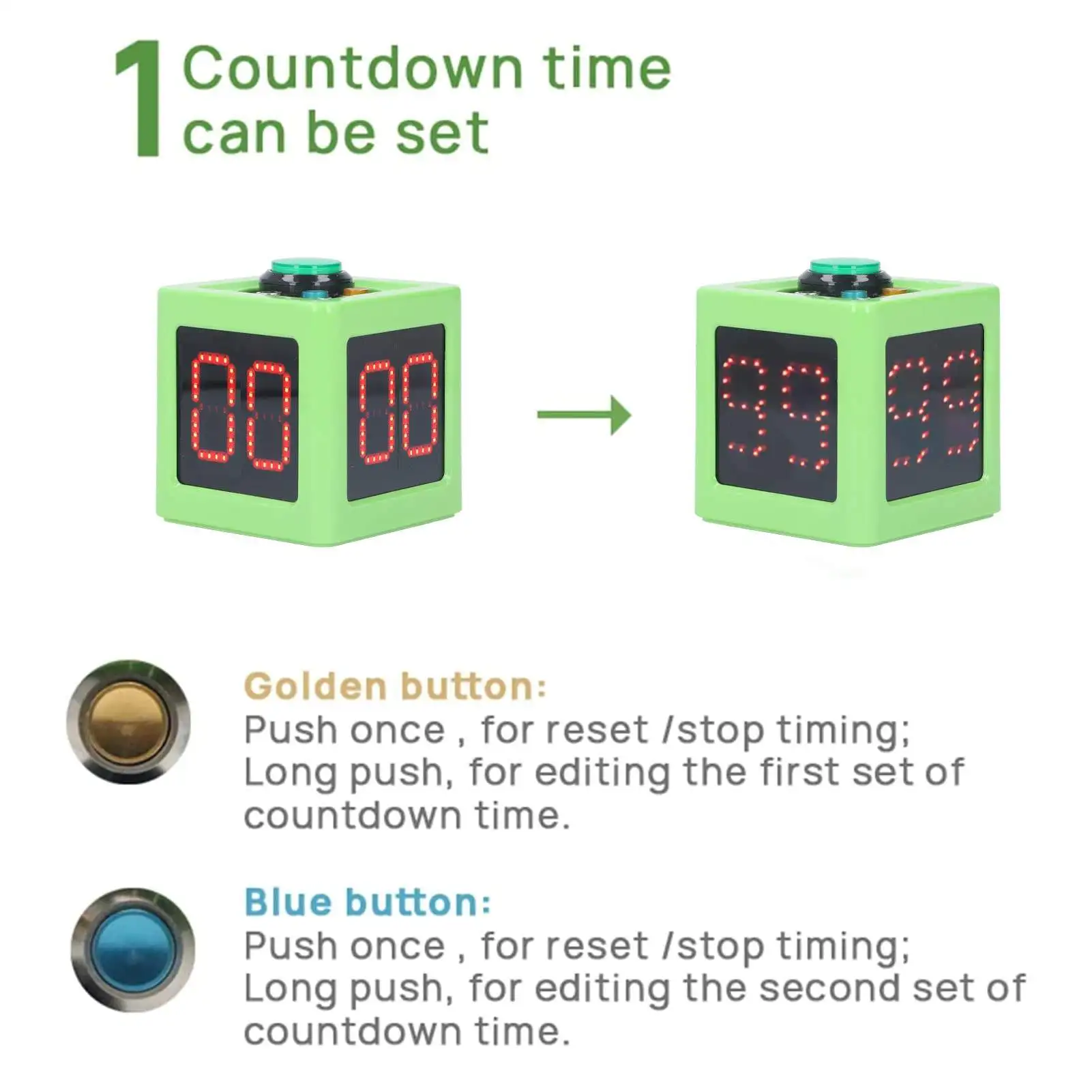
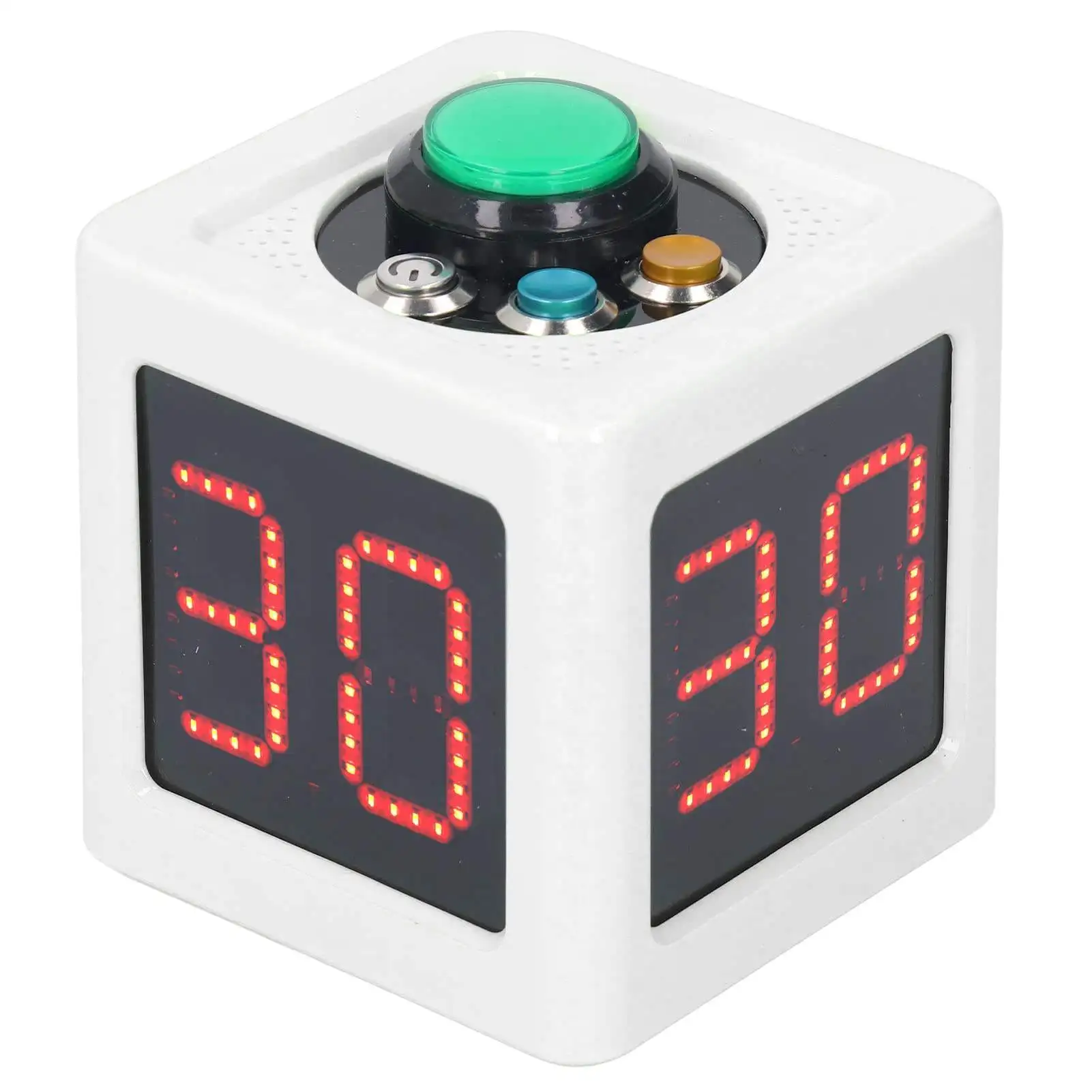
The Portable Mini Size AAA Battery Powered LED Poker Timer is a compact, foldable chess clock designed for versatility in gaming environments. With a sleek green casing and 4-face red LED display, it offers clear visibility and portability. Its silicone and plastic construction ensures durability, while customizable laser/silicone printing allows personalization for tournaments or casual play.
| Feature | Specification | Benefit |
|---|---|---|
| Material | Silicone and plastic | Durable, lightweight, and impact-resistant |
| Design | Foldable, cube-shaped (3.75" H x 3.15" W x 3.15" D) | Compact storage and space-saving portability |
| Display | 4-face red LED with "20:20" countdown | Highly visible from all angles |
| Power Source | AAA batteries (included) | Easy replacement and long-lasting use |
| Customization | Laser/silicone printing options | Branding or pattern customization |
Adjustable parameters include:
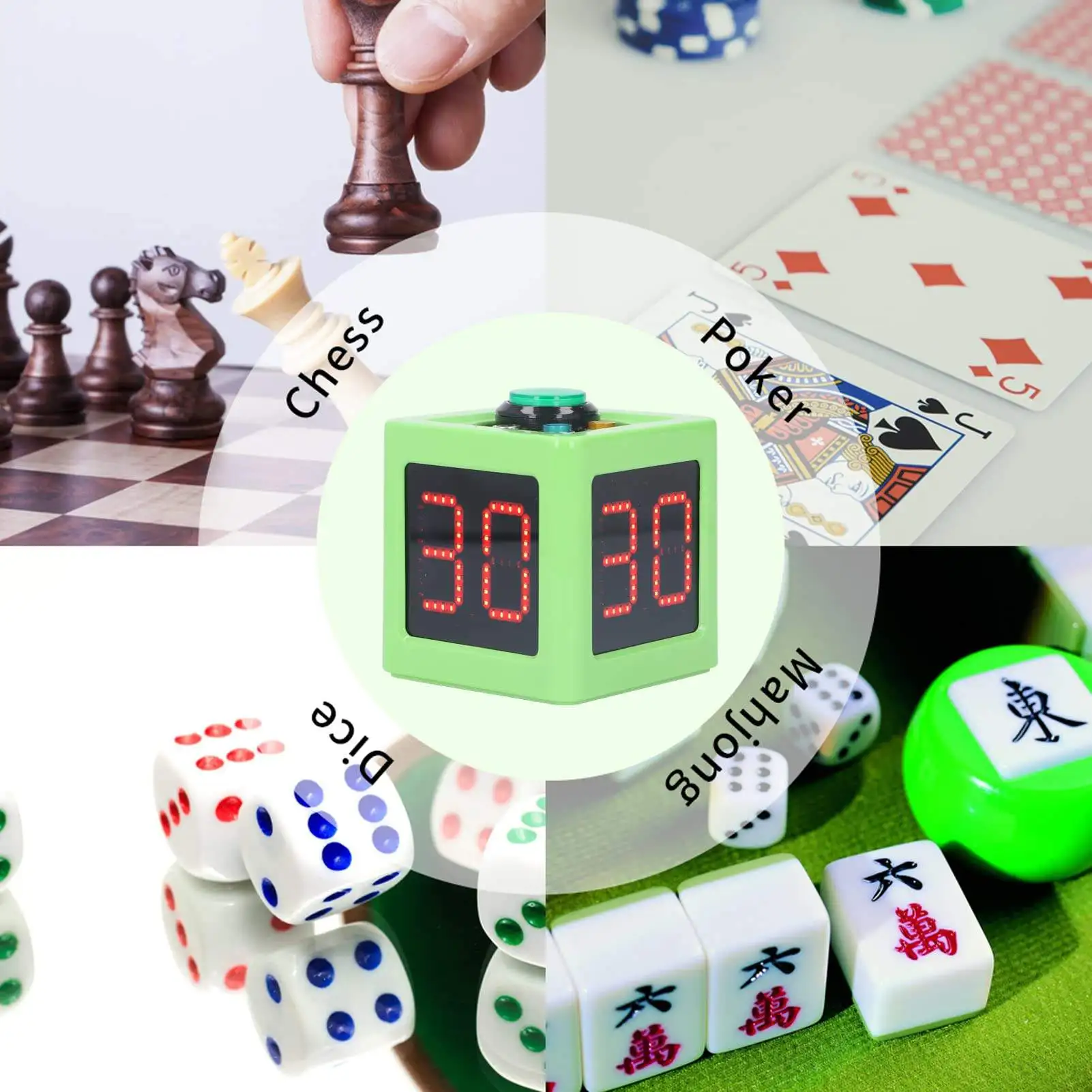
Ideal for poker tournaments, chess matches, or casual gaming, this timer combines functionality with style. Its foldable design and 4-face display ensure it fits seamlessly into tight spaces while remaining visible to all players.
| Parameter | Base Model | Advanced Model | Pro Model |
|---|---|---|---|
| Battery Life | 50 hours | +50% (75 hours) | +100% (100 hours) |
| Display Brightness | Standard | +20% | +40% |
| Customization | Laser printing | Laser + Silicone | Full-color printing |
| Timer Precision | ±1% accuracy | ±0.5% accuracy | ±0.1% accuracy |
Technical Breakthroughs:
Version Selection Guide:
With its foldable design, you can store the timer effortlessly. With customizable printing, you can brand it for tournaments. With 4-face LED visibility, you ensure all players see the countdown clearly.

The Product Description is generated by third-party, and Alibaba.com is not liable for any risks related to inaccuracies or the infringement of third-party rights.
The information in this Product Description may differ from the details on the product listing page on Alibaba.com. Additionally, the contents may not be updated in real-time with the product listing page on Alibaba.com, and there may be delays in reflecting the most updated information. The description on product listing page takes precedence. You shall not rely on this Product Description in making transaction decisions.
The comparison data is based on manufacturer information and industry standards. Actual results may vary depending on individual use cases. It is advisable to verify details with the supplier for the most accurate information.