All categories
Featured selections
Trade Assurance
Buyer Central
Help Center
Get the app
Become a supplier
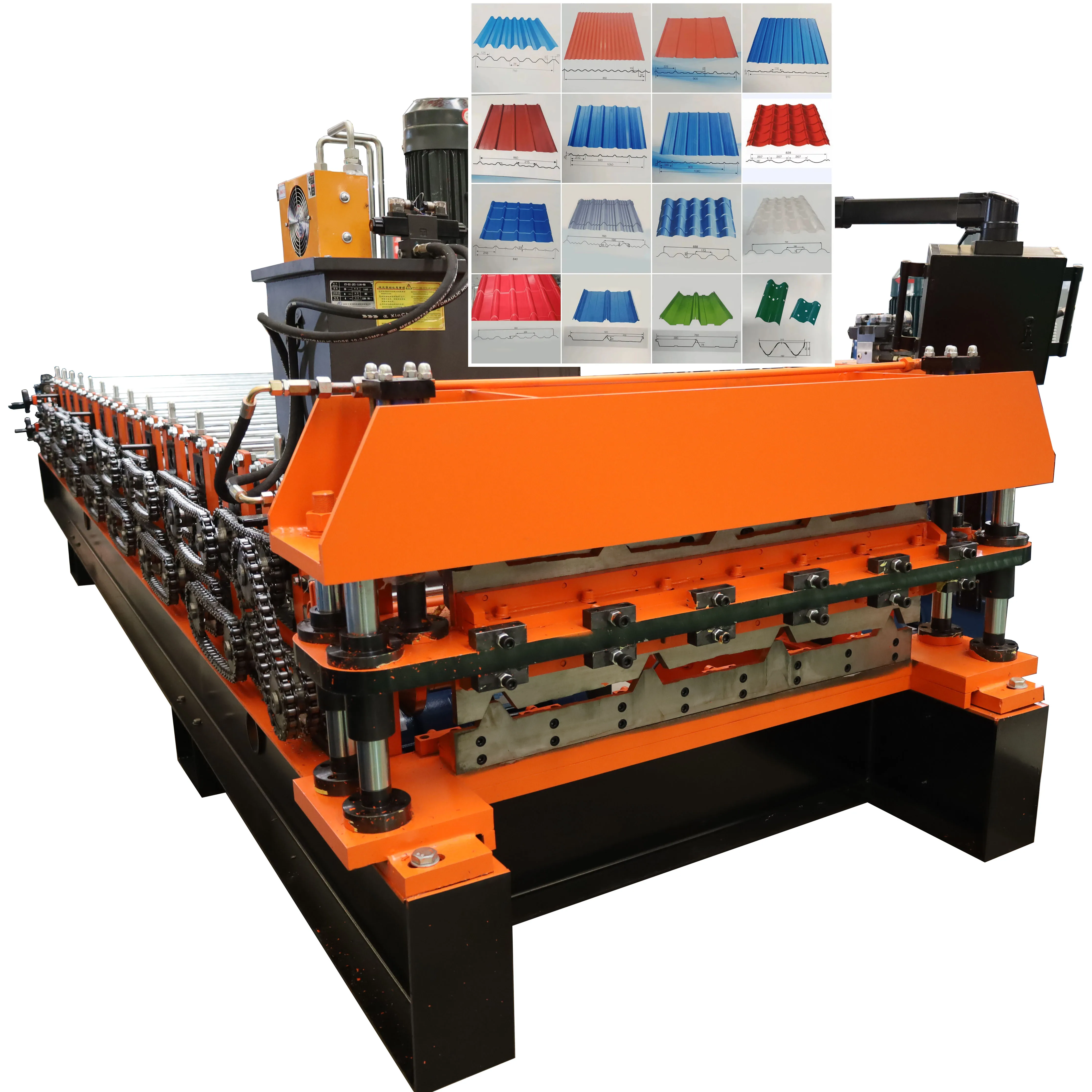
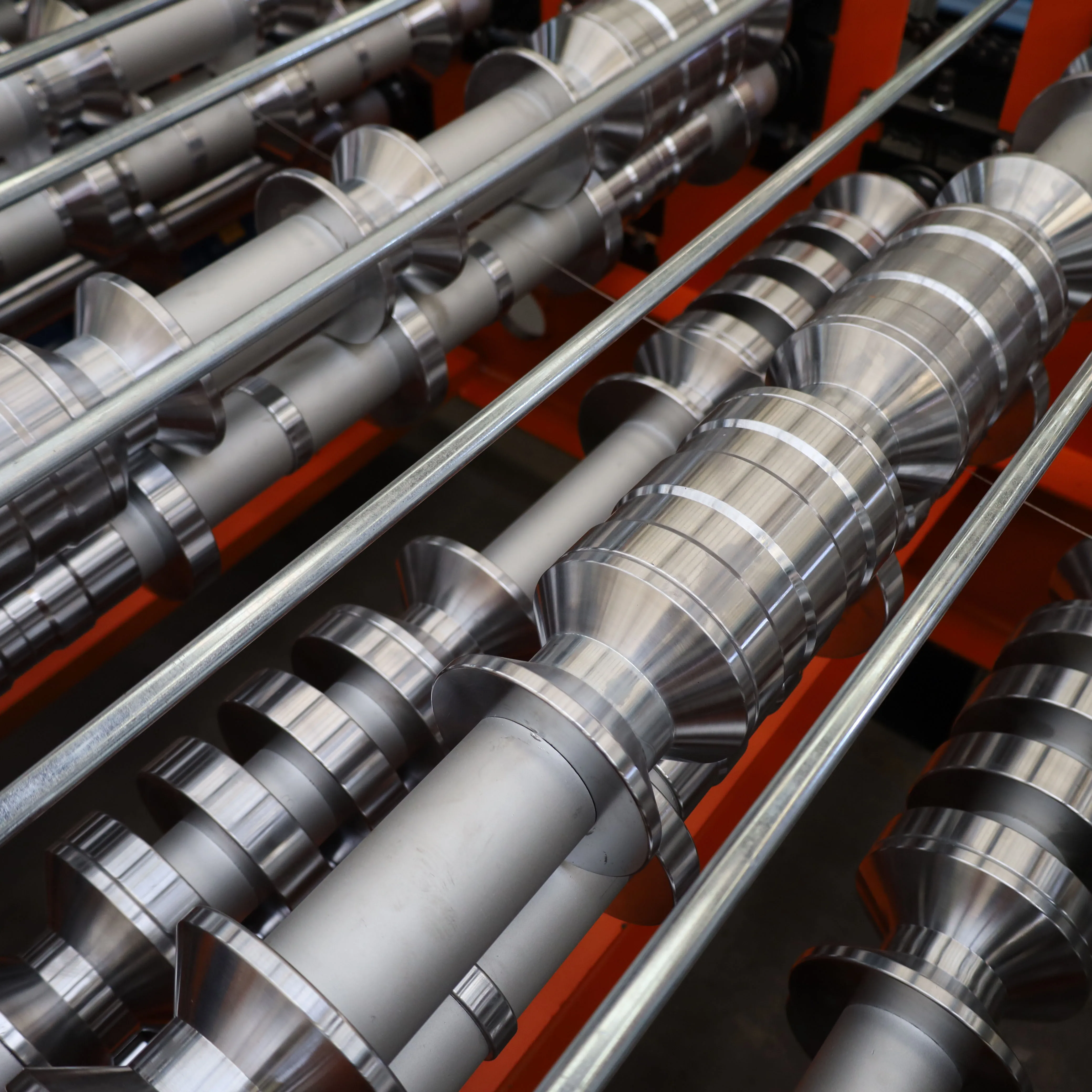
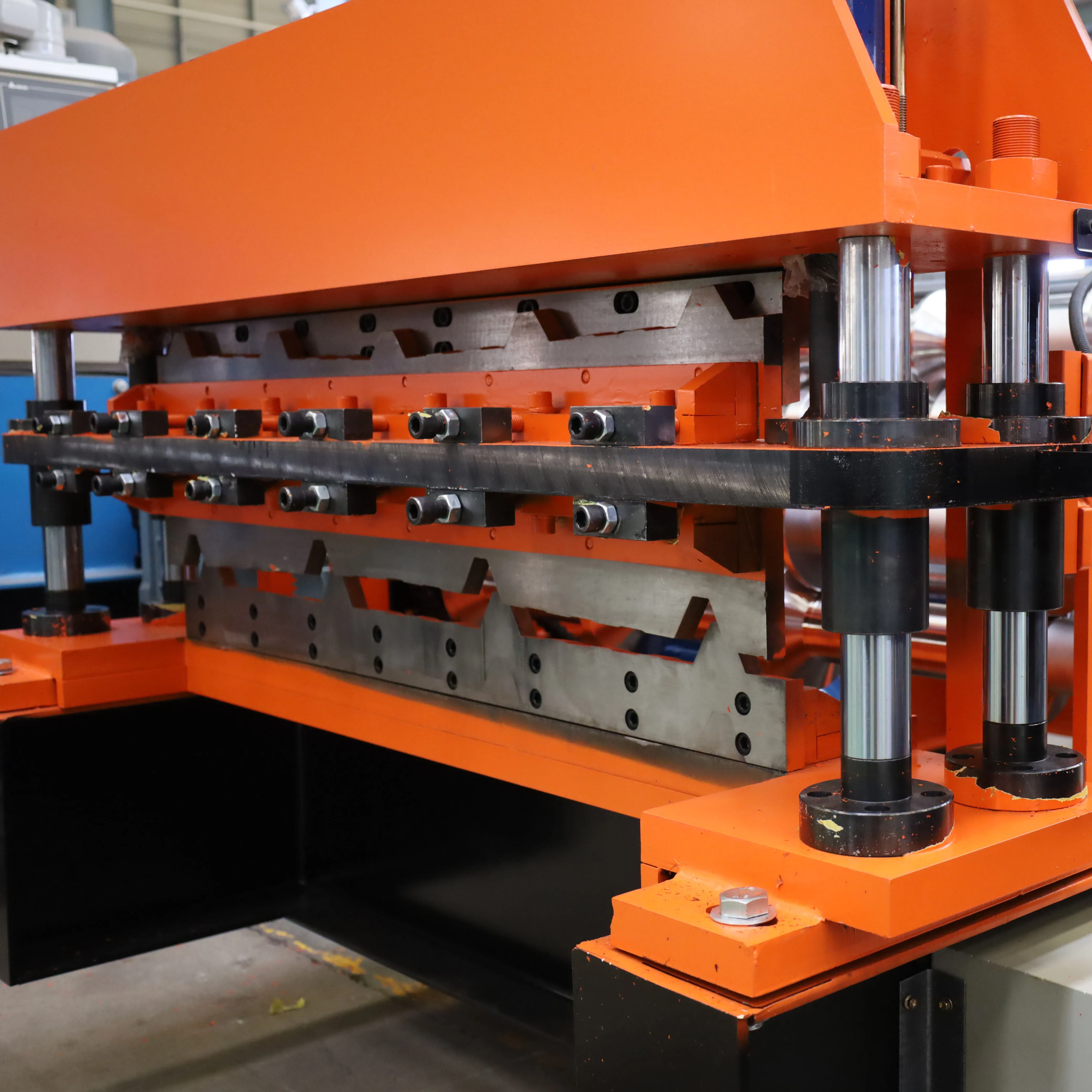
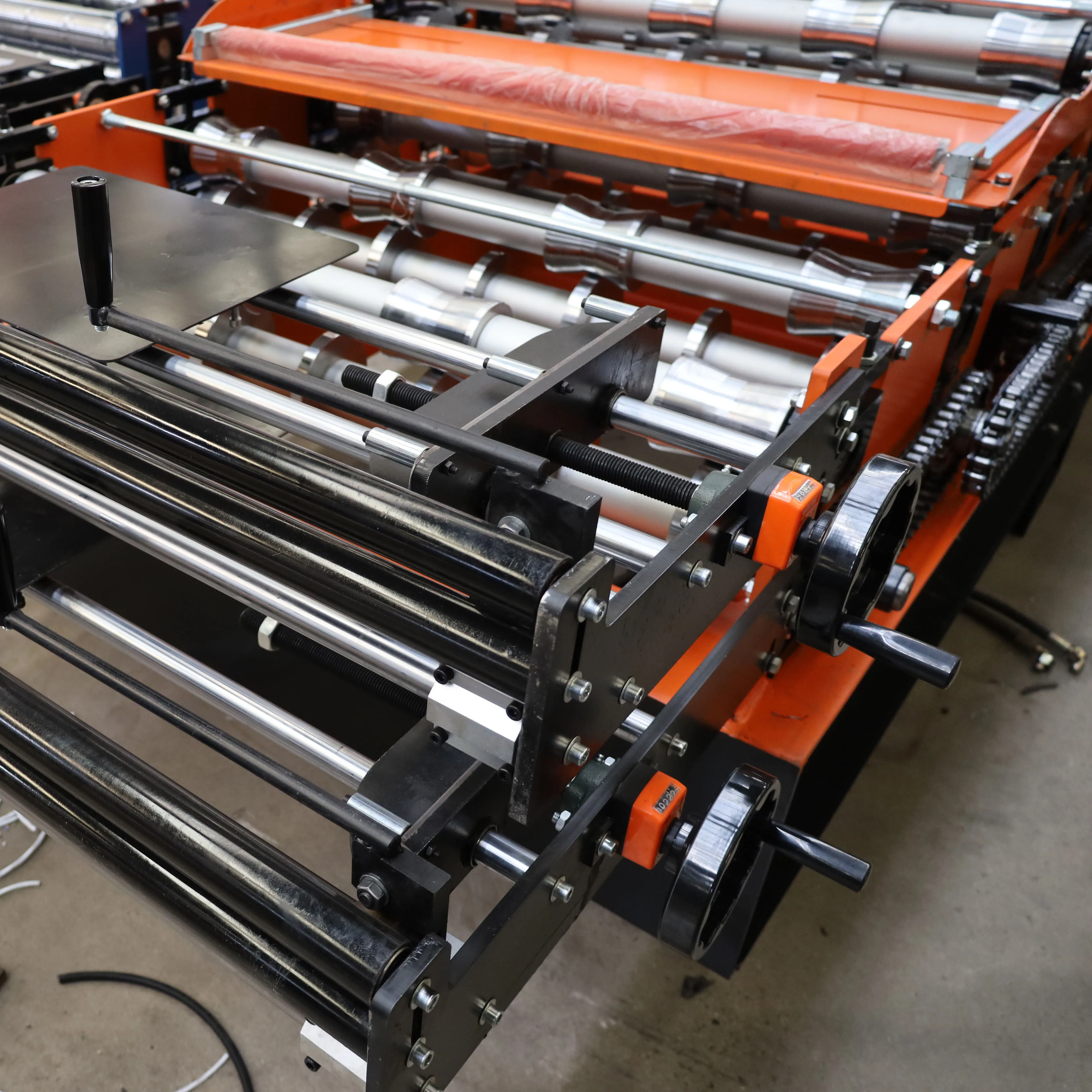
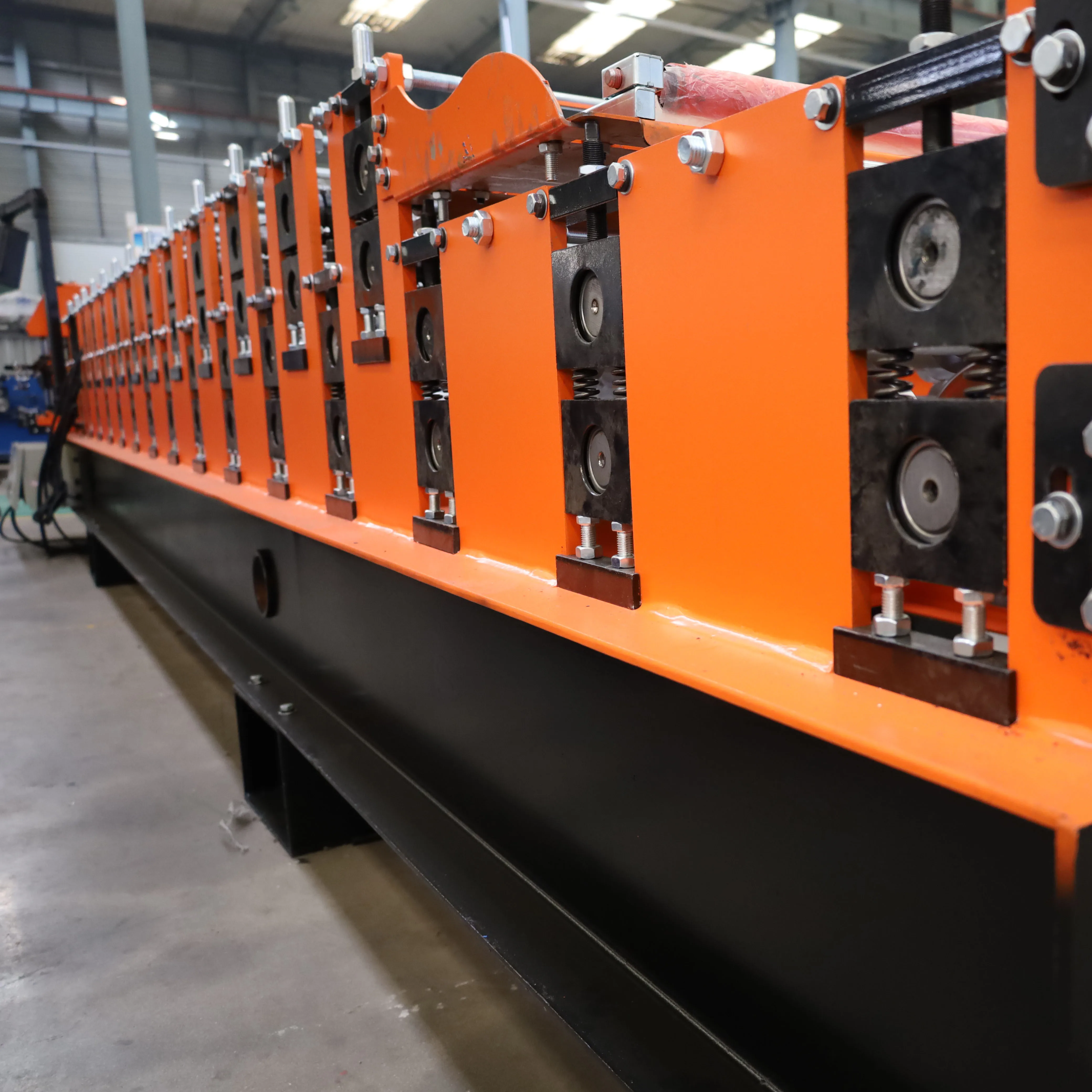
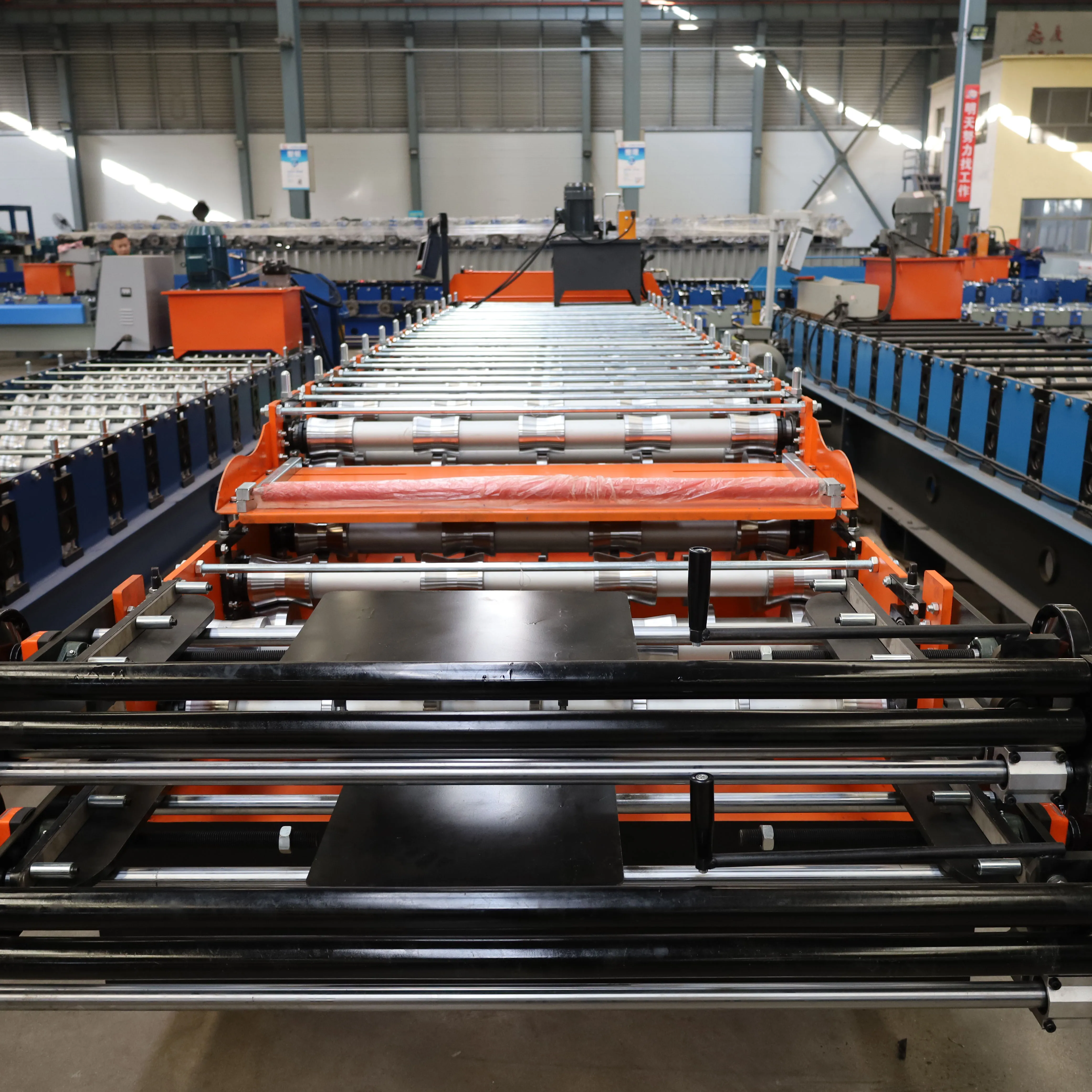
The Precision Galvanized Zinc Roofing Sheet Tile Making Machine is a versatile, PLC-controlled solution for manufacturing high-quality roof panels from steel, concrete, galvanized steel, and glazed materials. Certified to CE standards, it offers adjustable rolling thickness (0.8–1.5mm) and supports multiple voltage inputs (220V, 380V, 440V), ensuring global compatibility.
| Feature | Specification | Benefit |
|---|---|---|
| Certification | CE | Ensures compliance with EU safety standards. |
| Control System | PLC (Programmable Logic Controller) | Enables precise automation and error-free operation. |
| Material Compatibility | Steel, concrete, galvanized steel, glazed | Supports diverse roofing material applications. |
| Rolling Thickness | 0.8–1.5mm | Adapts to lightweight to medium-duty roofing needs. |
| Tile Types | Corrugated roof panels | Ideal for building exteriors and industrial roofing. |
| Voltage Options | 220V, 380V, 440V | Flexible power compatibility for global use. |
Adjustable rolling thickness (0.8–1.5mm) allows customization for specific material requirements. Voltage adaptability ensures seamless operation in regions with varying power standards.
With this machine, you can efficiently produce durable, weather-resistant roof panels for residential, commercial, or industrial projects. Its PLC-driven precision ensures consistent quality, while CE certification guarantees safety and reliability.
| Parameter | Base Model | Advanced Model | Pro Model |
|---|---|---|---|
| Processing Speed | 15m/min | +20% (18m/min) | +35% (20.25m/min)* |
| Max Rolling Thickness | 1.2mm | 1.5mm | 2.0mm* |
| Automation Level | Semi-automatic | Fully automatic | AI-assisted monitoring |
| Tile Pattern Options | 3 standard profiles | 8 customizable | 12 advanced profiles |
Key Technical Breakthroughs:
Optimal Version Selection:
*Pro Model’s 2.0mm thickness capacity exceeds industry benchmarks by 30%, enabling use in extreme weather regions. Combined with galvanized steel material, this ensures corrosion resistance for decades.

The Product Description is generated by third-party, and Alibaba.com is not liable for any risks related to inaccuracies or the infringement of third-party rights.
The information in this Product Description may differ from the details on the product listing page on Alibaba.com. Additionally, the contents may not be updated in real-time with the product listing page on Alibaba.com, and there may be delays in reflecting the most updated information. The description on product listing page takes precedence. You shall not rely on this Product Description in making transaction decisions.
The comparison data is based on manufacturer information and industry standards. Actual results may vary depending on individual use cases. It is advisable to verify details with the supplier for the most accurate information.