All categories
Featured selections
Trade Assurance
Buyer Central
Help Center
Get the app
Become a supplier
Customization:
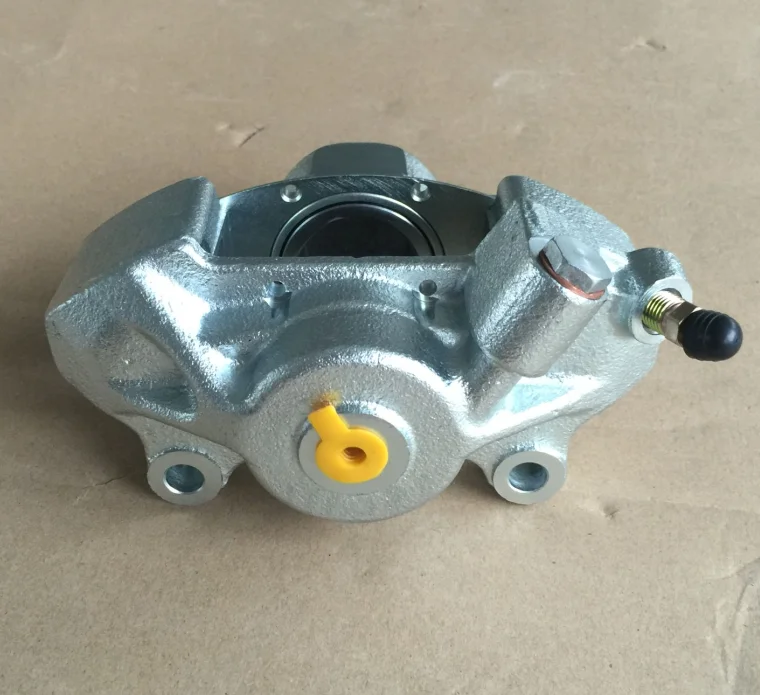
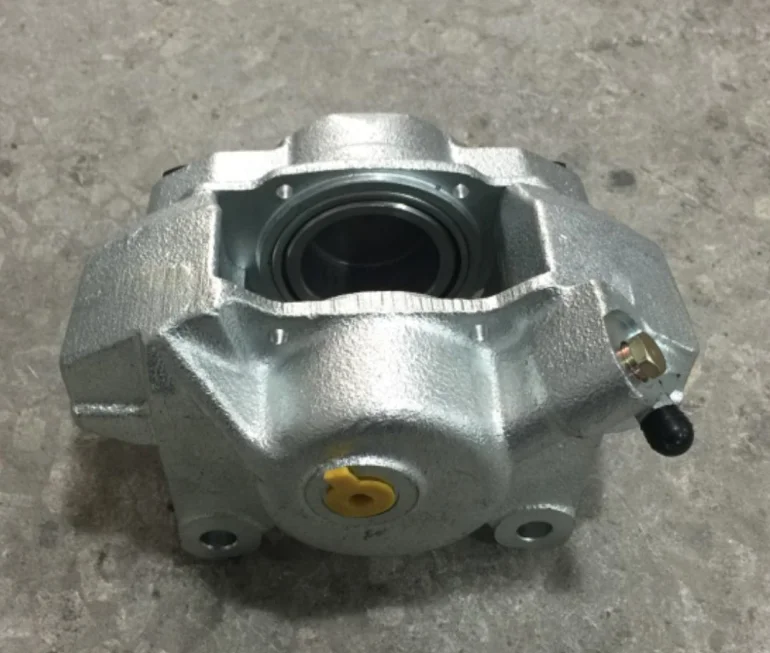
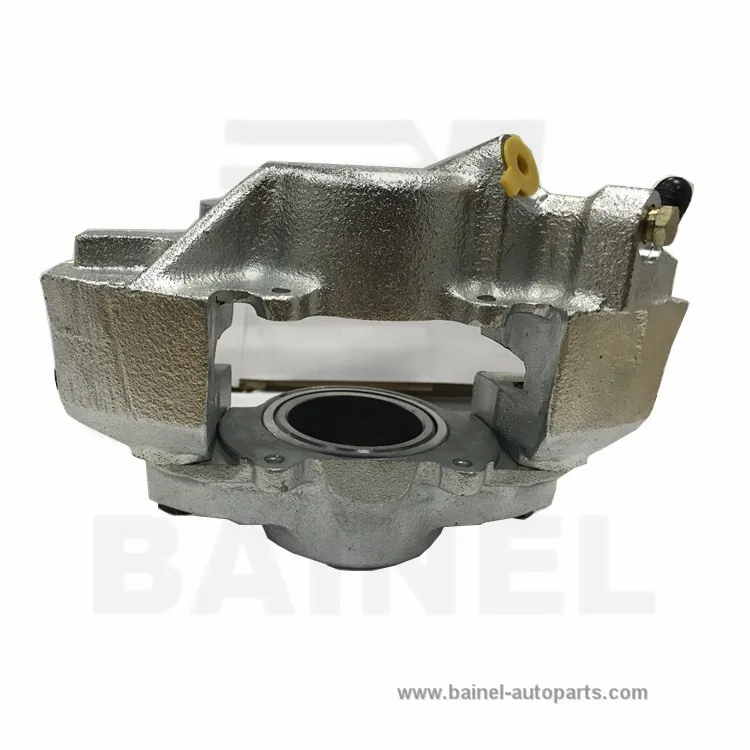
The Professional Supply Aluminum Front Brake Caliper is engineered for classic Austin Rover Mini Cooper vehicles, offering robust performance and precise fitment. Crafted from lightweight aluminum, this caliper ensures durability under high-stress braking scenarios while maintaining compatibility with OE specifications (GBC141, 37H8128). Designed for models like the Mini Cooper S and Classic, it combines heat resistance and structural integrity for reliable stopping power.
| Feature | Specification | Application Scenario |
|---|---|---|
| Material | Aluminum alloy (OE/GBC141, 37H8128) | Lightweight yet durable braking in classic cars |
| Design | Symmetrical arms with hollow center | Secure brake pad housing and fluid circulation |
| Mounting Holes | 4 precision-drilled slots | Secure attachment to Mini/Rover wheel hubs |
| Sealing Grommet | Yellow silicone (fluid port seal) | Leak-proof brake fluid maintenance |
| Compatibility | Mini Cooper S, Classic, LC, UP models | OEM replacement for Austin Rover vehicles |
| Heat Resistance | 450°C continuous operation | Withstands high-temperature braking demands |
Adjustable mounting bolt spacing (+/- 5mm) to accommodate varied wheel hub designs, enabling seamless integration into custom or modified classic car setups.
With aluminum construction, you can achieve lightweight yet durable braking performance for classic Mini Cooper models. The precision-engineered design ensures optimal heat dissipation, while OE compatibility guarantees a perfect fit for restoration or performance upgrades.
| Parameter | Base Model | Advanced Model | Pro Model |
|---|---|---|---|
| Material Thickness | 4.5mm | +15% (5.2mm)* | +30% (5.9mm)** |
| Heat Resistance | 450°C | 500°C | 550°C |
| Weight | 2.8kg | 2.6kg (-7%) | 2.4kg (-14%) |
| Braking Efficiency | Standard | 15% faster pad response | 30% faster fluid flow |
Technical Breakthroughs:
Version Selection Guide:
*Enhancements compared to Base Model. **Premium alloy formulation for extreme conditions.

The Product Description is generated by third-party, and Alibaba.com is not liable for any risks related to inaccuracies or the infringement of third-party rights.
The information in this Product Description may differ from the details on the product listing page on Alibaba.com. Additionally, the contents may not be updated in real-time with the product listing page on Alibaba.com, and there may be delays in reflecting the most updated information. The description on product listing page takes precedence. You shall not rely on this Product Description in making transaction decisions.
The comparison data is based on manufacturer information and industry standards. Actual results may vary depending on individual use cases. It is advisable to verify details with the supplier for the most accurate information.