All categories
Featured selections
Trade Assurance
Buyer Central
Help Center
Get the app
Become a supplier
Customization:
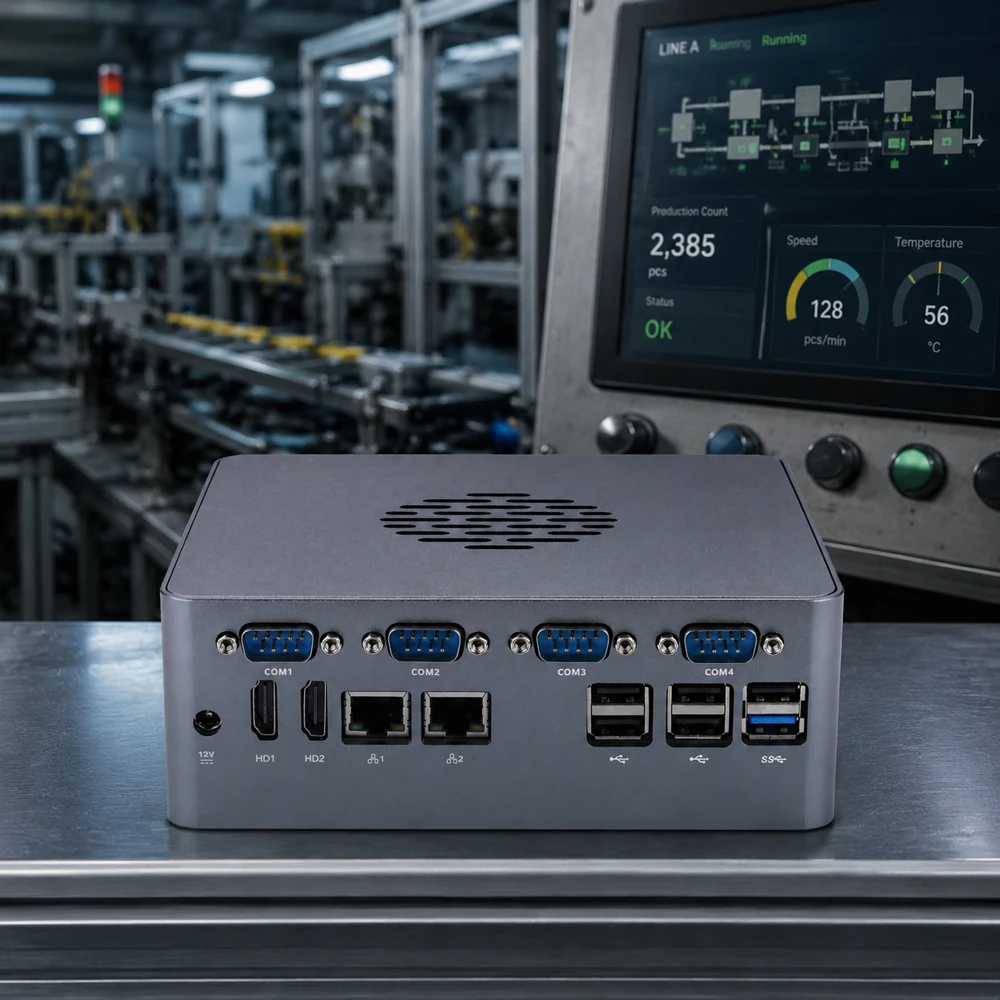
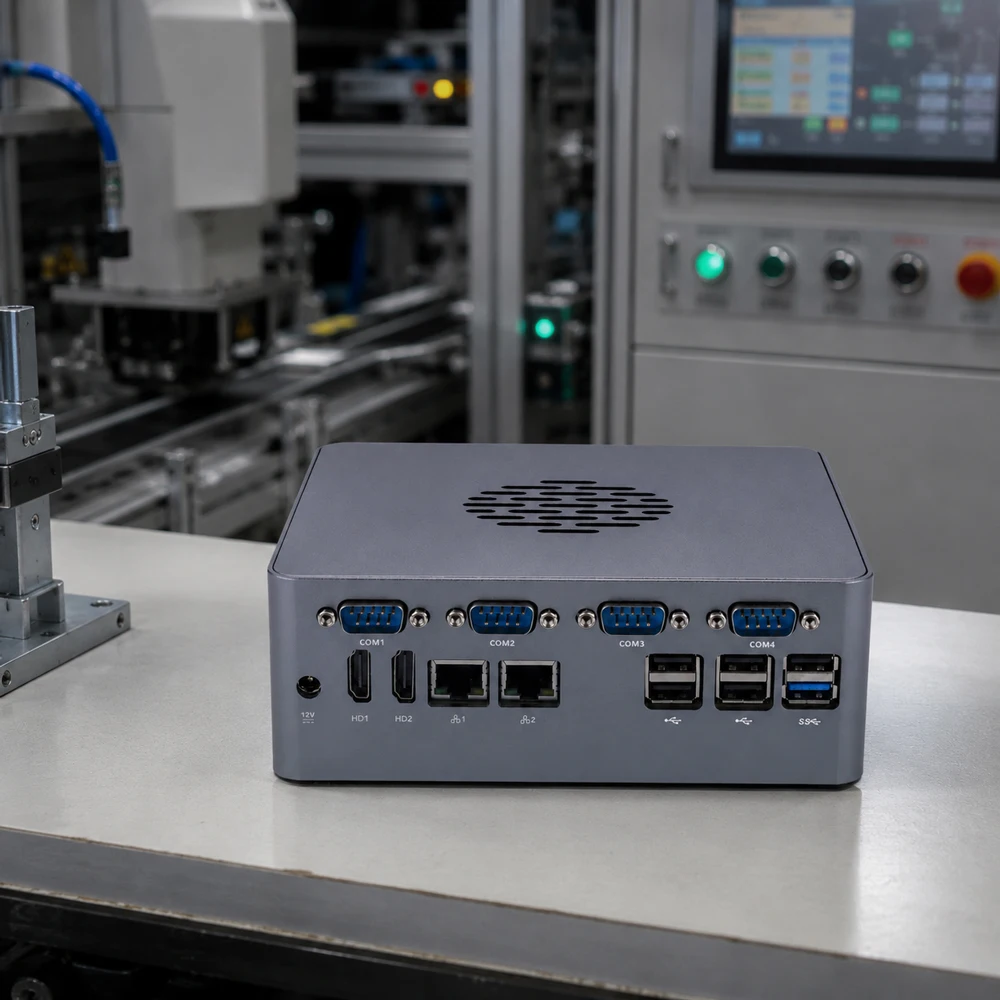
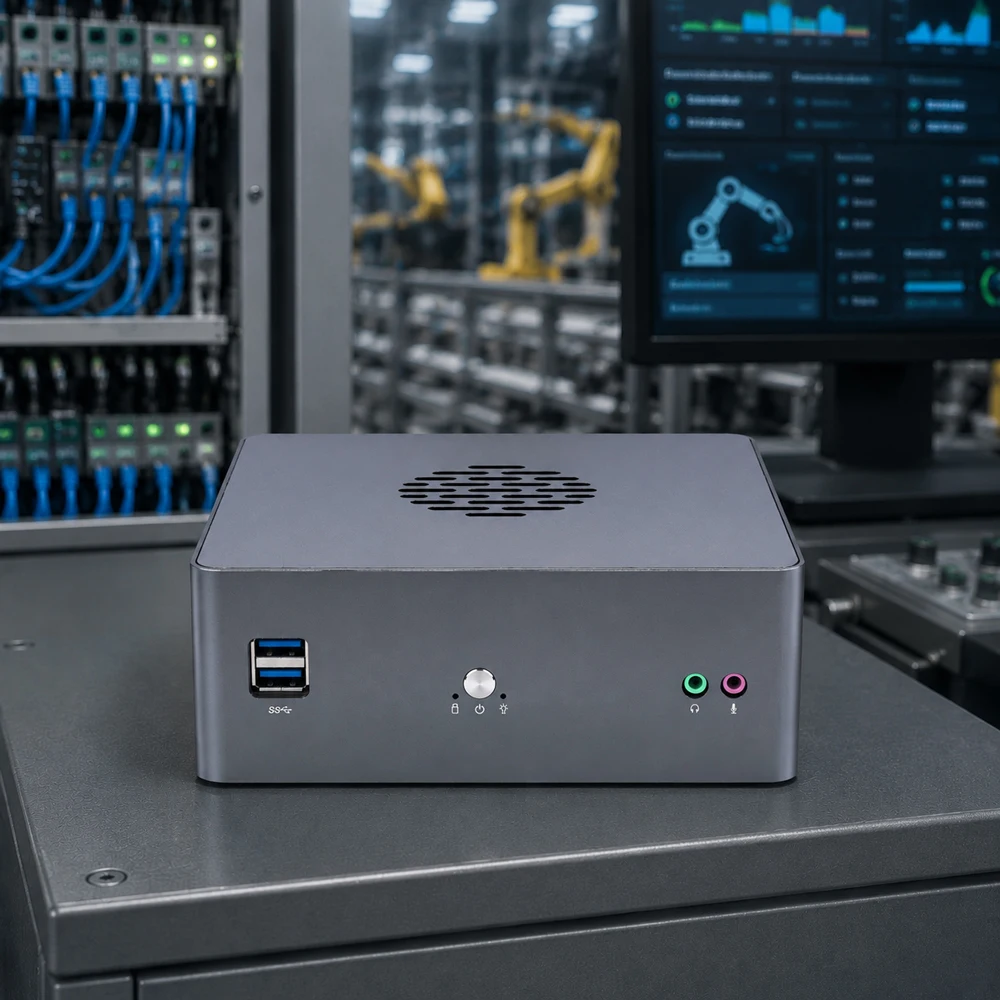
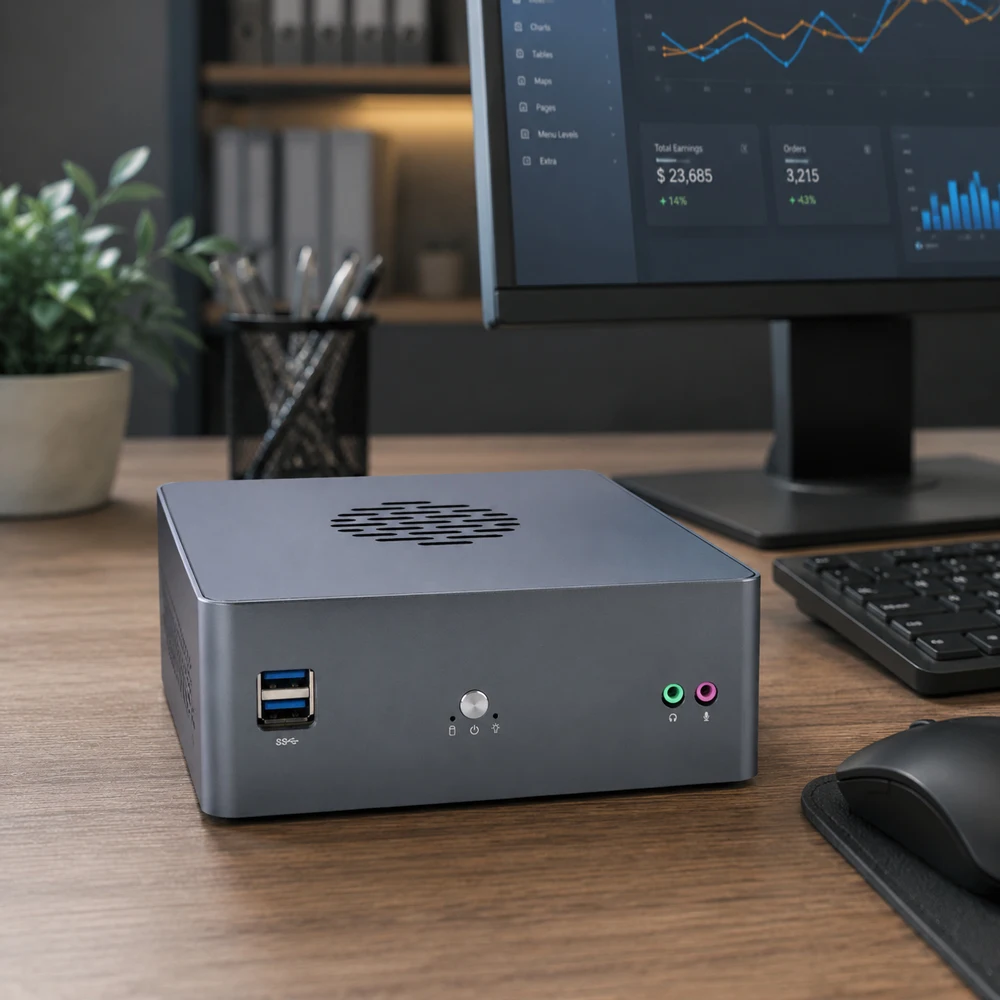
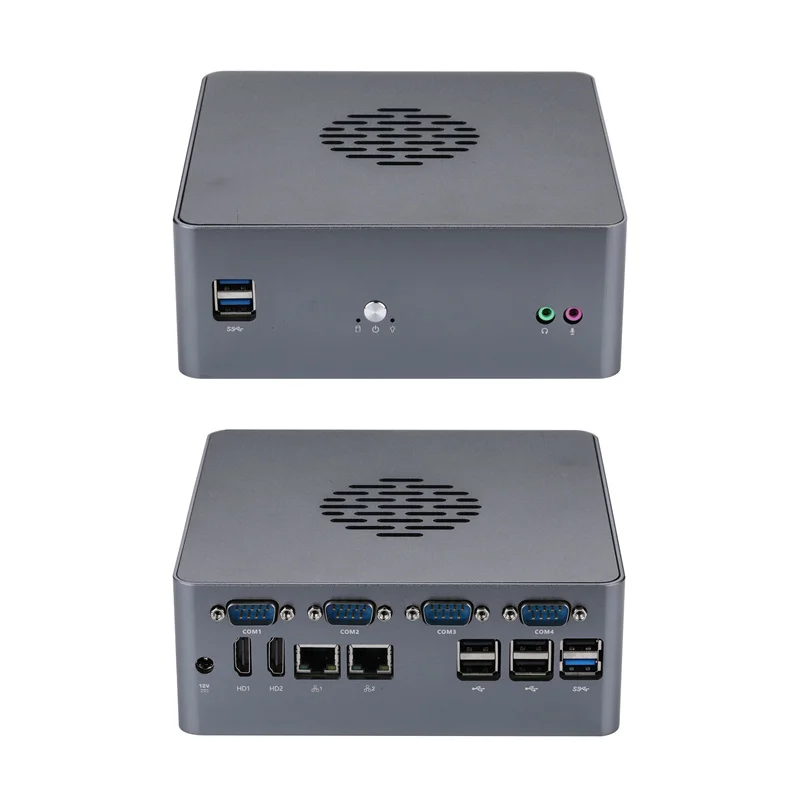
The Q600P Mini PC combines industrial-grade durability with versatile connectivity, offering scalable performance for embedded systems, office setups, and industrial automation. Built with a dark metallic chassis for heat dissipation and compact design, it supports up to 32GB DDR4 RAM, 1TB SSD storage, and integrated graphics, ensuring reliability in demanding environments.
| Feature | Specification | Application Scenario |
|---|---|---|
| Material | Dark metallic (aluminum/steel) | Industrial environments requiring ruggedness |
| Ports & Connectors | USB 3.0, HDMI, DVI, Ethernet, RS-232 | Multi-device connectivity in automation setups |
| Processor Options | Core i3/i5/i7, dual-core, Celeron | Performance scaling for office to industrial workloads |
| Storage Capacity | Up to 1TB SSD | Data-intensive applications like IoT gateways |
| Certification | EMC-compliant | Compliance for industrial electromagnetic interference standards |
| RAM | Up to 32GB DDR4 | High multitasking in CAD/3D rendering workflows |
| Video Memory | 4GB–16GB integrated | Light graphics tasks (e.g., HMI interfaces) |
| Warranty | 1 year | Peace of mind for mission-critical deployments |
Adjustable processor (Core i3/i5/i7), storage (128GB–1TB SSD/HDD), and RAM configurations to meet performance and capacity needs of specific industrial applications.
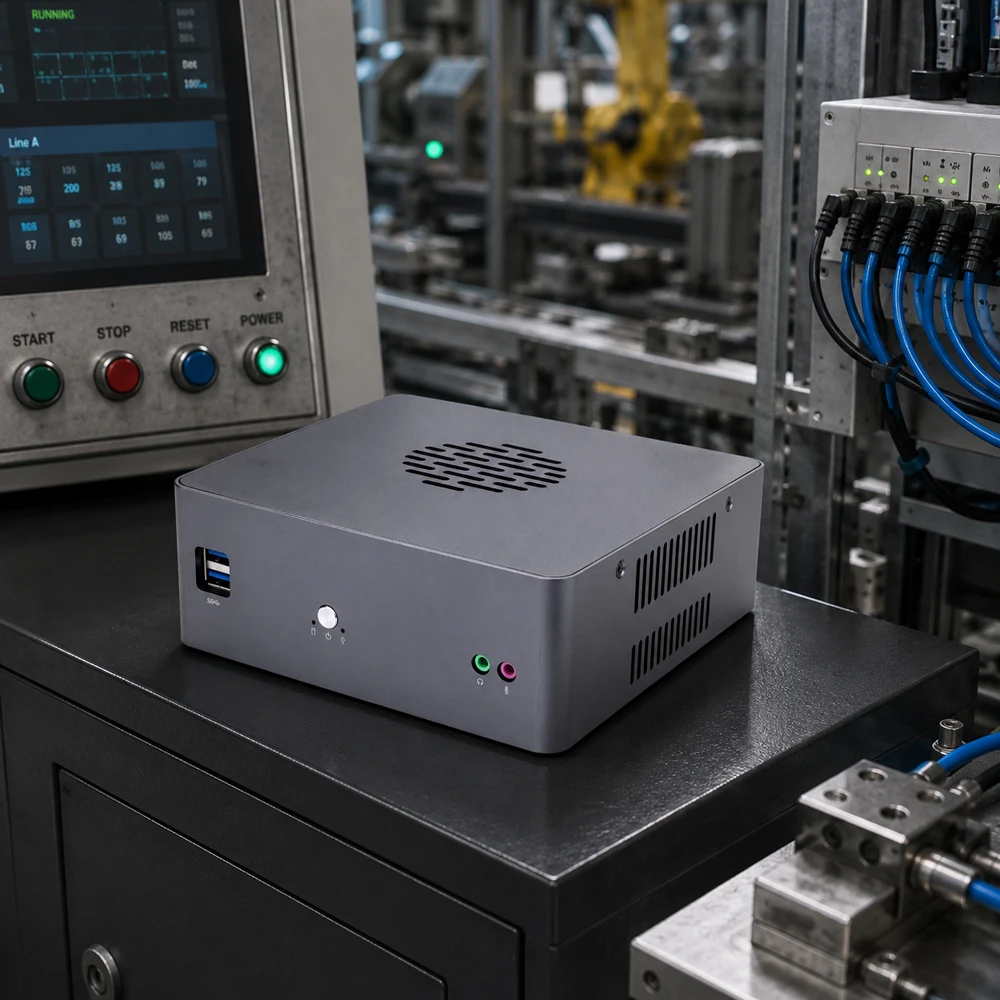
With its compact form factor and industrial-grade materials, the Q600P is ideal for factory automation, kiosk systems, or smart office hubs. Its modular ports and expandable storage let you tailor it to edge computing, surveillance, or multimedia deployments.
| Parameter | Base Model | Advanced Model | Pro Model |
|---|---|---|---|
| Processor | Intel Celeron | Intel Core i5 | Intel Core i7 |
| Storage | 128GB SSD | 512GB SSD | 1TB SSD |
| Video Memory | 4GB integrated | 8GB integrated | 16GB integrated |
| Ports | 2x USB, 1x HDMI | 4x USB, HDMI/DVI | 6x USB, HDMI/DVI/DisplayPort |
| Connectivity | Ethernet, RS-232 | Dual Ethernet | Dual Ethernet + Wi-Fi 6 |
Technical Breakthroughs:
Version Selection Guide:

The Product Description is generated by third-party, and Alibaba.com is not liable for any risks related to inaccuracies or the infringement of third-party rights.
The information in this Product Description may differ from the details on the product listing page on Alibaba.com. Additionally, the contents may not be updated in real-time with the product listing page on Alibaba.com, and there may be delays in reflecting the most updated information. The description on product listing page takes precedence. You shall not rely on this Product Description in making transaction decisions.
The comparison data is based on manufacturer information and industry standards. Actual results may vary depending on individual use cases. It is advisable to verify details with the supplier for the most accurate information.