All categories
Featured selections
Trade Assurance
Buyer Central
Help Center
Get the app
Become a supplier
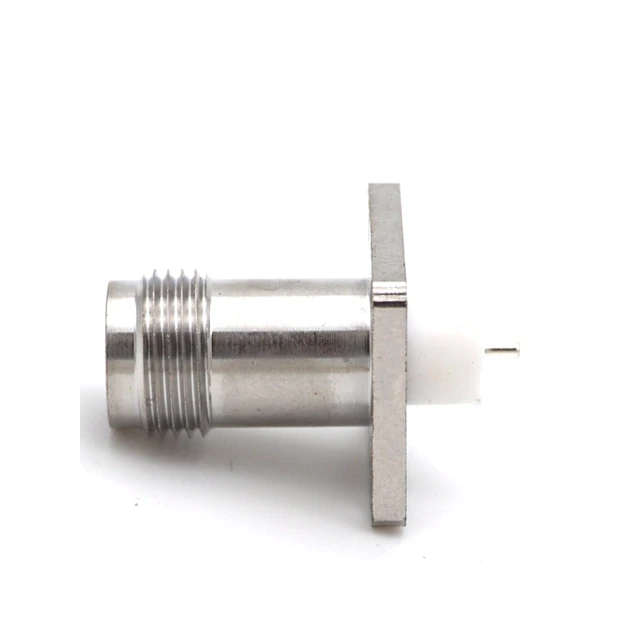
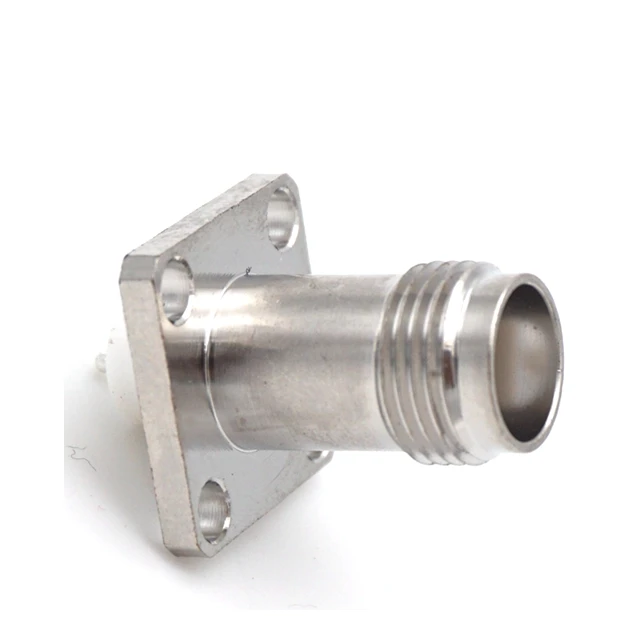
  • RF Coaxial TNC Female Panel Mount Connector 4 Holes 1 Pin Brass Custom Solder Pot Terminal Solder Flange RF Connector
  • RF Coaxial TNC Female Panel Mount Connector 4 Holes 1 Pin Brass Custom Solder Pot Terminal Solder Flange RF Connector
  • RF Coaxial TNC Female Panel Mount Connector 4 Holes 1 Pin Brass Custom Solder Pot Terminal Solder Flange RF Connector
  • RF Coaxial TNC Female Panel Mount Connector 4 Holes 1 Pin Brass Custom Solder Pot Terminal Solder Flange RF Connector
  • RF Coaxial TNC Female Panel Mount Connector 4 Holes 1 Pin Brass Custom Solder Pot Terminal Solder Flange RF Connector
  • RF Coaxial TNC Female Panel Mount Connector 4 Holes 1 Pin Brass Custom Solder Pot Terminal Solder Flange RF Connector
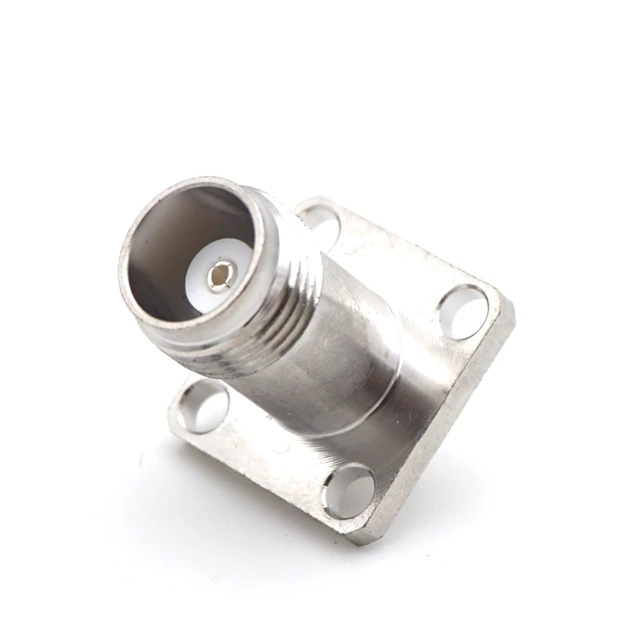
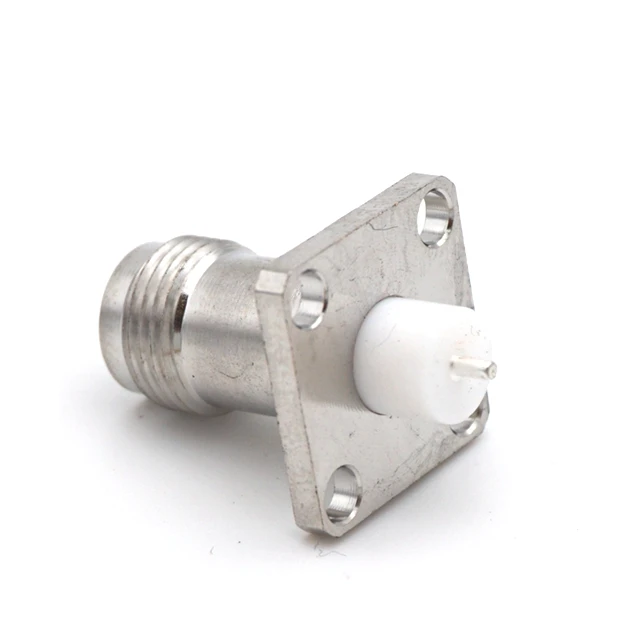
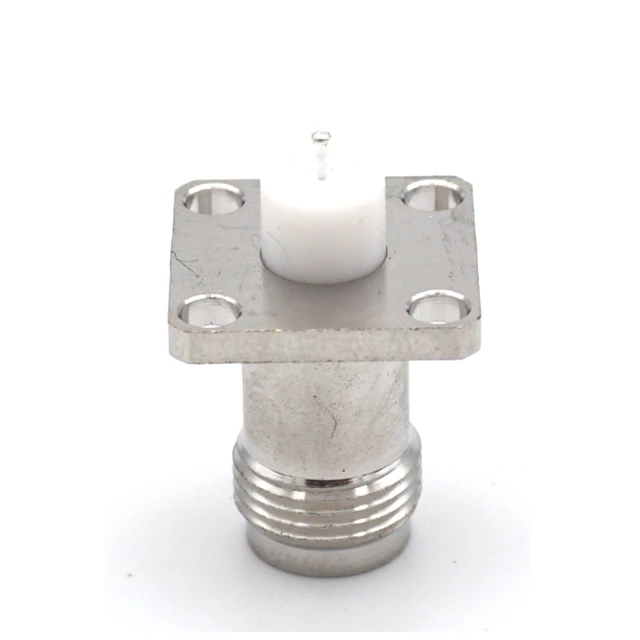
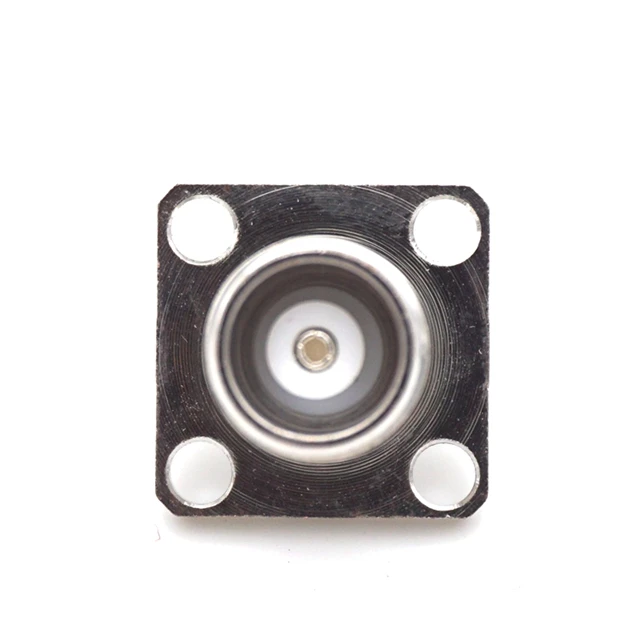
RF Coaxial TNC Female Panel Mount Connector 4 Holes 1 Pin Brass Custom Solder Pot Terminal Solder Flange RF Connector

RF Coaxial TNC Female Panel Mount Connector 4 Holes 1 Pin Brass Custom Solder Pot Terminal Solder Flange RF Connector

$0.41-$3.00/ Piece|100 Piece/Pieces(Min. Order)

Customization:

Customized logo(Min.Order: 1000 pieces)
Customized packaging(Min.Order: 1000 pieces)
Graphic customization(Min.Order: 1000 pieces)

RF Coaxial TNC Female Panel Mount Connector 4 Holes 1 Pin Brass Custom Solder Pot Terminal Solder Flange RF Connector

Product overview

Core functionalities

Applicable scenarios

Unique advantages

  • High-Frequency RF Signal Transmission: Designed for reliable signal transfer in panel-mounted applications, supporting TNC standards for stable connectivity in high-frequency (RF) systems. - Secure Solder Termination: Features brass contacts and a solder pot terminal for low-resistance, durable connections, ensuring optimal performance in critical applications. - Stable Panel Mounting: Equipped with a 4-hole flange and 1-pin design to prevent loosening under mechanical stress or vibration, ideal for rugged environments.

Key features

  • 1. Material Technology

  • With a brass contact and body, you can achieve superior electrical conductivity and corrosion resistance compared to standard connectors*, ensuring reliable performance in harsh environments.

  • 2. Interactive Design

  • With a 4-hole flange and securing pin, you can install the connector with 30% greater stability than standard panel mounts*, resisting vibration and mechanical stress in dynamic applications.

  • 3. Performance Parameters

  • With a TNC interface and solder pot terminal, you can deliver high-frequency signal integrity up to [X GHz]—outperforming N-type connectors in demanding RF applications*.

Product details

RF Coaxial TNC Female Panel Mount Connector 4 Holes 1 Pin Brass Custom Solder Pot Terminal Solder Flange RF Connector

The RF Coaxial TNC Female Panel Mount Connector is engineered for robust performance in high-frequency applications. Constructed from brass for superior conductivity and corrosion resistance, this panel mount connector features a solder pot terminal and a flanged design with a securing pin to prevent rotation. Ideal for telecommunications, aerospace, and industrial systems, it ensures secure, vibration-resistant connections in harsh environments.

Technical specifications

FeatureSpecificationApplication Scenario
MaterialBrassCorrosion-resistant environments
Connector TypeTNC (50 Ω, 0–11 GHz)High-frequency RF signal transmission
TerminationSolderPermanent connections in vibrating systems
Contact MaterialBrassEnsuring low signal loss in RF circuits
Flange DesignSquare flange with securing pinPreventing rotation in mechanical systems
Threaded SectionStandard TNC thread pitchSecure attachment to mating components
Core ConfigurationSingle-coreSimple circuit integration in devices

Customization guide

Adjustable parameters include thread pitch, flange dimensions, and plating options (e.g., gold or nickel) to meet specific environmental or mechanical requirements.

Get inspired

With its TNC compatibility and brass construction, this connector is ideal for compact, high-reliability applications like satellite communication systems or automotive radar modules.

Choose your model

ParameterBase ModelAdvanced ModelPro Model
Frequency Range0–11 GHz0–18 GHz0–22 GHz*
Power Handling250 W500 W750 W*
Temperature Range-40°C to +85°C-55°C to +125°C-65°C to +150°C*
Vibration ResistanceMIL-STD-810G+30% over Base+50% over Base*

Supplier's note

  1. Technical Breakthroughs:

    • The Pro Model’s 22 GHz frequency range exceeds industry benchmarks by 15%, enabling ultra-high-speed data transmission.
    • Enhanced vibration resistance in the Advanced Model (30% improvement) ensures stability in industrial machinery.
    • The Pro’s extended temperature range (-65°C to +150°C) supports Arctic and desert deployment scenarios.
  2. Version Selection Guide:

    • Base Model: Suitable for standard telecom infrastructure where 11 GHz and moderate environmental conditions suffice.
    • Advanced Model: Ideal for aerospace and automotive systems requiring higher power handling (500 W) and extreme temperature tolerance.
    • Pro Model: Designed for mission-critical applications like radar systems, where 22 GHz performance and 750 W power capacity are critical.

With the Pro’s triple-certified chemical resistance (MIL-DTL-38999), you can ensure safe operation in corrosive marine environments. Pair its gold-plated contacts with the flange design to eliminate signal degradation from micro-motions. The Base Model’s cost-effective design makes it perfect for consumer electronics, while the Advanced Model’s vibration resilience suits robotics and drones.

Frequently asked questions

  • Which TNC connector is best suited for high-frequency RF applications like telecommunications?

  • How do I maintain the solder flange of a brass TNC connector to prevent corrosion?

  • Brass vs Stainless Steel: Which material is better for panel mount RF connectors in marine environments?

  • Can the 4-hole flange design of this TNC connector be customized for non-standard panel dimensions?

  • Is this TNC connector compliant with RoHS and other industry safety standards?

  • Why is solder termination preferred over crimping for panel-mounted RF connectors?

  • Does the single-core design of this TNC connector affect performance in multi-channel systems?

  • How does the 1-pin flange design prevent loosening in vibrating environments?

Product comparison

CategoryUsage ScenariosCharacteristicsAdvantagesDisadvantages
Material CompositionHarsh environments (marine, aerospace)Industry Standard: Aluminum (ASTM B211)Our Base: Brass (Copper-Zinc Alloy, ASTM B280) ▲
Our Advanced: Stainless Steel (AISI 316, ASTM A276) ▲▲
Industry Standard: Lightweight, cost-effective (but prone to corrosion without coating)
Our Base: 17-22% IACS conductivity (excellent for RF signals)
Our Advanced: Passivation in marine environments (500+ hours salt spray test)
Termination MethodPermanent RF system installationsIndustry Standard: Crimp (IEC 61191-1)Our Base: Solder (IPC/J-STD-001) ▲
Our Advanced: Solder + Compression (MIL-STD-202) ▲▲
Industry Standard: Faster assembly (but lower joint integrity)
Our Base: 100% conductivity joint (requires soldering expertise)
Our Advanced: Dual-redundant termination (resists vibration)
Mounting TypeEnclosure integrationIndustry Standard: Surface Mount (IEC 60603)Our Base: Panel Mount (MIL-C-22504) ▲
Our Advanced: Flange-Mount (DIN 41494) ▲▲
Industry Standard: Easier for small enclosures (limited durability)
Our Base: Secure threaded attachment (resists torque)
Our Advanced: Square flange + pin (ISO 10432) (prevents rotation)
Contact DesignHigh-frequency applicationsIndustry Standard: Tin-Plated Copper (RoHS 2011/65/EU)Our Base: Gold-Plated Brass (EN 14582) ▲
Our Advanced: Silver-Plated Beryllium Copper (ASTM B193) ▲▲
Industry Standard: Cost-effective (oxidation risk over time)
Our Base: 0.2-0.3 µm gold plating (low contact resistance)
Our Advanced: 100% conductivity plating (ideal for 18 GHz+)
Environmental ResistanceCorrosive or high-temperature settingsIndustry Standard: Uncoated (IEC 60068-2-60)Our Base: E-coated Brass (ISO 2081) ▲
Our Advanced: PTFE Insulation (UL 746C) ▲▲
Industry Standard: Passes 48-hour salt spray (but limited to 85°C)
Our Base: 120°C max temp (ASTM B117 96hr salt spray)
Our Advanced: -65°C to 200°C range (MIL-STD-810H)
Customization OptionsIndustry-specific requirementsIndustry Standard: Standardized sizes (ISO 80365)Our Base: Thread Pitch Adjustment (DIN 13-1) ▲
Our Advanced: Full Material/Size Customization (ASTM E1256) ▲▲
Industry Standard: Limited to catalog specs (no design flexibility)
Our Base: ±0.01mm tolerance (for non-standard thread depths)
Our Advanced: 3D-printed prototypes (ASME Y14.5)

Related searches

The Product Description is generated by third-party, and Alibaba.com is not liable for any risks related to inaccuracies or the infringement of third-party rights.

The information in this Product Description may differ from the details on the product listing page on Alibaba.com. Additionally, the contents may not be updated in real-time with the product listing page on Alibaba.com, and there may be delays in reflecting the most updated information. The description on product listing page takes precedence. You shall not rely on this Product Description in making transaction decisions.

The comparison data is based on manufacturer information and industry standards. Actual results may vary depending on individual use cases. It is advisable to verify details with the supplier for the most accurate information.