All categories
Featured selections
Trade Assurance
Buyer Central
Help Center
Get the app
Become a supplier
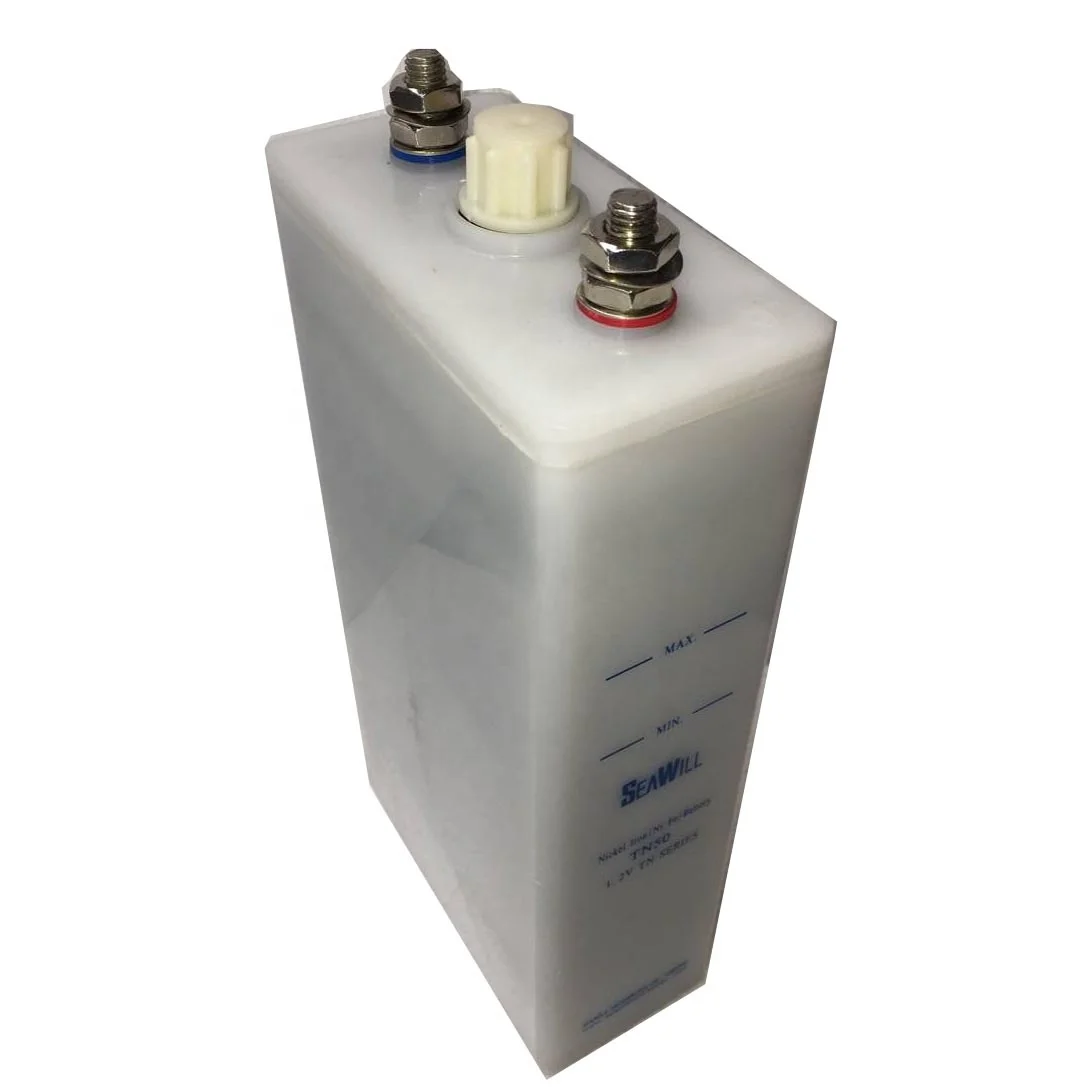
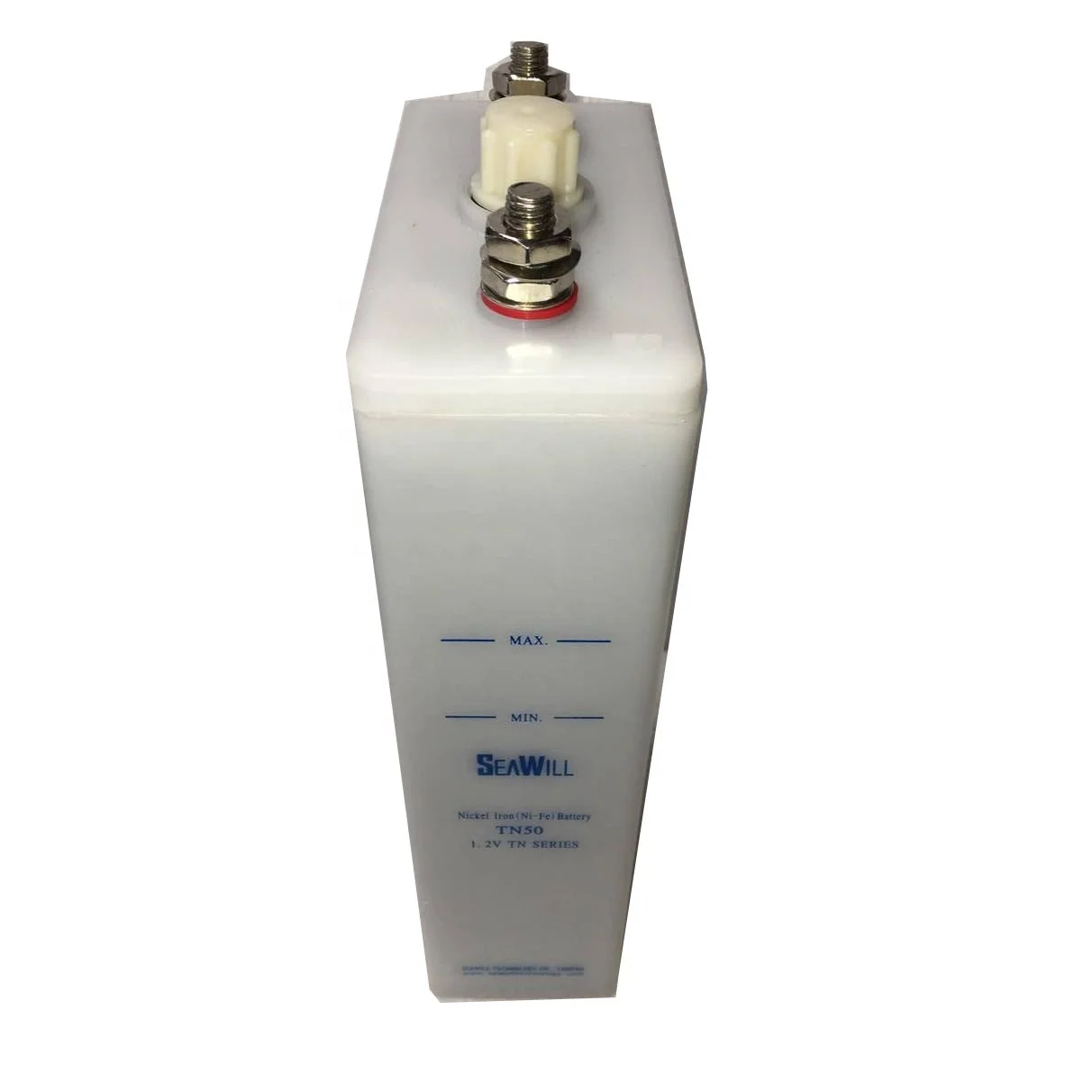
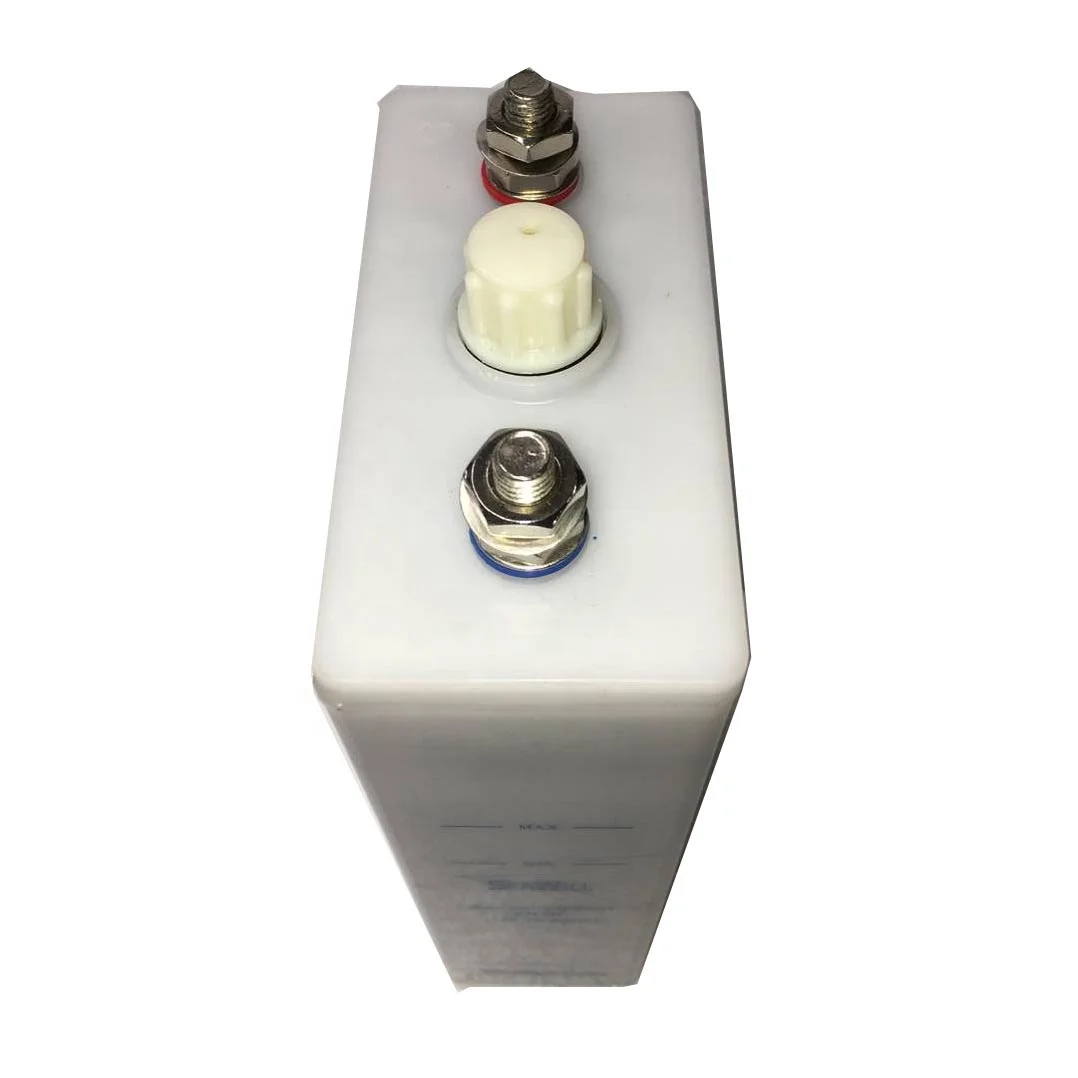
The SEAWILL TN50 Nickel-Iron (Ni-Fe) battery is a high-performance rechargeable battery designed for long cycle life and durability. With a nominal voltage of 1.2V and 60Ah capacity, it is ideal for applications requiring reliable power in harsh environments. Its sealed design ensures safety and efficiency across electric power systems, solar energy storage, boats, and home appliances.
| Feature | Specification | Application Scenario |
|---|---|---|
| Capacity | 60Ah | Solar energy storage, marine systems |
| Nominal Voltage | 1.2V | Consumer electronics, UPS systems |
| Sealing Type | Sealed | Industrial environments with humidity |
| Material | Durable composite | Corrosion-prone industrial machinery |
| Terminals | Robust metal (color-coded) | High-current industrial setups |
| Safety Features | Low self-discharge, overcharge tolerance | Backup power systems |
Adjustable capacity (from 30Ah to 120Ah) and voltage configurations to meet specialized power requirements. Customize terminal designs for specific connection standards or integrate with smart monitoring systems for real-time performance tracking.
With its Ni-Fe chemistry, the TN50 delivers unmatched longevity and safety. Whether powering solar grids or marine equipment, this battery ensures reliable operation even in extreme conditions.
| Parameter | Base Model | Advanced Model | Pro Model |
|---|---|---|---|
| Energy Density | 150Wh/kg (Industry Standard) | +15% (172.5Wh/kg) | +30% (195Wh/kg)* |
| Cycle Life | 10,000 cycles | 12,000 cycles | 15,000 cycles |
| Charging Time | 10 hours | 8 hours | 6 hours |
Technical Breakthroughs:
Version Selection Guide:

The Product Description is generated by third-party, and Alibaba.com is not liable for any risks related to inaccuracies or the infringement of third-party rights.
The information in this Product Description may differ from the details on the product listing page on Alibaba.com. Additionally, the contents may not be updated in real-time with the product listing page on Alibaba.com, and there may be delays in reflecting the most updated information. The description on product listing page takes precedence. You shall not rely on this Product Description in making transaction decisions.
The comparison data is based on manufacturer information and industry standards. Actual results may vary depending on individual use cases. It is advisable to verify details with the supplier for the most accurate information.