All categories
Featured selections
Trade Assurance
Buyer Central
Help Center
Get the app
Become a supplier
Customization:
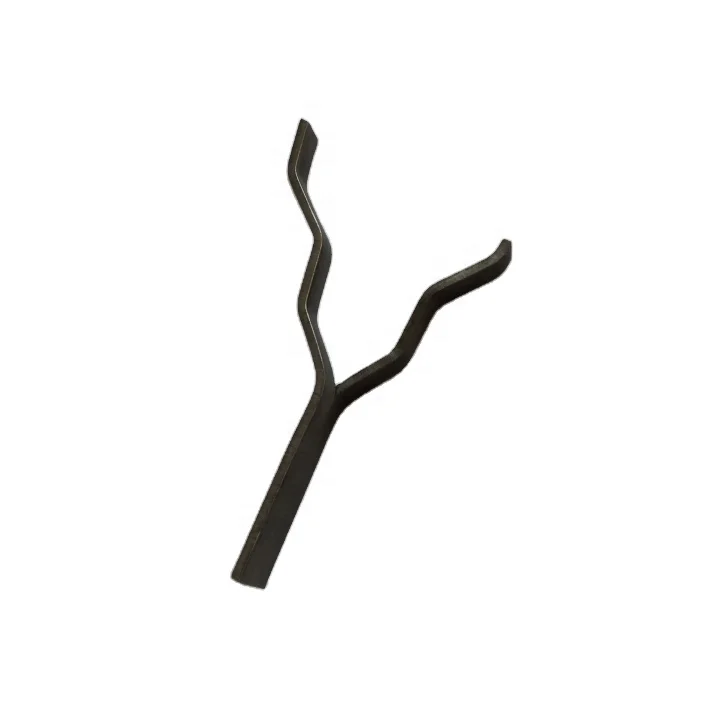
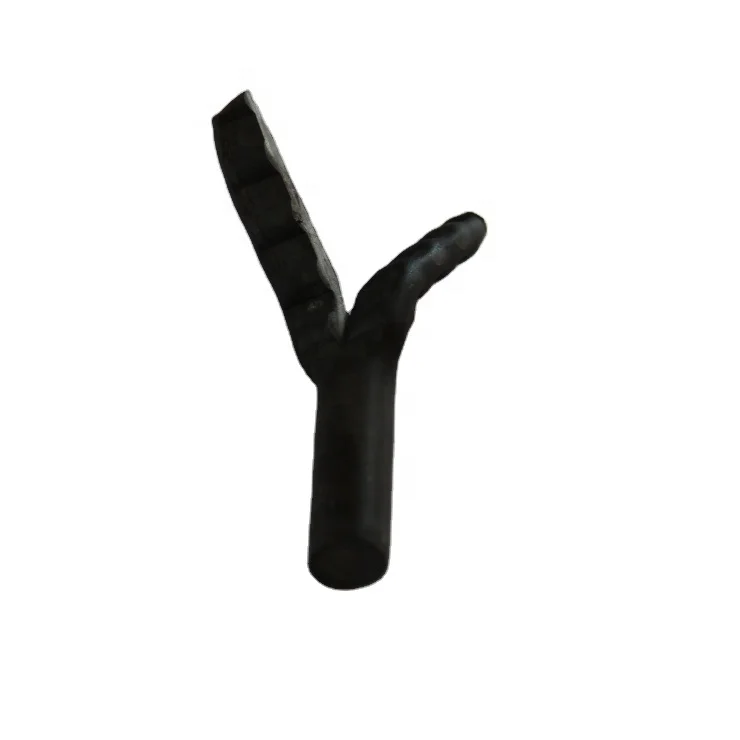
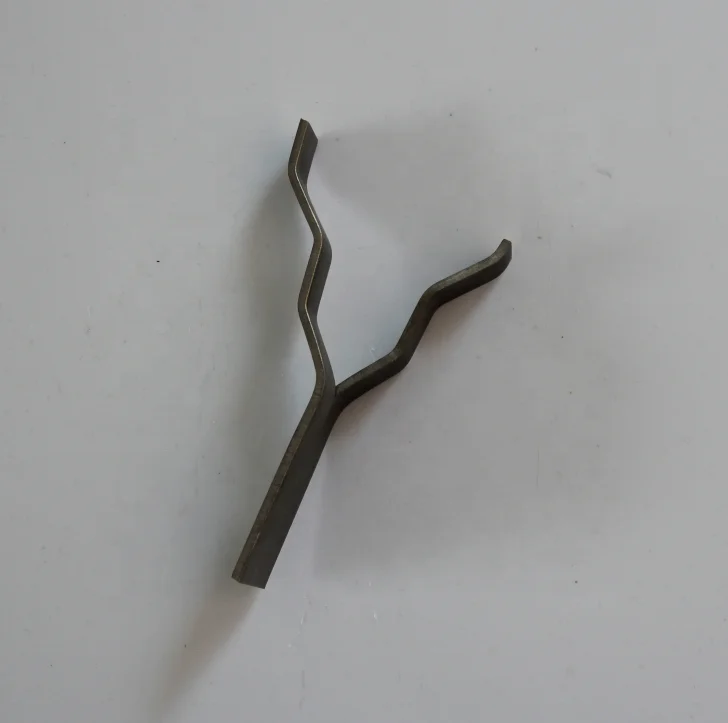
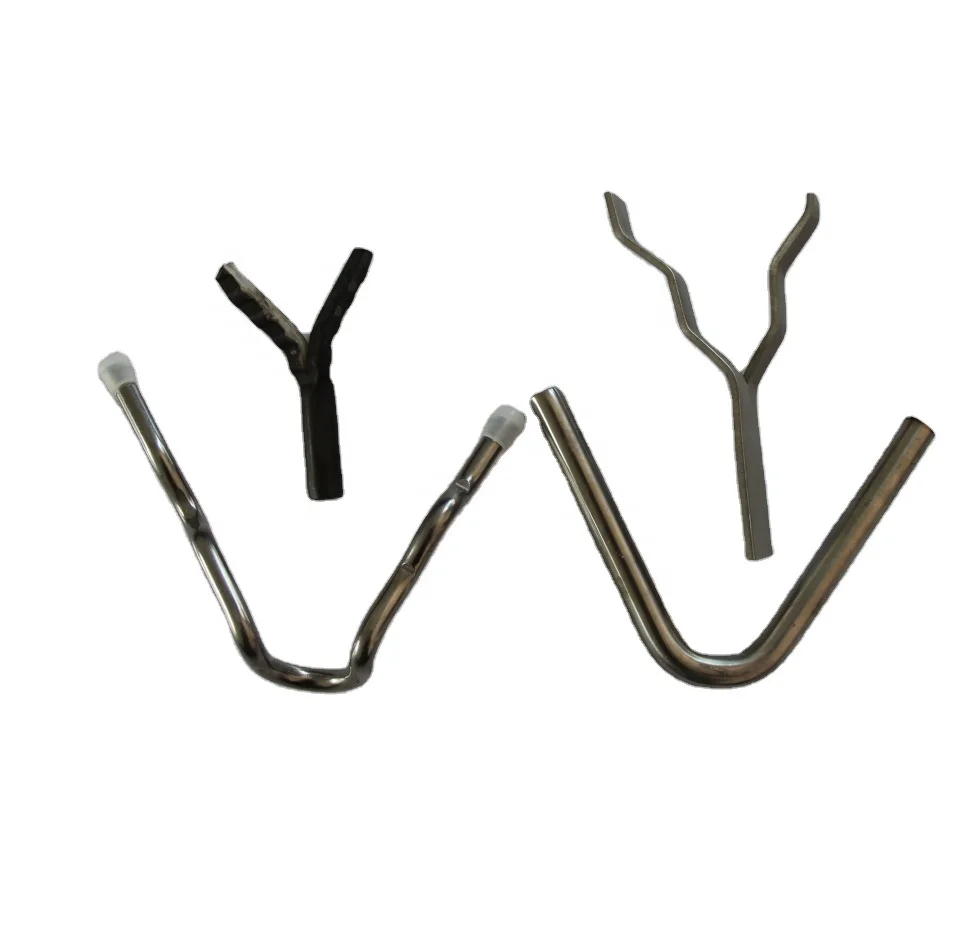
The Refractory Steel Anchor for Refractory is a high-performance anchoring solution designed for industrial applications requiring resistance to extreme temperatures and harsh environments. Crafted from stainless steel with a Y-shaped prong design, it combines durability, corrosion resistance, and customizable adaptability. Certified to RoHS standards, it ensures environmental compliance while meeting industrial safety requirements.
| Feature | Specification | Application Scenario |
|---|---|---|
| Material | Stainless Steel | Industrial furnaces, kilns, and ovens |
| Refractoriness | 1580°C to 1770°C | Moderate-temperature environments |
| Certification | RoHS Compliance | Global industrial safety and eco-standards |
| Processing Services | Punching, Cutting | Custom sizes for specialized equipment |
| Design | Y-Shaped Prongs | Secure anchoring in high-vibration setups |
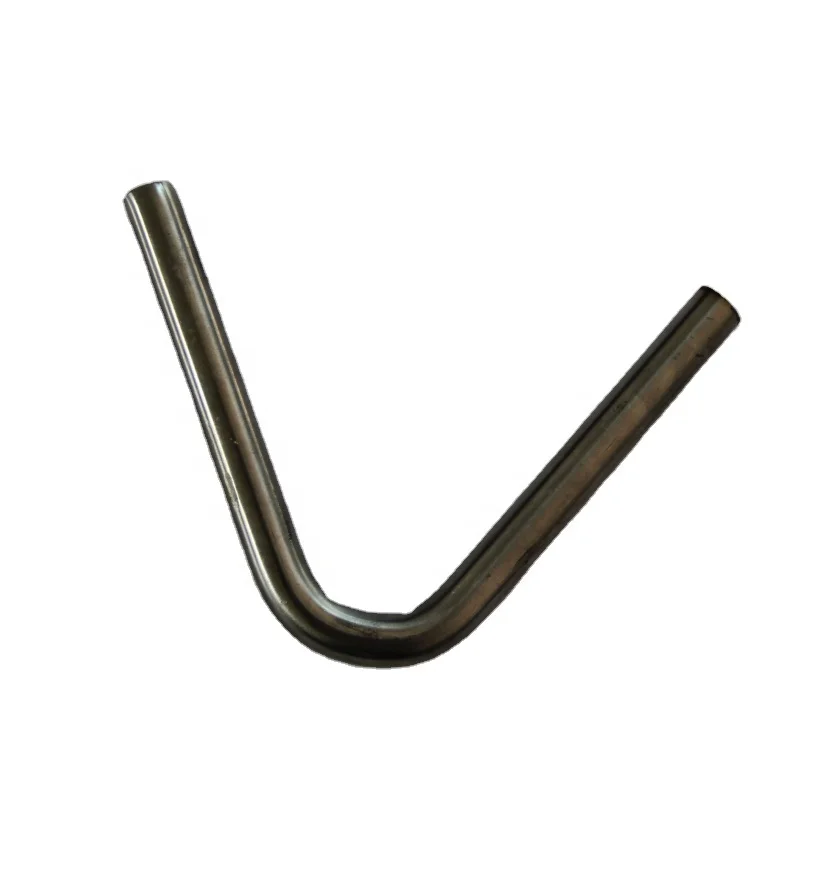
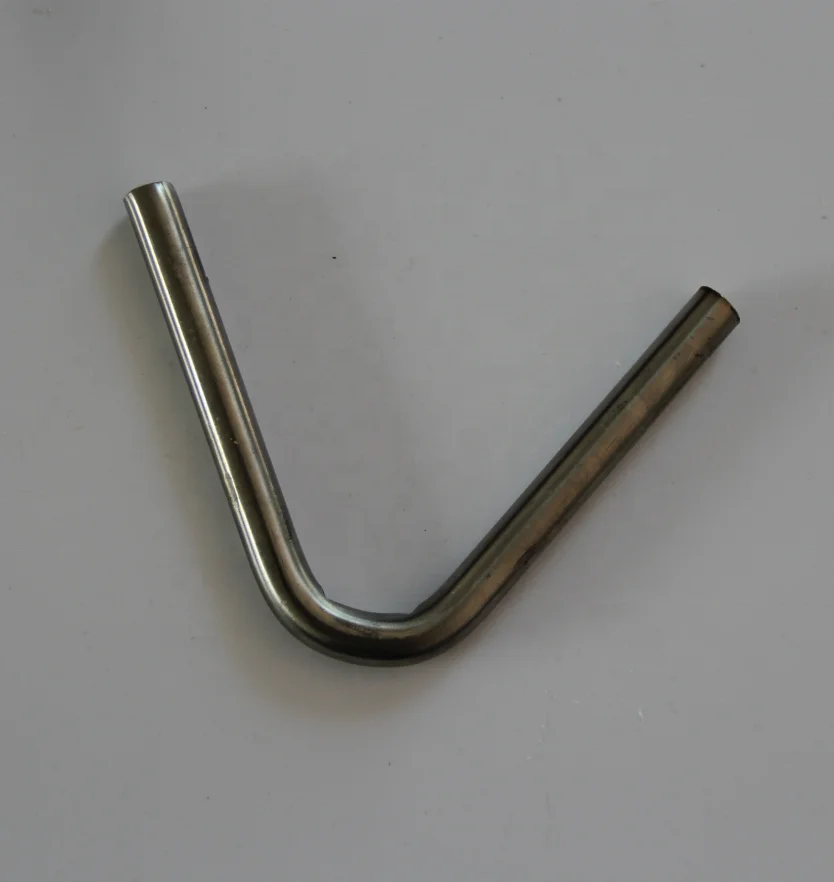
Adjust prong length, spacing, or curvature via punching/cutting services to meet specific load requirements or spatial constraints.
With its Y-shaped design and temperature resistance, this anchor is ideal for securing components in industrial kilns, chemical processing units, or high-heat machinery. Its corrosion-resistant material ensures longevity even in humid or chemically exposed environments.
| Parameter | Base Model | Advanced Model | Pro Model |
|---|---|---|---|
| Refractoriness (°C) | 1580–1770 | 1770–1870* | 1870–2000** |
| Corrosion Resistance | Standard | Enhanced (+30%) | Premium (+50%) |
| Load Capacity (kg) | 50 | 75 | 100 |
Technical Breakthroughs:
Version Selection Guidance:
With the Pro Model’s 2000°C refractoriness, you can safely anchor critical parts in molten metal environments. Pair its premium corrosion resistance with high-load capacity to ensure zero failures in corrosive or vibration-heavy setups.

The Product Description is generated by third-party, and Alibaba.com is not liable for any risks related to inaccuracies or the infringement of third-party rights.
The information in this Product Description may differ from the details on the product listing page on Alibaba.com. Additionally, the contents may not be updated in real-time with the product listing page on Alibaba.com, and there may be delays in reflecting the most updated information. The description on product listing page takes precedence. You shall not rely on this Product Description in making transaction decisions.
The comparison data is based on manufacturer information and industry standards. Actual results may vary depending on individual use cases. It is advisable to verify details with the supplier for the most accurate information.