All categories
Featured selections
Trade Assurance
Buyer Central
Help Center
Get the app
Become a supplier
Customization:
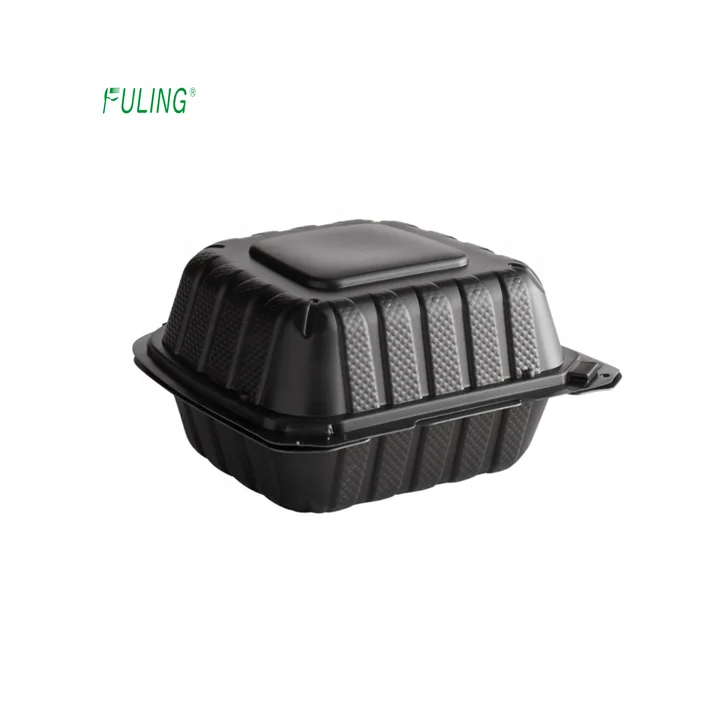
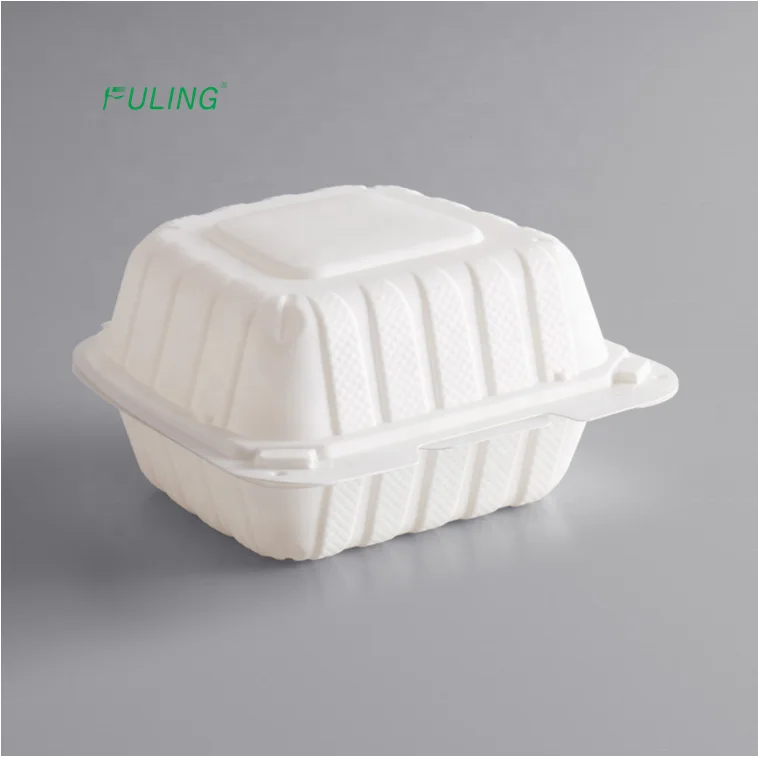
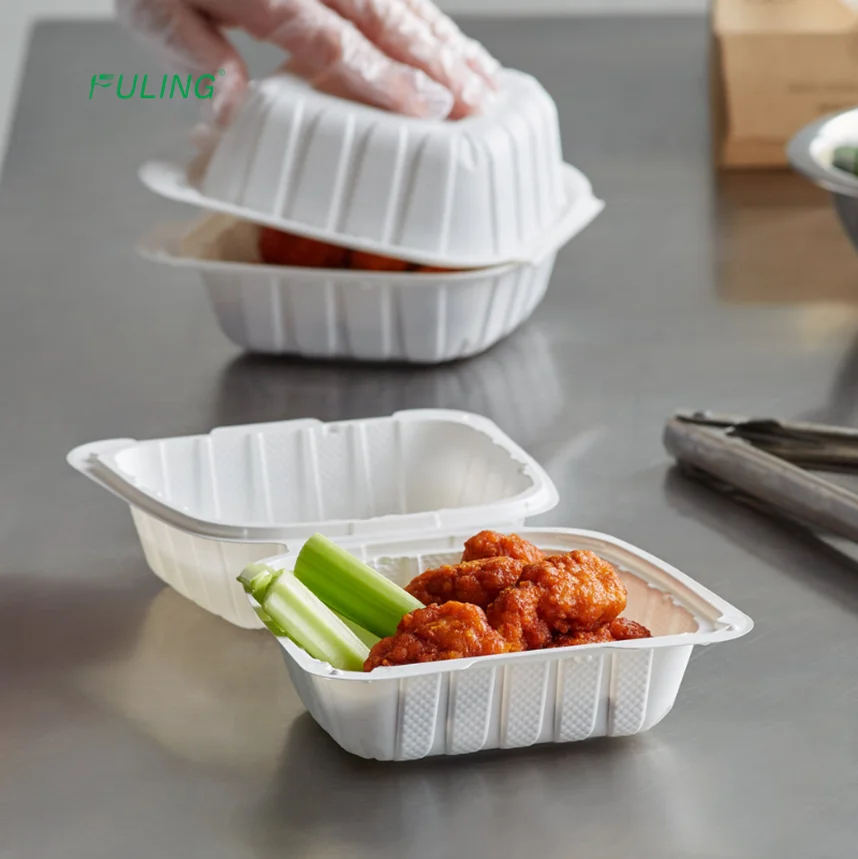
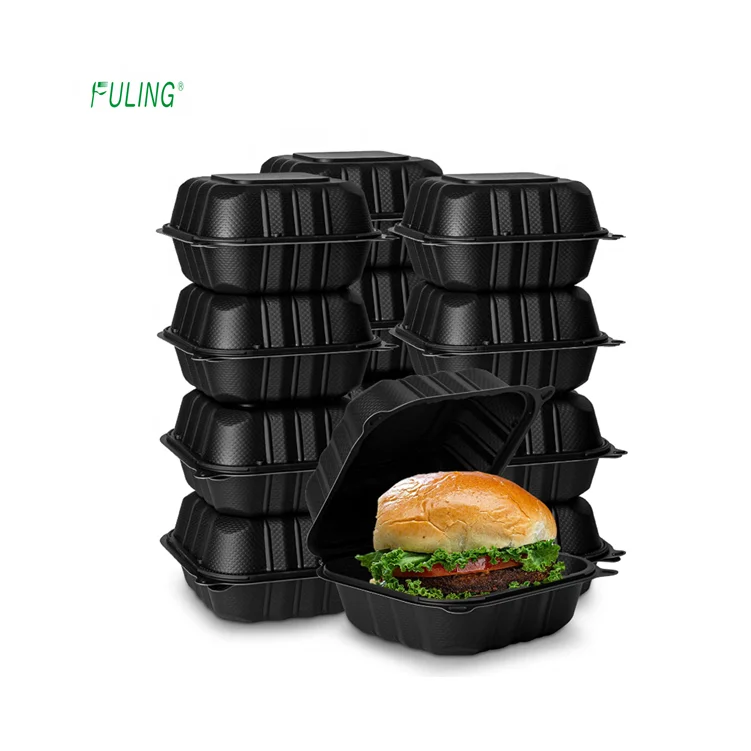
The Restaurant 6x6 Microwavable Tray Eco Black Mineral Plate Plastic Hinged Take Out Plate is a versatile disposable solution for food service environments. Designed with eco-friendly plastic and a secure hinged lid, these square plates ensure durability, convenience, and sustainability for single-portion meals. Ideal for restaurants, hotels, catering, and parties, they combine microwave safety, stackable portability, and a sleek black finish to enhance presentation while minimizing environmental impact.
| Feature | Specification | Benefit |
|---|---|---|
| Material | Eco-friendly plastic | Reduces environmental footprint compared to traditional Styrofoam. |
| Size | 6x6 inches (square) | Perfect for burgers, sandwiches, and salads. |
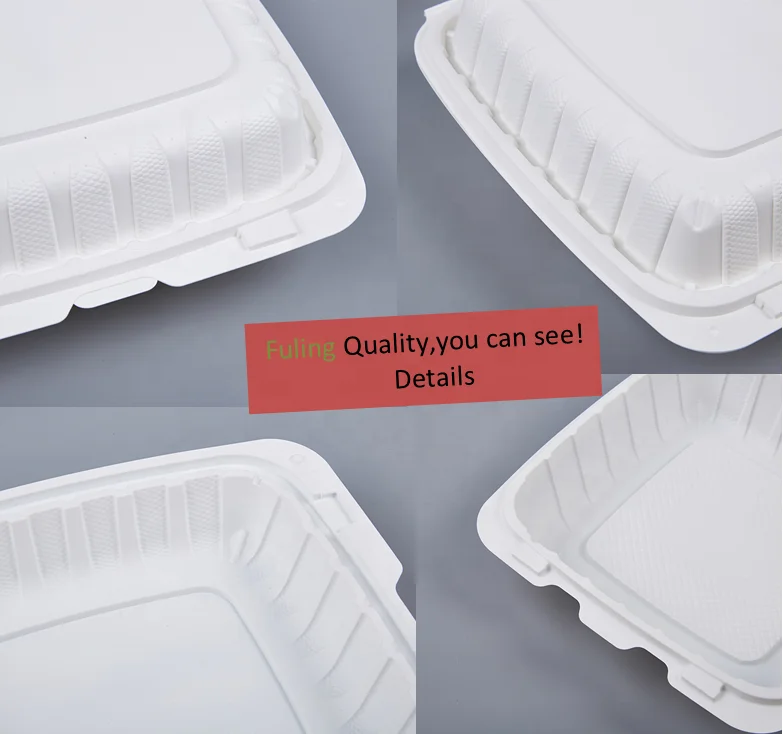
| Lid Type | Hinged snap closure | Leak-proof and easy to open/close. |
| Microwave Safe | Yes | Reheat meals without damaging the plate. |
| Stackable Design | Interlocking base | Maximizes storage and transport efficiency. |
| Color | Black | Neutral aesthetic that complements any food. |
| Application | Restaurants, hotels, catering, parties | Versatile for diverse food service needs. |
Adjustable parameters include material thickness for added durability in high-traffic settings or lid design modifications (e.g., vented lids for steam release). For eco-conscious clients, explore recycled plastic content ratios (up to 50% post-consumer material) to align with sustainability goals.
From quick-service restaurants to catered events, these plates offer a reliable, spill-resistant solution for on-the-go dining. Their sleek black finish and square shape elevate presentation, while their microwave-safe design ensures convenience for both customers and staff.
| Parameter | Base Model | Advanced Model | Pro Model |
|---|---|---|---|
| Eco-Friendly Material | 30% recycled plastic | 50% recycled plastic | 70% recycled plastic |
| Temperature Resistance | -20°C to 120°C | -20°C to 150°C | -20°C to 180°C |
| Stacking Capacity | 20 plates/stack | 30 plates/stack | 40 plates/stack |
Technical Breakthroughs:
Optimal Version Selection:
With the Pro Model’s 180°C temperature resistance, you can safely serve hot meals like soups or stir-fries. Pair its 70% recycled material with its stackable design to cut costs and reduce waste. For casual dining, the Base Model’s 20-stack capacity streamlines storage without compromising on eco-friendly standards.

The Product Description is generated by third-party, and Alibaba.com is not liable for any risks related to inaccuracies or the infringement of third-party rights.
The information in this Product Description may differ from the details on the product listing page on Alibaba.com. Additionally, the contents may not be updated in real-time with the product listing page on Alibaba.com, and there may be delays in reflecting the most updated information. The description on product listing page takes precedence. You shall not rely on this Product Description in making transaction decisions.
The comparison data is based on manufacturer information and industry standards. Actual results may vary depending on individual use cases. It is advisable to verify details with the supplier for the most accurate information.