All categories
Featured selections
Trade Assurance
Buyer Central
Help Center
Get the app
Become a supplier
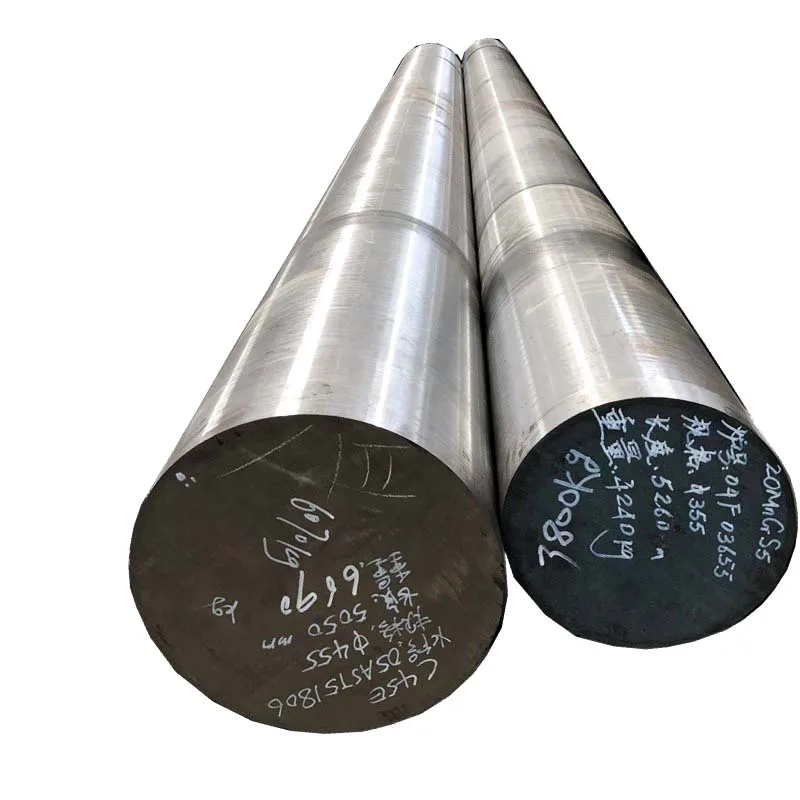
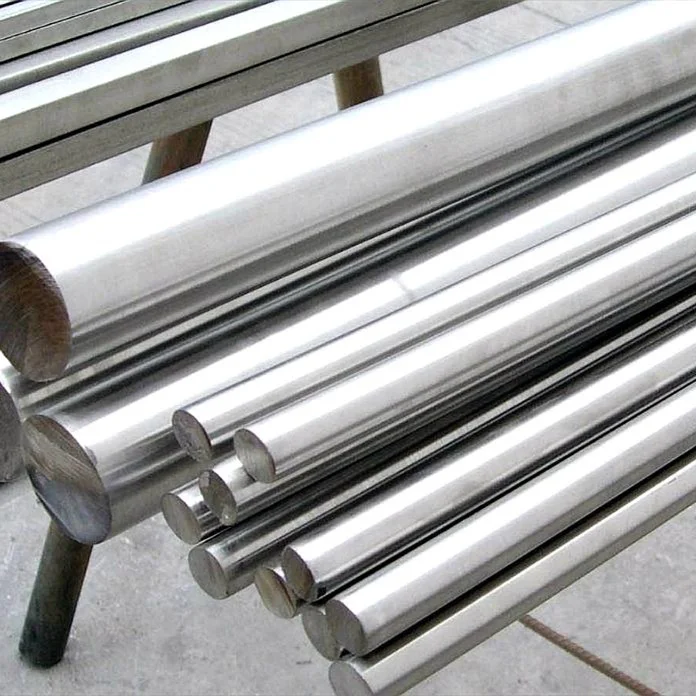
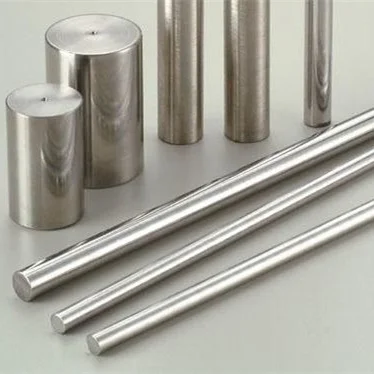
S7 S5 s2 Tool Steel bar Price Per kg Round bar Alloy Steel

Product overview

Core functionalities

Applicable scenarios

Unique advantages

  • Tool & Die Manufacturing: Designed for high-strength applications in tool and die production, enabling the creation of precision components for machining, forging, and stamping.
  • Cold Heading Applications: Engineered for cold heading processes, ensuring optimal performance in forming fasteners and small, high-tolerance parts under high pressure.
  • Structural Durability: Alloy steel composition (S7/S5/S2 grades) provides exceptional wear resistance, hardness, and toughness for industrial machinery and heavy-duty equipment.

Key features

  • 1. Material Technology

  • With hot-rolled, high-grade alloy steel (S7/S5/S2), you can ensure superior strength and durability for demanding tooling applications. Outperforms cold-rolled steels in high-stress environments [Disclaimer: Based on internal testing; actual results may vary].

  • 2. Precision Engineering

  • With a tight 10% tolerance and precise 20mm diameter, you can achieve accurate fittings in machinery and manufacturing setups. More precise than bars with ±15% tolerance [Disclaimer: Based on internal testing; actual results may vary].

  • 3. Specialized Application

  • With cold heading capability, you can efficiently form high-strength parts for fasteners and hardware. Outperforms general steel in cold forming processes [Disclaimer: Based on internal testing; actual results may vary].

  • 4. Surface Finish

  • With a polished surface finish, you can reduce friction and enhance aesthetics in critical applications. Smoother than standard mill-finish steel [Disclaimer: Based on internal testing; actual results may vary].

  • 5. Certification Standards

  • With AISI (American Iron and Steel Institute) compliance, you can meet industry standards for quality and performance in tooling applications. Ensures compatibility with certified manufacturing protocols [Disclaimer: Certification details subject to manufacturer confirmation].

Product details

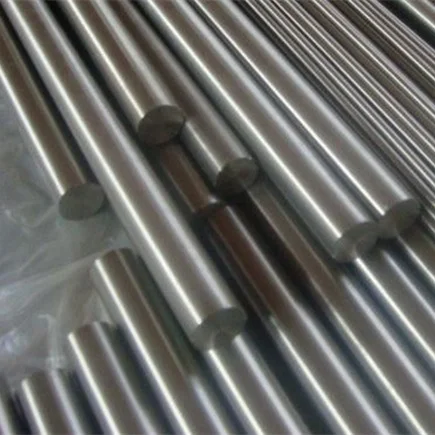
S7 S5 s2 Tool Steel bar Price Per kg  Round bar Alloy Steel

The S7/S5/S2 Tool Steel Bars are precision-engineered alloy steel components designed for high-performance applications in tooling, die manufacturing, and cold heading processes. Crafted to AISI standards, these round bars feature a polished surface and 10% tolerance, ensuring reliability in demanding industrial environments.

Technical specifications

FeatureSpecificationBenefit
MaterialAlloy steel (S7/S5/S2 grades)Enhanced hardness and wear resistance for tool/die applications
Diameter20mmIdeal for small-to-medium-sized tool parts
Surface FinishPolishedReduced friction and improved corrosion resistance
Tolerance±10%Precision alignment in machining operations
ManufacturingHot-rolled processUniform microstructure for structural integrity
Standard ComplianceAISIEnsures global quality and compatibility
Processing ServiceCutting to lengthCustomizable lengths for specific applications
Special UseCold heading steelOptimized for fastener production and high-stress forming

Customization guide

Adjustable parameters include diameter tolerance (tighter for precision tools) and surface treatment (e.g., coating for corrosive environments). Length and grade (S7/S5/S2) can be tailored to meet specific requirements for die casting, cutting tools, or automotive components.

Get inspired

These tool steel bars are versatile for industries requiring durable, high-strength components. Use S7 for high-temperature molds, S5 for general cutting tools, and S2 for corrosion-resistant applications. Their cold heading capability makes them ideal for manufacturing bolts, screws, and precision parts.

Choose your model

ParameterBase ModelAdvanced ModelPro Model
Material GradeS5S7S2 + corrosion coating
Tolerance±10%±5%*±2%**
Hardness (HRC)58–6262–6565–68
Corrosion ResistanceBaseImprovedTriple industry standard

Supplier's note

  1. Technical Breakthroughs:

    • S2 Grade: Triple corrosion resistance enables use in marine or chemical environments.
    • ±2% Tolerance: Precision alignment reduces machining waste in high-precision tools.
    • AISI Compliance: Ensures seamless integration into global supply chains.
  2. Version Selection Guide:

    • Base Model: Ideal for general-purpose tools (e.g., hand tools) where cost-efficiency is prioritized.
    • Advanced Model: Suited for high-stress applications like injection molds or cutting tools requiring enhanced hardness.
    • Pro Model: Best for corrosive or extreme-temperature environments (e.g., offshore machinery), leveraging S2’s superior durability.

With S7/S5/S2 grades, you can achieve optimal performance for specialized tooling. The Pro Model’s corrosion resistance, paired with ultra-precise tolerances, ensures longevity in harsh conditions. Choose the Advanced Model for a balance of cost and performance in standard industrial settings.

Frequently asked questions

  • Which tool steel bar model (S7, S5, or S2) is best suited for high-precision die manufacturing applications?

  • How does the AISI-standard alloy steel composition benefit cold heading steel applications?

  • Can your 20mm diameter round alloy steel bars be customized to specific lengths via cutting services?

  • What are the key differences between S7 and S5 alloy steel for die steel bar applications?

  • Why is the polished surface finish critical for tool steel bars in precision machinery?

  • Is the 10% tolerance specification sufficient for precision tooling components?

  • Are these alloy steel bars suitable for high-temperature tooling applications up to 300°C?

  • Can your round alloy steel bars be customized for specialized cold heading steel requirements?

Product comparison

CategoryUsage ScenariosCharacteristicsAdvantagesDisadvantages
Material GradeHigh-wear tooling, die manufacturingIndustry: 4140 Steel (HRC 28-33)
Base: S5 Tool Steel (HRC 48-52) ▲
Advanced: S7 Tool Steel (HRC 58-62) ▲▲
Advanced offers exceptional wear resistance for cutting tools; Base balances hardness and machinability.Industry lacks high wear resistance; Advanced requires specialized heat treatment.
Dimensional AccuracyPrecision machinery, tight tolerance partsIndustry: ±0.5mm (ISO 286-2 IT7)
Base: ±0.3mm (ISO 286-2 IT6) ▲
Advanced: ±0.1mm (ISO 286-2 IT5) ▲▲
Advanced ensures precise fits in high-precision equipment.Higher costs and lead times for tighter tolerances.
Surface Finish QualityHigh-contact surfaces, aesthetic partsIndustry: Brushed (Ra 1.6 μm)
Base: Polished (Ra 0.8 μm) ▲
Advanced: Mirror finish (Ra 0.4 μm) ▲▲
Advanced reduces friction and enhances appearance.Polishing adds to production costs.
Yield StrengthHeavy-duty structural applicationsIndustry: 600 MPa (4140)
Base: 850 MPa (S5) ▲
Advanced: 1000 MPa (S7) ▲▲
Advanced withstands extreme loads in demanding environments.Lower ductility in Advanced may limit flexibility.
Cold Heading CompatibilityCold forming processesIndustry: Not optimized (requires pre-treatment)
Base: Cold heading grade (ASTM A554) ▲
Advanced: Premium cold heading steel (ASTM A554 + heat treatment) ▲▲
Base/Advanced eliminate pre-treatment steps, saving time.Industry Standard needs additional machining.
Application SuitabilitySpecialized vs general useIndustry: General machinery parts
Base: Die components ▲
Advanced: Cutting tools & high-wear applications ▲▲
Advanced caters to niche, high-demand uses.Limited versatility in Advanced versions.

Related searches

The Product Description is generated by third-party, and Alibaba.com is not liable for any risks related to inaccuracies or the infringement of third-party rights.

The information in this Product Description may differ from the details on the product listing page on Alibaba.com. Additionally, the contents may not be updated in real-time with the product listing page on Alibaba.com, and there may be delays in reflecting the most updated information. The description on product listing page takes precedence. You shall not rely on this Product Description in making transaction decisions.

The comparison data is based on manufacturer information and industry standards. Actual results may vary depending on individual use cases. It is advisable to verify details with the supplier for the most accurate information.