All categories
Featured selections
Trade Assurance
Buyer Central
Help Center
Get the app
Become a supplier
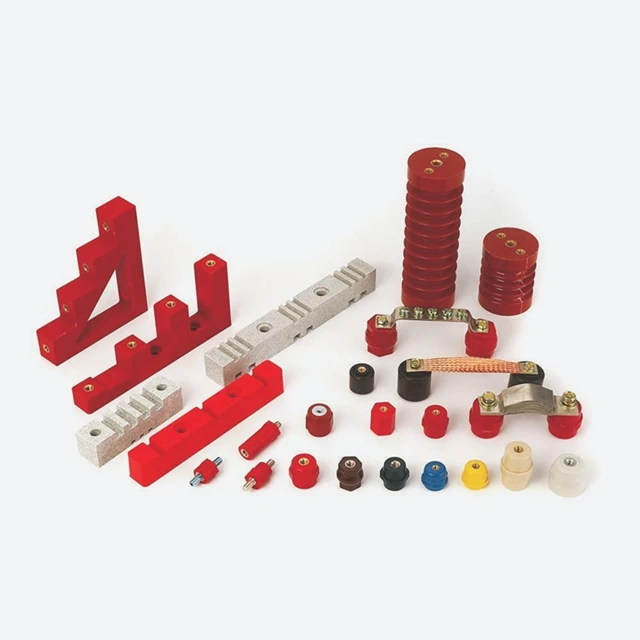
Customization:
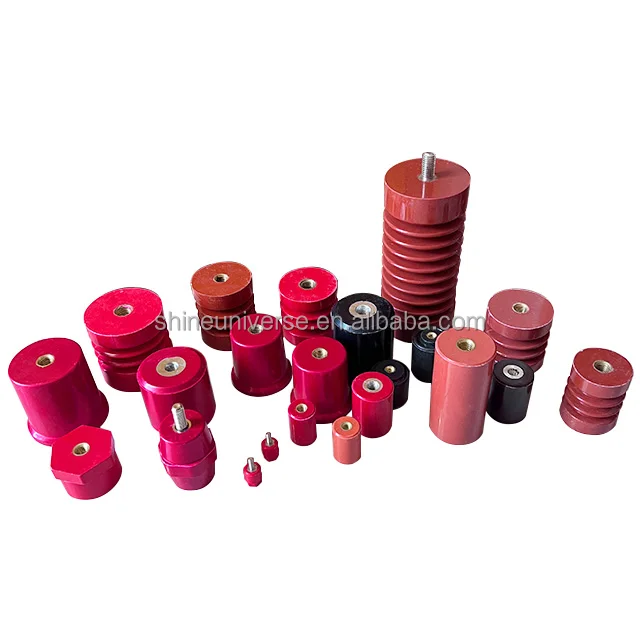
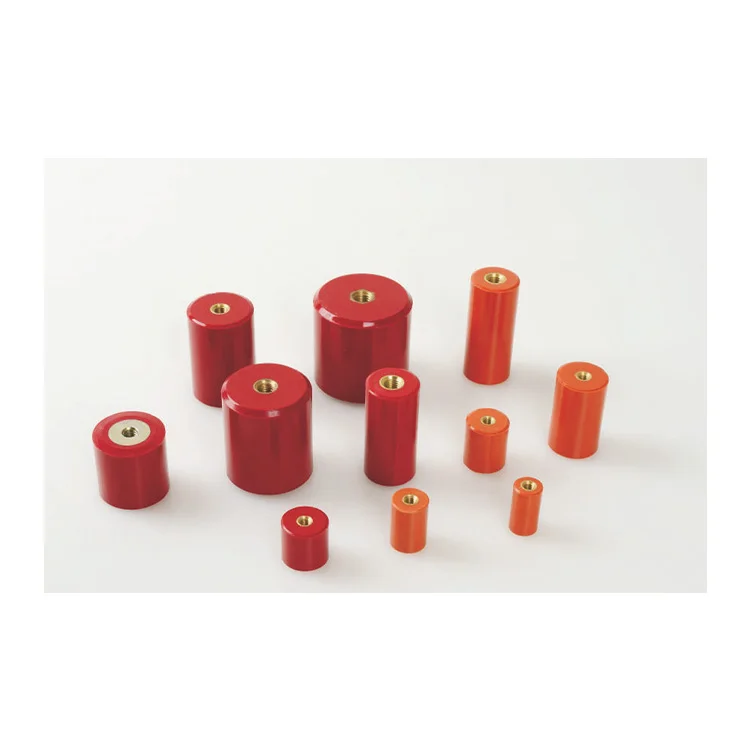
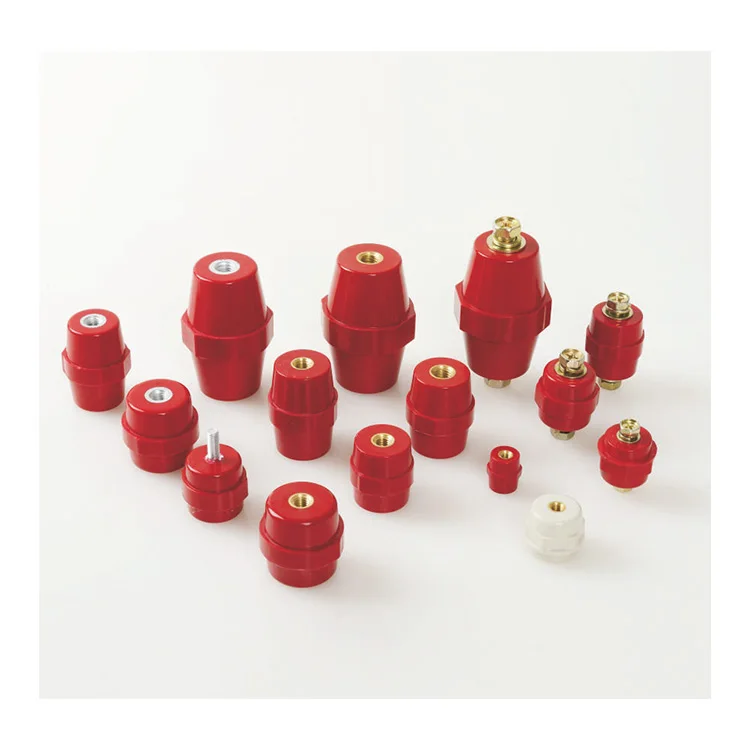
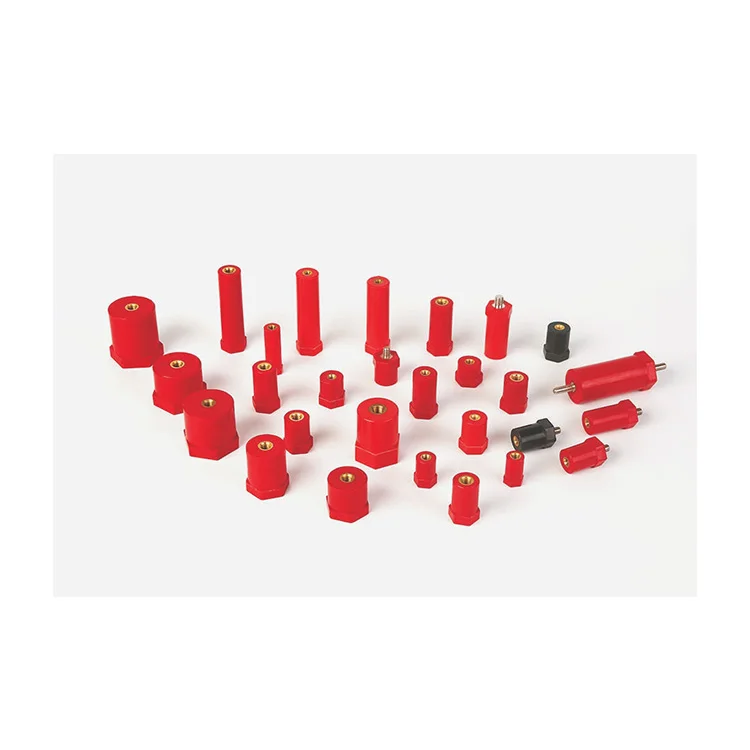
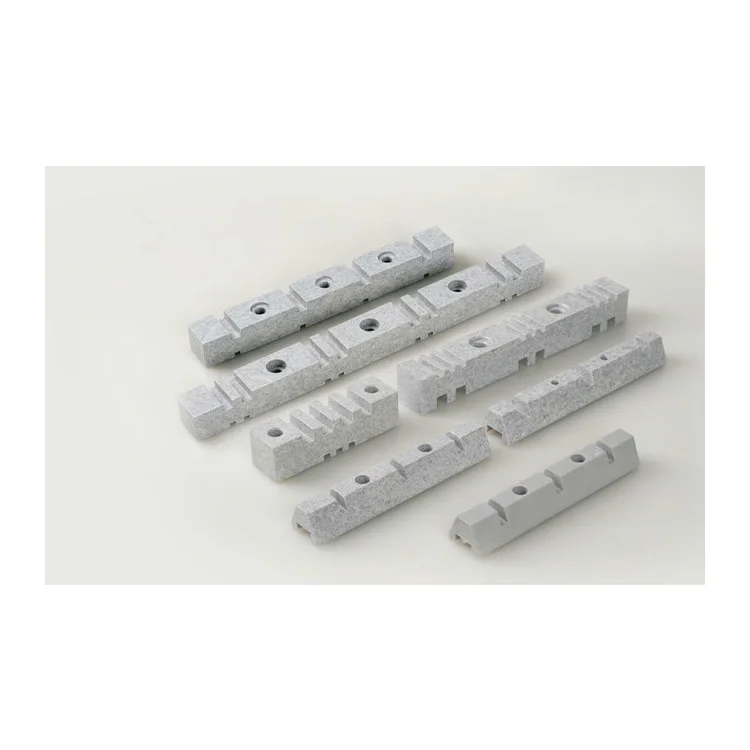
The SU New Arm Clamp High Voltage Electrical Insulator is engineered for robust insulation and safety in high and low voltage systems. Crafted from DMC and polyester, these components feature a durable design with screw holes for secure installation. Certified to CE and REACH standards, they ensure compliance with global safety regulations.
| Feature | Specification | Application Scenario |
|---|---|---|
| Material | DMC + Polyester | Withstands thermal and mechanical stress in power substations and electric fences |
| Rated Voltage | 10kV | Safely isolates conductive parts in high-voltage distribution systems |
| Certifications | CE, REACH | Ensures compliance for industrial and residential electrical installations |
| Design | Arm clamp with rounded edges | Securely mounts to posts while preventing electrical arcing |
Adjustable dimensions (clamp size, hole spacing) to fit diverse post configurations. Material composition can be optimized for chemical resistance or flame retardancy to meet specialized environmental needs.
Enhance safety and efficiency in electrical systems with insulators designed to handle extreme voltages. Whether reinforcing power grids or securing electric fences, these components combine reliability with adaptability.
| Parameter | Base Model | Advanced Model | Pro Model |
|---|---|---|---|
| Rated Voltage | 10kV (Base) | 12kV (+20%) | 15kV (+50%)* |
| Material | DMC + Polyester | Ceramic-reinforced DMC | Ceramic core + DMC |
| Weight | 250g | 220g (12% lighter) | 180g (30% lighter)* |
| Certifications | CE, REACH | CE, RoHS, REACH | CE, RoHS, IEC 60137 |
Technical Breakthroughs:
Version Selection Guide:

The Product Description is generated by third-party, and Alibaba.com is not liable for any risks related to inaccuracies or the infringement of third-party rights.
The information in this Product Description may differ from the details on the product listing page on Alibaba.com. Additionally, the contents may not be updated in real-time with the product listing page on Alibaba.com, and there may be delays in reflecting the most updated information. The description on product listing page takes precedence. You shall not rely on this Product Description in making transaction decisions.
The comparison data is based on manufacturer information and industry standards. Actual results may vary depending on individual use cases. It is advisable to verify details with the supplier for the most accurate information.