All categories
Featured selections
Trade Assurance
Buyer Central
Help Center
Get the app
Become a supplier

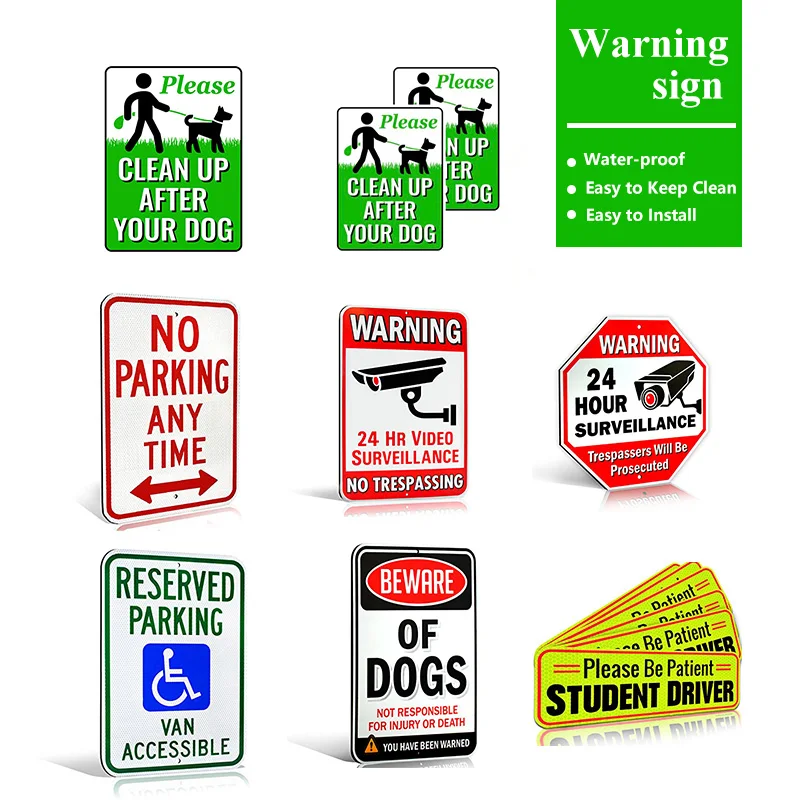
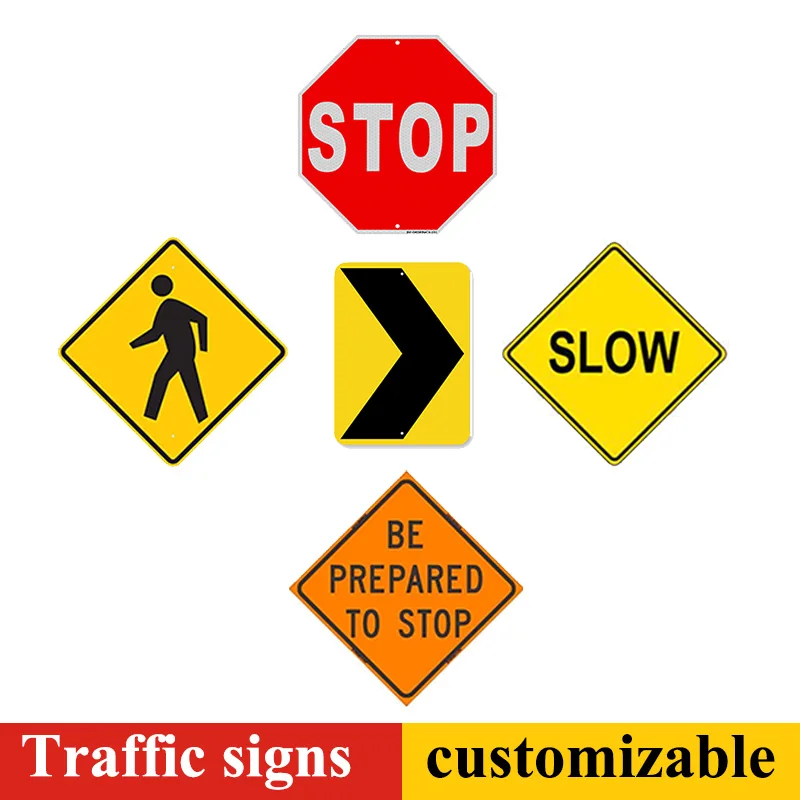
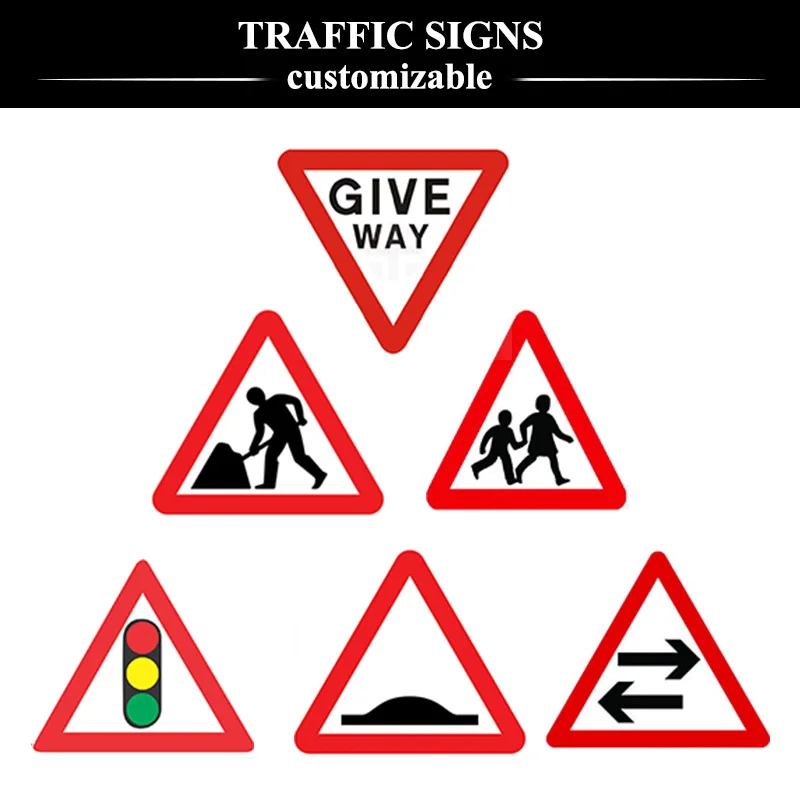
Our Saudi Arabic Austrian UAE Traffic Signs are precision-engineered aluminum traffic boards designed for clarity and durability in diverse road environments. Compliant with global standards like RoHS and EPR regulations, these signs ensure environmental responsibility while delivering optimal visibility through retroreflective technology.
| Feature | Specification | Application Scenario |
|---|---|---|
| Material Composition | Aluminum backing with high-grade retroreflective sheeting | Urban roads, highways, and industrial zones requiring long-term visibility |
| Certification Standards | RoHS, EPR_France_Packing, EPR_Germany_Packing | Meeting EU and Middle Eastern environmental compliance mandates |
| Retroreflectivity | 800 cd·lx⁻¹·m⁻² (minimum) | Ensuring visibility in low-light conditions for driver safety |
| Durability | Weather-resistant finish, 10-year lifespan | Harsh climates or high-traffic areas with frequent exposure to UV and moisture |
Adjustable retroreflectivity levels and sign dimensions to meet specific regional traffic regulations or environmental conditions. For instance, thicker aluminum plates can be customized for coastal regions prone to salt corrosion.
Enhance road safety with our certified aluminum traffic signs. Whether guiding drivers through urban intersections or warning of speed limits in school zones, these signs combine compliance, durability, and visibility to create safer road environments.
| Parameter | Base Model | Advanced Model | Pro Model |
|---|---|---|---|
| Retroreflectivity | 800 cd·lx⁻¹·m⁻² | +15% (920 cd·lx⁻¹·m⁻²) | +30% (1,040 cd·lx⁻¹·m⁻²) |
| Durability | 5-year warranty | 7-year warranty | 10-year warranty* |
| Compliance | RoHS, EPR_France | RoHS, EPR_France/Germany | RoHS + ISO 14001 |
Technical Breakthroughs:
Version Selection Guidance:
With the Pro Model’s triple-certified compliance and 30% higher reflectivity, you can ensure safety in even the most demanding scenarios.

The Product Description is generated by third-party, and Alibaba.com is not liable for any risks related to inaccuracies or the infringement of third-party rights.
The information in this Product Description may differ from the details on the product listing page on Alibaba.com. Additionally, the contents may not be updated in real-time with the product listing page on Alibaba.com, and there may be delays in reflecting the most updated information. The description on product listing page takes precedence. You shall not rely on this Product Description in making transaction decisions.
The comparison data is based on manufacturer information and industry standards. Actual results may vary depending on individual use cases. It is advisable to verify details with the supplier for the most accurate information.