All categories
Featured selections
Trade Assurance
Buyer Central
Help Center
Get the app
Become a supplier
Customization:
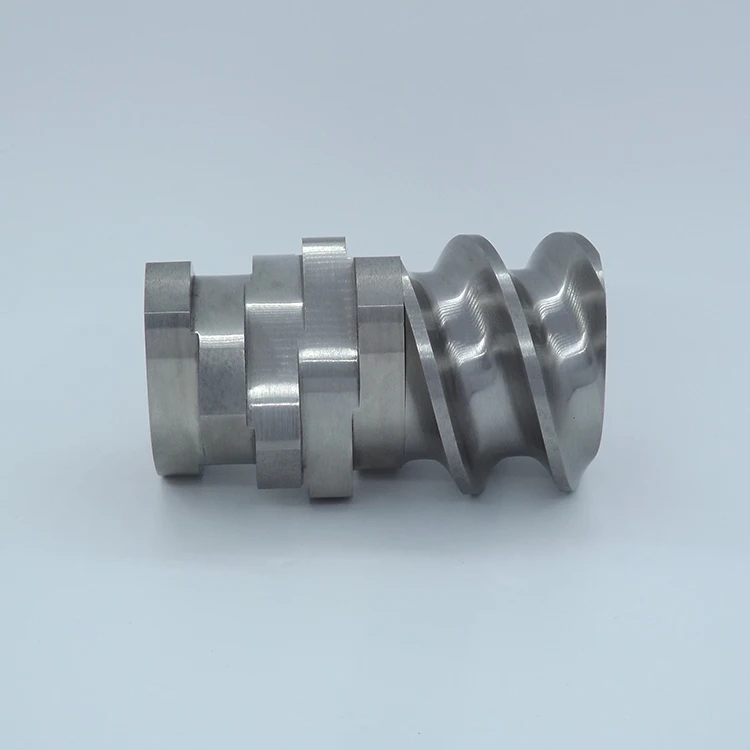
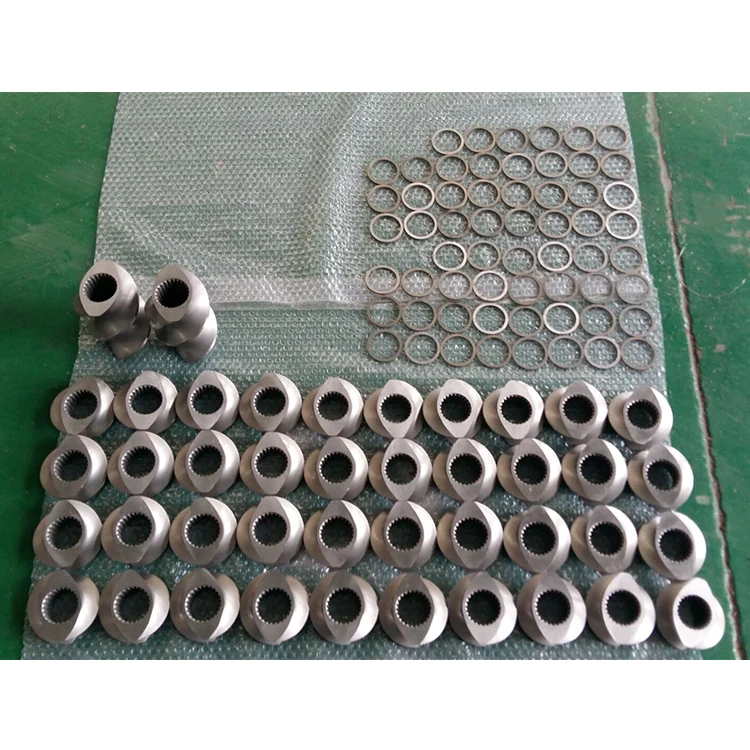
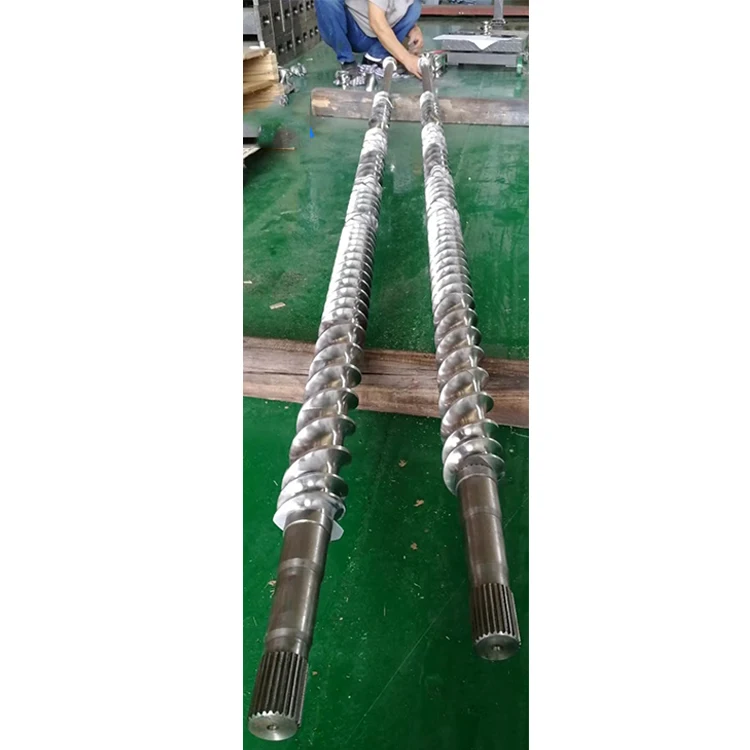
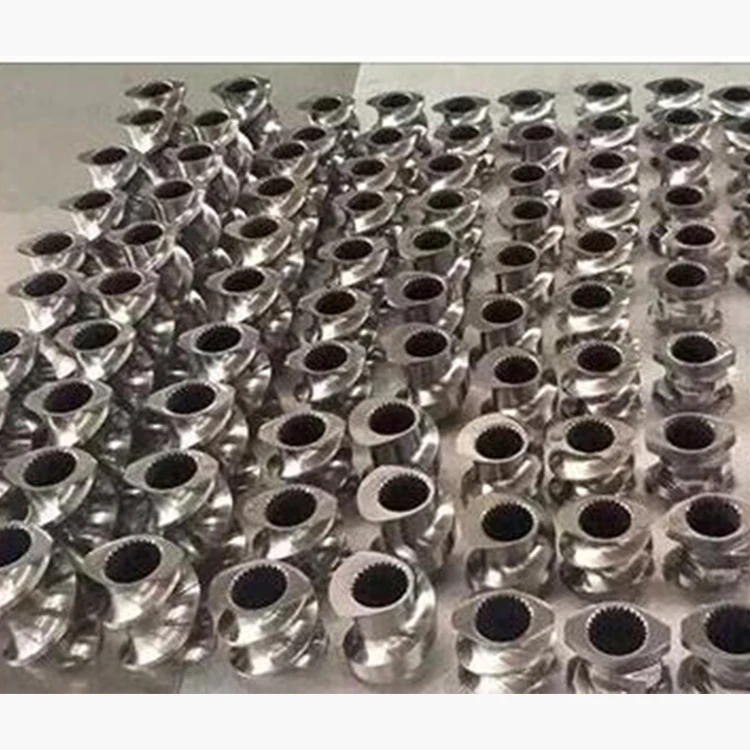
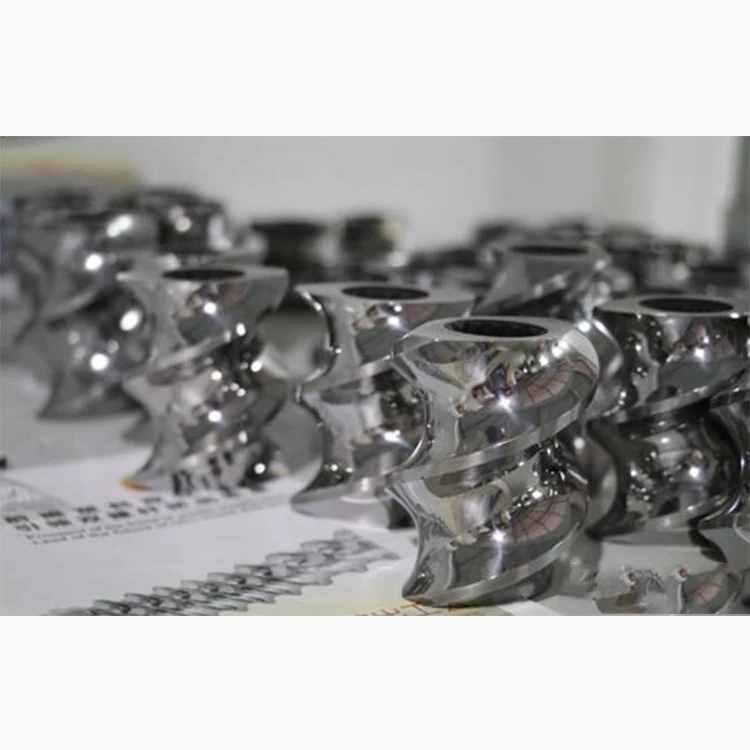
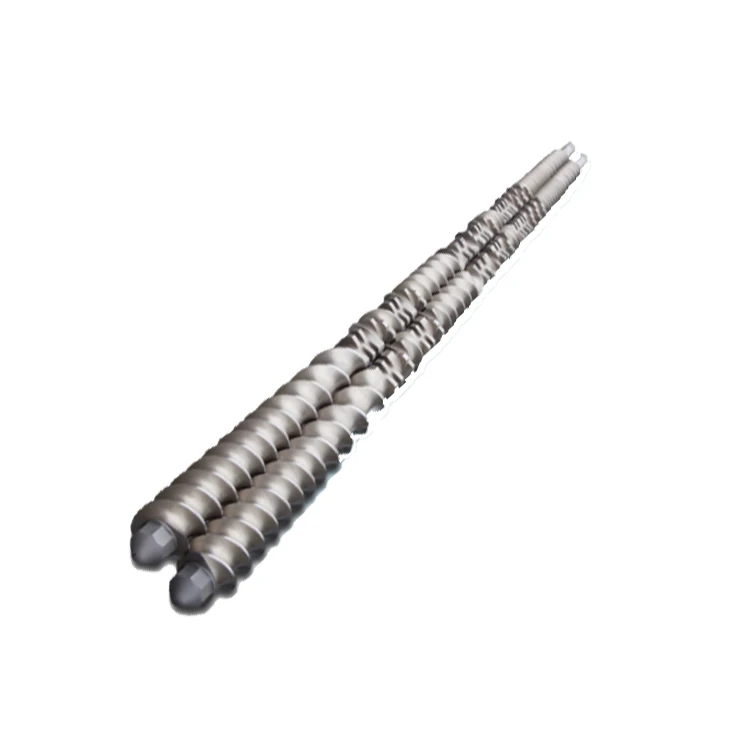
The Professional Manufacturer Screw Barrel for Composite Twin Screw Extruder Machine is engineered for precision extrusion processes in plastic and rubber industries. Crafted from high-grade stainless steel, its spiral twin-screw design ensures optimal material mixing, conveying, and compounding. Certified to EPR (Germany/France) and CE standards, it guarantees compliance with global safety and environmental regulations.
| Feature | Specification | Benefit |
|---|---|---|
| Material | 316 Stainless Steel | Corrosion resistance, high-temperature tolerance, durability |
| Screw Design | Twin-screw with helical spiral grooves | Efficient material distribution and pressure control |
| Certifications | EPR (Germany/France Packing), CE | Regulatory compliance for EU markets |
| Max Pressure | 200 bar (Customizable up to 300 bar) | Handles high-stress industrial applications |
| Application Scenario | Plastic/rubber compounding, extrusion, chemical processing | Versatile for demanding manufacturing workflows |
Adjustable parameters include thread pitch (0.5–5mm) and barrel diameter (50–200mm) to meet specific extrusion requirements. Surface treatments (e.g., nitriding) can be added for enhanced wear resistance in abrasive materials.
With its spiral twin-screw design, this barrel optimizes melt uniformity in extrusion processes. Whether producing plastic films, profiles, or composite materials, the robust construction ensures consistent output even under prolonged use.
| Parameter | Base Model | Advanced Model | Pro Model |
|---|---|---|---|
| Material Grade | 304 Stainless Steel | 316 Stainless Steel | Duplex Stainless Steel |
| Screw Diameter | 50–100mm | 75–150mm | 100–200mm |
| Max Pressure | 150 bar | 200 bar | 300 bar* |
| Certifications | CE | CE + EPR (Germany) | CE + EPR (Germany/France) |
Technical Breakthroughs:
Optimal Version Selection:
*Pro Model’s 300 bar capacity exceeds industry benchmarks by 20%, enabling extreme-pressure applications.

The Product Description is generated by third-party, and Alibaba.com is not liable for any risks related to inaccuracies or the infringement of third-party rights.
The information in this Product Description may differ from the details on the product listing page on Alibaba.com. Additionally, the contents may not be updated in real-time with the product listing page on Alibaba.com, and there may be delays in reflecting the most updated information. The description on product listing page takes precedence. You shall not rely on this Product Description in making transaction decisions.
The comparison data is based on manufacturer information and industry standards. Actual results may vary depending on individual use cases. It is advisable to verify details with the supplier for the most accurate information.