All categories
Featured selections
Trade Assurance
Buyer Central
Help Center
Get the app
Become a supplier
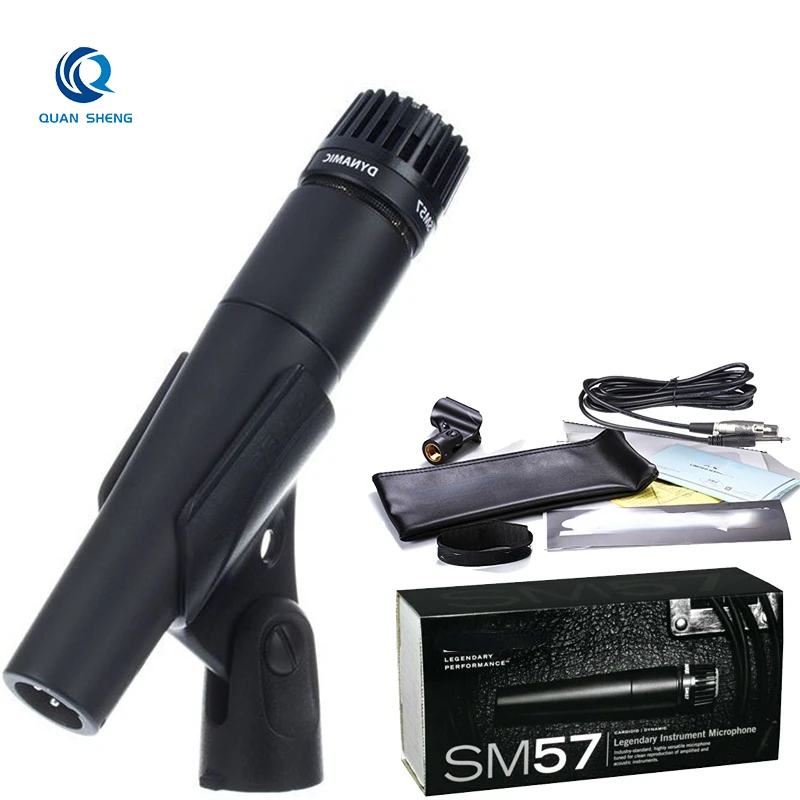
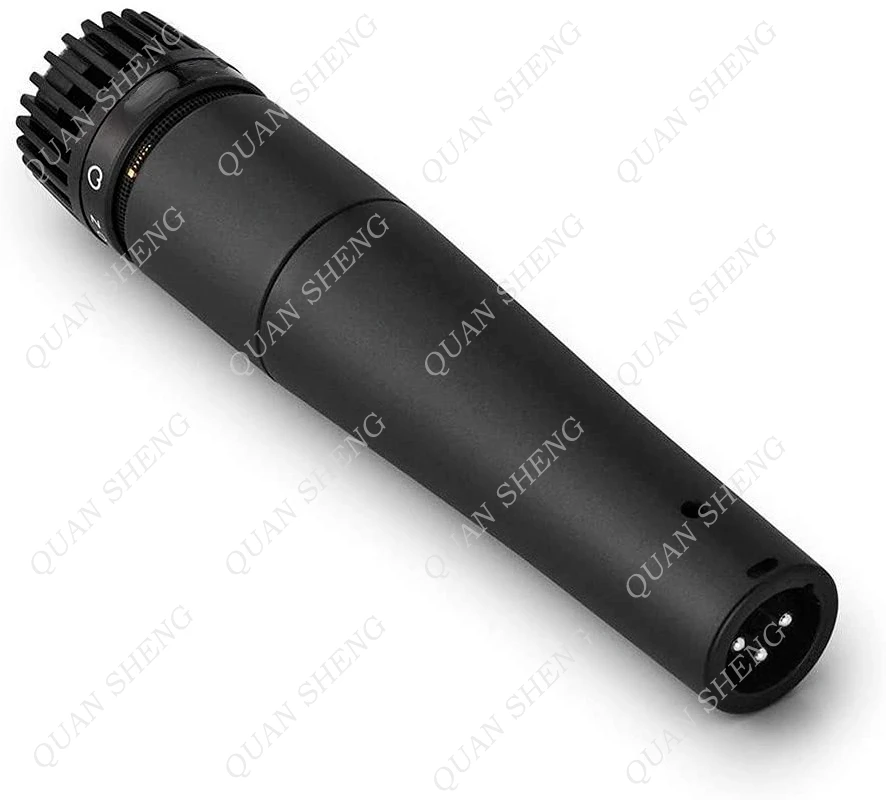
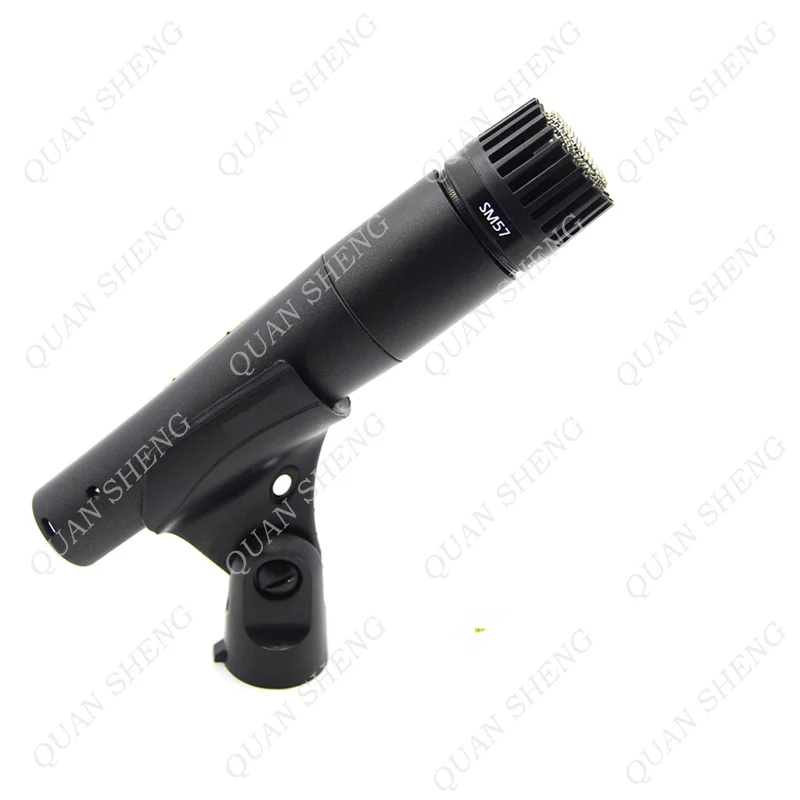
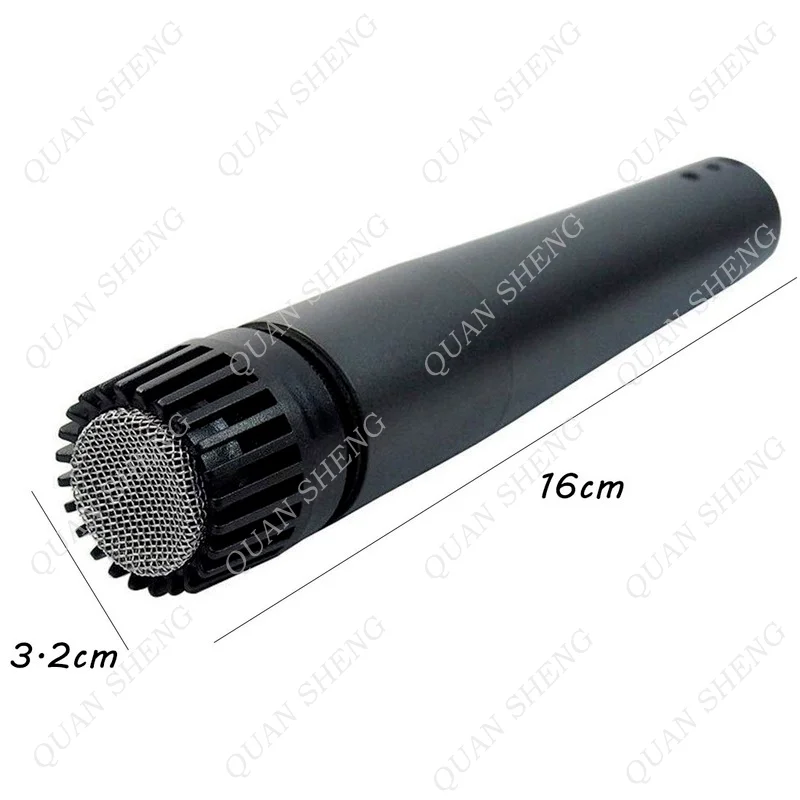
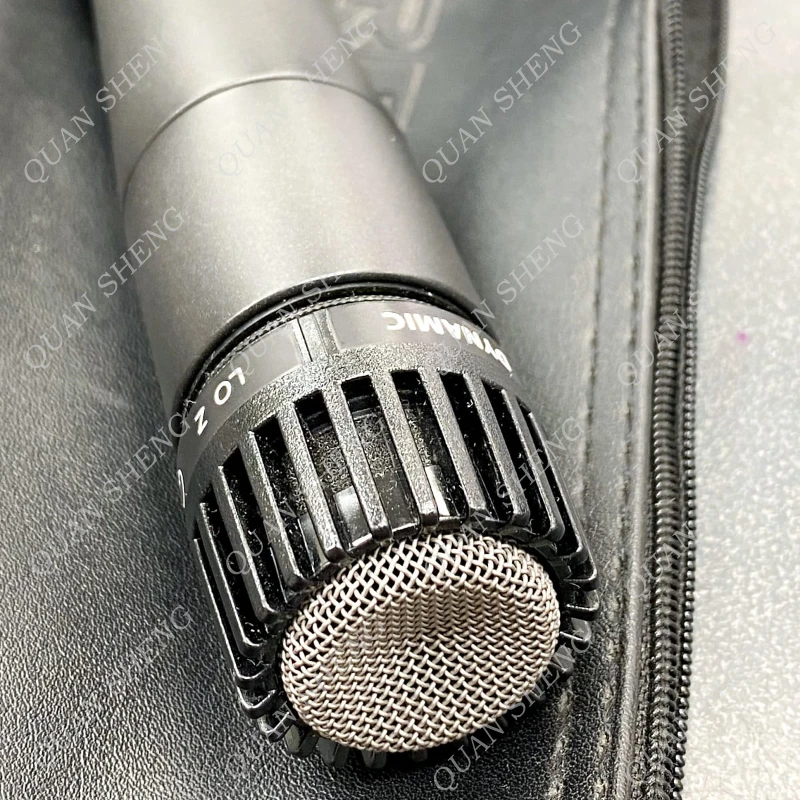
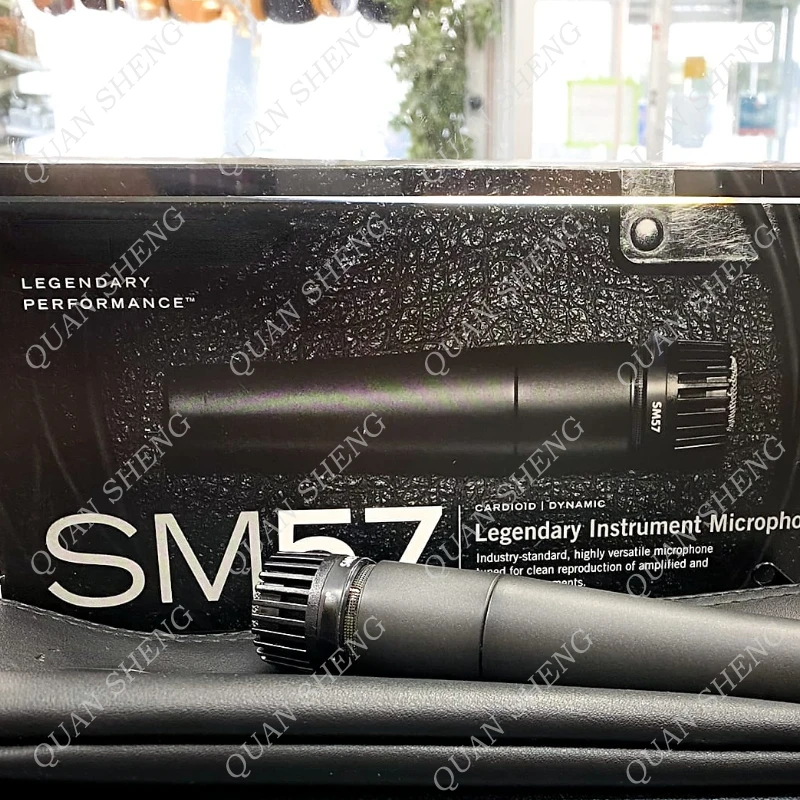
The Quansheng SM57 Professional Handheld Vocal Cardioid MIC is a dynamic microphone engineered for versatility and durability. Designed for live performances, instrument recording, and vocal applications, it combines a rugged metal build with a cardioid polar pattern to deliver clear sound with minimal background noise. Lightweight and portable, it includes essential accessories like a carrying case, windscreen, and XLR cable for seamless setup in studios, stages, or home karaoke setups.
| Feature | Specification | Benefit |
|---|---|---|
| Material | Durable metal body and grille | Long-lasting durability and professional aesthetics |
| Connector Type | XLR interface | Secure, industry-standard connectivity |
| Polar Pattern | Cardioid | Reduces feedback and isolates vocals/instruments |
| Frequency Response | 20Hz-20KHz | Captures full audio spectrum for clarity |
| SPL Handling | 125dB max input | Handles high-volume sources like drums or amplifiers |
| Signal-to-Noise | 60dB SNR | Crisp audio with minimal background hiss |
| Design | Swivel mount, lightweight | Adjustable positioning and easy portability |
Adjustable parameters:
With its legendary performance and cardioid pattern, the SM57 excels in live vocals, guitar cabinets, and drum overheads. Whether you’re a touring musician, a church choir leader, or a home recording enthusiast, its rugged design and versatile frequency response make it a go-to tool for professional-grade audio capture.
| Parameter | Base Model | Advanced Model | Pro Model |
|---|---|---|---|
| Frequency Range | 20Hz-20KHz | 15Hz-22KHz (+10%) | 10Hz-24KHz (+20%) |
| Max SPL Handling | 125dB | 130dB (+4%) | 140dB (+12%) |
| SNR | 60dB | 65dB (+8%) | 70dB (+16%) |
| Weight | 350g | 350g (same) | 320g (-8%) |
Technical Breakthroughs:
Optimal Version Selection:

The Product Description is generated by third-party, and Alibaba.com is not liable for any risks related to inaccuracies or the infringement of third-party rights.
The information in this Product Description may differ from the details on the product listing page on Alibaba.com. Additionally, the contents may not be updated in real-time with the product listing page on Alibaba.com, and there may be delays in reflecting the most updated information. The description on product listing page takes precedence. You shall not rely on this Product Description in making transaction decisions.
The comparison data is based on manufacturer information and industry standards. Actual results may vary depending on individual use cases. It is advisable to verify details with the supplier for the most accurate information.