All categories
Featured selections
Trade Assurance
Buyer Central
Help Center
Get the app
Become a supplier
Customization:
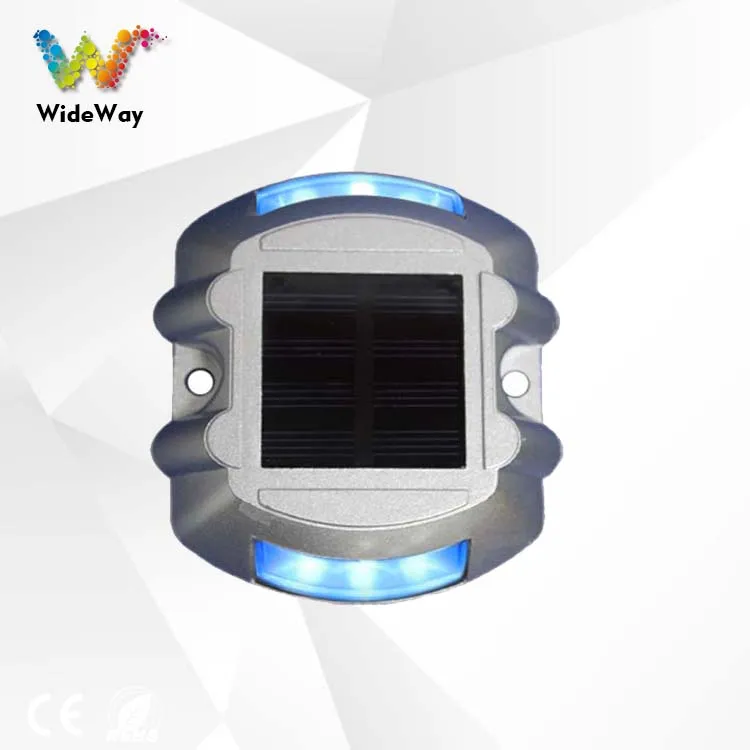
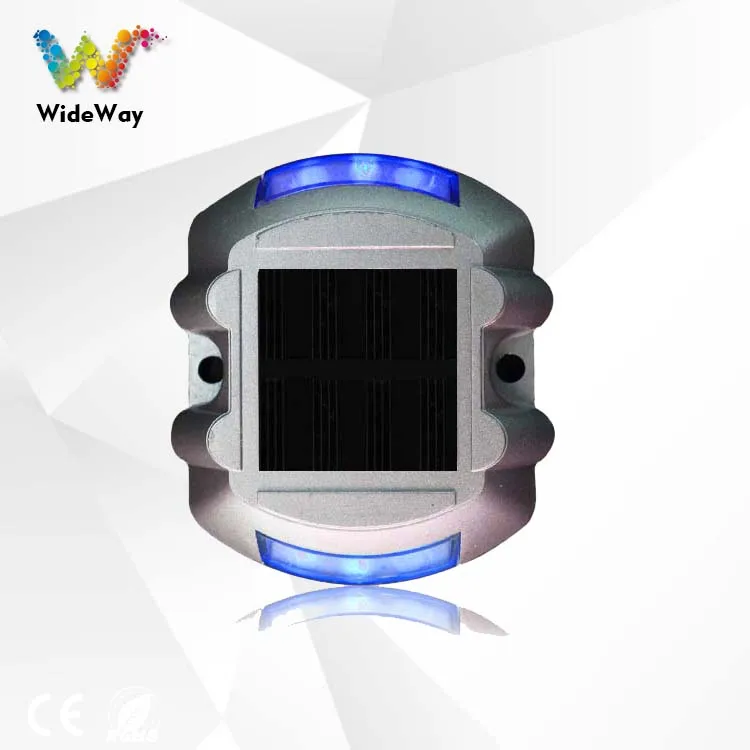
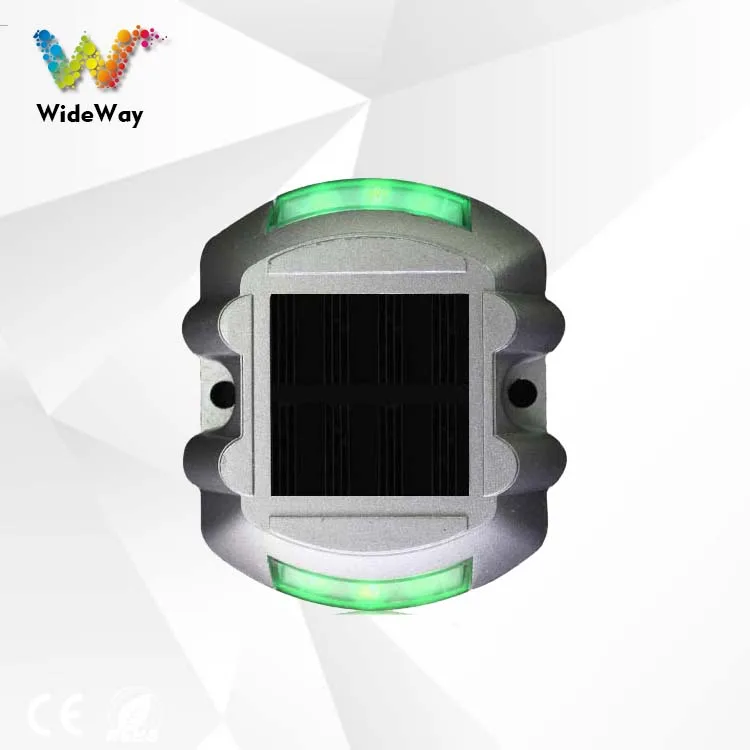
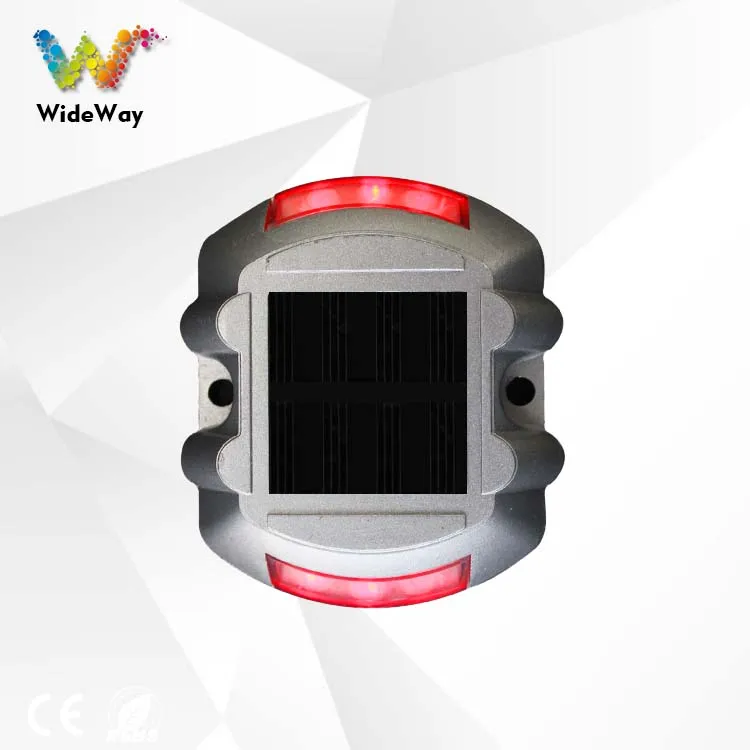
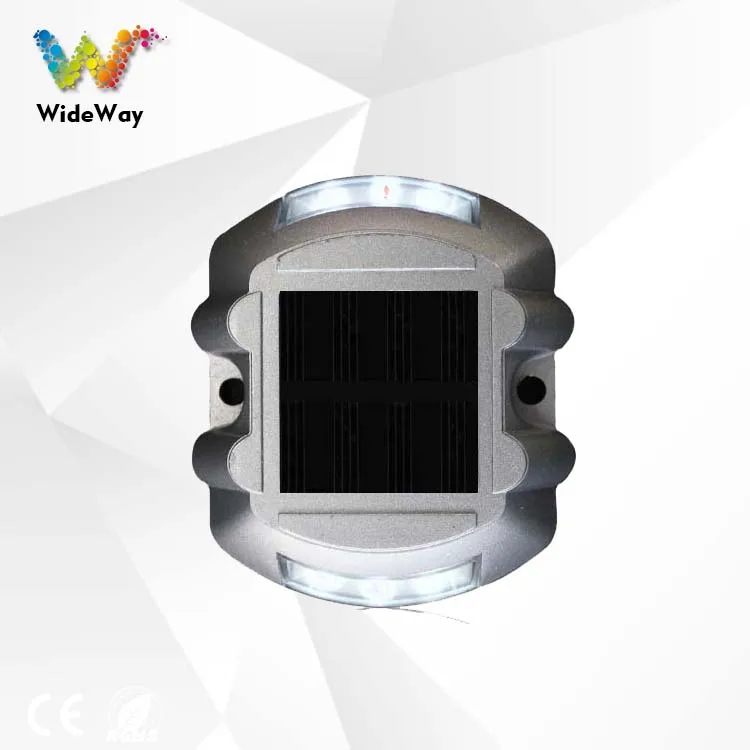
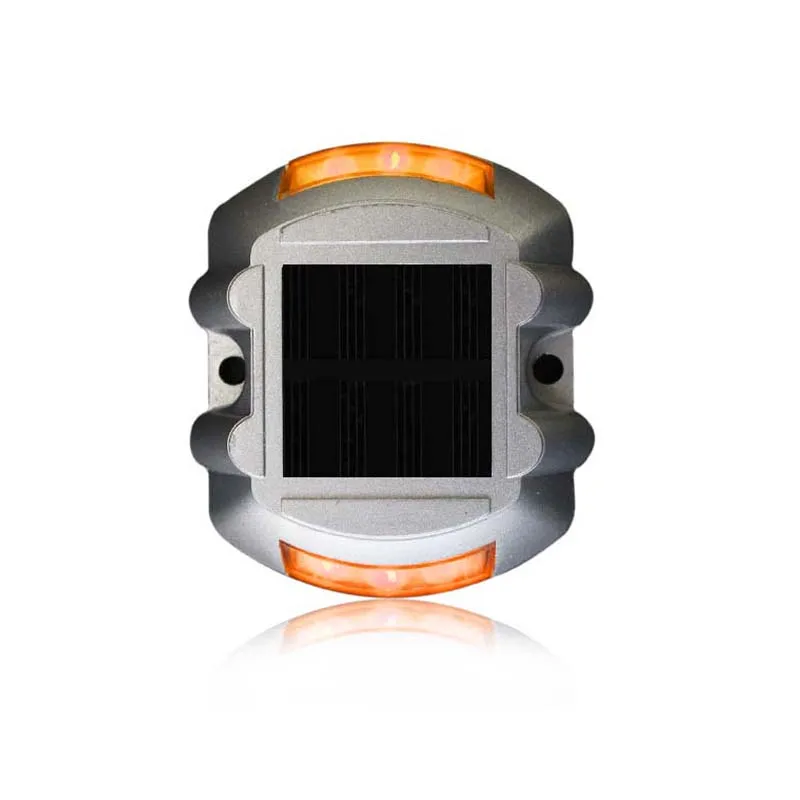
The Solar Power Yellow Flash LED Road Marker is a durable, weather-resistant traffic safety solution designed to enhance visibility on roadways. Crafted from high-quality aluminum alloy, this modular road stud combines solar-powered efficiency with bright yellow LED illumination to ensure safety in low-light conditions. Its compact, modern design adapts to various environments, while its solar panel and energy-efficient LEDs reduce reliance on external power sources.
| Feature | Specification | Application Scenario |
|---|---|---|
| Material | Aluminum Alloy (weather-resistant) | Outdoor roadways, pathways, and driveways |
| Solar Panel | High-efficiency photovoltaic cells | Daytime charging in sunlight |
| LED Lights | Yellow high-visibility LEDs | Nighttime road marking and hazard warning |
| Battery | Rechargeable lithium-ion (long lifespan) | Continuous operation during nighttime |
| Certification | Complies with EN 12899 road safety standards | Regulatory compliance for traffic infrastructure |
Adjustable parameters include:
Elevate road safety with this eco-friendly LED road marker. Its solar-powered design eliminates the need for electrical wiring, while the bright yellow LEDs ensure visibility in fog, rain, or darkness. Ideal for highways, parking lots, or pedestrian zones, this marker adapts to your infrastructure needs.
| Parameter | Base Model | Advanced Model | Pro Model |
|---|---|---|---|
| Solar Efficiency | 18% conversion rate | +15% (20.7%) | +30% (23.4%)* |
| LED Brightness | 80 lumens | 100 lumens | 120 lumens |
| Battery Life | 8 hours | 12 hours | 24 hours |
| Weight | 1.5 kg | 2.0 kg | 2.5 kg |
Technical Breakthroughs:
Model Selection Guide:
With the Pro Model’s 24-hour runtime, you can ensure uninterrupted safety in remote areas. Pair its high-brightness LEDs with the rugged aluminum body to create a reliable solution for extreme conditions. The Advanced Model’s 12-hour battery life balances cost and performance for most municipal projects.
Note: Comparative values assume standard sunlight exposure and usage conditions.

The Product Description is generated by third-party, and Alibaba.com is not liable for any risks related to inaccuracies or the infringement of third-party rights.
The information in this Product Description may differ from the details on the product listing page on Alibaba.com. Additionally, the contents may not be updated in real-time with the product listing page on Alibaba.com, and there may be delays in reflecting the most updated information. The description on product listing page takes precedence. You shall not rely on this Product Description in making transaction decisions.
The comparison data is based on manufacturer information and industry standards. Actual results may vary depending on individual use cases. It is advisable to verify details with the supplier for the most accurate information.