All categories
Featured selections
Trade Assurance
Buyer Central
Help Center
Get the app
Become a supplier

Customization:
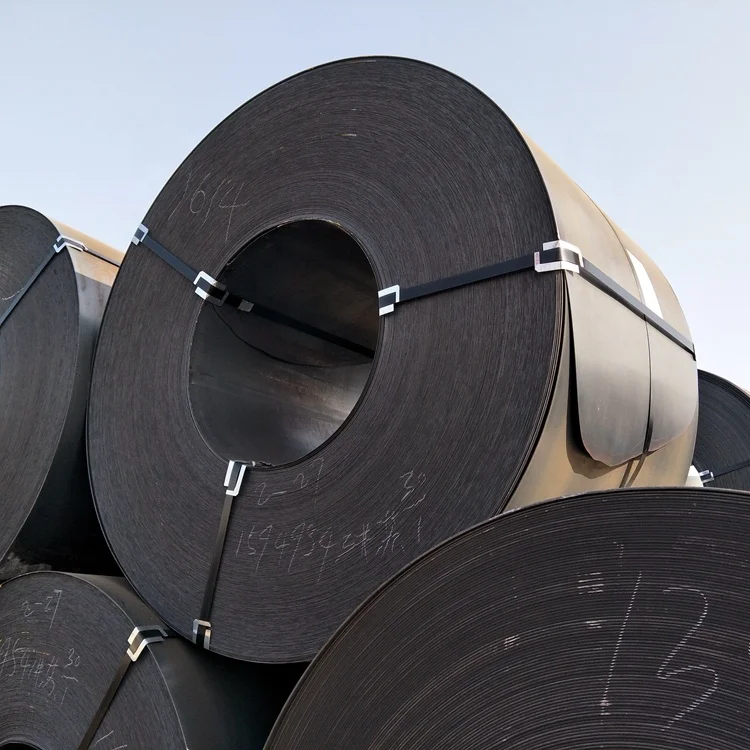
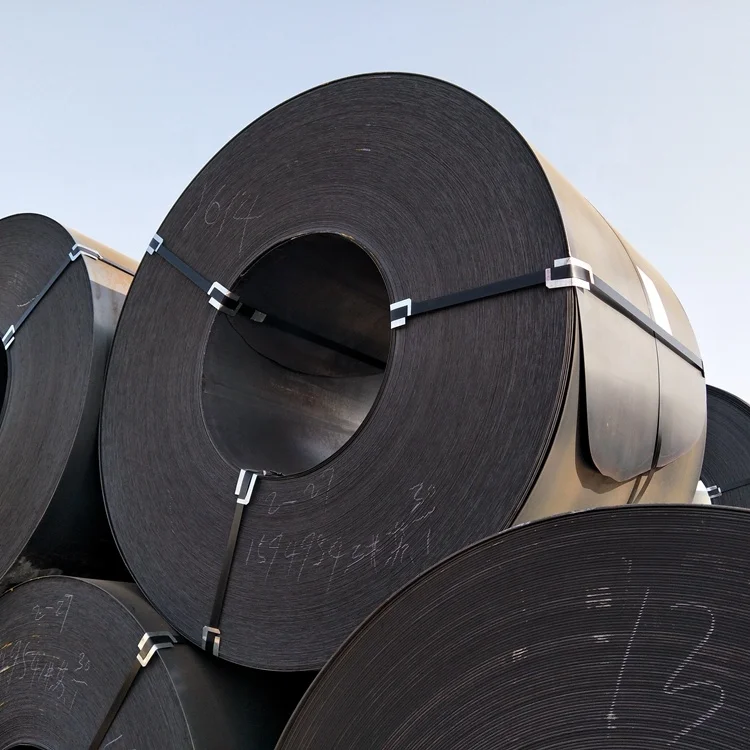
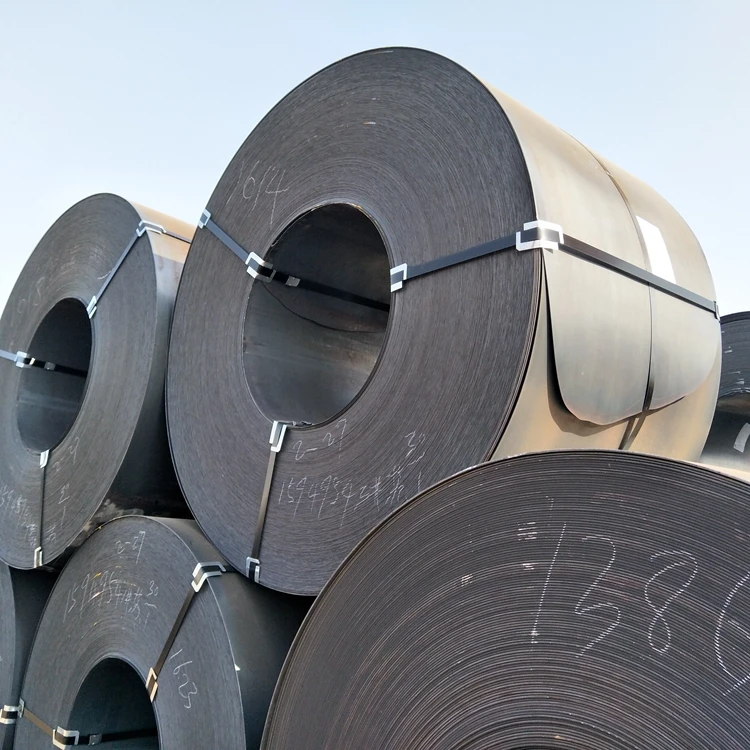
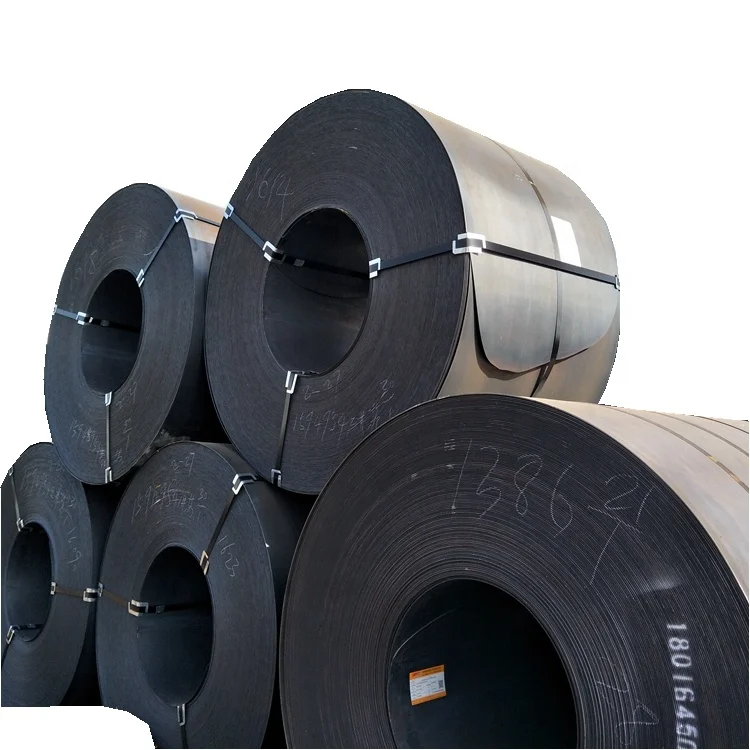
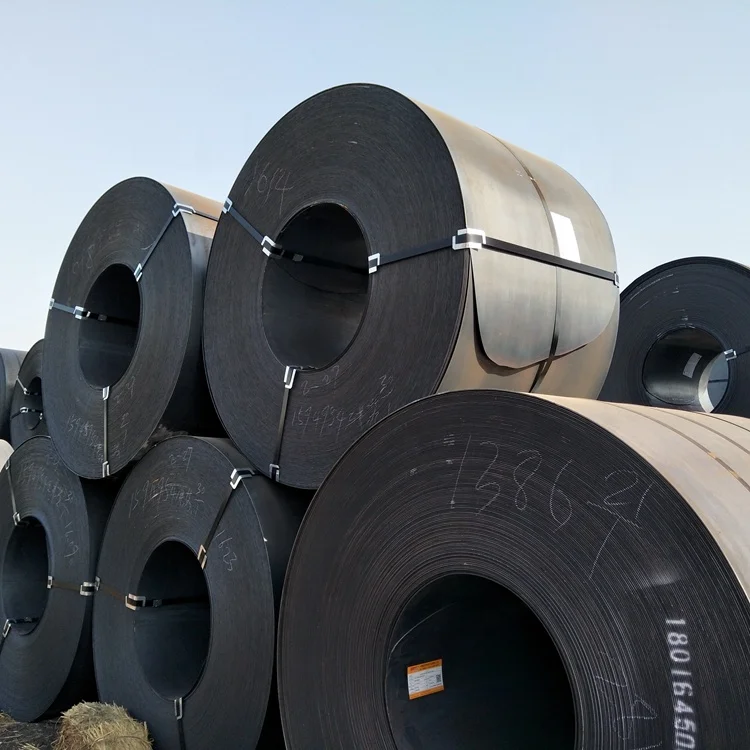
St37 Steel Plain Sheets are high-strength, low-alloy steel products designed for industrial applications requiring durability and precision. Available in thicknesses from 3mm to 30mm, these sheets comply with global standards (ASTM, DIN, GB, JIS, etc.) and offer customizable processing services. Ideal for boiler plates, structural components, and machinery parts, they combine robust performance with cost-effective solutions.
| Feature | Specification | Application Scenario |
|---|---|---|
| Material | St37 Steel (High-strength low-alloy steel) | Boiler plates, structural supports, automotive parts |
| Thickness Range | 3.0mm–30mm (customizable) | Custom fabrication for diverse industrial needs |
| Certifications | ASTM A370, DIN, GB, JIS, ASTM, AISI, BS | Global compliance for international projects |
| Surface Treatment | Hot-rolled or coated | Corrosion resistance in outdoor environments |
| Tolerance | ±1% | Precision engineering and assembly |
| Processing Services | Bending, decoiling, cutting, welding, punching | Custom fabrication for machinery components |
Adjustable parameters:
With St37 Steel Sheets, you can build durable boiler systems, construct load-bearing frameworks, or fabricate precision machinery parts. Their global certifications and customizable processing ensure seamless integration into any industrial workflow.
| Parameter | Base Model (3–6mm) | Advanced Model (6–12mm) | Pro Model (12–30mm) |
|---|---|---|---|
| Thickness Range | 3–6mm | 6–12mm | 12–30mm |
| Tensile Strength | 420 MPa | +15% (483 MPa) | +30% (546 MPa)* |
| Certifications | ASTM A370 | ASTM + DIN | ASTM + DIN + JIS |
| Processing Complexity | Standard cuts | Precision bending | Heavy-duty welding |
Three Key Breakthroughs:
Optimal Version Selection:
With the Pro Model’s triple-certified compliance (ASTM + DIN + JIS), you can ensure safety in cross-border projects. Pair its 546 MPa strength with coated surfaces for long-term durability in marine environments.

The Product Description is generated by third-party, and Alibaba.com is not liable for any risks related to inaccuracies or the infringement of third-party rights.
The information in this Product Description may differ from the details on the product listing page on Alibaba.com. Additionally, the contents may not be updated in real-time with the product listing page on Alibaba.com, and there may be delays in reflecting the most updated information. The description on product listing page takes precedence. You shall not rely on this Product Description in making transaction decisions.
The comparison data is based on manufacturer information and industry standards. Actual results may vary depending on individual use cases. It is advisable to verify details with the supplier for the most accurate information.