All categories
Featured selections
Trade Assurance
Buyer Central
Help Center
Get the app
Become a supplier

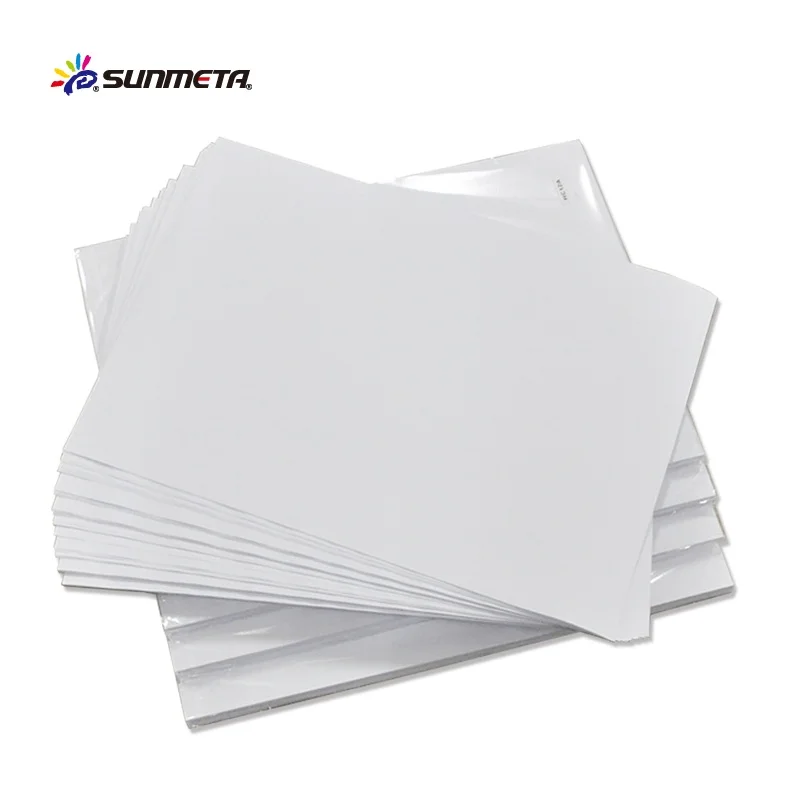
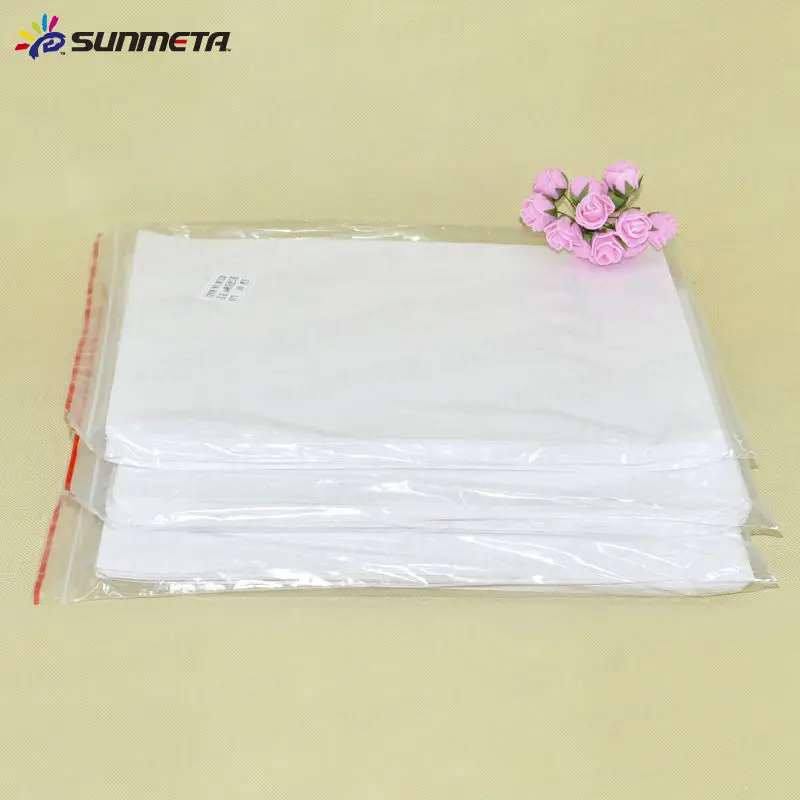
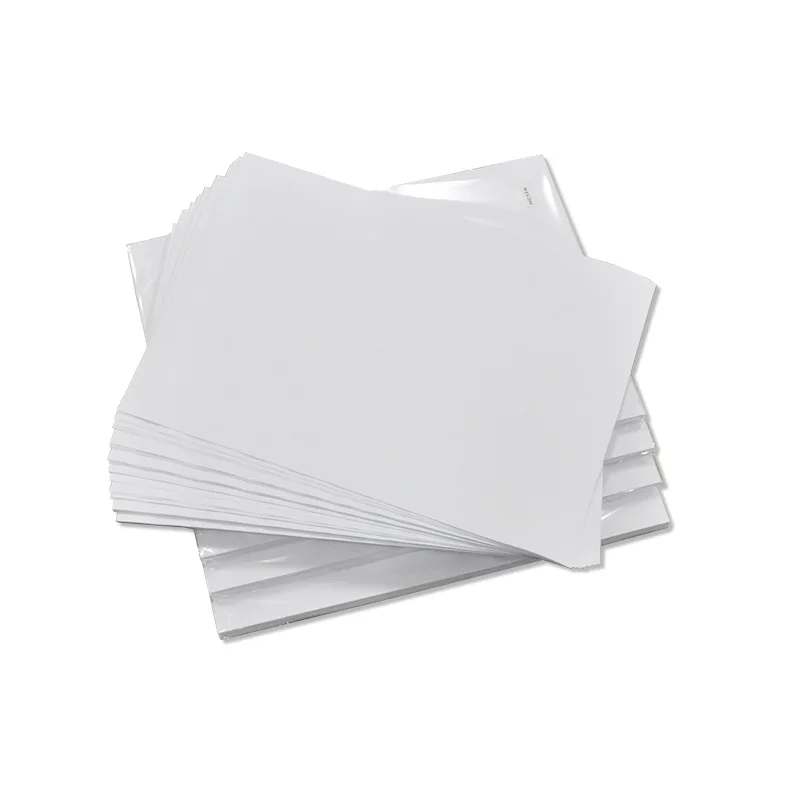
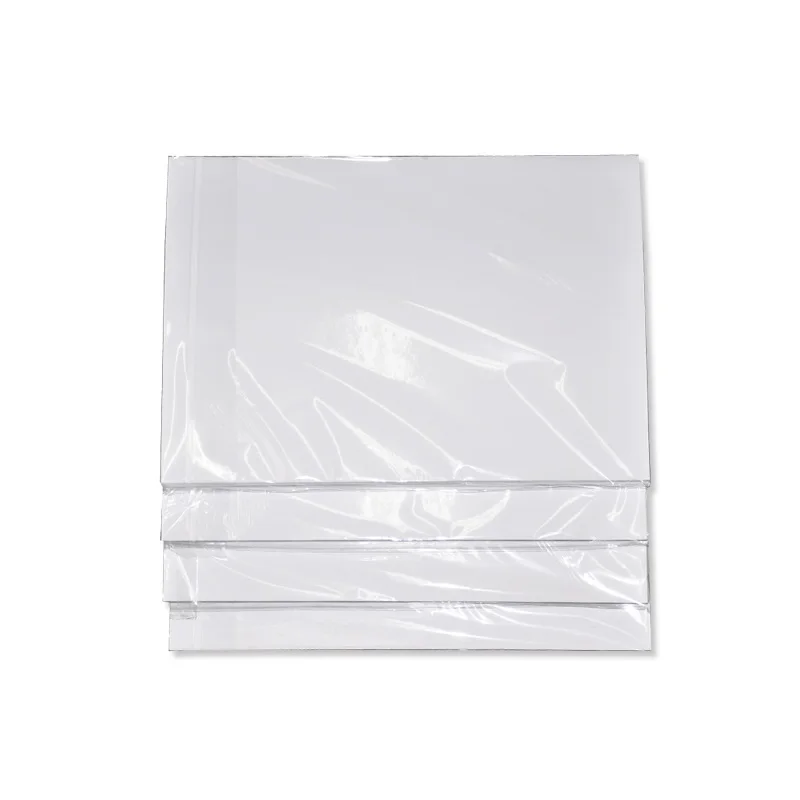
Sunmeta Sublimation Machine Consumables provide high-quality thermal transfer paper designed for manual heat press applications. Compatible with mug, flatbed, and sublimation plate presses, this paper ensures crisp transfers on items like t-shirts, caps, mouse pads, and plates. Its durable construction and precise temperature resistance enable consistent results across various materials.
| Feature | Specification | Benefit |
|---|---|---|
| Material | 100% polyester-coated thermal paper | Ensures vibrant color transfer and durability |
| Thickness | 0.3mm (standard) | Balances flexibility and structural integrity |
| Temperature Range | 350°F–400°F (175°C–205°C) | Optimized for manual heat press machines |
| Application | Mugs, t-shirts, caps, plates, mouse pads | Versatile for diverse sublimation projects |
Adjustable parameters include paper thickness (0.25mm–0.4mm) and sheet size (up to A3) to meet specialized project needs. Custom labels or pre-printed templates can also be integrated for branding or organizational purposes.
With Sunmeta’s sublimation paper, unleash creativity by printing personalized designs on mugs, apparel, or promotional items. Ideal for hobbyists, small businesses, or professionals seeking reliable transfers without compromising quality.
| Parameter | Base Model | Advanced Model | Pro Model |
|---|---|---|---|
| Thickness | 0.3mm | 0.35mm (+15% rigidity) | 0.4mm (+30% rigidity)* |
| Temperature Range | 350°F–400°F | 375°F–425°F | 400°F–450°F |
| Durability | Standard | 30% thicker coating | 50% reinforced core |
Technical Breakthroughs:
Optimal Version Selection:
Example Use Case: The Pro Model’s 450°F capability allows safe, high-speed transfers on thick ceramic plates, while its reinforced core prevents paper damage during prolonged heat exposure. Pair this with the 0.4mm thickness for crisp designs on rigid surfaces.

The Product Description is generated by third-party, and Alibaba.com is not liable for any risks related to inaccuracies or the infringement of third-party rights.
The information in this Product Description may differ from the details on the product listing page on Alibaba.com. Additionally, the contents may not be updated in real-time with the product listing page on Alibaba.com, and there may be delays in reflecting the most updated information. The description on product listing page takes precedence. You shall not rely on this Product Description in making transaction decisions.
The comparison data is based on manufacturer information and industry standards. Actual results may vary depending on individual use cases. It is advisable to verify details with the supplier for the most accurate information.