All categories
Featured selections
Trade Assurance
Buyer Central
Help Center
Get the app
Become a supplier
Customization:
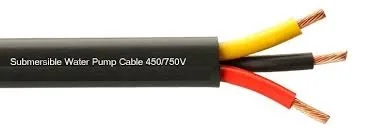
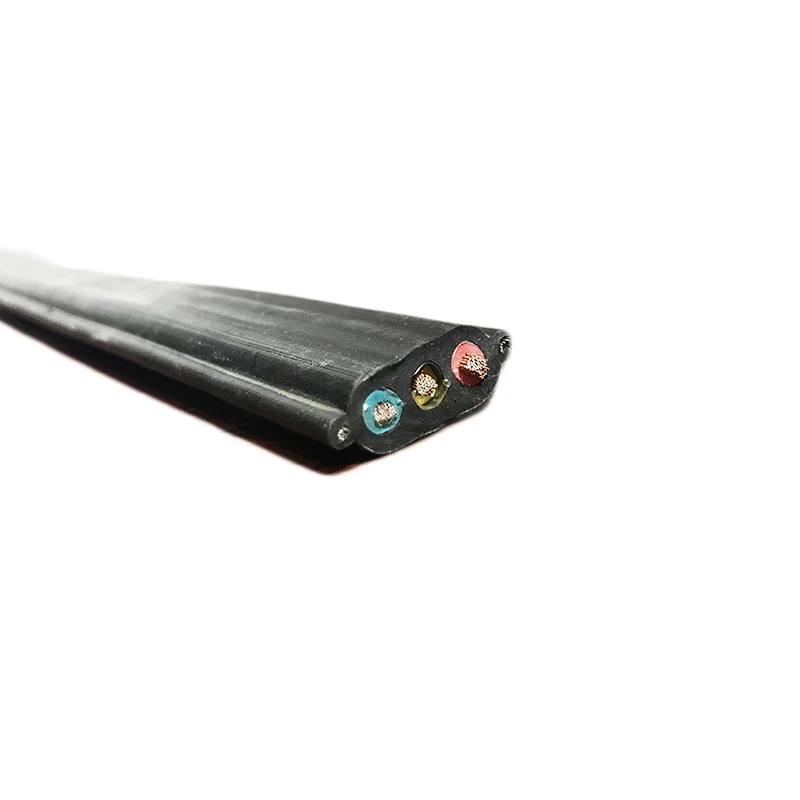
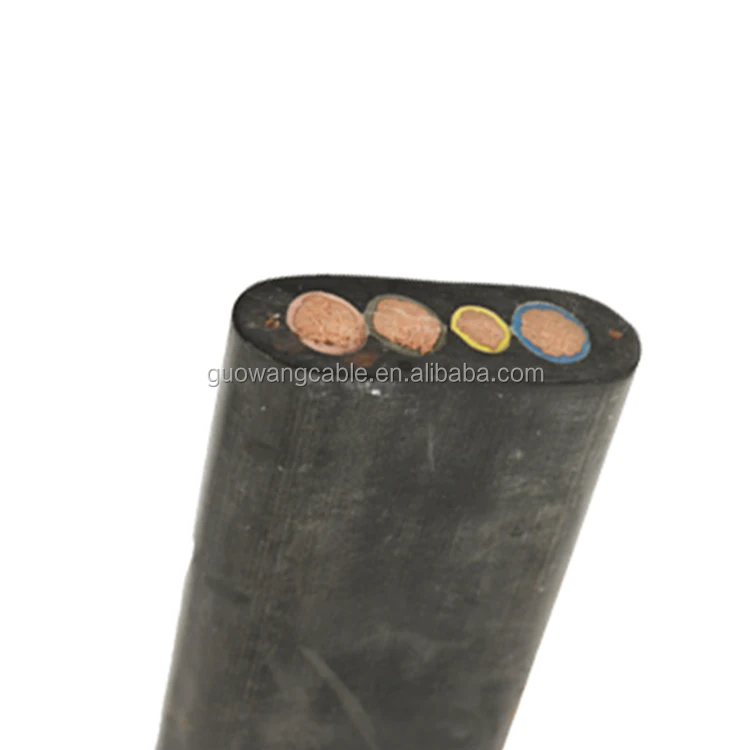
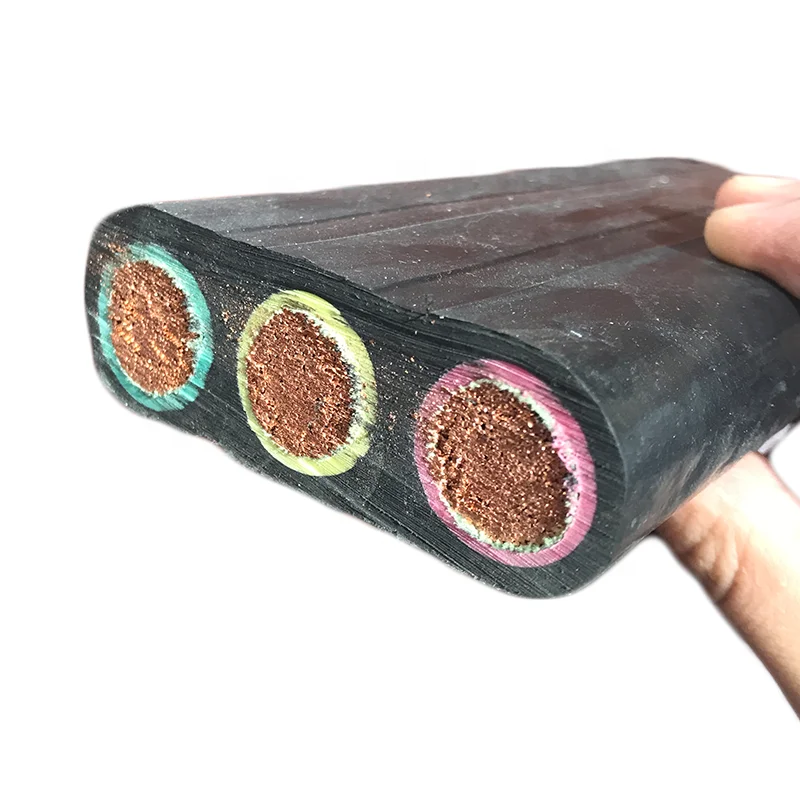
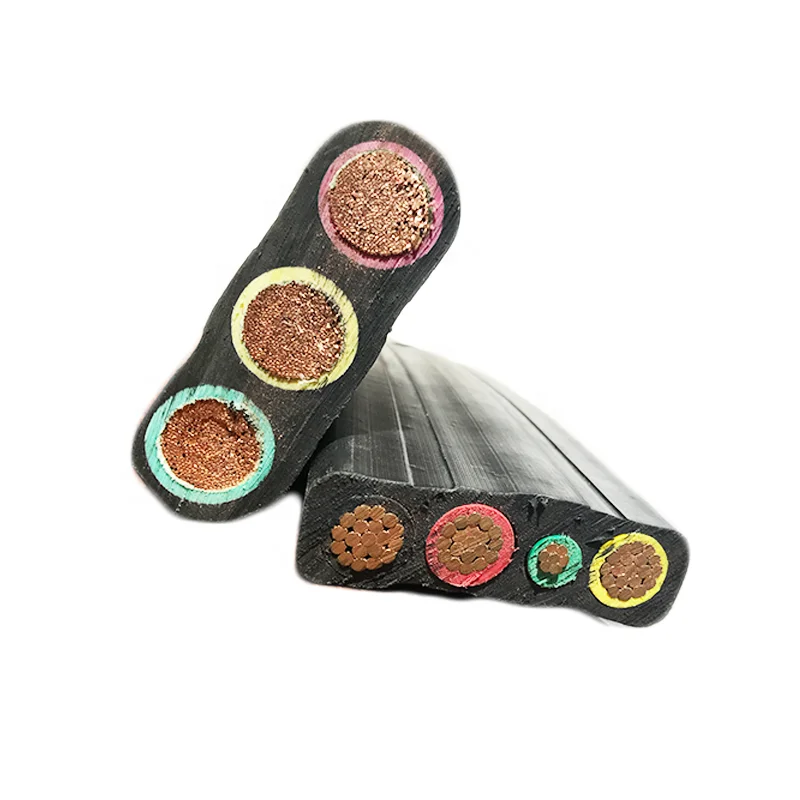
The Super Flexible Copper Wire 2 Core Flat Rubber Sheath Cable is designed for industrial applications, providing reliable power transmission with its flexible construction and robust materials. This cable features a flat rubber sheath, ensuring durability and protection against environmental factors.
| Feature | Specification | Benefit |
|---|---|---|
| Conductor Material | Copper | High conductivity, low resistance |
| Insulation Material | Rubber | Excellent insulation and flexibility |
| Core Configuration | 2 Core | Simplified installation, flexibility |
| Cable Type | Low Voltage | Suitable for various industrial applications |
| Flexibility | High | Easy to maneuver and install |
Adjustable parameters include the number of conductors, conductor size, and insulation material to meet specific electrical standards or environmental conditions, such as heat-resistant insulation for high-temperature applications.
With its flexible design and robust construction, this cable is perfect for industrial applications where reliable and safe power transmission is crucial. Whether you need to power machinery or ensure consistent electrical flow, this cable adapts to your needs.
| Parameter | Base Model | Advanced Model | Pro Model |
|---|---|---|---|
| Conductor Size | 35mm² | [+15%] | [+30%]* |
| Flexibility | Standard | Enhanced | Premium |
| Insulation Strength | Standard | Enhanced | Premium |
The Pro version's superior flexibility and enhanced insulation strength ensure optimal performance in rigorous industrial environments, reducing the risk of electrical faults. When paired with its high conductivity copper wires, this cable is ideal for demanding power transmission tasks. For those requiring maximum flexibility and durability, the Pro Model is the recommended choice due to its enhanced specifications, making it suitable for high-stress industrial applications.

The Product Description is generated by third-party, and Alibaba.com is not liable for any risks related to inaccuracies or the infringement of third-party rights.
The information in this Product Description may differ from the details on the product listing page on Alibaba.com. Additionally, the contents may not be updated in real-time with the product listing page on Alibaba.com, and there may be delays in reflecting the most updated information. The description on product listing page takes precedence. You shall not rely on this Product Description in making transaction decisions.
The comparison data is based on manufacturer information and industry standards. Actual results may vary depending on individual use cases. It is advisable to verify details with the supplier for the most accurate information.