All categories
Featured selections
Trade Assurance
Buyer Central
Help Center
Get the app
Become a supplier
Customization:
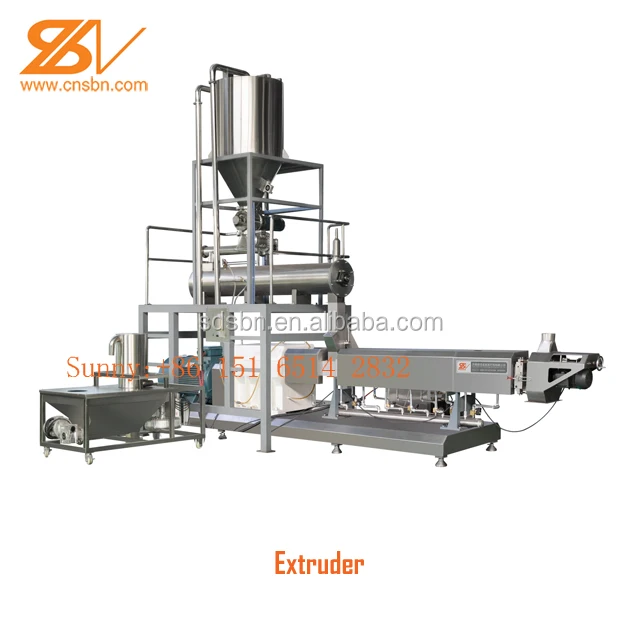
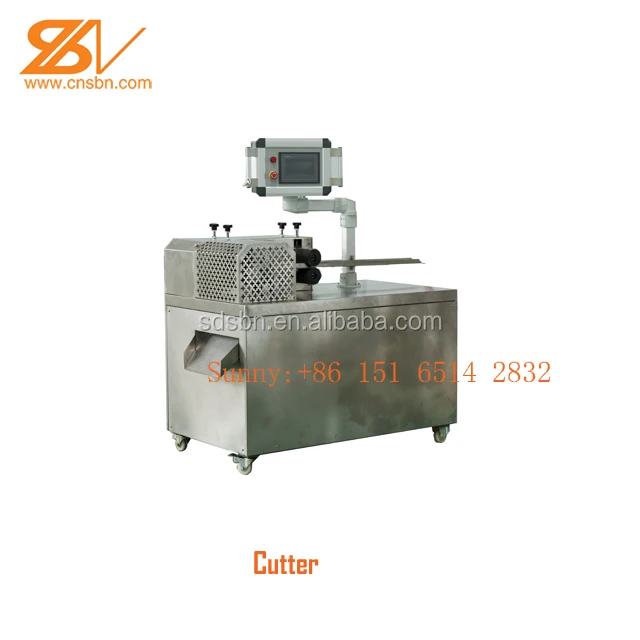
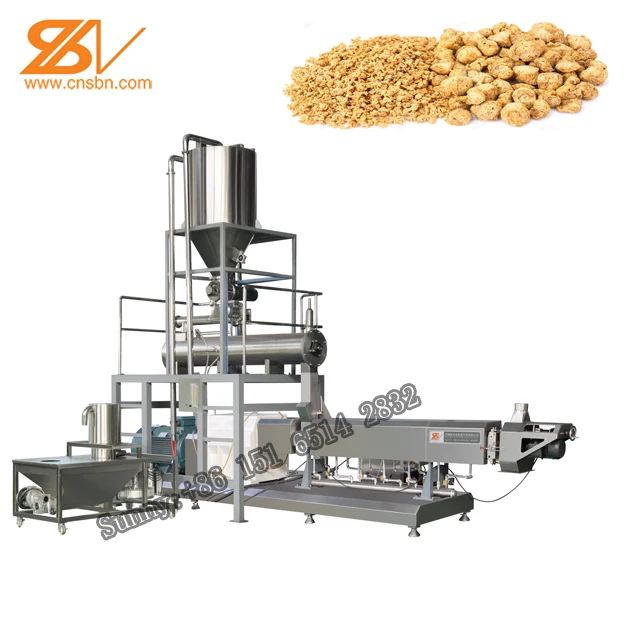
The TSP TVP Textured Soya Protein Chunks Mince Making Machine is a robust, stainless steel-based solution for producing high-quality soya protein products. Designed for food manufacturers, it efficiently processes flour-based raw materials into textured soya protein chunks and mince through precise extrusion, shaping, and cooling. Its modular design ensures scalability and adaptability to diverse production needs.
| Feature | Specification | Application Scenario |
|---|---|---|
| Material | Stainless steel construction | Ensures corrosion resistance and hygiene in food-grade environments |
| Feed Hopper | 304-grade stainless steel, 200L capacity | Bulk loading of flour-based raw materials |
| Extruder | Rotating screw with 15kW motor | High-pressure processing of dough for consistent texture |
| Die Head | Adjustable modular dies (3-10mm holes) | Custom shaping of soya protein chunks/mince |
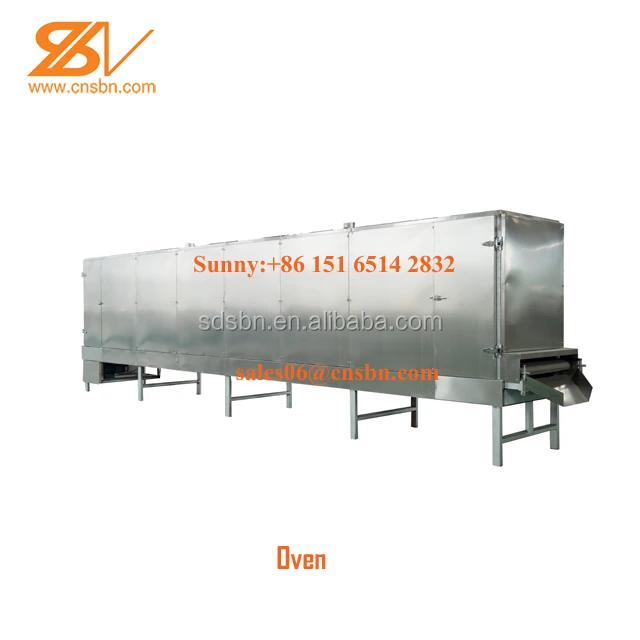
| Cooling System | Water-cooled quenching tunnel | Rapid solidification of extruded products |
| Conveyor Belt | Stainless steel mesh belt | Smooth transport of finished products for packaging |
Adjustable die head configurations (hole size, shape) and screw speed settings (50-200 RPM) allow customization to meet specific production requirements. The modular cooling system can be upgraded for temperature precision in high-moisture raw materials.
With its stainless steel durability and modular design, this machine enables food producers to create versatile soya protein products—from meat substitutes to snacks—while maintaining hygiene standards. Its scalable capacity (500-3000 kg/h) adapts to small-batch prototyping or large-scale commercial production.
| Parameter | Base Model | Advanced Model | Pro Model |
|---|---|---|---|
| Processing Capacity | 500 kg/h | +15% (575 kg/h)* | +30% (650 kg/h)* |
| Die Customization | Standard dies | 5+ pre-set shapes | Fully customizable |
| Cooling Efficiency | Basic water-cooled | 20% faster cooling | 30% faster, dual-stage |
| Motor Power | 15kW | 18kW | 22kW |
Technical Breakthroughs:
Version Selection Guide:
With the Pro Model’s 30% higher capacity and triple the die customization options, users can efficiently scale production for global markets. Pair its premium cooling with high-protein flour blends to achieve optimal texture retention, enhancing product shelf life and consumer appeal.

The Product Description is generated by third-party, and Alibaba.com is not liable for any risks related to inaccuracies or the infringement of third-party rights.
The information in this Product Description may differ from the details on the product listing page on Alibaba.com. Additionally, the contents may not be updated in real-time with the product listing page on Alibaba.com, and there may be delays in reflecting the most updated information. The description on product listing page takes precedence. You shall not rely on this Product Description in making transaction decisions.
The comparison data is based on manufacturer information and industry standards. Actual results may vary depending on individual use cases. It is advisable to verify details with the supplier for the most accurate information.