All categories
Featured selections
Trade Assurance
Buyer Central
Help Center
Get the app
Become a supplier
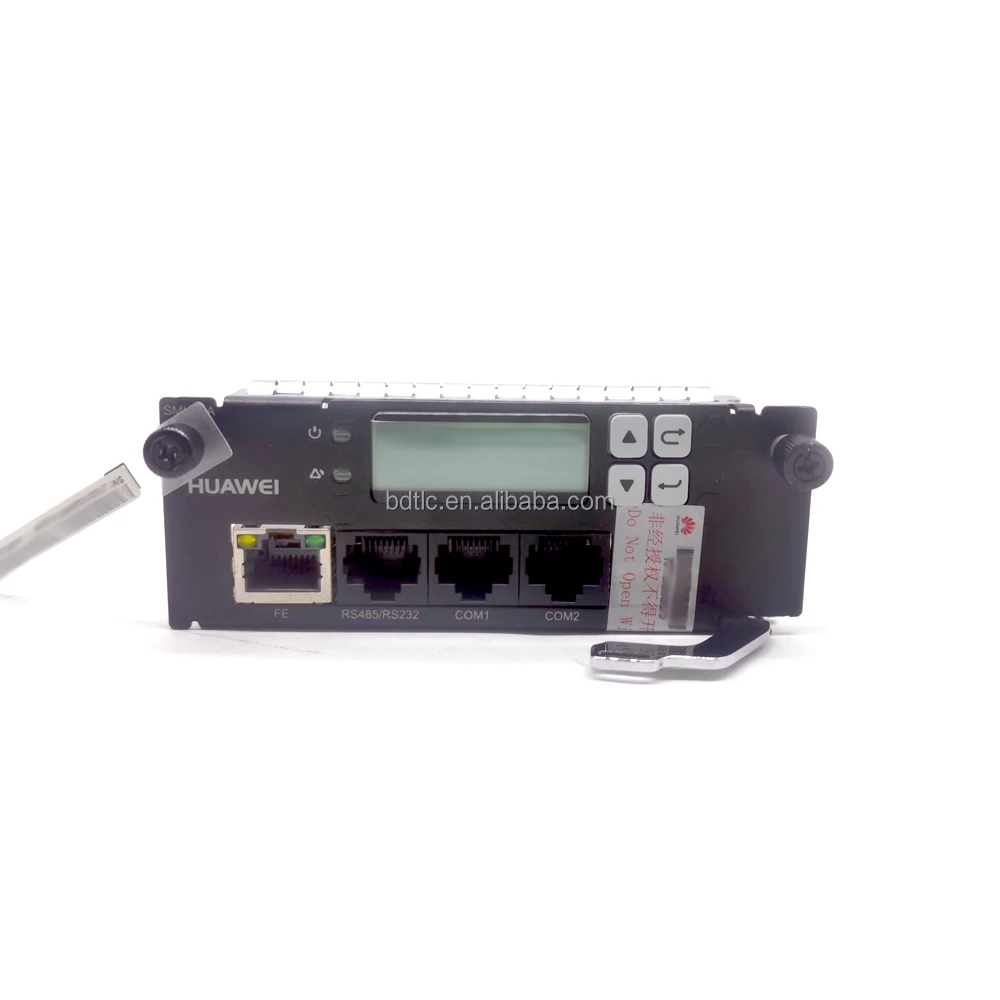
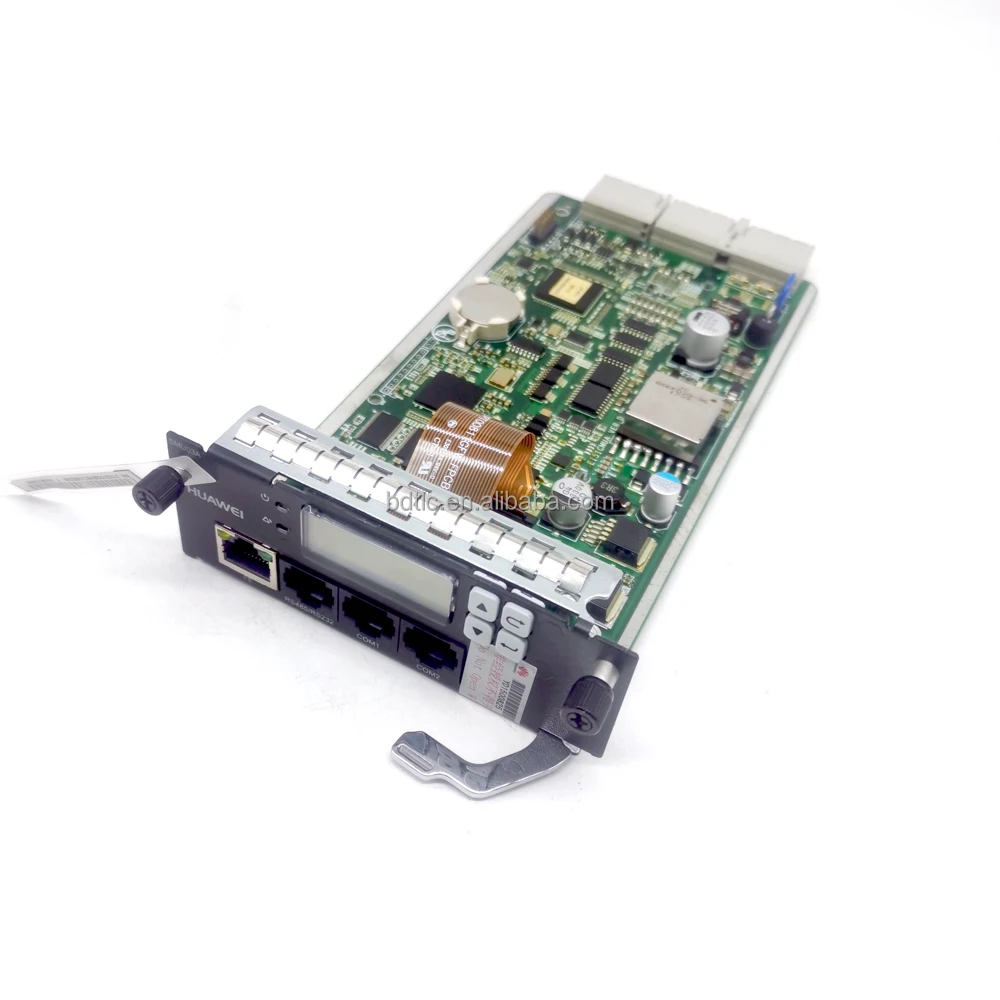
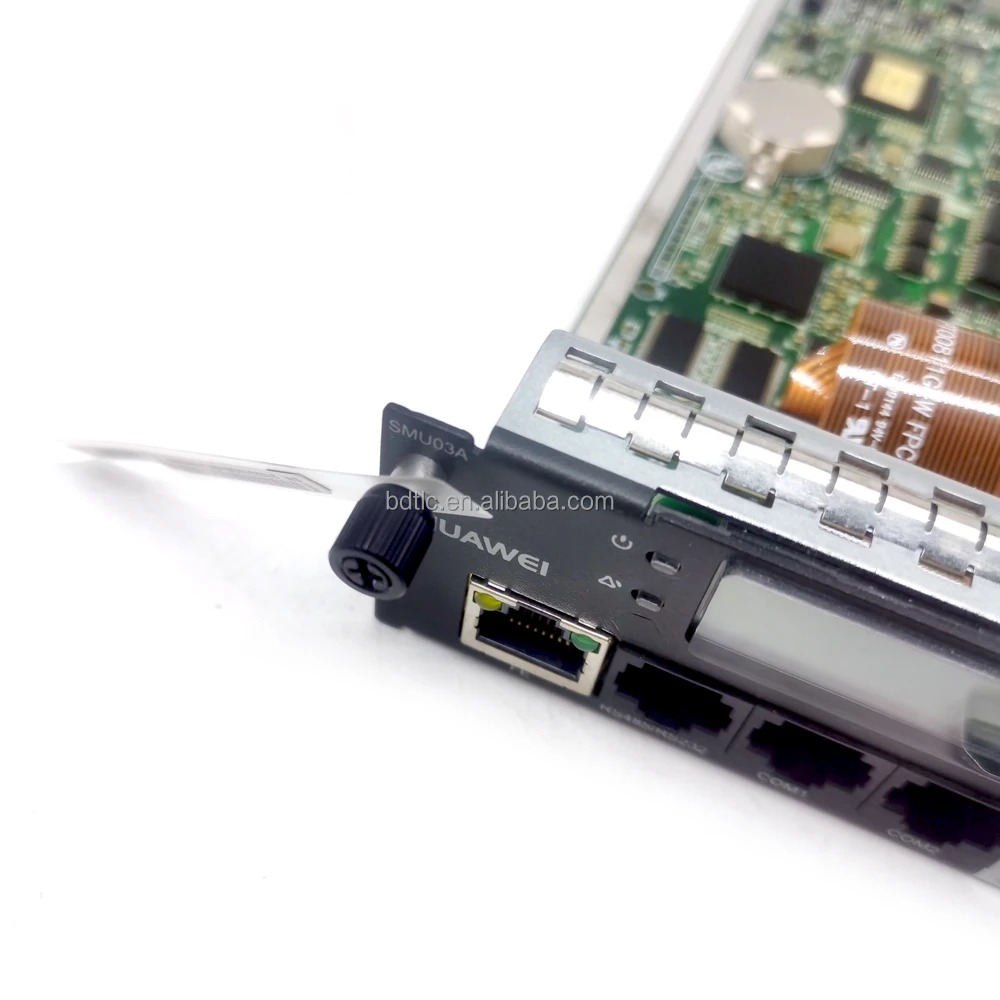
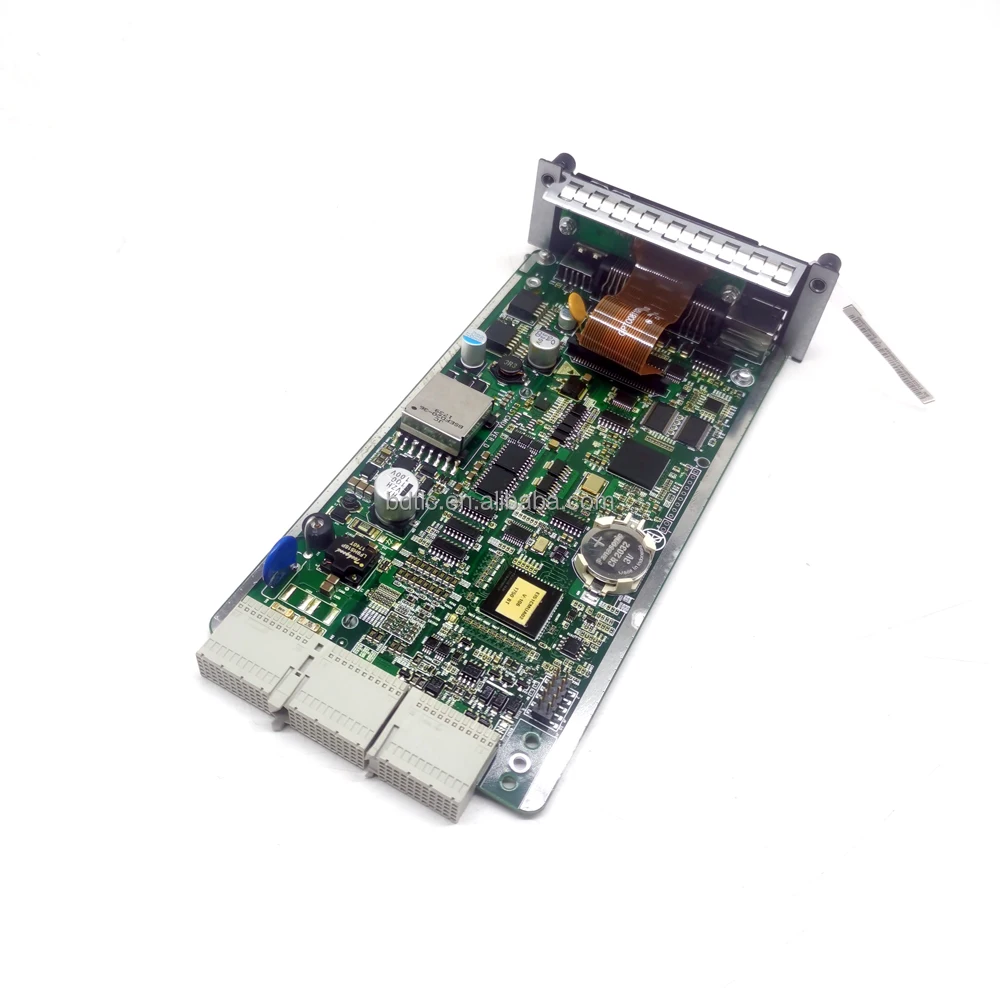
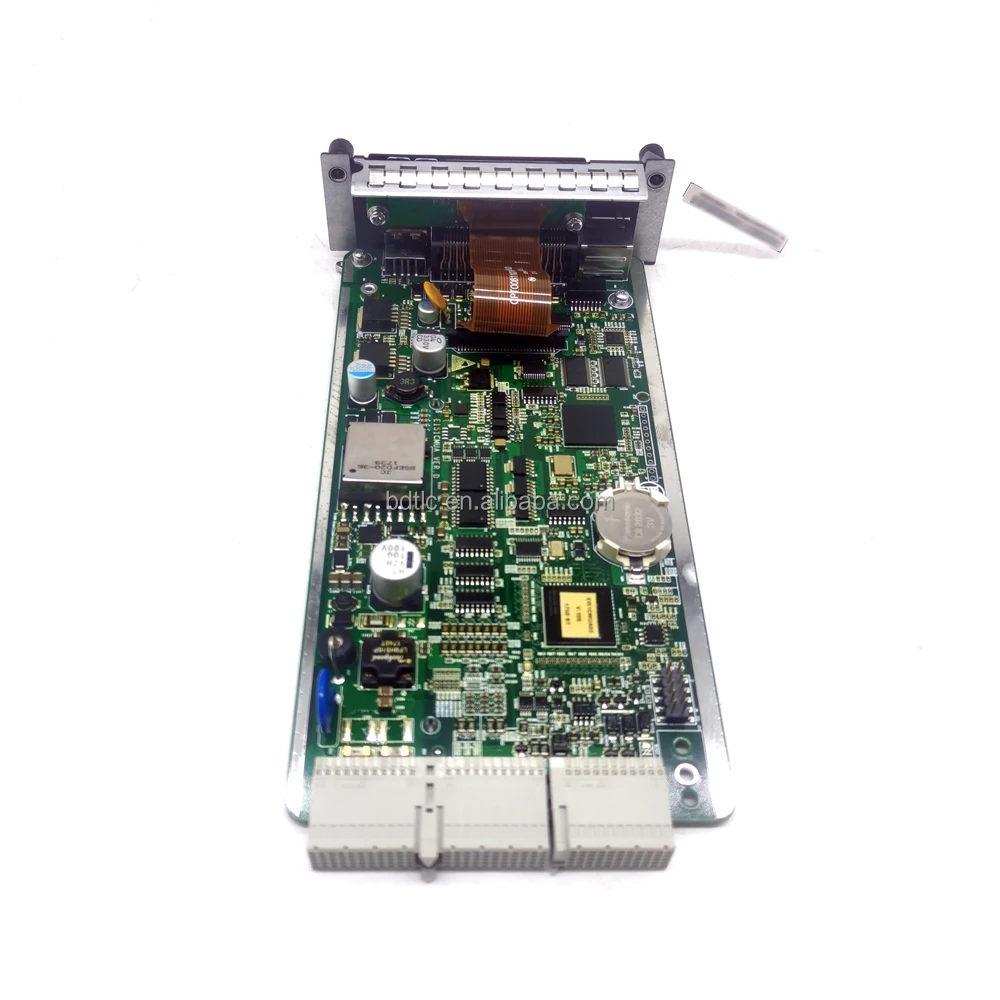
The Telecom Power SMU03A Controller Module is a versatile Huawei network device designed for telecom infrastructure, supporting GSM, 3G, and 4G networks. Equipped with multi-protocol ports (Ethernet, RS485/RS232, and serial interfaces), it ensures seamless connectivity in diverse telecom environments. Its tamper-proof design and customizable configuration options make it ideal for secure, scalable base station deployments.
| Feature | Specification | Benefit |
|---|---|---|
| Network Compatibility | GSM, 3G, 4G | Ensures backward compatibility with legacy systems. |
| Port Configuration | 4x Ethernet (FE), RS485/RS232, COM1/COM2 | Supports hybrid wired/wireless network integration. |
| Security Features | Tamper-proof housing, password protection | Prevents unauthorized access and ensures data integrity. |
| Display | Integrated LCD status monitor | Simplifies real-time monitoring and diagnostics. |
Adjustable port configurations (e.g., RS485/RS232 or Ethernet ratios) to meet specific telecom infrastructure requirements. Customize firmware settings for enhanced security protocols or network optimization.
With its modular design and multi-protocol ports, the SMU03A seamlessly bridges legacy systems and modern 4G networks. For instance, RS485/RS232 ports enable integration with industrial automation equipment, while Ethernet ports future-proof your setup for fiber-optic upgrades.
| Parameter | Base Model | Advanced Model | Pro Model |
|---|---|---|---|
| Network Support | 4G | 4G + 5G Ready* | 5G Full Support |
| Port Density | 6 ports | 8 ports (+33%) | 12 ports (+100%)* |
| Security Level | Basic encryption | Military-grade AES-256 | +50% enhanced firewall |
Technical Breakthroughs:
Version Selection Guide:
With the Pro Model’s 5G capabilities and enhanced firewall, operators can securely manage IoT devices in industrial settings. Pair its 12-port density with fiber-optic backhaul to reduce latency by 30% compared to traditional copper setups.

The Product Description is generated by third-party, and Alibaba.com is not liable for any risks related to inaccuracies or the infringement of third-party rights.
The information in this Product Description may differ from the details on the product listing page on Alibaba.com. Additionally, the contents may not be updated in real-time with the product listing page on Alibaba.com, and there may be delays in reflecting the most updated information. The description on product listing page takes precedence. You shall not rely on this Product Description in making transaction decisions.
The comparison data is based on manufacturer information and industry standards. Actual results may vary depending on individual use cases. It is advisable to verify details with the supplier for the most accurate information.