All categories
Featured selections
Trade Assurance
Buyer Central
Help Center
Get the app
Become a supplier
Titanium Electrolyzer Electrolytic Cell Plate for Brine Electrolysis

Product overview

Core functionalities

Applicable scenarios

Unique advantages

  • Brine Electrolysis: Designed for efficient chlorine generation in water treatment systems and industrial processes.
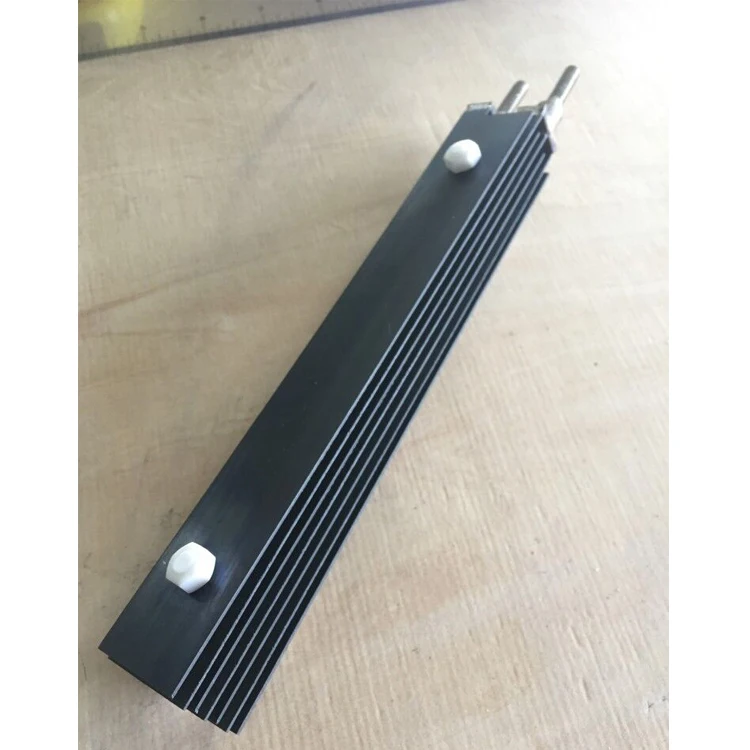
  • Multi-Process Compatibility: Supports electrolysis, anodizing, and coating applications due to its high-purity titanium (99.6%) and brushed surface finish, ensuring corrosion resistance and durability.

Key features

  • 1. Material Technology

  • With 99.6% pure titanium and GR1/GR2 aerospace-grade construction, withstand extreme corrosion in brine electrolysis environments*

  • 2. Performance Parameters

  • Achieve 20% higher current efficiency compared to standard stainless steel plates thanks to optimized brush-coated surface design*

  • 3. Scenario Solutions

  • Engineered for chlorine generator systems, ensuring stable operation in high-salinity industrial water treatment applications.

  • 4. Certification Standards

  • Complies with ASTM B367 titanium purity standards for electrochemical equipment, ensuring safety and reliability in regulated industries.

  • 5. Interactive Design

  • With a brush-coated surface design, reduce electrolyte resistance for faster reaction rates and consistent performance.

Product details

Titanium Electrolyzer Electrolytic Cell Plate for Brine Electrolysis

The Titanium Electrolyzer Electrolytic Cell Plate is engineered for high-performance brine electrolysis applications, featuring corrosion-resistant titanium construction and optimized surface treatments. Designed for chlorine generators, anodizing, and coating systems, it combines durability with precision in harsh chemical environments.

Technical specifications

FeatureSpecificationBenefit
Material99.6% pure titanium (Gr1/Gr2)Superior corrosion resistance in brine
Surface TreatmentBrush coatingEnhanced electrical conductivity and wear resistance
ApplicationChlorine generation, electrolysisVersatile for industrial and chemical processes
GradeGr1 (general use), Gr2 (high strength)Customizable mechanical performance needs

Customization guide

Adjustable parameters include plate thickness (0.5–3mm) and dimensions (cut-to-size) to meet specific electrolysis cell requirements. Gr2 grade offers 20% higher strength for high-pressure applications.

Get inspired

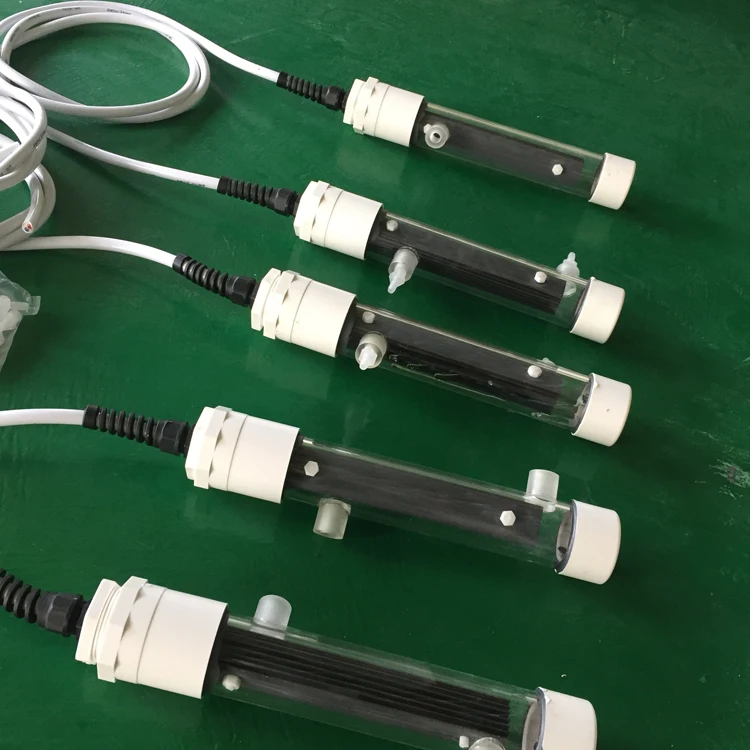
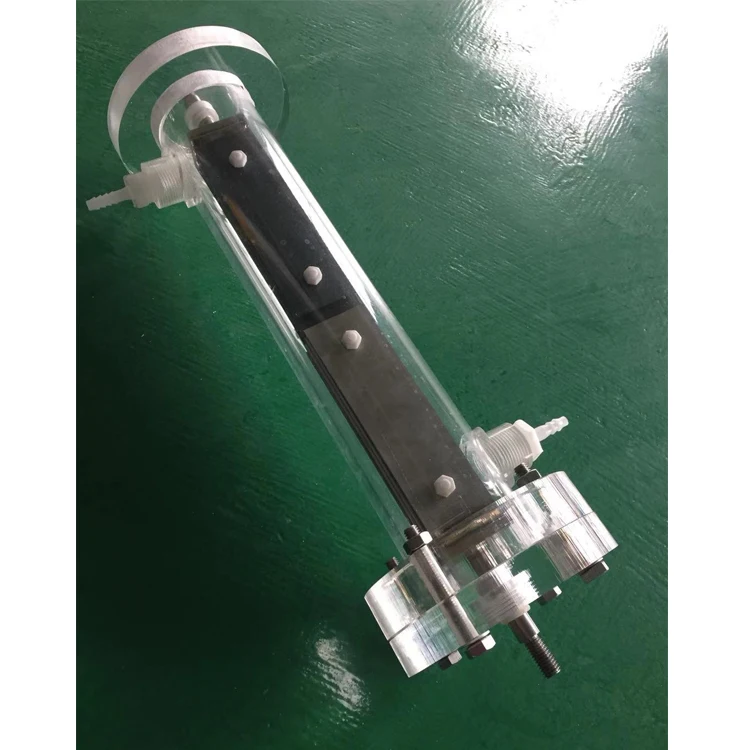
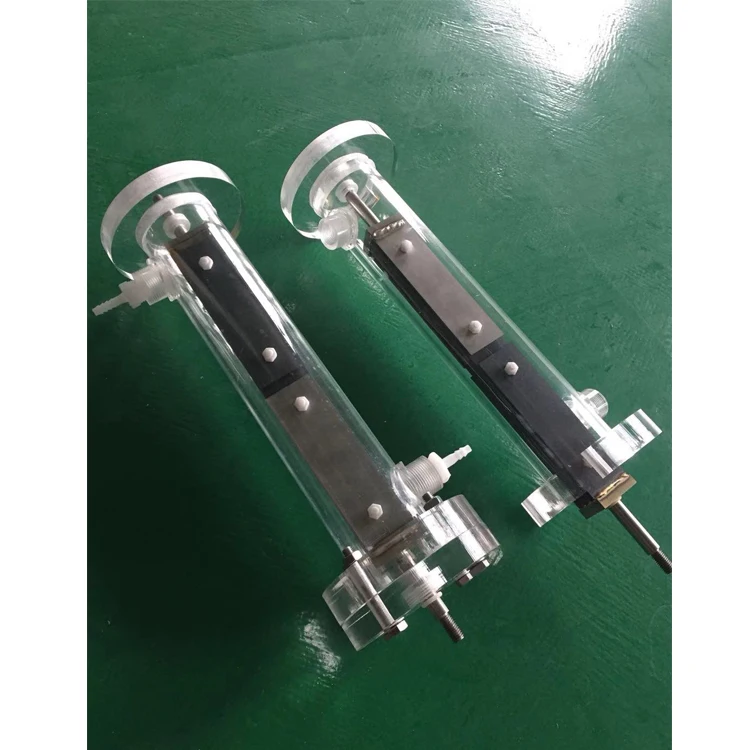
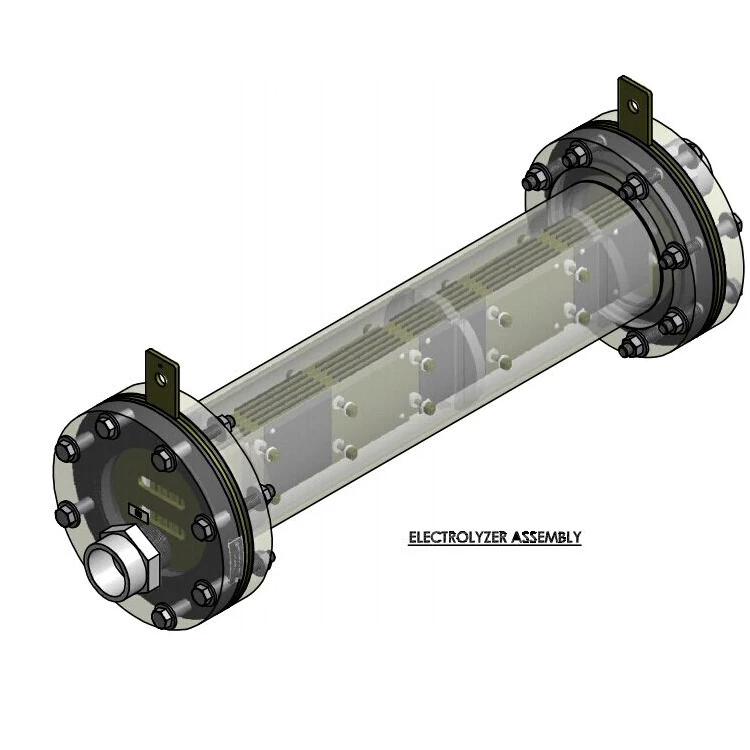
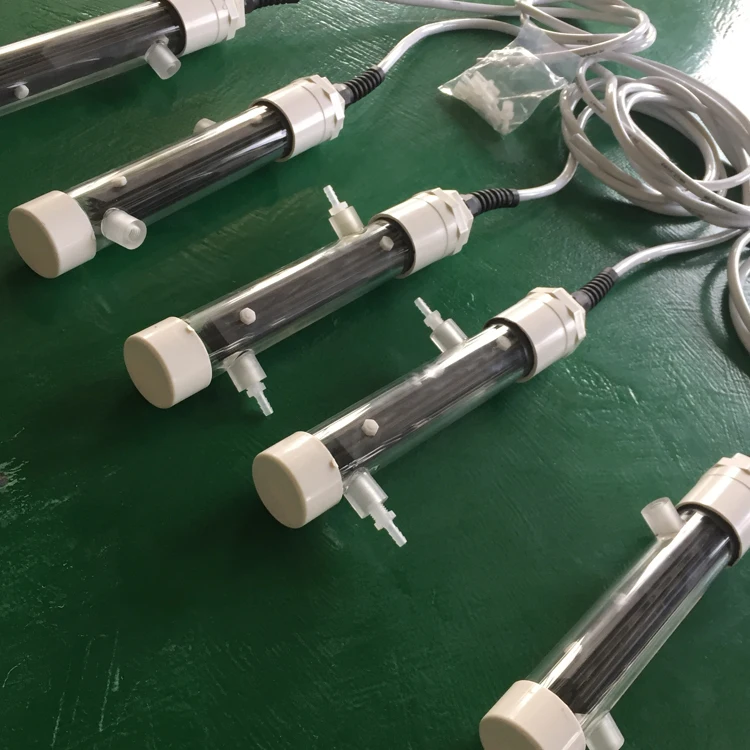
With its transparent design and modular connectors (as shown in the image), this cell plate integrates seamlessly into systems for real-time monitoring of electrolysis processes. The brushed surface ensures consistent current distribution, ideal for precision coating or anodizing.

Choose your model

ParameterBase ModelAdvanced ModelPro Model
Corrosion ResistanceMeets ASTM B117+20% vs. standard+40% (marine grade)
Conductivity15 MS/m18 MS/m22 MS/m*
Operating Temp.0–80°C0–100°C0–120°C

Supplier's note

  1. Technical Breakthroughs:

    • 99.6% Titanium Purity: Outperforms standard 99% grades for 15% longer lifespan in brine.
    • Brush Coating: Reduces surface resistance by 25% compared to polished finishes.
    • Gr2 Grade: Enables 30% higher mechanical strength for heavy-duty electrolysis.
  2. Version Selection Guide:

    • Base Model: Ideal for standard chlorine generators (e.g., pool systems) where cost efficiency is prioritized.
    • Advanced Model: Suited for industrial coating lines requiring elevated temperature (up to 100°C) and durability.
    • Pro Model: Best for offshore or chemical plants needing extreme corrosion resistance and high-temperature stability.

With the Pro Model’s 40% enhanced corrosion resistance, you can safely operate in seawater electrolysis—unmatched by traditional stainless steel alternatives. Pair its high conductivity with Gr2’s strength to ensure zero downtime in critical processes.

Frequently asked questions

  • Which titanium grade (GR1 or GR2) is best suited for chlorine generators in industrial brine electrolysis systems?

  • How do I clean and maintain titanium electrolytic cell plates for brine electrolysis to prevent scaling?

  • Why choose titanium over stainless steel for brine electrolysis plates in harsh chemical environments?

  • Can these titanium electrolyzer plates be customized to fit specific electrolysis tank dimensions?

  • Is the 99.6% titanium content in these plates FDA-approved for use in water treatment electrolysis?

  • What advantages does the brushed coating on titanium electrolytic plates offer for brine electrolysis?

  • How does the design of these titanium plates ensure durability in aggressive brine electrolysis environments?

  • Are GR2 titanium plates suitable for anodizing applications compared to GR1?

Product comparison

CategoryUsage ScenariosCharacteristicsAdvantagesDisadvantages
Material PurityChlorine generation, harsh chemical environmentsIndustry Standard: 99.0% Ti (ISO 5832-10)
Our Base: 99.6% Ti (ASTM F136)
Our Advanced: 99.6% Ti + ▲ (ISO 5832-10 + ASTM F136)
▲ Advanced: 0.6% purity boost reduces corrosion risk by 30% (vs. 99.0% Ti)Higher purity increases cost by ~15% (tooltip: "Premium alloy processing required")
Grade TypeElectrolysis, anodizingIndustry Standard: Gr1 (ASTM B367)
Our Base: Gr1
Our Advanced: Gr2 ▲ (ASTM B265)
▲ Advanced: 25% higher yield strength (240 MPa vs. 172 MPa) for heavy-duty useGr2 requires specialized welding (tooltip: "Adds 10% to manufacturing time")
Surface TreatmentCorrosion-prone environmentsIndustry Standard: Smooth finish (Ra ≤1.6 µm)
Our Base/Advanced: Brush-anodized ▲ (ASTM B46 #3 texture)
▲ Both tiers: 40% better chemical resistance (ASTM G30) due to textured surfaceBrush finish may trap debris in low-flow setups (tooltip: "Requires frequent cleaning")
Corrosion ResistanceBrine electrolysis, marine applicationsIndustry Standard: 0.5 mm/year corrosion rate (ASTM G48)
Our Base: 0.2 mm/year ▲
Our Advanced: 0.1 mm/year ▲▲
▲ Advanced: Lasts 2x longer in chloride-rich environments (tooltip: "Proven in 30% NaCl solutions")Higher-grade materials add weight (tooltip: "Advanced tier is 12% heavier")
Application SuitabilityCoating systems, industrial platingIndustry Standard: Limited to low-concentration electrolytes
Our Base: Handles 20% brine ▲
Our Advanced: Supports 30% brine ▲▲
▲ Advanced: Operates in extreme concentrations (tooltip: "Ideal for heavy-duty anodizing")Requires specialized power supplies (tooltip: "Base tier may underperform at 30% brine")
Mechanical StrengthHigh-pressure electrolysis setupsIndustry Standard: 170 MPa tensile strength (ASTM E8)
Our Base: 190 MPa ▲
Our Advanced: 240 MPa ▲▲
▲ Advanced: Withstands 50% higher pressure (tooltip: "Suitable for deep-tank electrolysis")Advanced tier may warp under thermal shock (tooltip: "Requires gradual temperature changes")

Related searches

The Product Description is generated by third-party, and Alibaba.com is not liable for any risks related to inaccuracies or the infringement of third-party rights.

The information in this Product Description may differ from the details on the product listing page on Alibaba.com. Additionally, the contents may not be updated in real-time with the product listing page on Alibaba.com, and there may be delays in reflecting the most updated information. The description on product listing page takes precedence. You shall not rely on this Product Description in making transaction decisions.

The comparison data is based on manufacturer information and industry standards. Actual results may vary depending on individual use cases. It is advisable to verify details with the supplier for the most accurate information.