All categories
Featured selections
Trade Assurance
Buyer Central
Help Center
Get the app
Become a supplier
Customization:
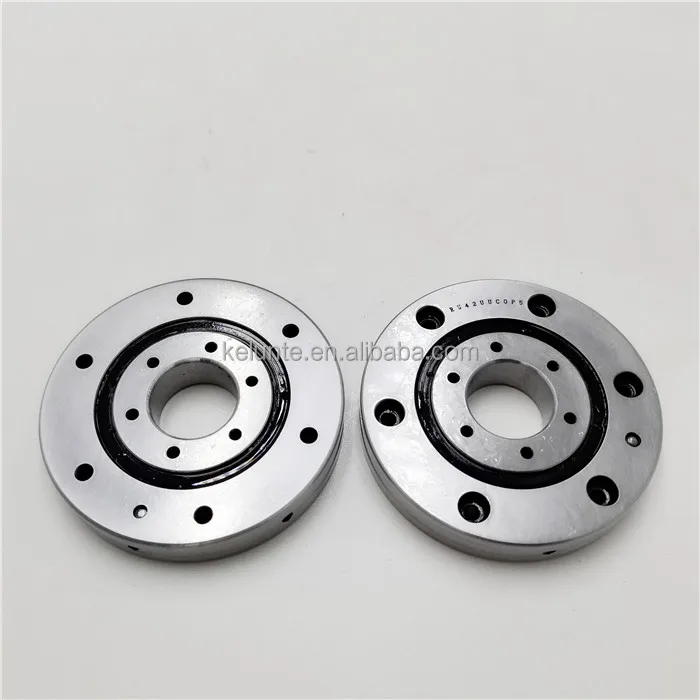
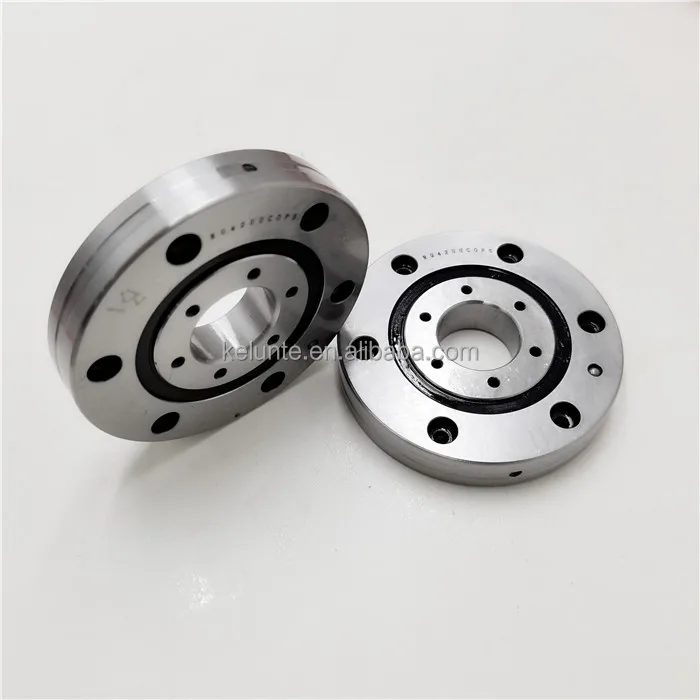
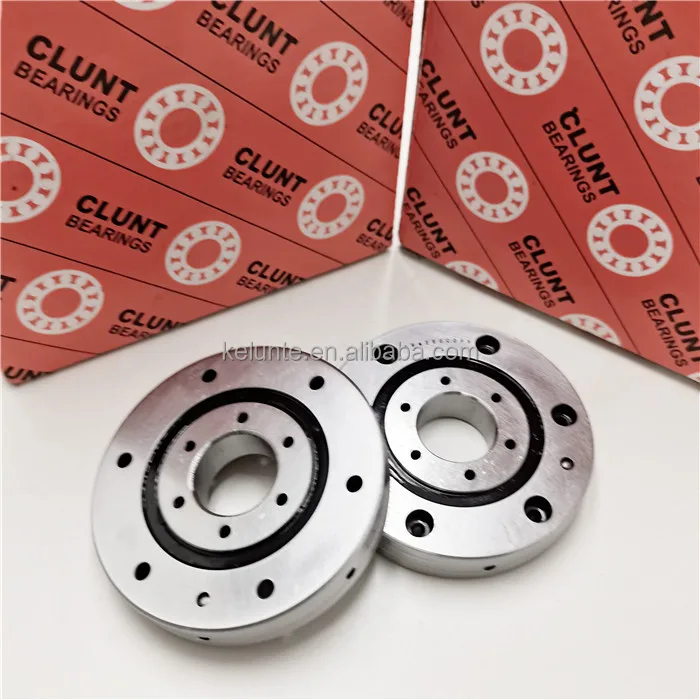
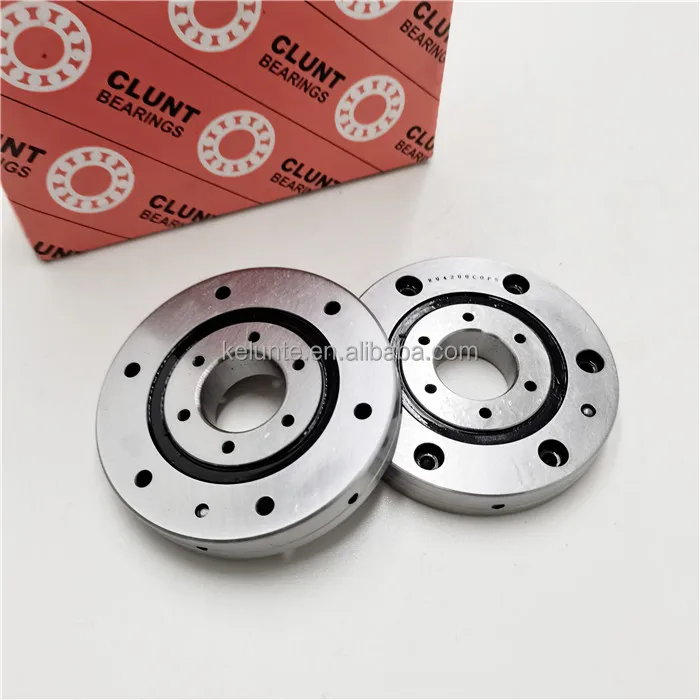
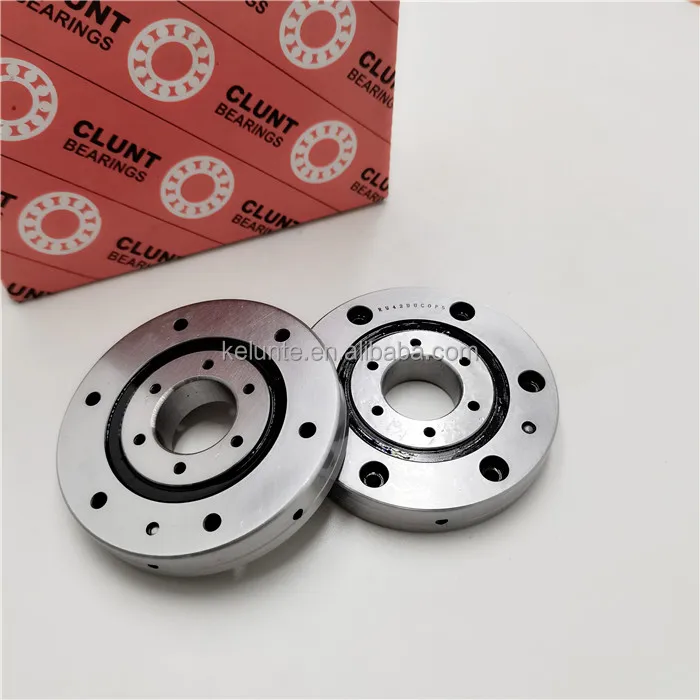
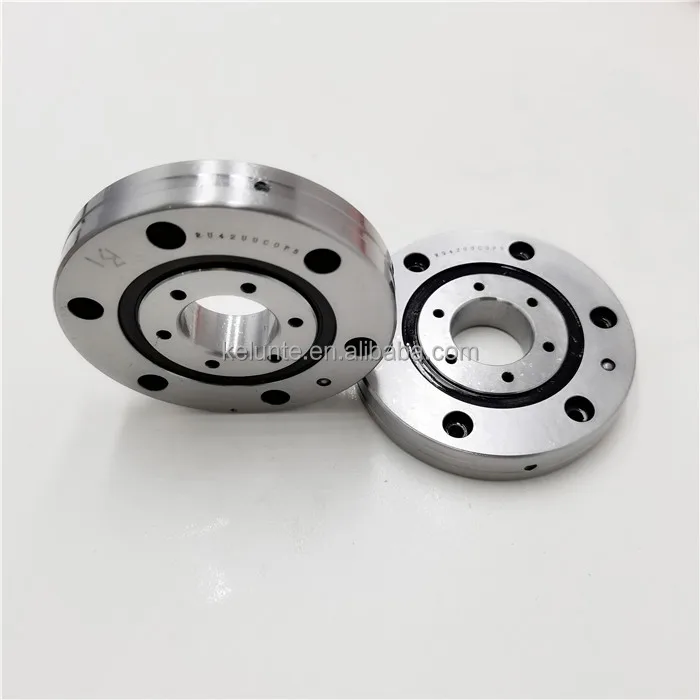
The RU28 Crossed Roller Bearing is engineered for precision motion control and high load capacity, featuring a robust steel cage and GCr15 chrome steel construction. Designed for industrial machinery, robotics, and automation systems, this bearing combines durability with compact design. The open sealing type ensures compatibility with clean environments, while the crossed roller structure enables smooth rotational and linear motion.
| Feature | Specification | Benefit |
|---|---|---|
| Material | GCr15 chrome steel | High hardness, corrosion resistance |
| Cage Material | Steel | Enhanced structural integrity and durability |
| Structure | Crossed roller | Supports radial, axial, and moment loads |
| Sealing Type | Open | Low-friction operation in clean settings |
| Application | Slewing mechanisms, robotic joints | Precision movement in industrial machinery |
Adjustable parameters include:
Optimize your machinery’s performance with the RU28 Crossed Roller Bearing. Its compact design and crossed roller configuration enable precise, high-torque applications, while the open sealing ensures seamless integration into cleanroom or low-dust environments.
| Parameter | Base Model | Advanced Model | Pro Model |
|---|---|---|---|
| Load Capacity | 5,000 N | +20% (6,000 N) | +40% (7,000 N)* |
| Rotational Speed | 3,000 RPM | 3,500 RPM | 4,200 RPM |
| Service Life | 5,000 hours | 8,000 hours | 12,000 hours |
Technical Breakthroughs:
Version Selection Guide:
With the Pro Model’s 7,000 N load capacity, you can handle heavy-duty slewing applications without compromising precision. Pair its GCr15 steel construction with the steel cage to ensure minimal wear over 12,000 operational hours.

The Product Description is generated by third-party, and Alibaba.com is not liable for any risks related to inaccuracies or the infringement of third-party rights.
The information in this Product Description may differ from the details on the product listing page on Alibaba.com. Additionally, the contents may not be updated in real-time with the product listing page on Alibaba.com, and there may be delays in reflecting the most updated information. The description on product listing page takes precedence. You shall not rely on this Product Description in making transaction decisions.
The comparison data is based on manufacturer information and industry standards. Actual results may vary depending on individual use cases. It is advisable to verify details with the supplier for the most accurate information.