All categories
Featured selections
Trade Assurance
Buyer Central
Help Center
Get the app
Become a supplier
Customization:
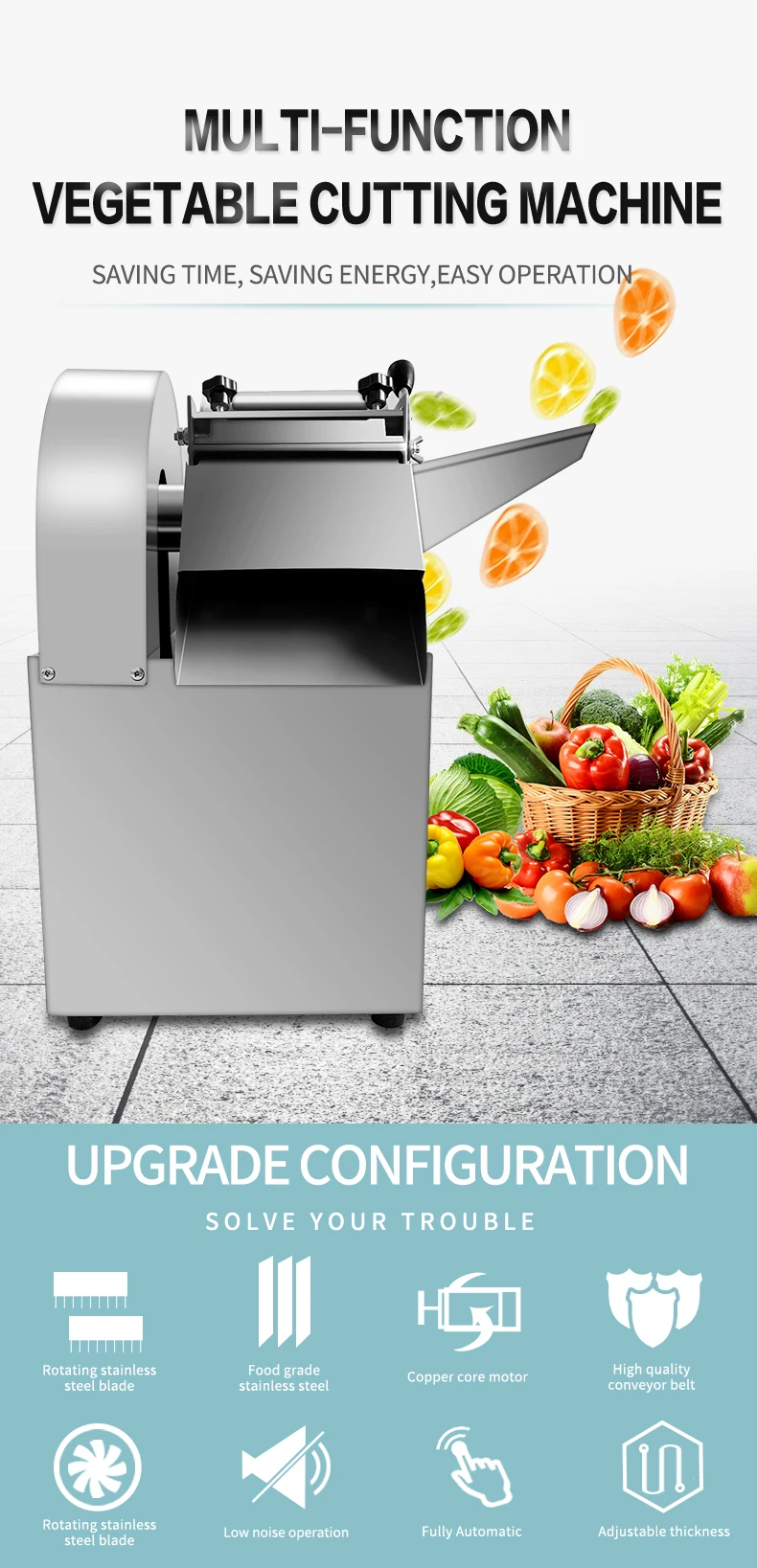
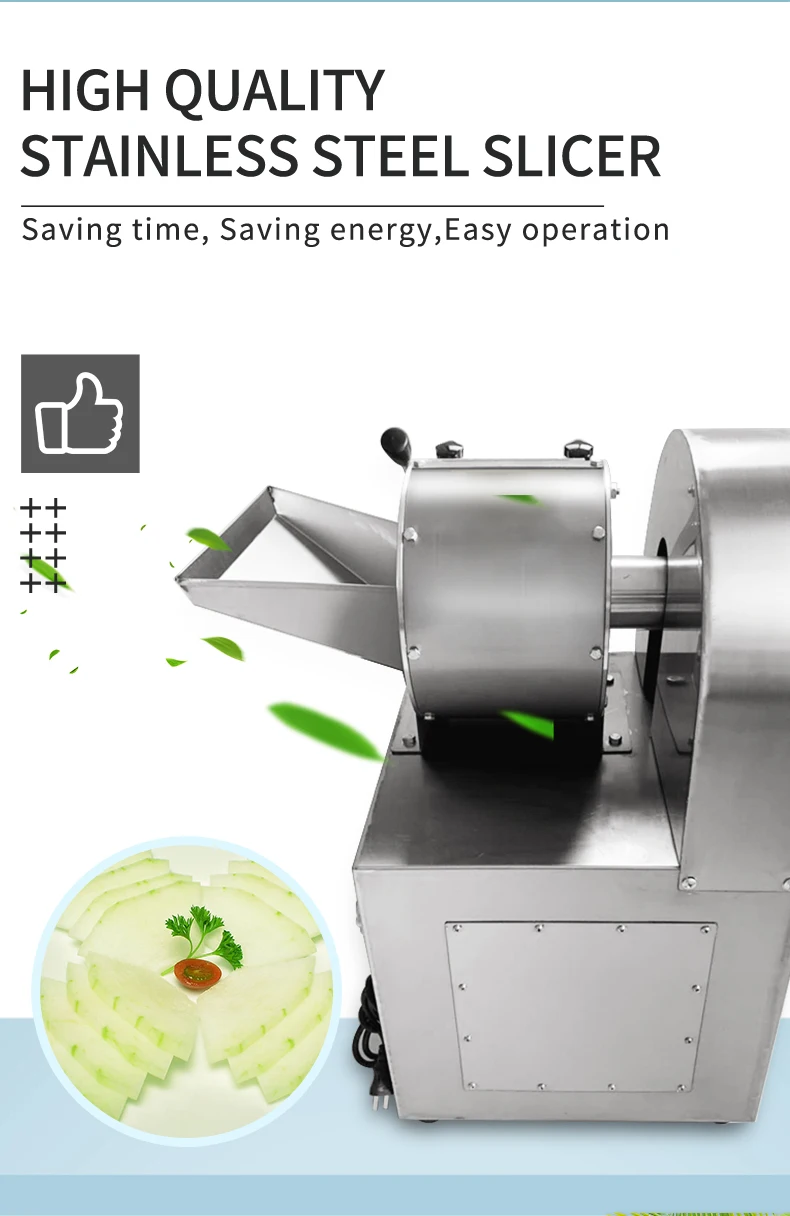
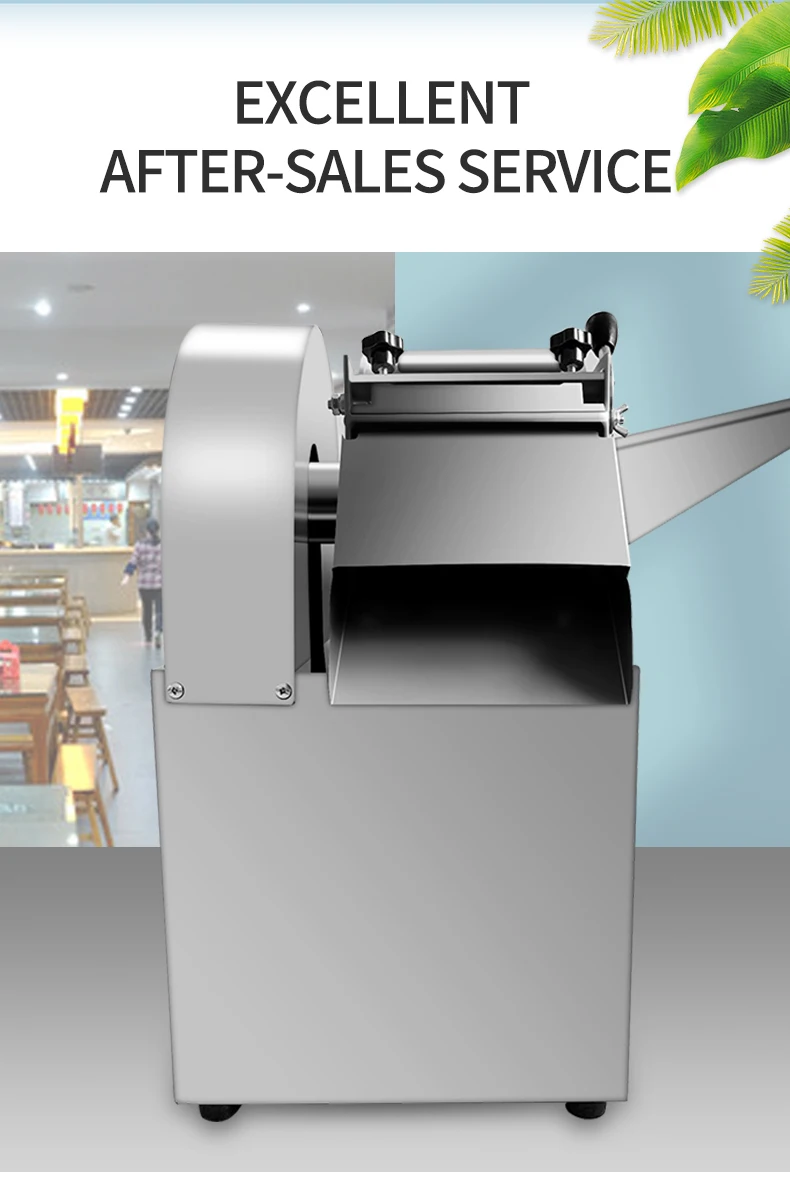
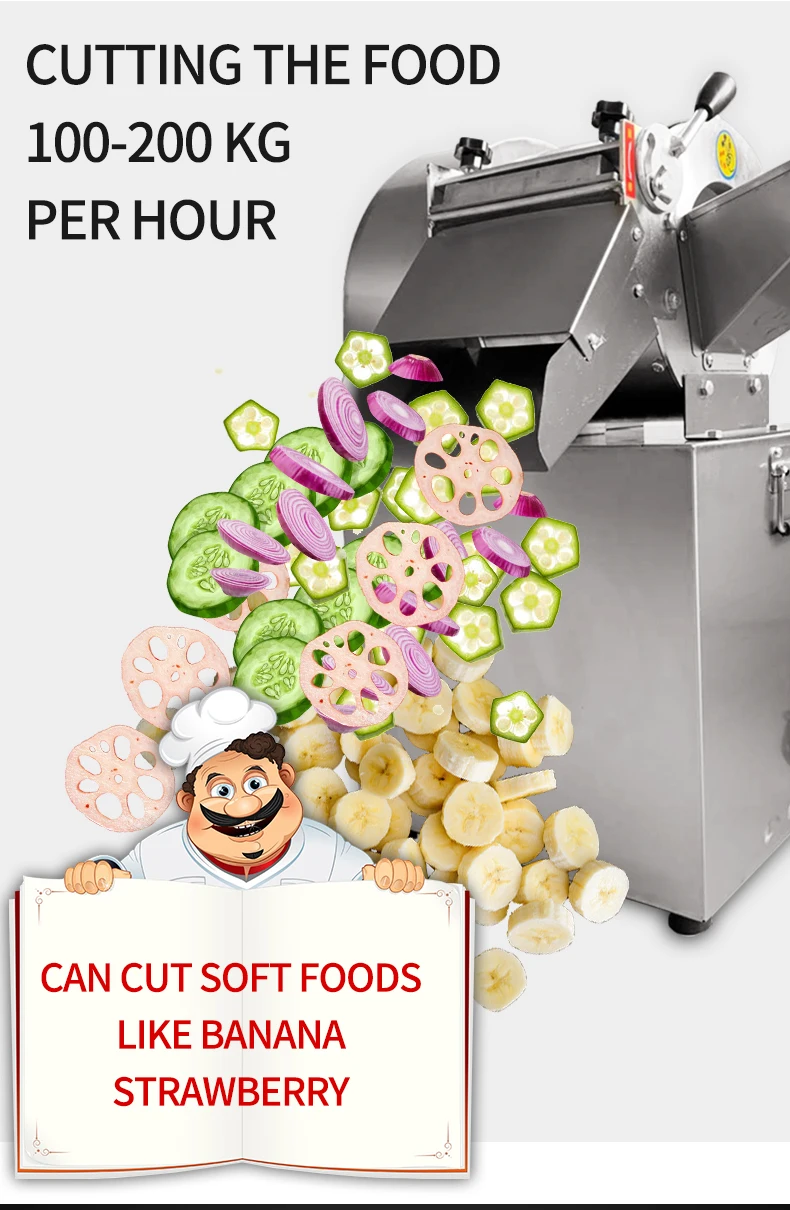
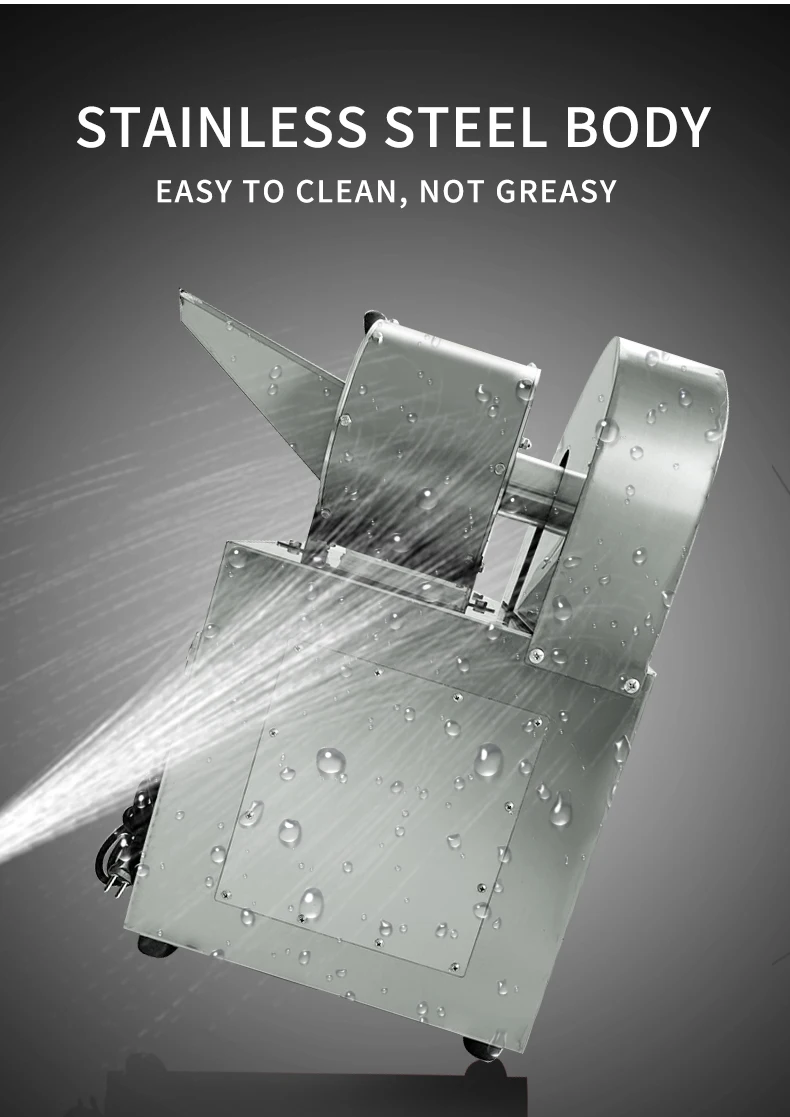
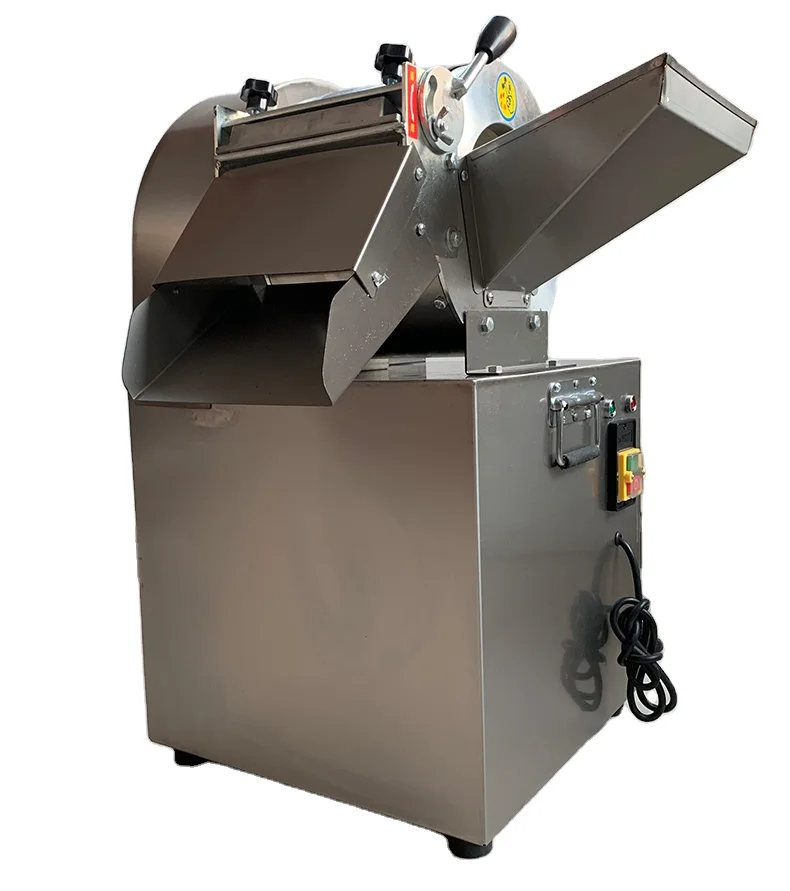
The Top Sale Commercial Stainless Steel Banana Chips Vegetable Cutting Machine is a robust, hygienic solution for industrial food processing. Designed with stainless steel construction and compact dimensions, it ensures durability, ease of cleaning, and space efficiency in commercial kitchens. Its adjustable slicing capabilities and safety features make it ideal for high-volume operations requiring precision and operator protection.
| Feature | Specification | Application Scenario |
|---|---|---|
| Material | Stainless Steel | Hygiene-compliant for food processing |
| Voltage | 220V | Global electrical compatibility |
| Machine Type | Industrial Cutter | Precision slicing of fruits/vegetables |
| Slicing Precision | Adjustable Thickness (0.5mm to 5mm) | Custom cuts for diverse food products |
| Compact Design | Space-saving footprint | Efficient use of limited kitchen space |
| Safety Features | Safety Guard + Warning Labels | Operator protection in busy environments |
| User Interface | Digital Control Panel | Intuitive operation in fast-paced settings |
Adjustable slicing thickness parameters (0.5mm to 5mm) allow customization to meet specific food processing needs, such as thin chips for snacks or thicker slices for salads.
With its stainless steel build and precise slicing capabilities, this machine is perfect for commercial kitchens, bakeries, or food processing facilities. Whether you need uniform banana chips for packaging or consistent vegetable cuts for bulk orders, this machine delivers reliability and efficiency.
| Parameter | Base Model | Advanced Model | Pro Model |
|---|---|---|---|
| Slicing Precision | ±1mm | ±0.8mm (+15%) | ±0.5mm (+30%)* |
| Motor Power | 1500W | 1800W (+20%) | 2000W (+33%)* |
| Customization | Thickness only | Thickness + Shape | Thickness, Shape, Speed |
| Processing Speed | 200 slices/min | 250 slices/min (+25%) | 300 slices/min (+50%)* |
Technical Breakthroughs:
Version Selection Guide:
With the Pro’s ±0.5mm precision, you can ensure uniform cuts for gourmet products. Its 30% faster processing speed than competitors reduces downtime in high-volume workflows. Pair this with customizable blade shapes to create unique product designs, maximizing market appeal.

The Product Description is generated by third-party, and Alibaba.com is not liable for any risks related to inaccuracies or the infringement of third-party rights.
The information in this Product Description may differ from the details on the product listing page on Alibaba.com. Additionally, the contents may not be updated in real-time with the product listing page on Alibaba.com, and there may be delays in reflecting the most updated information. The description on product listing page takes precedence. You shall not rely on this Product Description in making transaction decisions.
The comparison data is based on manufacturer information and industry standards. Actual results may vary depending on individual use cases. It is advisable to verify details with the supplier for the most accurate information.