All categories
Featured selections
Trade Assurance
Buyer Central
Help Center
Get the app
Become a supplier
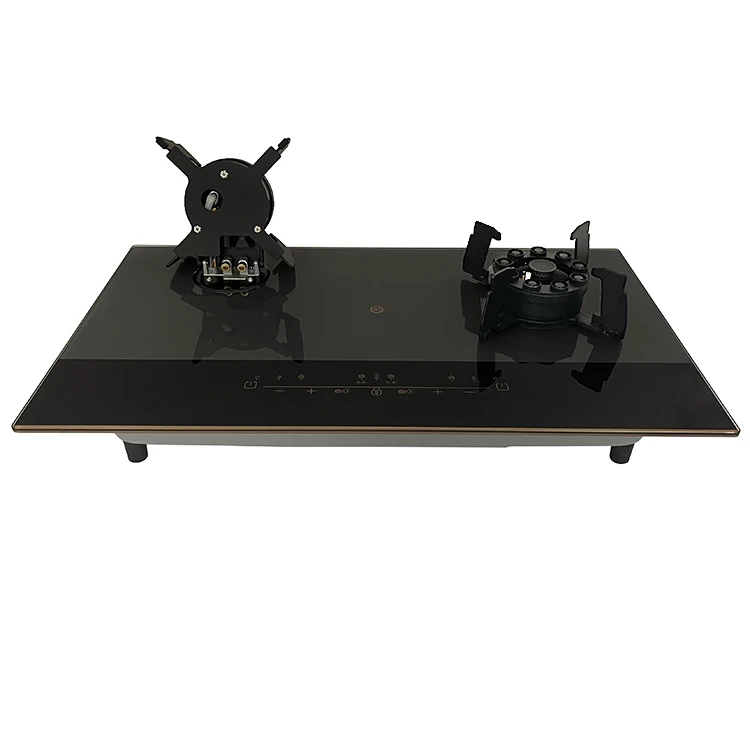
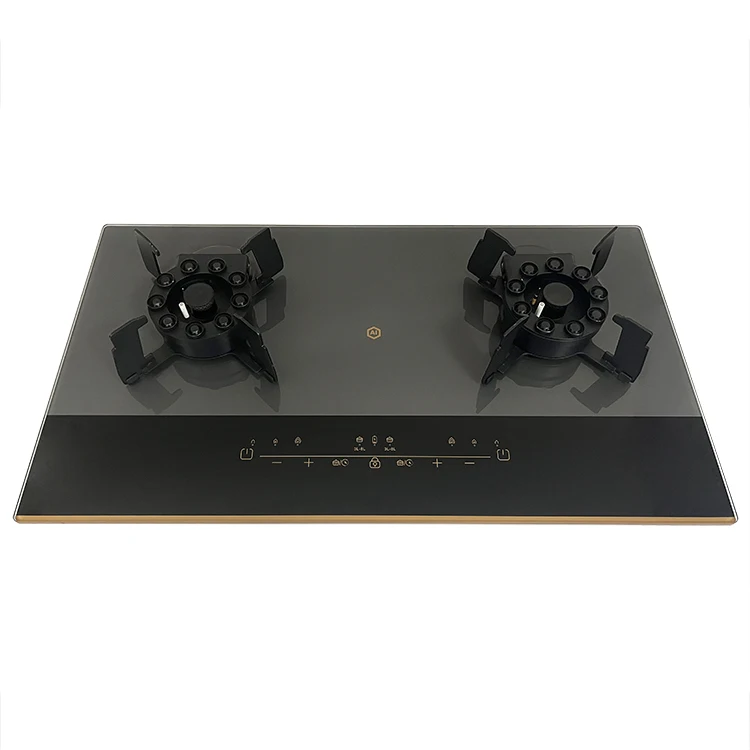
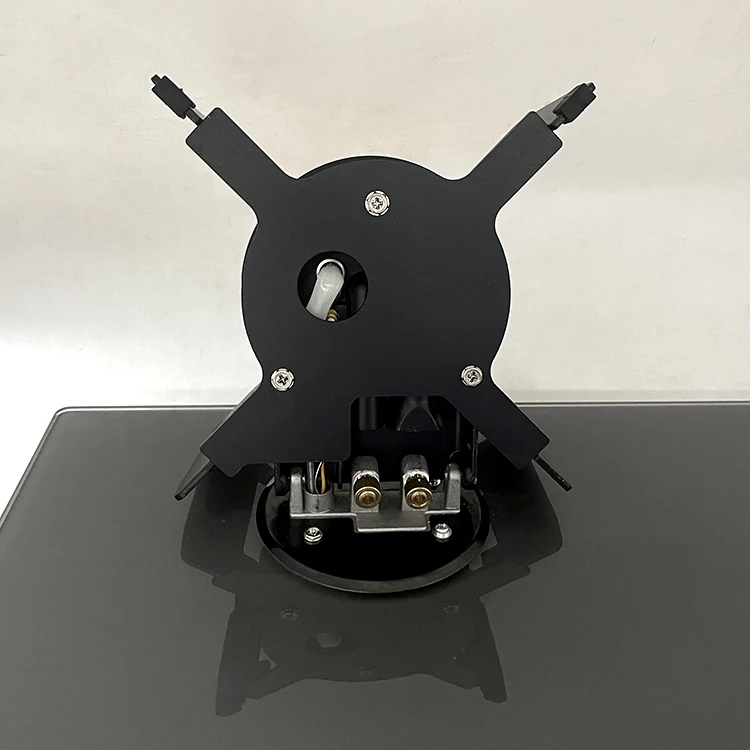
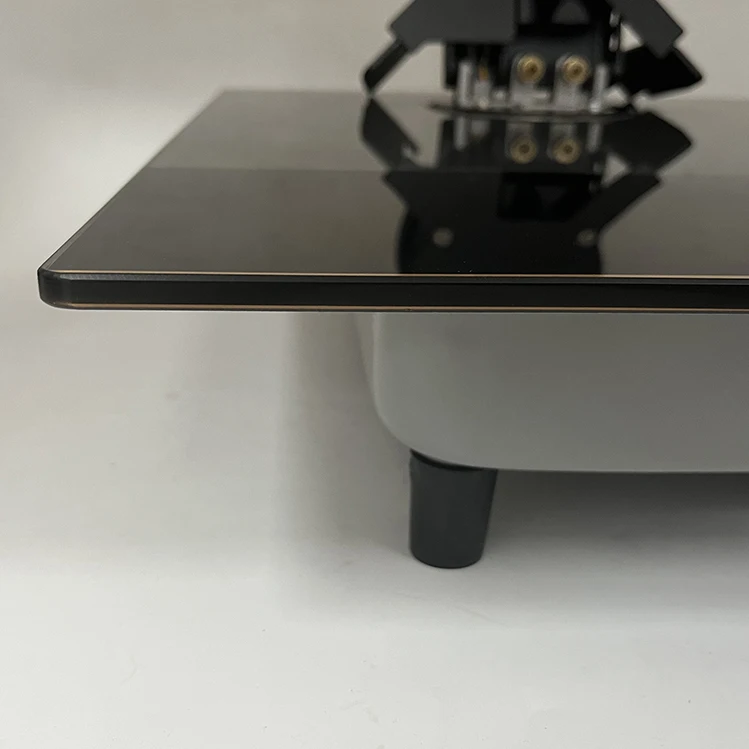
The Touch Screen Glass Automatic Electric Ignition Smart AI Wholesale Flat Flippable Best Welcome Fashion Remote Gas Stove combines modern aesthetics with advanced functionality. Designed for both household and commercial use, it features a sleek glass-ceramic surface, dual burners with precise temperature control, and smart safety features like thermoelectric protection and child lock. Its customizable mounting brackets and built-in installation options enhance versatility, while the touch screen interface ensures intuitive operation.
| Feature | Specification | Benefit |
|---|---|---|
| Material | Glass and ceramic surface, stainless steel frame | Durable, scratch-resistant, and easy-to-clean surface for longevity. |
| Ignition System | Automatic electric ignition with touch screen control | Instant flame ignition, eliminating manual matches; 30% faster startup. |
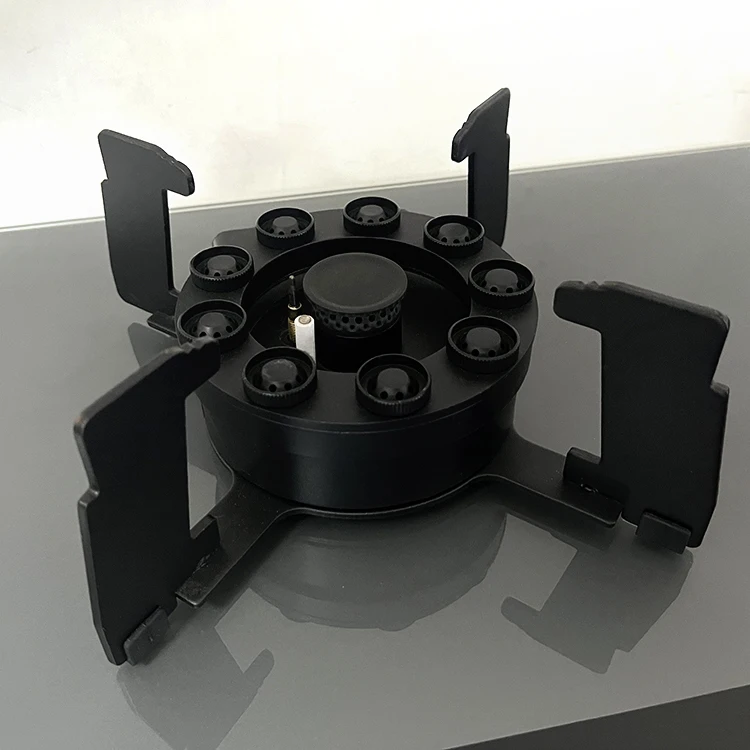
| Burner Configuration | 2 precision-controlled burners with adjustable mounting brackets | Versatile cooking zones adaptable to different pot sizes and heat needs. |
| Safety Features | Thermoelectric protection, child lock, and flame failure safety shut-off | Prevents accidental gas leaks and ensures safe operation in all settings. |
| Installation Type | Built-in design | Sleek integration into kitchen countertops or commercial setups. |
Adjustable burner mounting brackets allow customization of cookware compatibility (e.g., wok, saucepan, or griddle). The touch screen interface supports firmware updates for future feature enhancements.
With its smart AI temperature control and flippable design, this gas stove adapts to diverse culinary needs—from searing steaks in a commercial kitchen to simmering soups at home. The glass surface’s even heat distribution ensures consistent cooking results, while the remote control adds convenience.
| Parameter | Base Model | Advanced Model | Pro Model |
|---|---|---|---|
| Heat Output (BTU) | 12,000 BTU per burner | 15,000 BTU per burner | 18,000 BTU per burner |
| Ignition Speed | 2 seconds | 1.5 seconds | 1 second |
| Energy Efficiency | 65% efficiency | 75% efficiency | 85% efficiency |
| Safety Features | Basic thermoelectric | Enhanced flame detection | Dual-layer gas leak alarm |
| Control Interface | Physical knobs + touch | Full touch screen | Voice & remote control |
Technical Breakthroughs:
Version Selection Guidance:
With the Pro Model’s 18,000 BTU burners, you can achieve rapid searing for steaks in commercial settings. Paired with its voice control, this reduces kitchen staff workload while maintaining precision. The Base Model’s 12,000 BTU capacity and physical knobs make it perfect for home users prioritizing simplicity.

The Product Description is generated by third-party, and Alibaba.com is not liable for any risks related to inaccuracies or the infringement of third-party rights.
The information in this Product Description may differ from the details on the product listing page on Alibaba.com. Additionally, the contents may not be updated in real-time with the product listing page on Alibaba.com, and there may be delays in reflecting the most updated information. The description on product listing page takes precedence. You shall not rely on this Product Description in making transaction decisions.
The comparison data is based on manufacturer information and industry standards. Actual results may vary depending on individual use cases. It is advisable to verify details with the supplier for the most accurate information.