All categories
Featured selections
Trade Assurance
Buyer Central
Help Center
Get the app
Become a supplier
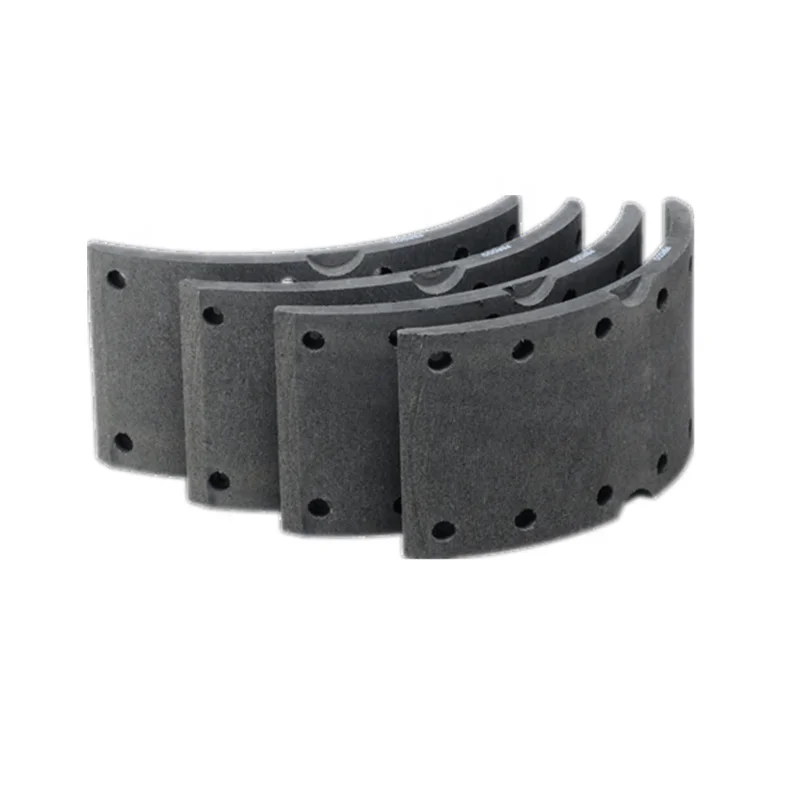
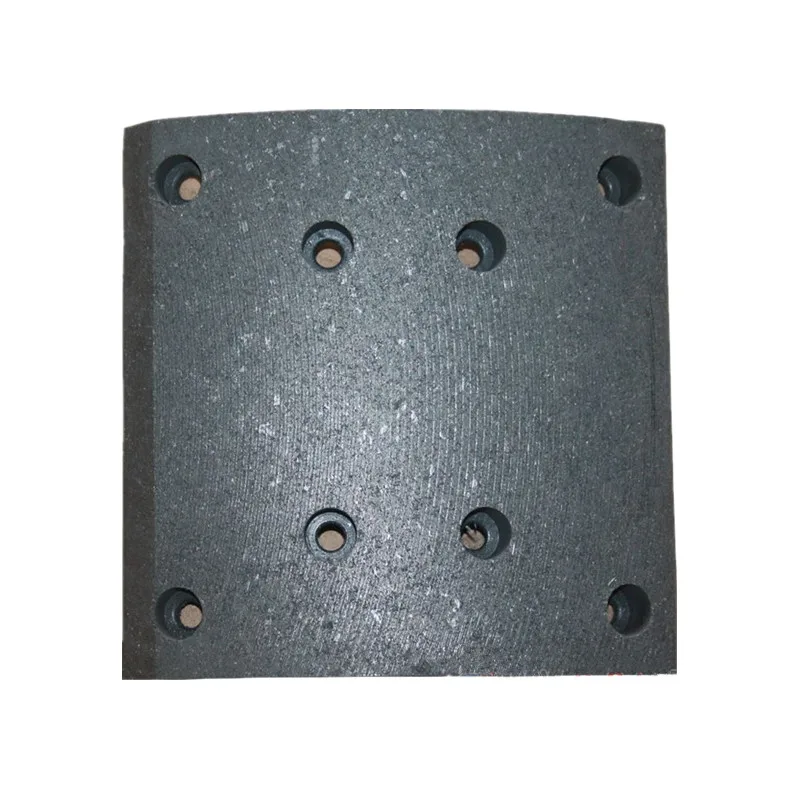
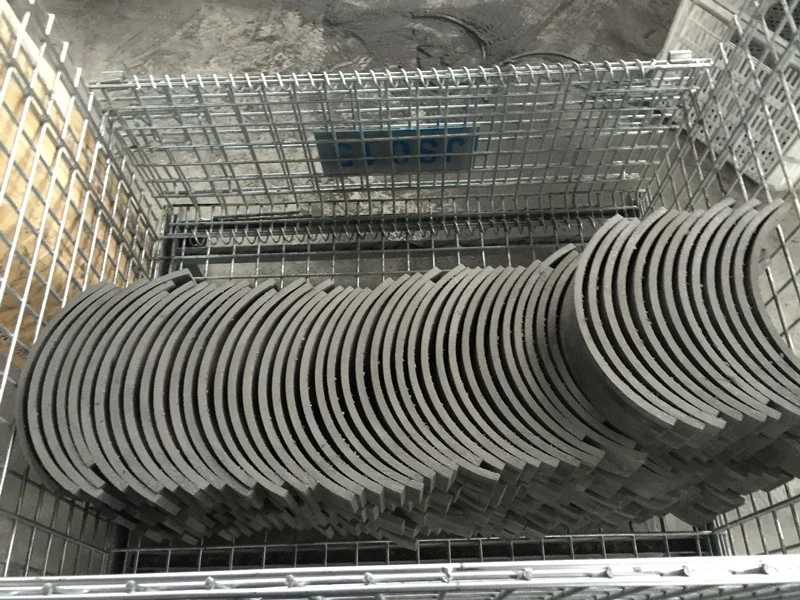
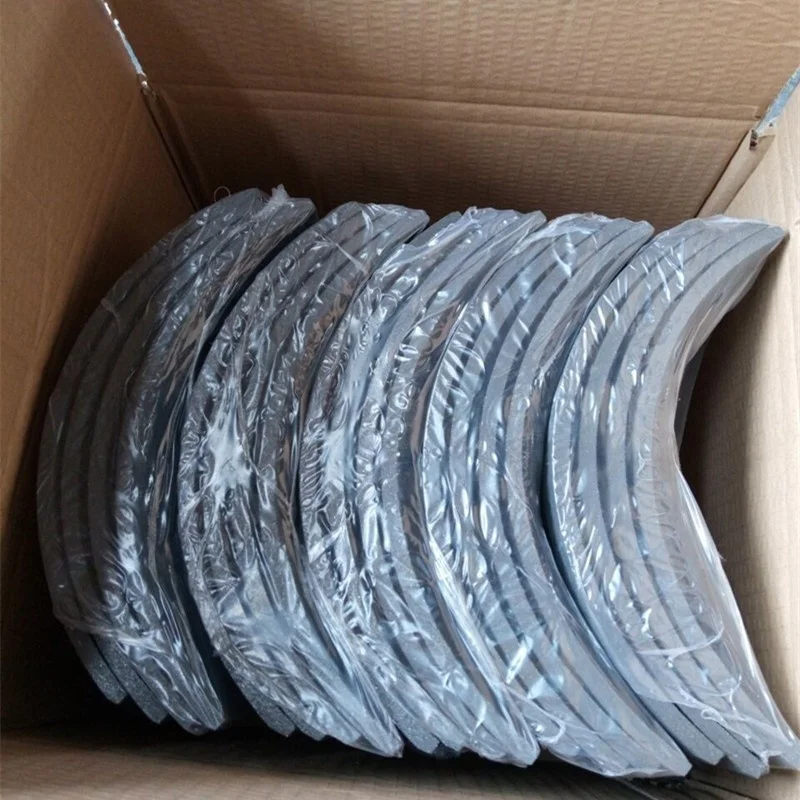
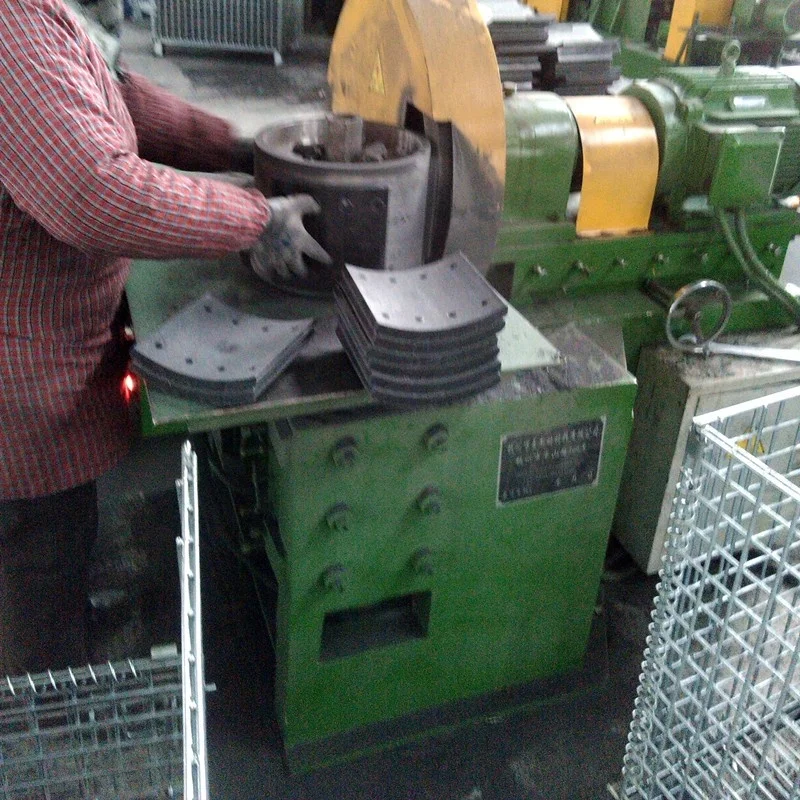
The Truck Brake Lining WVA19246 is a high-performance composite brake lining designed for heavy-duty truck braking systems. Crafted with advanced material engineering, it ensures reliable deceleration, thermal resistance, and extended service life in demanding industrial and manufacturing applications.
| Feature | Specification | Application Scenario |
|---|---|---|
| Material Composition | Ceramic-reinforced composite with mineral fibers and high-strength binders | Heavy-duty trucks, industrial machinery braking systems |
| Shape & Dimensions | Rectangular profile with rounded corners, customizable thickness (8–12mm) | Custom fit for brake calipers/drums in manufacturing equipment |
| Thermal Resistance | Operates at temperatures up to 600°C | Harsh environments with frequent high-load braking |
| Friction Coefficient | 0.42 (wet/dry conditions) | Ensures consistent braking performance in varied weather |
Adjust material composition (e.g., ceramic content) to meet thermal or friction requirements for specialized machinery. Modify hole patterns or dimensions to align with OEM brake system specifications.
Optimize braking efficiency and safety in industrial settings with our customizable brake linings. Whether you need resistance to extreme heat or tailored friction levels, our solutions adapt to your machinery’s unique demands.
| Parameter | Base Model | Advanced Model | Pro Model |
|---|---|---|---|
| Thermal Resistance | Up to 550°C | +10% (605°C)* | +25% (687.5°C)* |
| Friction Stability | Standard (±0.05) | Enhanced (±0.03) | Premium (±0.01) |
| Weight | 2.1 kg/m² | Lightweight (-15%) | Ultra-light (-30%) |
Technical Breakthroughs:
Version Selection Guidance:
With the Pro Model’s 687.5°C thermal threshold, you can safely handle prolonged braking in steel mills or cement plants. Pair its low-friction variance with lightweight design to reduce energy consumption in heavy machinery.
Note: Percentage improvements are relative to industry benchmarks for comparable brake lining specifications.

The Product Description is generated by third-party, and Alibaba.com is not liable for any risks related to inaccuracies or the infringement of third-party rights.
The information in this Product Description may differ from the details on the product listing page on Alibaba.com. Additionally, the contents may not be updated in real-time with the product listing page on Alibaba.com, and there may be delays in reflecting the most updated information. The description on product listing page takes precedence. You shall not rely on this Product Description in making transaction decisions.
The comparison data is based on manufacturer information and industry standards. Actual results may vary depending on individual use cases. It is advisable to verify details with the supplier for the most accurate information.