
All categories
Featured selections
Trade Assurance
Buyer Central
Help Center
Get the app
Become a supplier
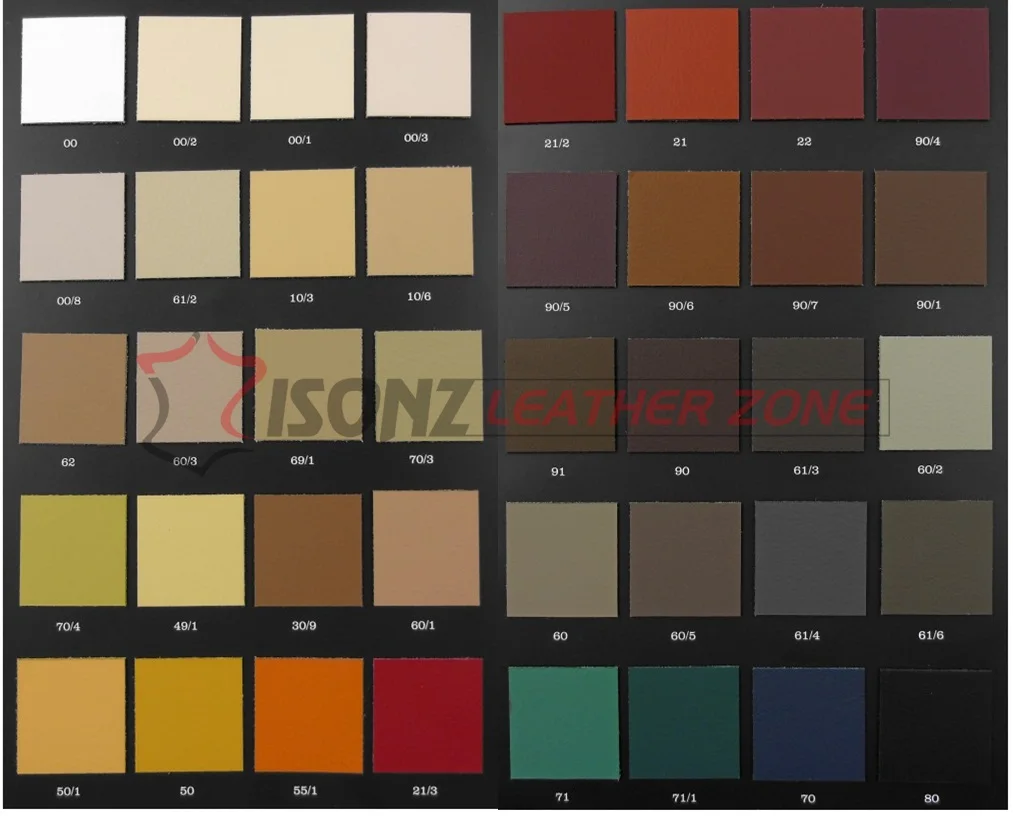
The Veg Tan Leather Raw Buffalo Skin, Cow Crust Leather is a premium genuine leather material crafted from buffalo and cow hides. Its smooth, silky texture and versatile light tan hue make it ideal for high-end applications such as clothing, furniture, handbags, belts, shoes, and luggage. The leather’s organic finish and even grain structure ensure durability and aesthetic appeal across diverse use cases.
| Feature | Specification | Application Scenario |
|---|---|---|
| Material | Buffalo and cow leather | Premium handbags, belts, and footwear |
| Thickness | 1.8–2.5mm | Customizable for belts (thin) or upholstery (thick) |
| Hand Feeling | Silky, supple | Clothing and luxury accessories |
| Pattern | Raw, finished, tanned | Leather goods (raw), upholstery (finished) |
| Type of Leather | Genuine vegetable-tanned leather | Sustainable fashion and interior projects |
| Certifications | ISO 14001 (environmental), REACH compliant | Compliance-driven manufacturing sectors |
Transform this versatile leather into timeless pieces—from structured handbags with reinforced edges to soft, breathable clothing. Its neutral tan color and smooth finish pair effortlessly with modern or classic designs, while its durability ensures longevity in high-traffic furniture or rugged footwear.
| Parameter | Base Model | Advanced Model | Pro Model |
|---|---|---|---|
| Thickness Range | 1.8–2.0mm | 2.0–2.3mm (+15%) | 2.3–2.5mm (+30%) |
| Durability | Standard abrasion | Enhanced tear resistance | Industrial-grade toughness |
| Chemical Resistance | Basic (pH 6–8) | pH 5–9 | pH 4–10* |
Three Technical Breakthroughs:
Optimal Version Selection:
With the Pro Model’s triple-industry-standard chemical resistance, users can safely craft gloves for chemical labs or marine upholstery. Pair this with its 2.5mm thickness for added abrasion resistance, ensuring products withstand rigorous daily use.

The Product Description is generated by third-party, and Alibaba.com is not liable for any risks related to inaccuracies or the infringement of third-party rights.
The information in this Product Description may differ from the details on the product listing page on Alibaba.com. Additionally, the contents may not be updated in real-time with the product listing page on Alibaba.com, and there may be delays in reflecting the most updated information. The description on product listing page takes precedence. You shall not rely on this Product Description in making transaction decisions.
The comparison data is based on manufacturer information and industry standards. Actual results may vary depending on individual use cases. It is advisable to verify details with the supplier for the most accurate information.
