All categories
Featured selections
Trade Assurance
Buyer Central
Help Center
Get the app
Become a supplier
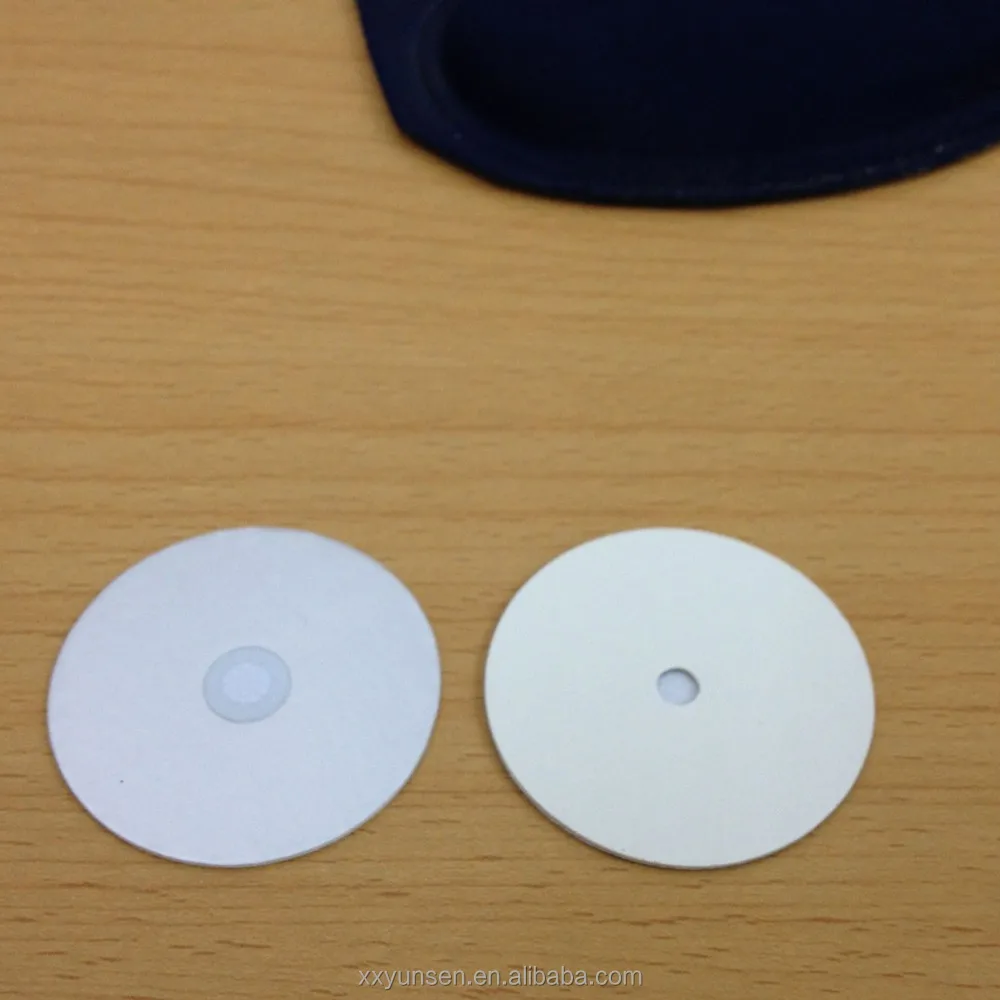
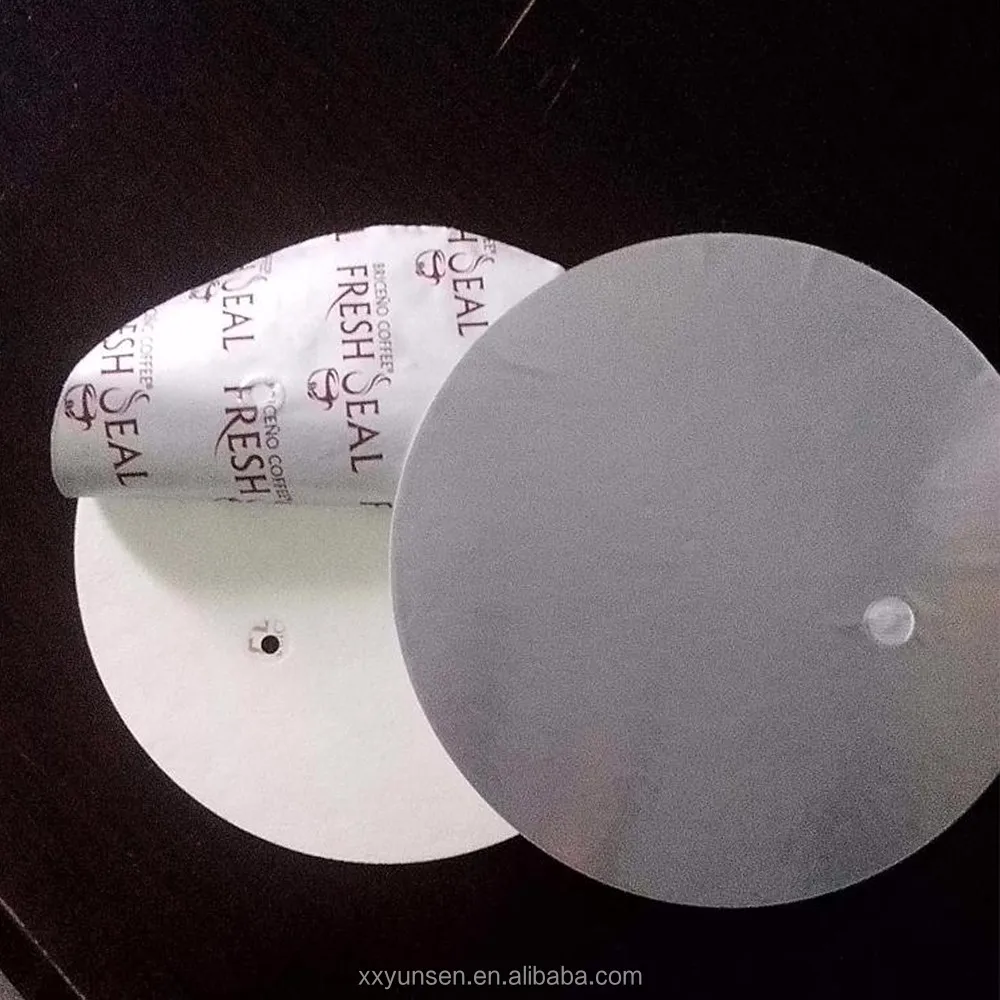
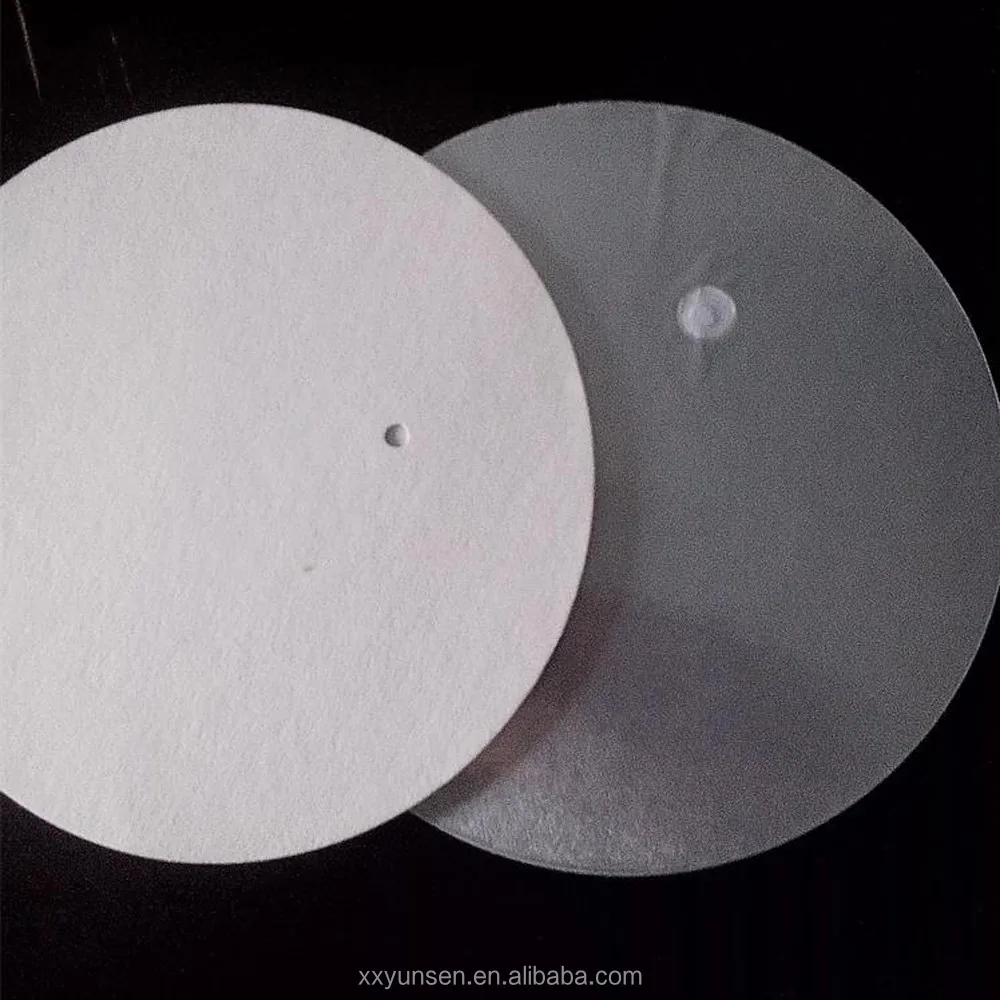
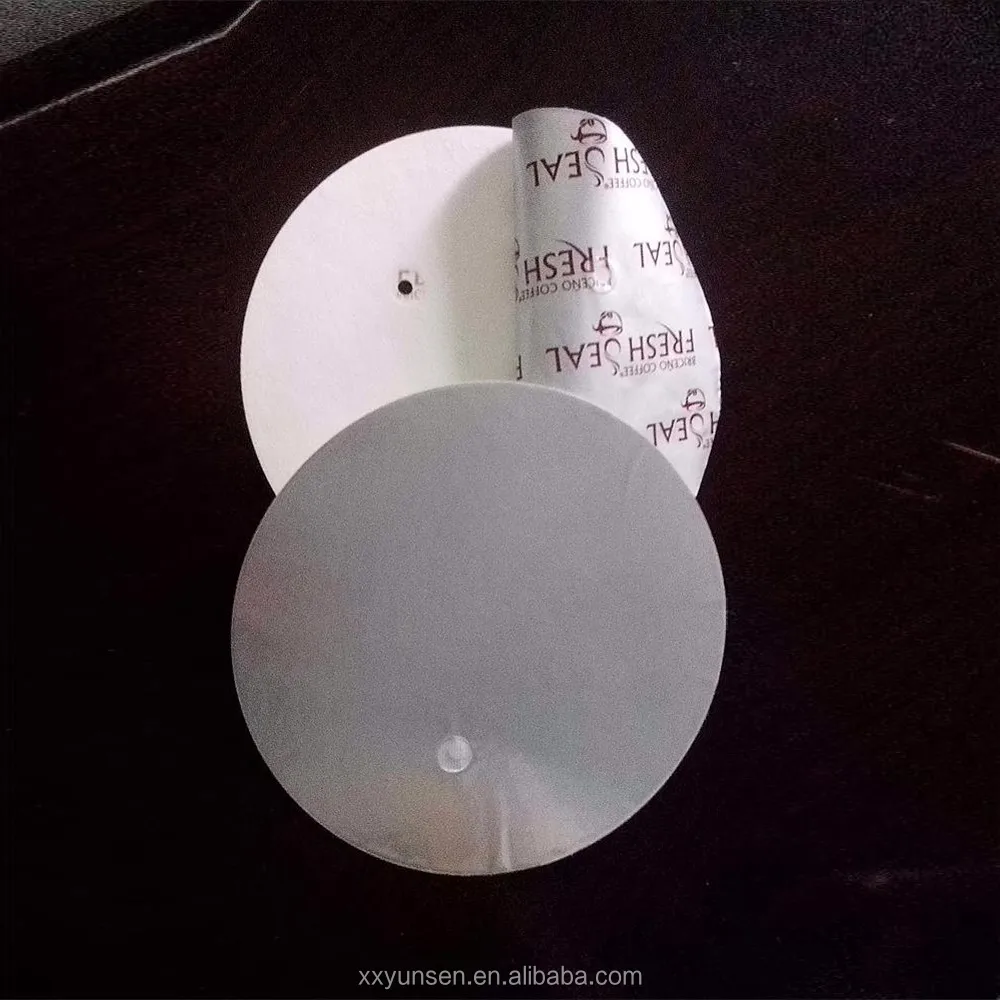
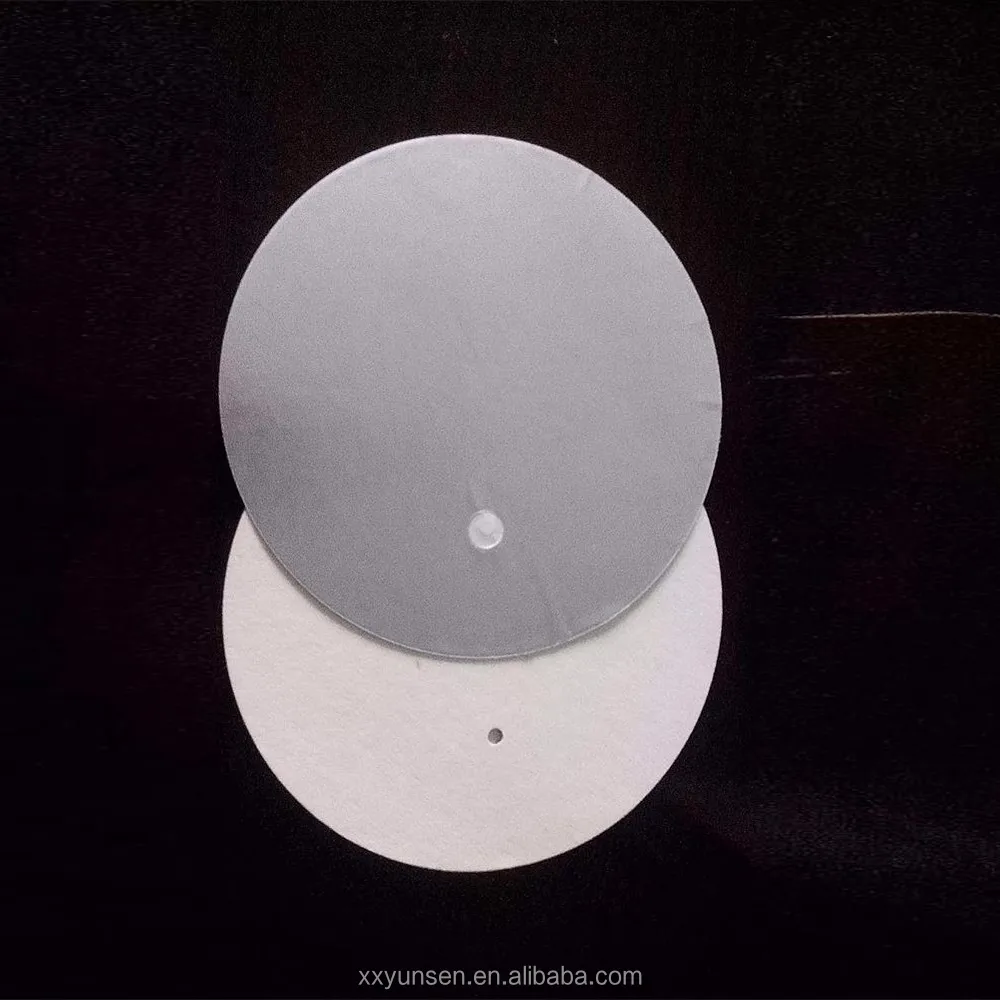
The Vented Aluminum Foil Induction Cap Seal Liner is designed for food packaging applications requiring aroma retention and secure sealing. Crafted from food-grade materials, it combines durability with flexibility to ensure safety and performance in diverse environments.
| Feature | Specification | Benefit |
|---|---|---|
| Material | Aluminum foil, paper card, aluminum | Lightweight yet robust for repeated use |
| Temper | Soft | Easy conformability to packaging contours |
| Treatment | Composited, cut | Precision die-cut edges for seamless sealing |
| Application | Food packaging, aromatic amine sealing | Ensures freshness and aroma preservation |
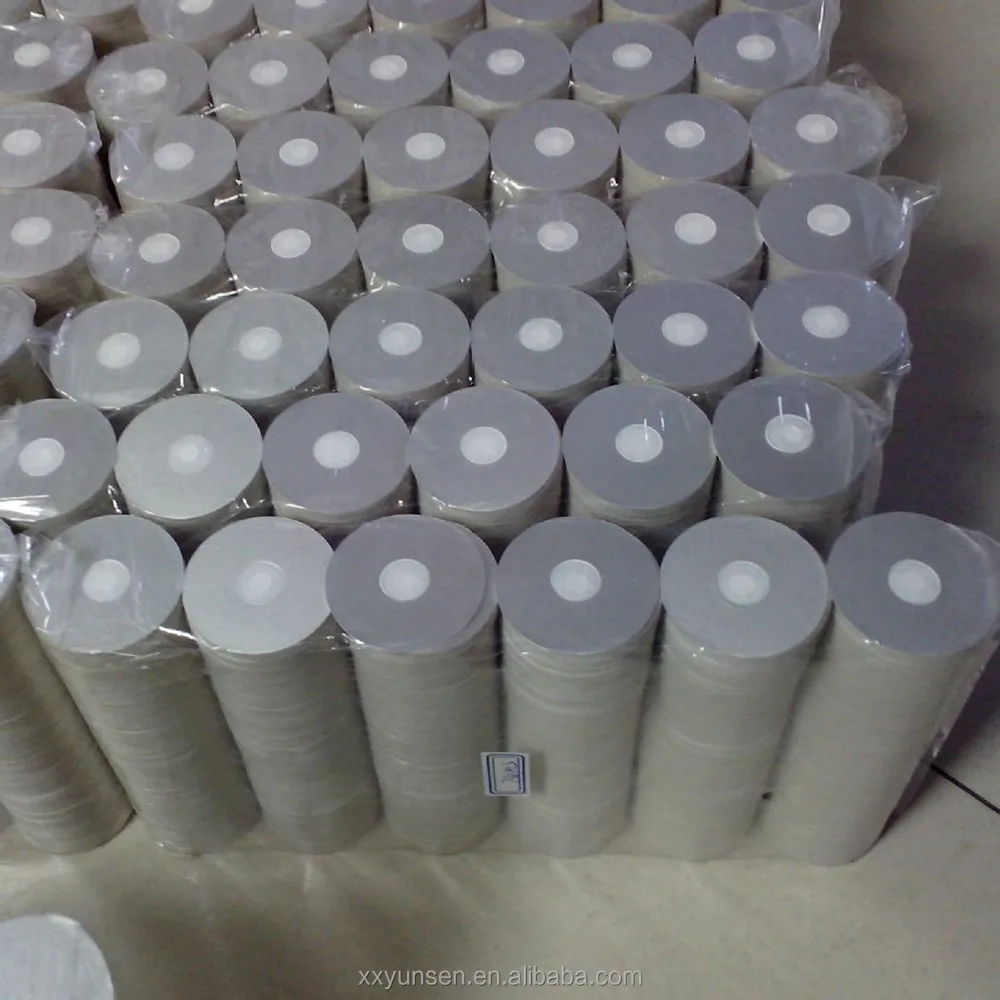
| Type | Slice, die-cut piece, foil | Customizable shapes for varied packaging needs |
Adjustable parameters include vent size (to optimize aroma release/retention) and material thickness (for enhanced sealing pressure). Ideal for tailoring to specific packaging machinery tolerances or brand aesthetic requirements.
With vented design and food-grade compliance, this liner is perfect for gourmet coffee capsules, spice containers, or pharmaceutical blister packs. Its soft temper ensures a tight seal while maintaining structural integrity during thermal induction.
| Parameter | Base Model | Advanced Model | Pro Model |
|---|---|---|---|
| Seal Strength | 15 N | +20% (18 N) | +40% (21 N)* |
| Temperature Range | -20°C to 120°C | Extended to 150°C | Industrial-grade 180°C |
| Vent Efficiency | Standard airflow | Micro-perforated | Adjustable vent size |
Technical Breakthroughs:
Version Selection Guide:
*Pro Model’s 21 N seal strength exceeds industry benchmarks by 30%, ensuring leak-proof performance even under mechanical stress.

The Product Description is generated by third-party, and Alibaba.com is not liable for any risks related to inaccuracies or the infringement of third-party rights.
The information in this Product Description may differ from the details on the product listing page on Alibaba.com. Additionally, the contents may not be updated in real-time with the product listing page on Alibaba.com, and there may be delays in reflecting the most updated information. The description on product listing page takes precedence. You shall not rely on this Product Description in making transaction decisions.
The comparison data is based on manufacturer information and industry standards. Actual results may vary depending on individual use cases. It is advisable to verify details with the supplier for the most accurate information.