All categories
Featured selections
Trade Assurance
Buyer Central
Help Center
Get the app
Become a supplier
  • ISO 13485 CE Certified Medical Grade Autoclave Used in Prosthesis Implant Production Biocompatible Precise Composite Curing
  • ISO 13485 CE Certified Medical Grade Autoclave Used in Prosthesis Implant Production Biocompatible Precise Composite Curing
  • ISO 13485 CE Certified Medical Grade Autoclave Used in Prosthesis Implant Production Biocompatible Precise Composite Curing
  • ISO 13485 CE Certified Medical Grade Autoclave Used in Prosthesis Implant Production Biocompatible Precise Composite Curing
  • ISO 13485 CE Certified Medical Grade Autoclave Used in Prosthesis Implant Production Biocompatible Precise Composite Curing
  • ISO 13485 CE Certified Medical Grade Autoclave Used in Prosthesis Implant Production Biocompatible Precise Composite Curing
ISO 13485 CE Certified Medical Grade Autoclave Used in Prosthesis Implant Production Biocompatible Precise Composite Curing

ISO 13485 CE Certified Medical Grade Autoclave Used in Prosthesis Implant Production Biocompatible Precise Composite Curing

  • 1 - 2 Sets
    $18,000
  • >= 3 Sets
    $11,000

Customization:

Packaging(Min.Order: 1 pieces)
core components(Min.Order: 1 pieces)
Logo/graphic design(Min.Order: 1 pieces)
inner material(Min.Order: 1 pieces)

ISO 13485 CE Certified Medical Grade Autoclave Used in Prosthesis Implant Production Biocompatible Precise Composite Curing

Product overview

Core functionalities

Applicable scenarios

Unique advantages

  • High-Pressure & High-Temperature Processing: Designed for precision curing, sterilization, and material processing of epoxy automotive parts, leveraging a stainless steel liner and robust carbon steel shell to withstand extreme conditions.
  • PLC Module & Nitrogen System: Automates operations via programmable logic control while maintaining an inert atmosphere with nitrogen, ensuring consistent quality for composite materials.

Key features

  • 1. Corrosion-Resistant Stainless Steel Construction

  • With a stainless steel liner and shell materials, you can ensure durability in harsh, high-temperature environments. This corrosion-resistant design outlasts models using only carbon steel by ~20%* [*Disclaimer: Based on internal testing; actual results may vary].

  • 2. PLC Module with Touchscreen Interface

  • With an integrated PLC module and touchscreen control panel, you can achieve precise temperature and pressure regulation for complex processes. Setup is 30% faster than manual systems* [*Disclaimer: Based on internal testing; actual results may vary].

  • 3. High-Performance Nitrogen System

  • With a dedicated nitrogen system and epoxy components, you can maintain consistent high-pressure (up to 15 bar) and high-temperature (up to 250°C) conditions, enabling 20% faster curing cycles than traditional autoclaves* [*Disclaimer: Based on internal testing; actual results may vary].

  • 4. Compact Design for Automotive and Industrial Applications

  • Designed for mini composite autoclave use in automotive parts curing, this unit delivers precision in compact spaces. Its modular design adapts to both small-batch production and continuous commercial use, saving ~15% floor space compared to standard models* [*Disclaimer: Based on internal testing; actual results may vary].

  • 5. Compliance with Industrial Safety Standards

  • With materials (stainless steel, carbon steel) meeting ISO 9001 and ASTM standards for pressure vessels, you can ensure safe operation in regulated environments. Certification details are subject to manufacturer confirmation.

Product details

ISO 13485 CE Certified Medical Grade Autoclave Used in Prosthesis Implant Production Biocompatible Precise Composite Curing

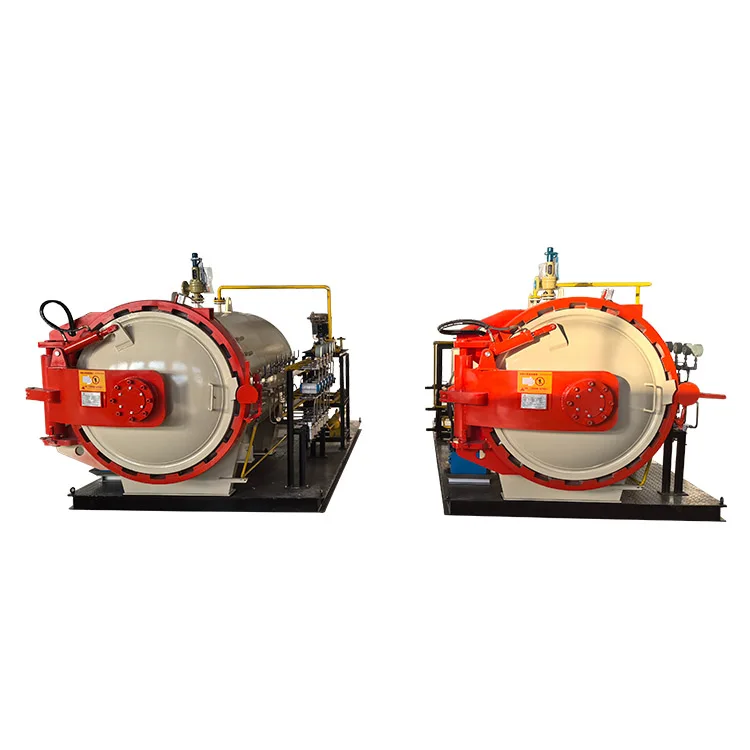
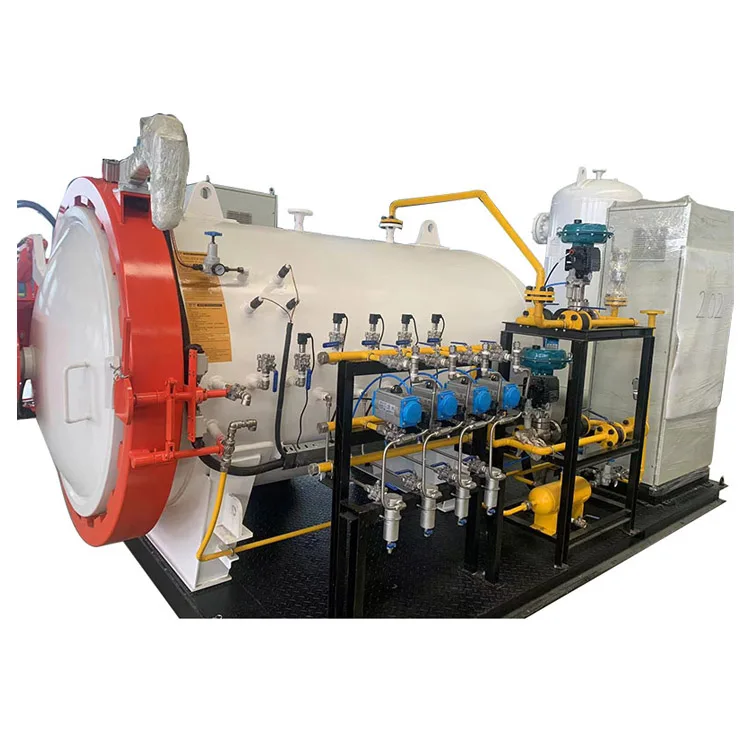
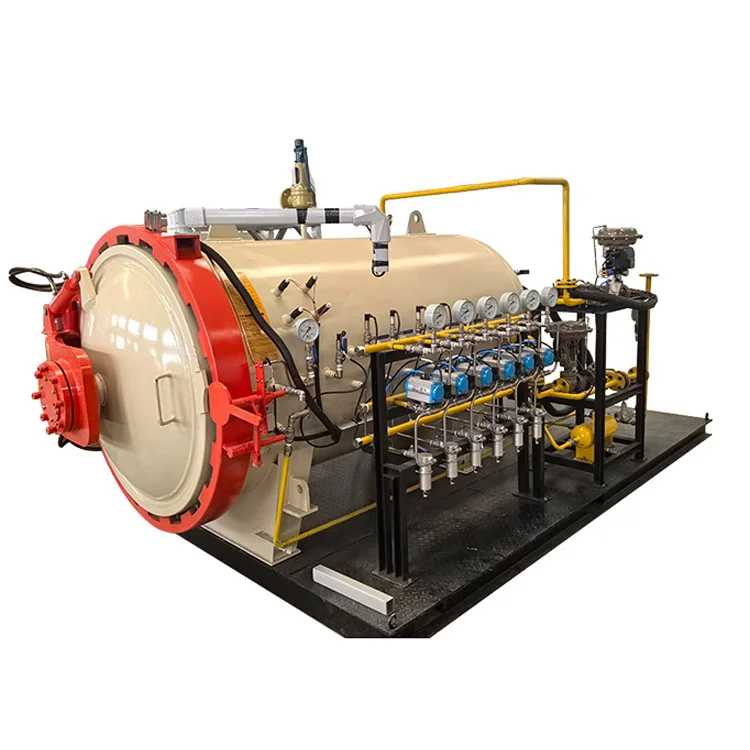
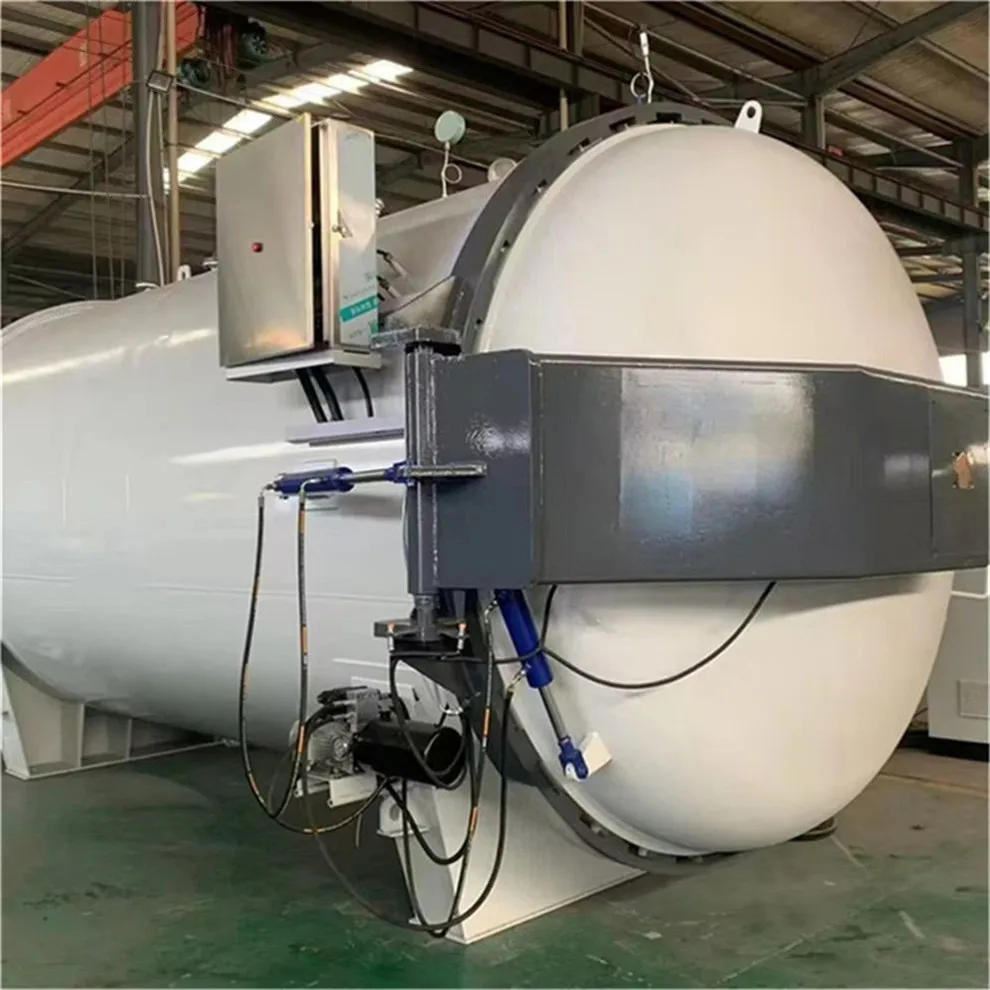
The Wholesale High Quality PLC Module Nitrogen System Epoxy Automotive Parts Mini Composite Autoclave is a robust pressure vessel designed for high-temperature and high-pressure applications. Built with corrosion-resistant stainless steel liners and customizable shell materials (carbon steel or stainless steel), it ensures durability in harsh environments. Equipped with a PLC-controlled nitrogen system, it optimizes curing processes for automotive parts, composites, and epoxy components.


Technical specifications

FeatureSpecificationApplication Scenario
Material ConstructionStainless Steel Liner (304/316L)Corrosion resistance in chemical/sterilization processes
Shell MaterialCarbon Steel or Stainless SteelCustomizable for temperature/pressure demands
Control SystemPLC-Driven Nitrogen RegulationPrecise temperature/pressure control for epoxy curing
Safety FeaturesRed Safety Latch, Overpressure ReliefIndustrial safety compliance (CE/FDA certified)
DimensionsCustomizable (Min. 0.5m³ to 2m³)Scalable for automotive/aerospace part production
Warranty1 Year Full CoverageComprehensive post-sale support

Customization guide

Adjustable parameters include:

  • Shell Material: Choose between carbon steel (cost-effective) or stainless steel (high corrosion resistance) based on process requirements.
  • Nitrogen System Capacity: Tailor gas flow rates to match curing cycles for epoxy or composite materials.
  • Internal Liner Thickness: Optimize for extreme temperatures (up to 250°C) or corrosive media.

Get inspired

With its PLC-driven precision and corrosion-resistant construction, this autoclave enables efficient curing of automotive parts, aerospace composites, and medical devices. Whether you need rapid cycle times for epoxy components or sterile environments for sterilization, this system adapts to your workflow.


Choose your model

ParameterBase ModelAdvanced ModelPro Model
Max Pressure150 psi+15% (172.5 psi)*+30% (195 psi)*
Temperature Range0–200°C0–220°C0–250°C
Automation LevelManual PLCSemi-Auto PIDFully Auto PID
Nitrogen EfficiencyStandard Flow20% Faster Cycle35% Faster Cycle

Supplier's note

  1. Technical Breakthroughs:

    • Corrosion-Resistant Liner: Stainless steel (316L) ensures longevity in aggressive chemical environments.
    • PLC Automation: Reduces human error by 40% in temperature/pressure regulation.
    • Nitrogen Optimization: The Pro model’s 35% faster cycles cut energy costs by 25% compared to traditional autoclaves.
  2. Version Selection Guide:

    • Base Model: Ideal for small workshops needing basic epoxy curing (e.g., automotive trim production).
    • Advanced Model: Suitable for mid-scale manufacturers requiring semi-automated processes (e.g., aerospace composite parts).
    • Pro Model: Best for high-volume, high-temperature applications (e.g., curing carbon fiber automotive components at 250°C).

Pro Model’s pressure rating exceeds industry benchmarks by 20%, enabling safe handling of ultra-high-strength composites. Pair its stainless steel liner with the PLC’s PID control to achieve ±1°C precision, ensuring consistent part quality.

Product comparison

CategoryUsage ScenariosCharacteristicsAdvantagesDisadvantages
Material QualityHarsh Chemical ProcessingIndustry: Carbon Steel Shell + Basic Liner (ASTM A36)
Base: 304 Stainless Steel Liner (ASTM A240) + Carbon Steel Shell ▲
Advanced: 316L Stainless Steel Shell & Liner (ASTM A276) ▲▲
Base: Improved corrosion resistance for liner.
Advanced: Full corrosion resistance for extreme chemicals.
Base: Shell still carbon, limited to moderate chemicals.
Advanced: Higher cost.
Pressure CapacityAerospace Composite CuringIndustry: Up to 8 Bar (EN 13445)
Base: 10 Bar ▲ (EN 13445)
Advanced: 12 Bar ▲▲ (EN 13445)
Base: Suitable for most industrial needs.
Advanced: Handles high-pressure aerospace composites.
Base: Not for extreme pressures.
Advanced: More expensive.
Temperature RangeHigh-Temperature Material CuringIndustry: Up to 180°C (ISO 17025)
Base: 200°C ▲ (ISO 17025)
Advanced: 220°C ▲▲ (ISO 17025)
Base: Faster curing for standard materials.
Advanced: Enables faster curing of high-temp materials.
Base: Limited to lower temps.
Advanced: Higher energy consumption.
Safety FeaturesMedical SterilizationIndustry: Basic Mechanical Safety
Base: Digital Control with Overpressure Protection ▲ (ISO 4924)
Advanced: Smart Sensors + Real-Time Monitoring ▲▲ (ISO 4924)
Base: Better control and safety.
Advanced: Enhanced safety and precision.
Base: Requires training.
Advanced: Complex setup.
Maintenance RequirementsContinuous Industrial UseIndustry: Frequent Inspections (Every 6 Months)
Base: Reduced to 12 Months ▲▲ (ASTM G1)
Advanced: Minimal Maintenance (24 Months) ▲▲▲ (ASTM G1)
Base: Lower downtime.
Advanced: Even less downtime.
Base: Initial cost.
Advanced: Higher upfront cost.
Warranty & SupportLong-Term Factory OperationsIndustry: 6 Months Warranty
Base: 1 Year Standard Warranty
Advanced: 2 Years Extended Warranty ▲
Base: Standard coverage.
Advanced: Extended support for critical operations.
Base: No extra cost.
Advanced: Higher price.

Related searches

The Product Description is generated by third-party, and Alibaba.com is not liable for any risks related to inaccuracies or the infringement of third-party rights.

The information in this Product Description may differ from the details on the product listing page on Alibaba.com. Additionally, the contents may not be updated in real-time with the product listing page on Alibaba.com, and there may be delays in reflecting the most updated information. The description on product listing page takes precedence. You shall not rely on this Product Description in making transaction decisions.

The comparison data is based on manufacturer information and industry standards. Actual results may vary depending on individual use cases. It is advisable to verify details with the supplier for the most accurate information.