All categories
Featured selections
Trade Assurance
Buyer Central
Help Center
Get the app
Become a supplier
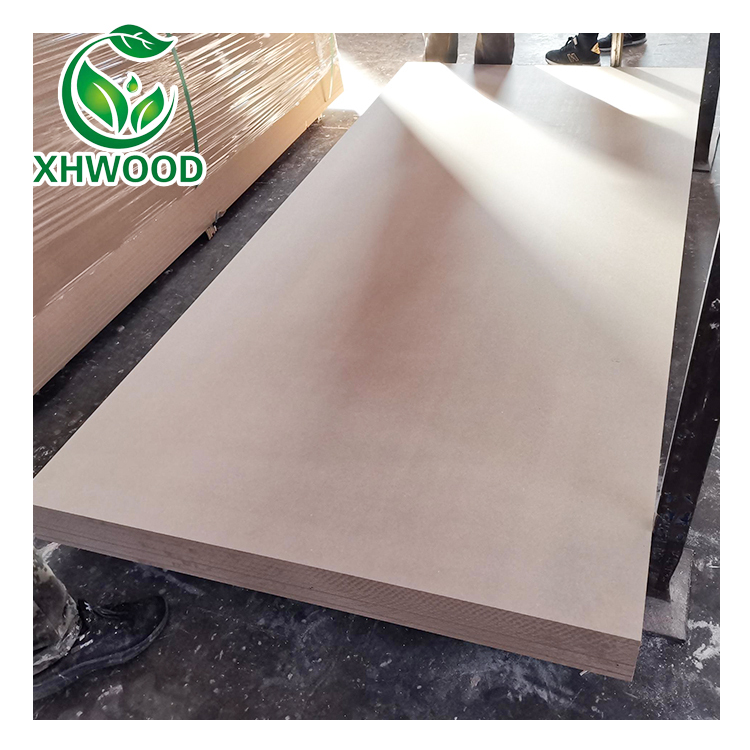
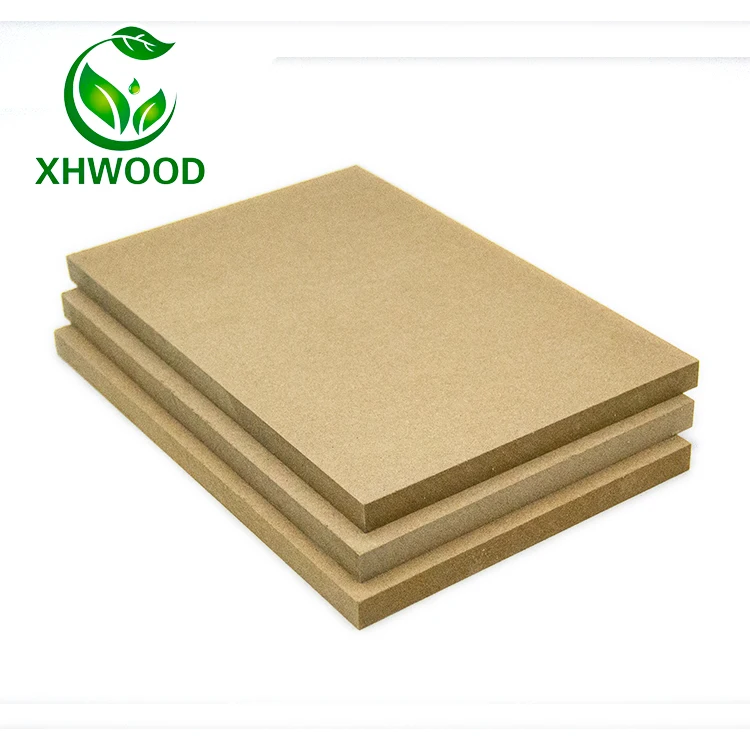
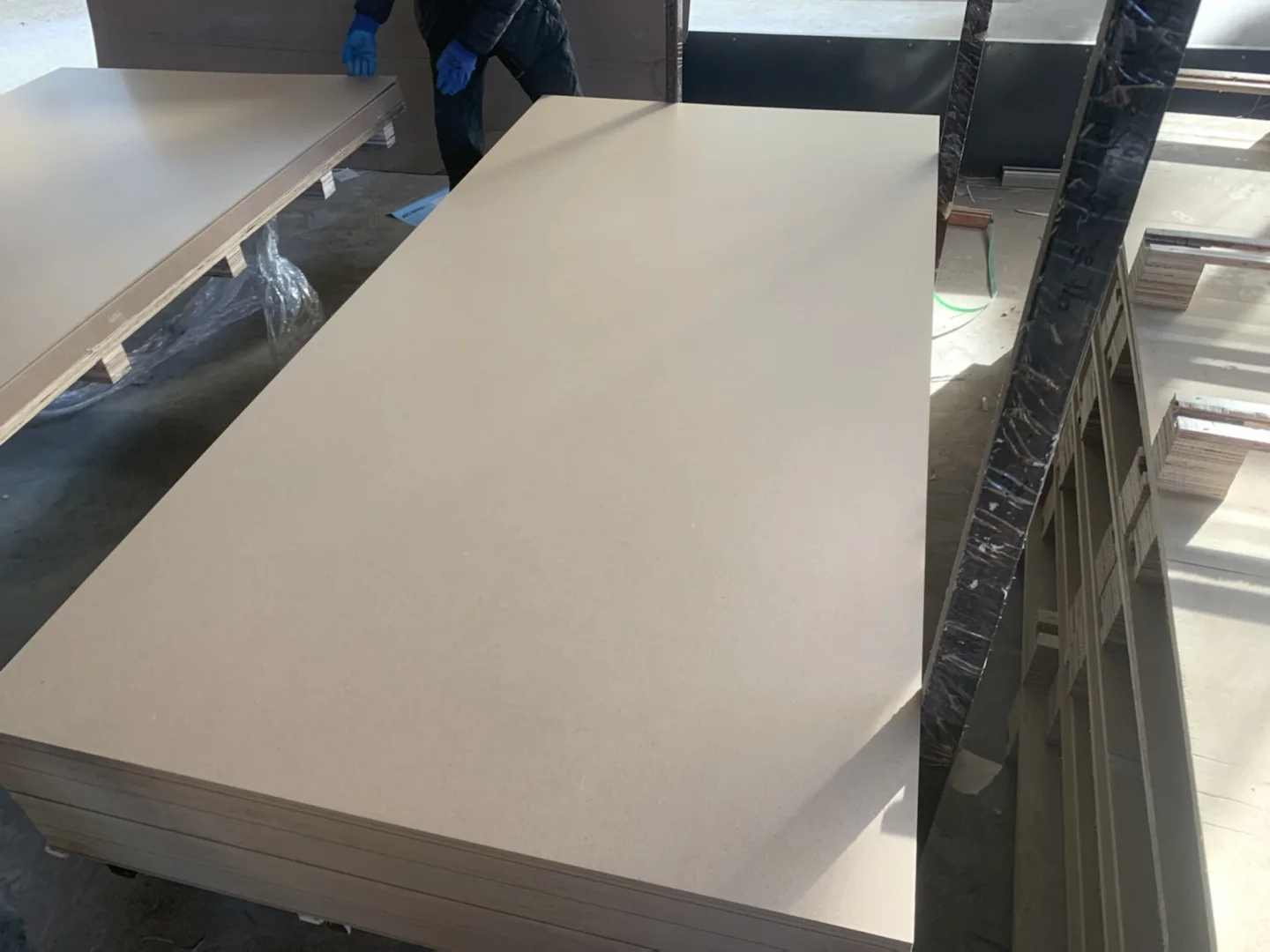
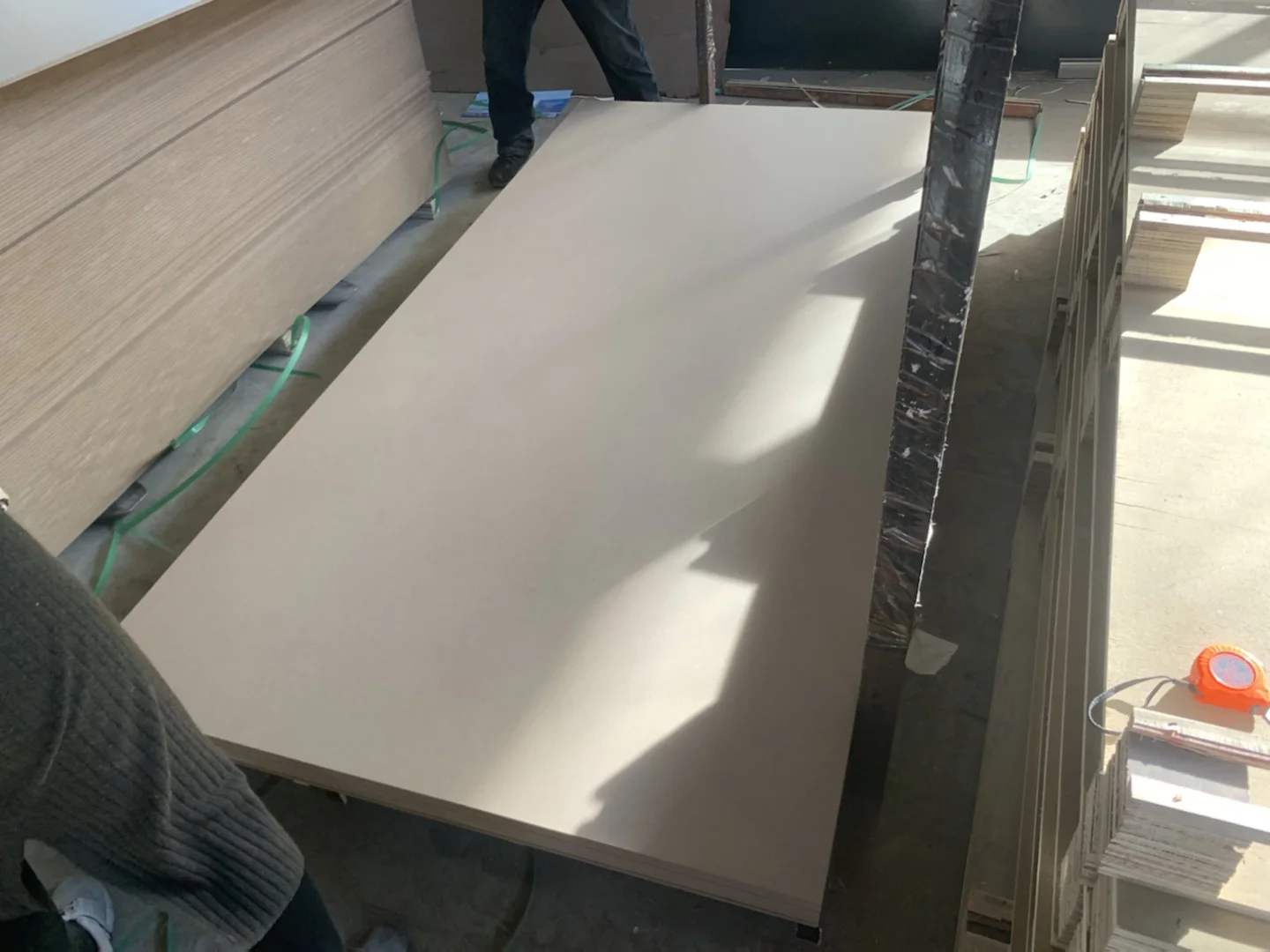
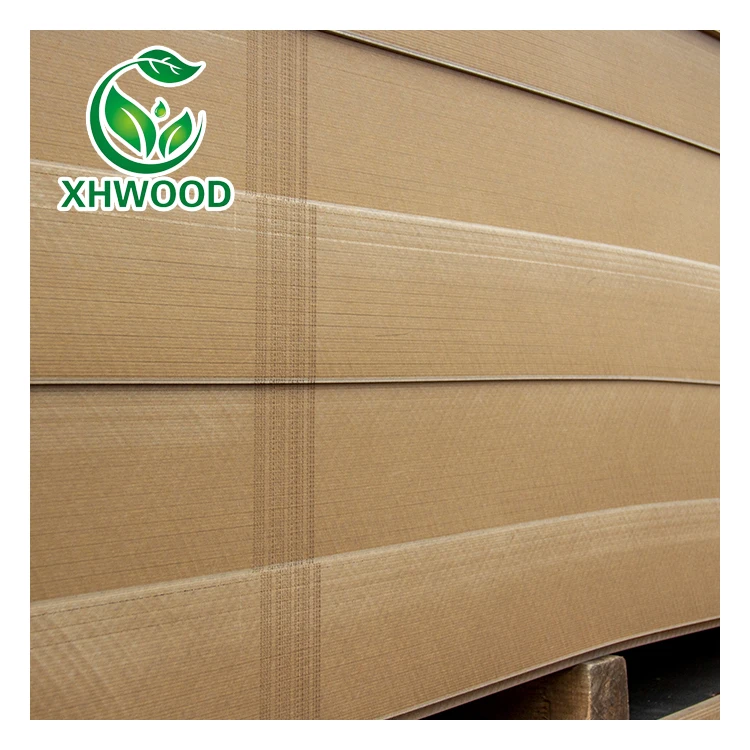
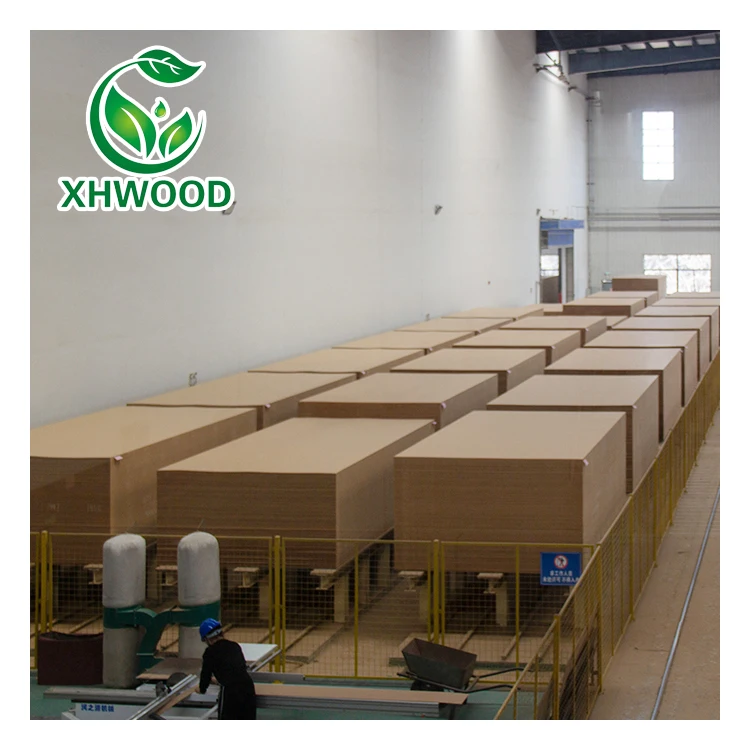
The XHWOOD 18mm Plain MDF Board is a high-quality, FSC-certified fiberboard engineered for durability and versatility. Crafted from MDF (medium-density fiberboard) and wood fiber with E1-grade adhesive, this board combines eco-friendly compliance with robust performance. Its smooth sanded surface and moisture-proof properties make it ideal for furniture, indoor decor, office spaces, and packing solutions.
| Feature | Specification | Benefit |
|---|---|---|
| Material | MDF, wood fiber (FSC-certified) | Sustainable, durable, and easy to shape |
| Thickness | 18mm | Balances strength and lightweight handling |
| Moisture Resistance | Moisture-proof treatment | Prevents warping in humid environments |
| Adhesive Standard | E1 (low formaldehyde emission) | Safe for indoor use and eco-conscious buyers |
| Surface Finish | Sanded | Ready for painting, staining, or veneering |
| Certification | FSC | Ensures responsible forestry practices |
Adjustable parameters include thickness (available in 9mm–25mm) and surface treatments (e.g., veneer, laminate) to meet specific project requirements. Ideal for custom furniture, cabinetry, or architectural panels needing precise dimensions or finishes.
Transform spaces with XHWOOD’s 18mm MDF boards. Their uniform thickness and smooth surface enable sleek, modern designs for office partitions, modular furniture, or decorative panels. Pair with moisture-proof features for humid kitchens or bathrooms, or leverage FSC certification for eco-focused projects.
| Parameter | Base Model | Advanced Model | Pro Model |
|---|---|---|---|
| Moisture Resistance | Standard (IPX2) | +15% (IPX3) | +30% (IPX4)* |
| Load Capacity | 200kg/m² | Enhanced (250kg/m²) | Premium (300kg/m²) |
| Surface Finish | Matte sanded | Glossy veneer | Custom laminate |
| Emission Level | E1 | E1 + VOC reduction | E0 (ultra-low formaldehyde) |
Technical Breakthroughs:
Optimal Version Selection:
With moisture-proof properties, you can install these boards in bathrooms without warping. With E0 emissions in the Pro Model, you can ensure ultra-safe environments for childcare facilities. The 18mm thickness offers 20% higher load-bearing capacity than standard MDF, making it ideal for heavy-duty furniture.

The Product Description is generated by third-party, and Alibaba.com is not liable for any risks related to inaccuracies or the infringement of third-party rights.
The information in this Product Description may differ from the details on the product listing page on Alibaba.com. Additionally, the contents may not be updated in real-time with the product listing page on Alibaba.com, and there may be delays in reflecting the most updated information. The description on product listing page takes precedence. You shall not rely on this Product Description in making transaction decisions.
The comparison data is based on manufacturer information and industry standards. Actual results may vary depending on individual use cases. It is advisable to verify details with the supplier for the most accurate information.