All categories
Featured selections
Trade Assurance
Buyer Central
Help Center
Get the app
Become a supplier

Customization:
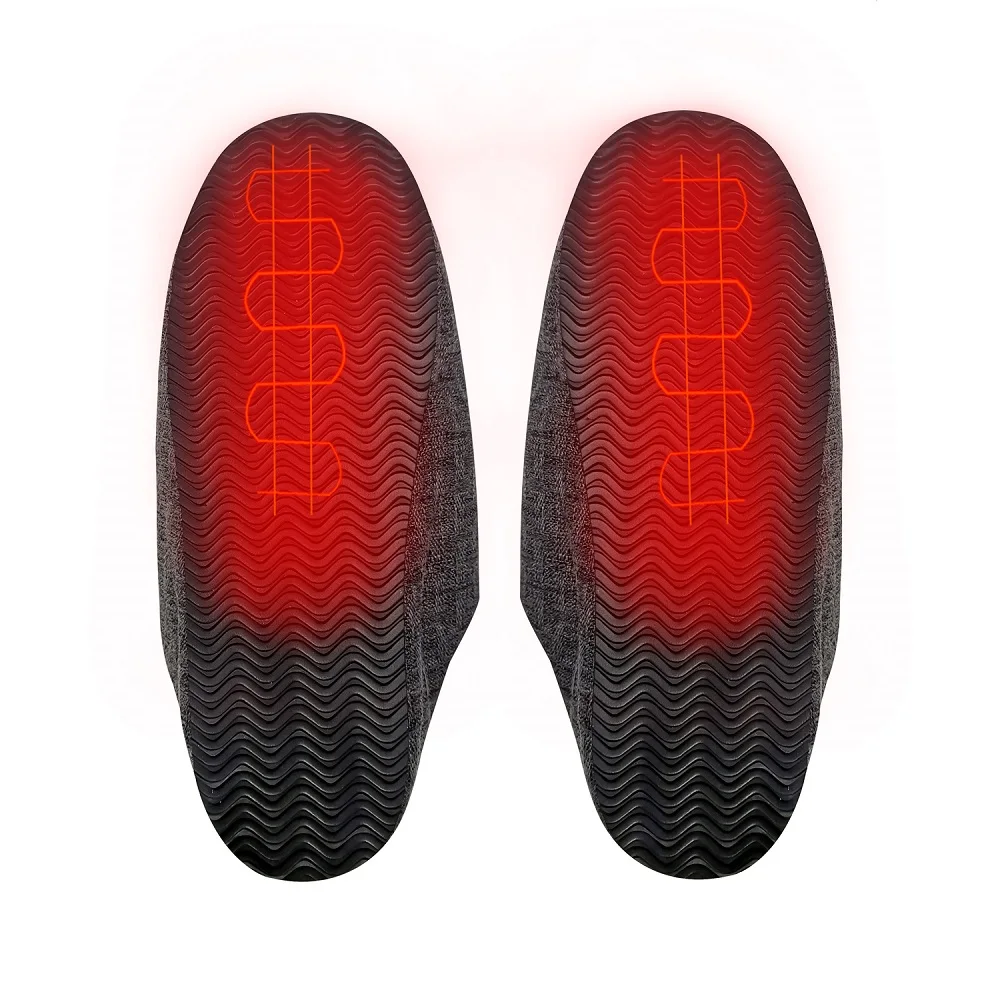
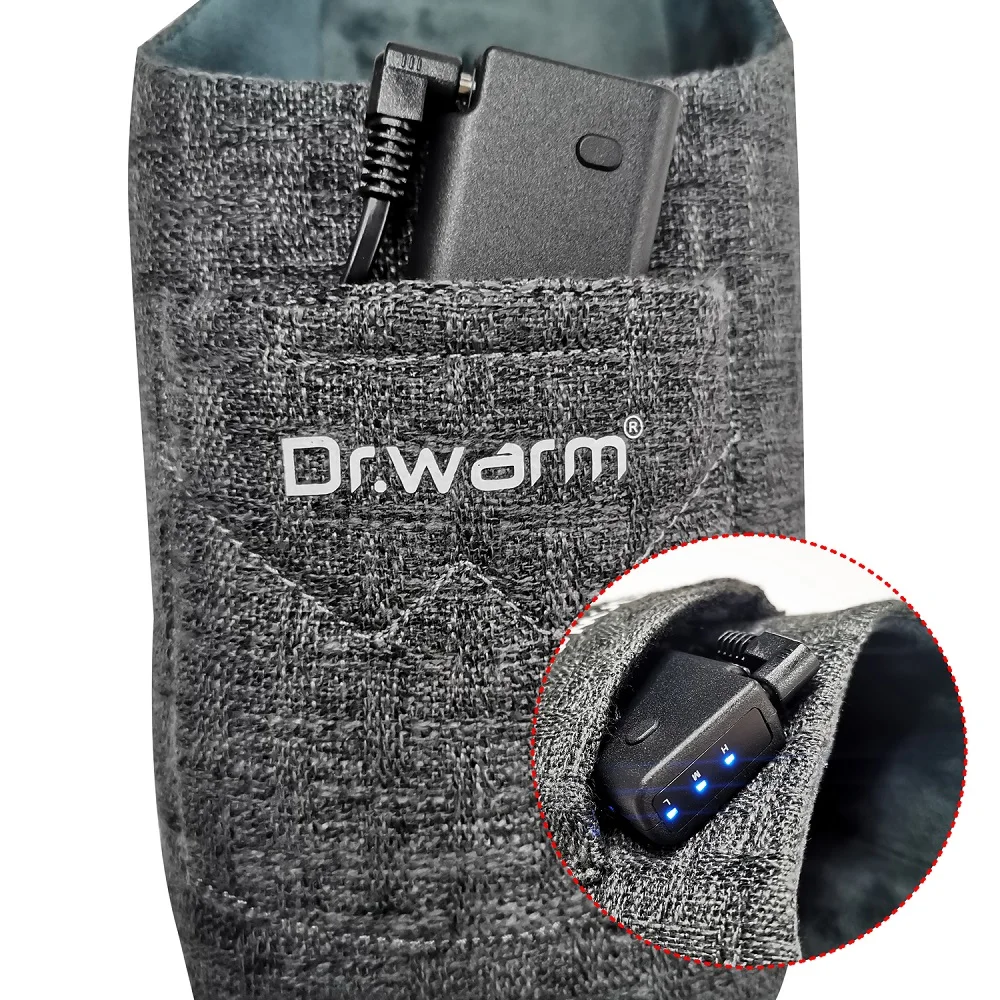
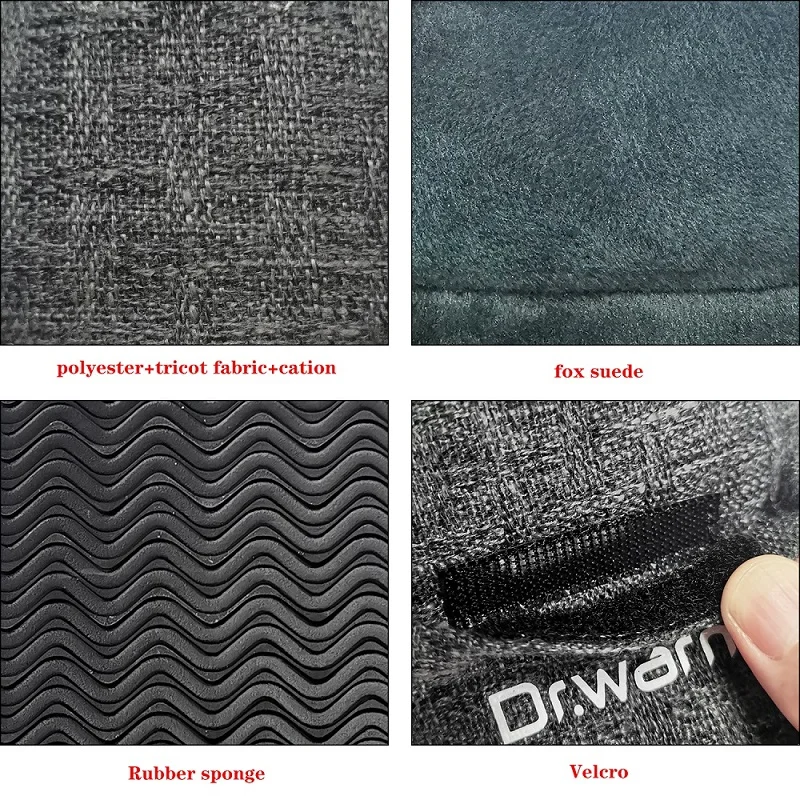
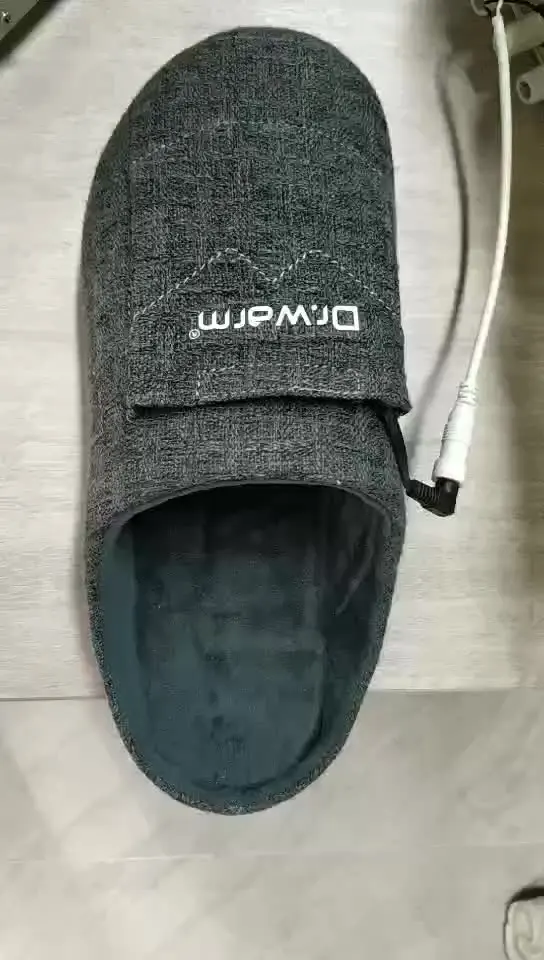
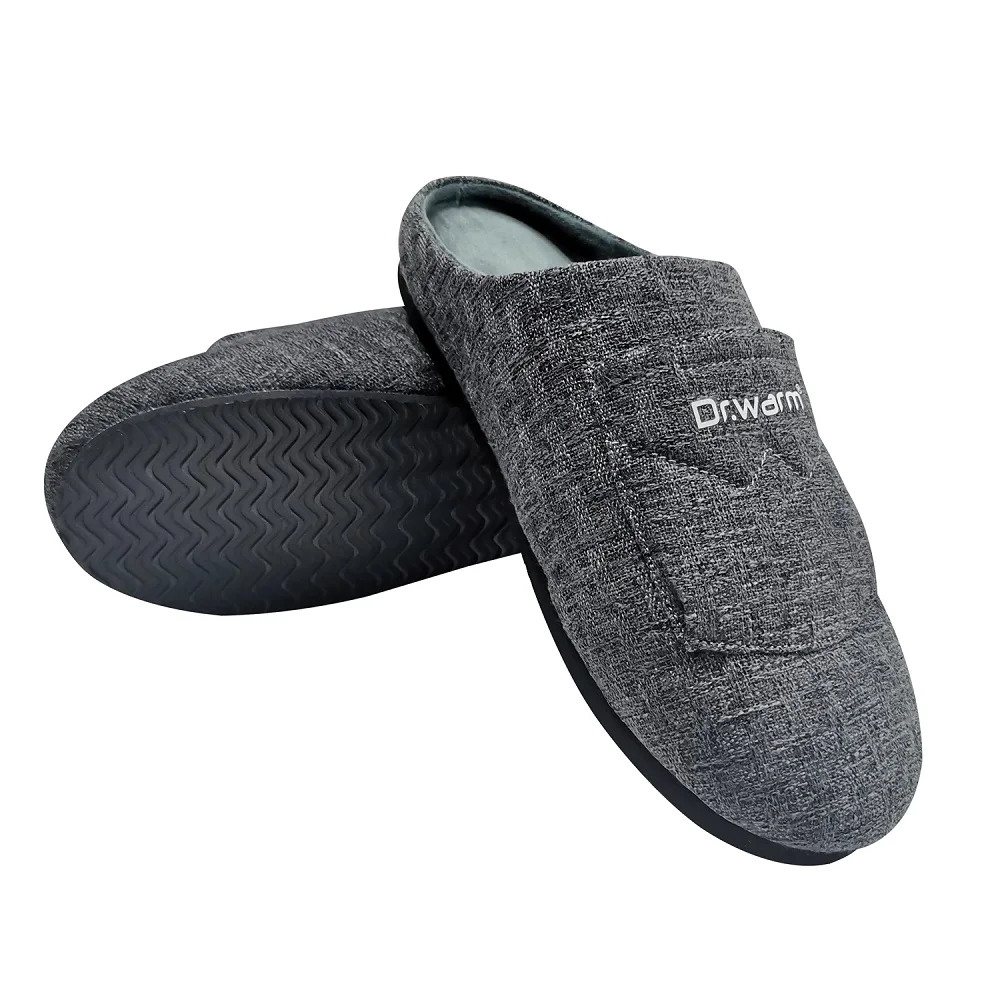
Dr. Warm's Winter Electric Battery-Powered Heated Slippers combine modern design with advanced thermal technology, offering customizable warmth for indoor comfort. Crafted from soft cotton and plush fabric insoles with durable rubber soles, these slippers are ideal for winter home use, ensuring both style and functionality.
| Feature | Specification | Benefit |
|---|---|---|
| Heating System | Rechargeable lithium battery, 3 heat levels | Adjustable warmth for personalized comfort |
| Insole Material | Cotton plush fabric | Enhanced cushioning and breathability |
| Outer Material | Rubber sole with cotton fabric upper | Durable, slip-resistant, and lightweight |
| Application Scenario | Indoor/home use | Safe for daily lounging and cold-weather comfort |
Adjustable heat settings (Low/Medium/High) allow users to tailor warmth intensity to specific needs. Custom material blends (e.g., adding wool for extra insulation) can be requested for extreme cold environments.
Ideal for cozy evenings, post-shower relaxation, or maintaining warmth during winter indoor activities. The textured pattern and soft fabric ensure both style and comfort, making them perfect for everyday use.
| Parameter | Base Model | Advanced Model | Pro Model |
|---|---|---|---|
| Heating Duration | 4 hours | 6 hours (+50%) | 8 hours (+100%) |
| Temperature Range | Low/Medium | Low/Medium/High | Low/Medium/High/Boost |
| Battery Type | Standard lithium | Fast-charging lithium | Premium lithium-ion |
| Moisture Resistance | Basic | Enhanced | Waterproof |
Technical Breakthroughs:
Version Selection Guide:

The Product Description is generated by third-party, and Alibaba.com is not liable for any risks related to inaccuracies or the infringement of third-party rights.
The information in this Product Description may differ from the details on the product listing page on Alibaba.com. Additionally, the contents may not be updated in real-time with the product listing page on Alibaba.com, and there may be delays in reflecting the most updated information. The description on product listing page takes precedence. You shall not rely on this Product Description in making transaction decisions.
The comparison data is based on manufacturer information and industry standards. Actual results may vary depending on individual use cases. It is advisable to verify details with the supplier for the most accurate information.