All categories
Featured selections
Trade Assurance
Buyer Central
Help Center
Get the app
Become a supplier
Customization:
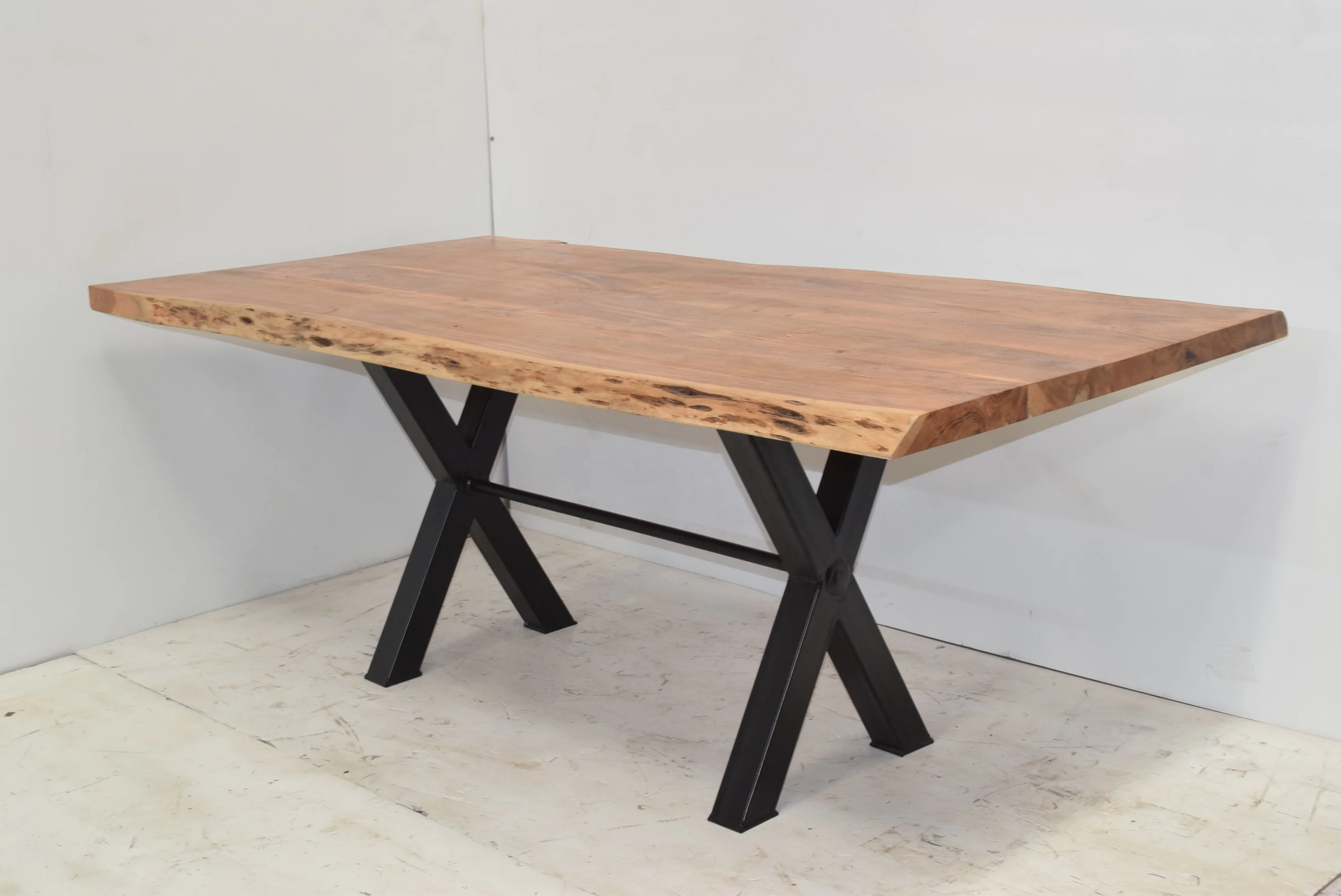
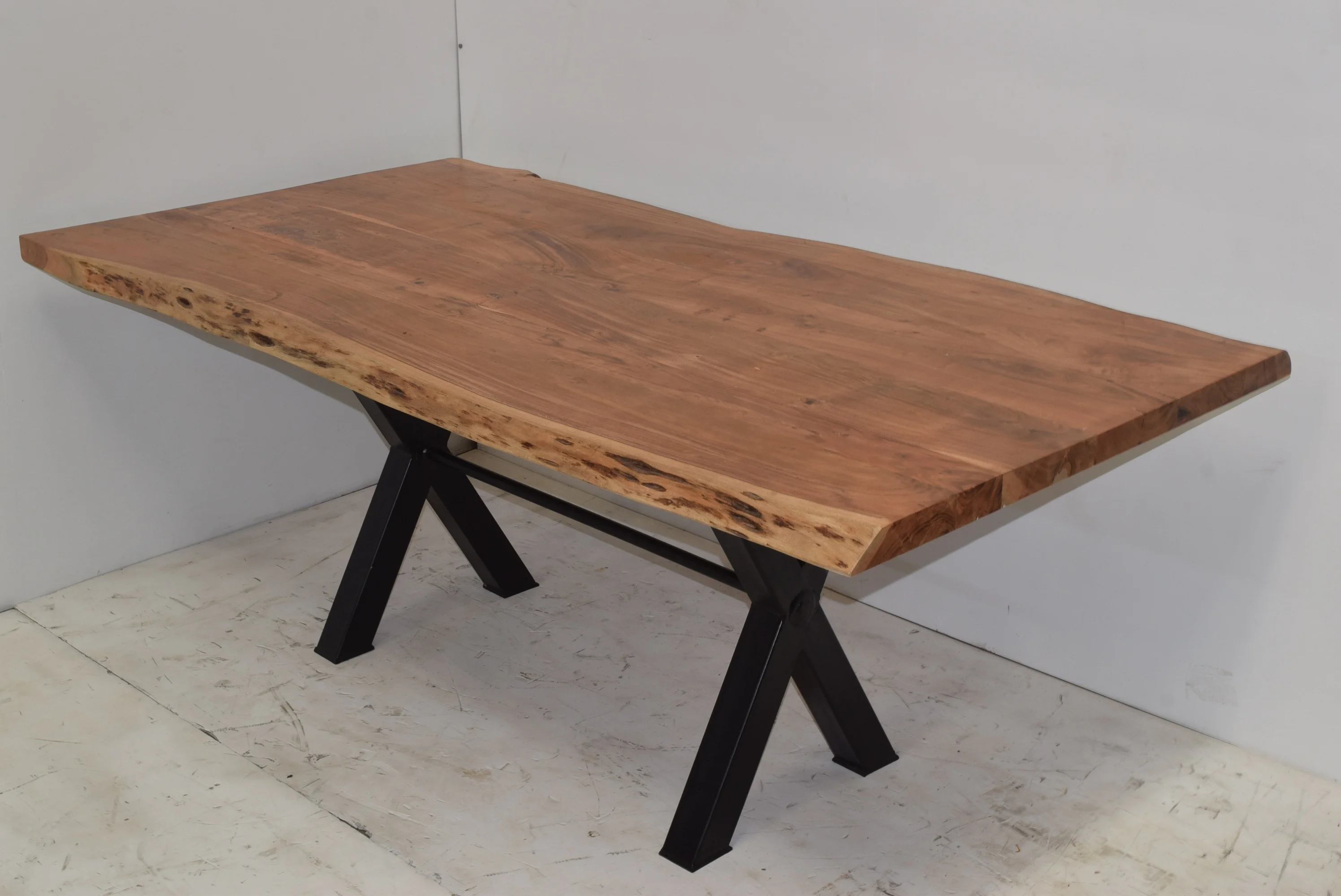
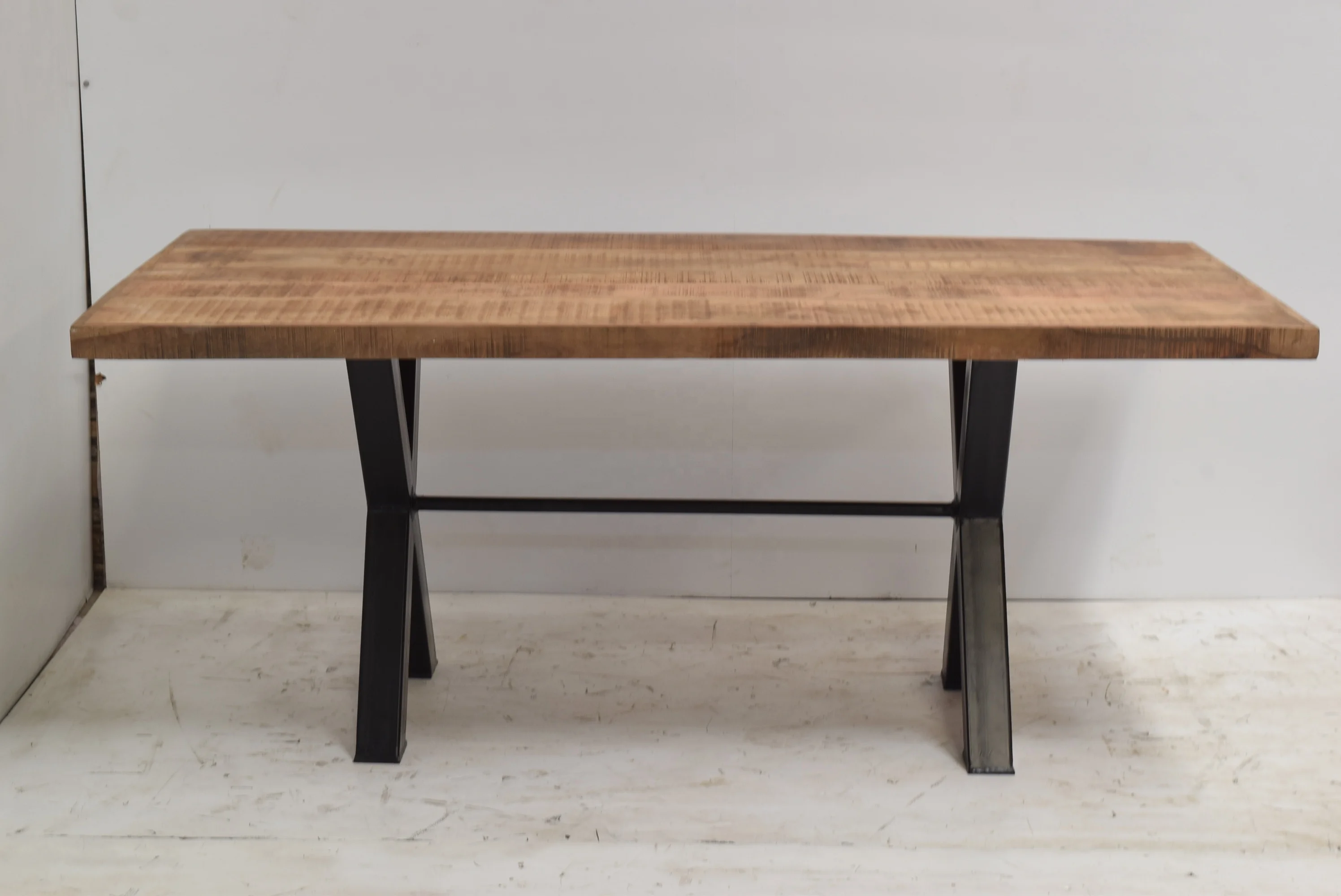
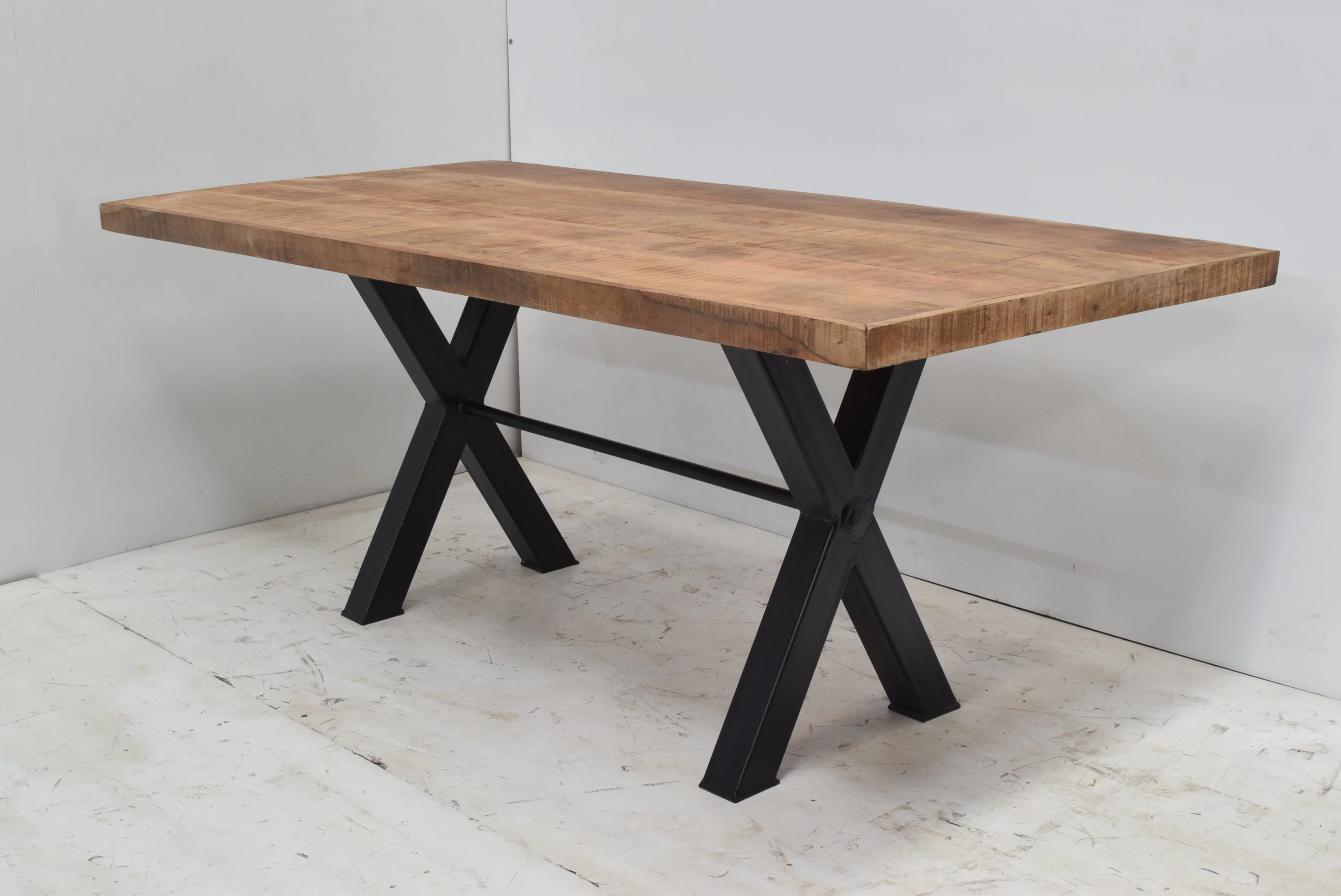
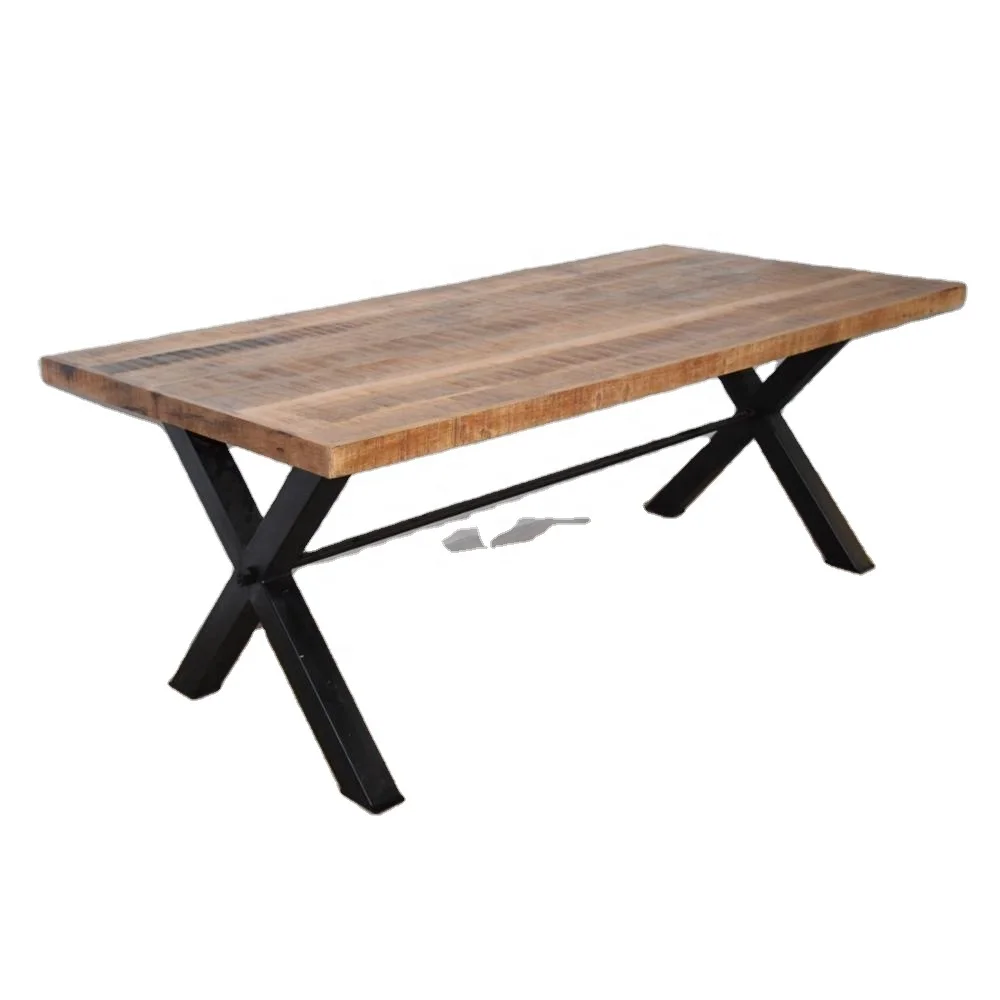
The Wooden Top Iron Metal Base Vintage Coffee Dining Table combines the warmth of reclaimed mango wood with the industrial strength of cast iron legs. Its foldable design and adjustable height make it ideal for homes, hotels, and restaurants seeking versatile, durable furniture.
| Feature | Specification | Benefit |
|---|---|---|
| Material | Mango Wood Top, Cast Iron Legs | Durable, rustic aesthetic with industrial contrast |
| Adjustable Height | 24–30 inches (customizable) | Adapts to seating comfort and space needs |
| Foldable Design | Compact storage mode | Space-saving solution for small spaces |
| Durability | Cast Iron Construction | Heavy-duty for commercial and residential use |
| Design | X-shaped metal legs, weathered wood | Stable base and rustic-industrial style |
With its blend of organic wood and industrial metal, this table bridges rustic charm and modern functionality. Whether in a cozy home dining nook or a bustling restaurant, its adjustable height and foldable design ensure adaptability to any setting.
| Parameter | Base Model | Advanced Model | Pro Model |
|---|---|---|---|
| Adjustable Height | 24–28" | 24–30" | 24–32" (+15% range)* |
| Load Capacity | 200 lbs | 250 lbs (+25%) | 300 lbs (+50%) |
| Customization | Basic (color) | Material + Finish | Full customization |
| Price Tier | Entry-level | Mid-range | Premium (+40% cost) |
Technical Breakthroughs:
Version Selection Guide:
With the Pro Model’s 300-lb capacity and 32" height range, you can safely host large gatherings while maintaining a tailored aesthetic. Pair its cast iron legs with reclaimed mango wood for a timeless industrial-rustic look that outlasts traditional furniture.

The Product Description is generated by third-party, and Alibaba.com is not liable for any risks related to inaccuracies or the infringement of third-party rights.
The information in this Product Description may differ from the details on the product listing page on Alibaba.com. Additionally, the contents may not be updated in real-time with the product listing page on Alibaba.com, and there may be delays in reflecting the most updated information. The description on product listing page takes precedence. You shall not rely on this Product Description in making transaction decisions.
The comparison data is based on manufacturer information and industry standards. Actual results may vary depending on individual use cases. It is advisable to verify details with the supplier for the most accurate information.