All categories
Featured selections
Trade Assurance
Buyer Central
Help Center
Get the app
Become a supplier

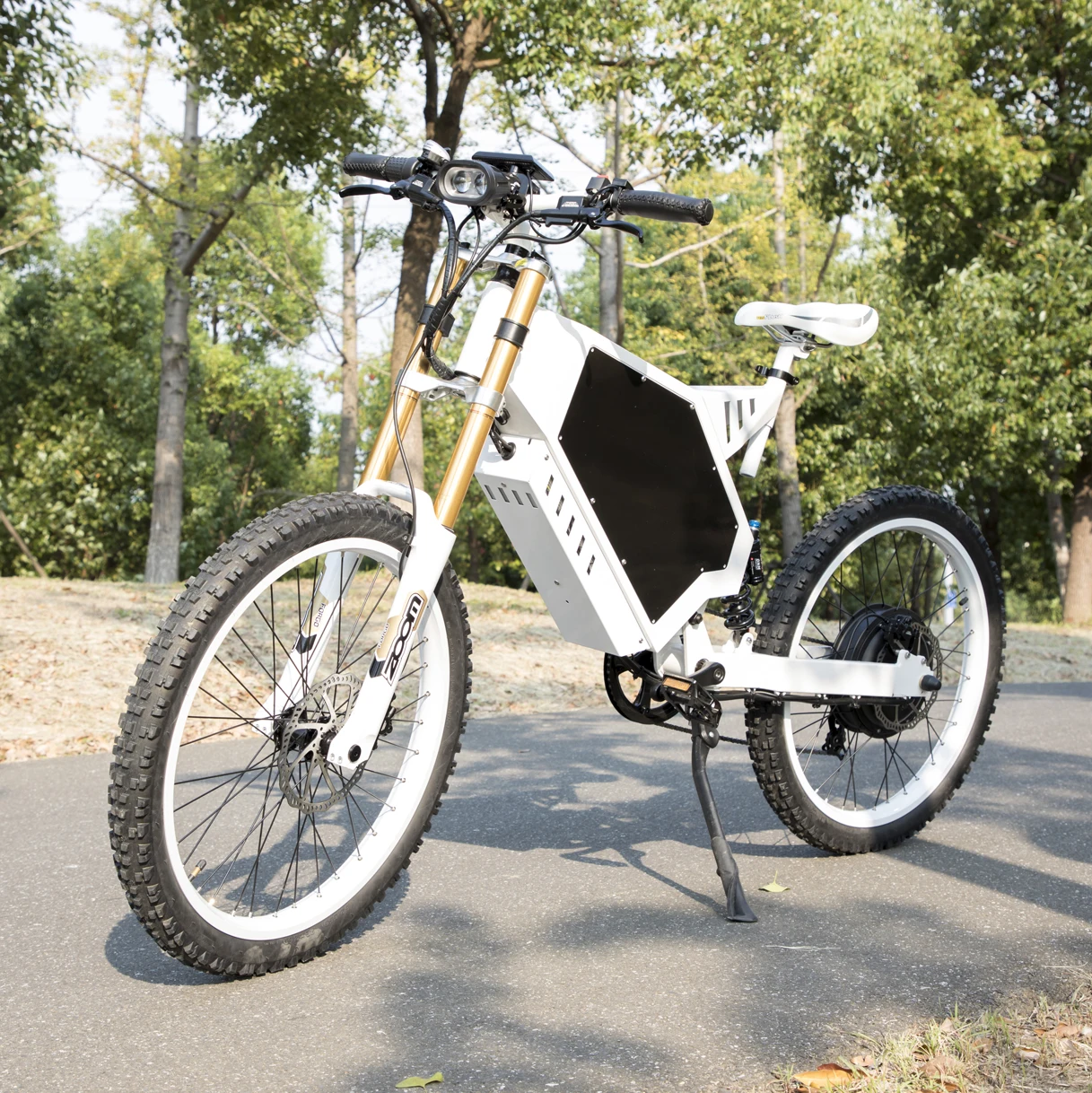
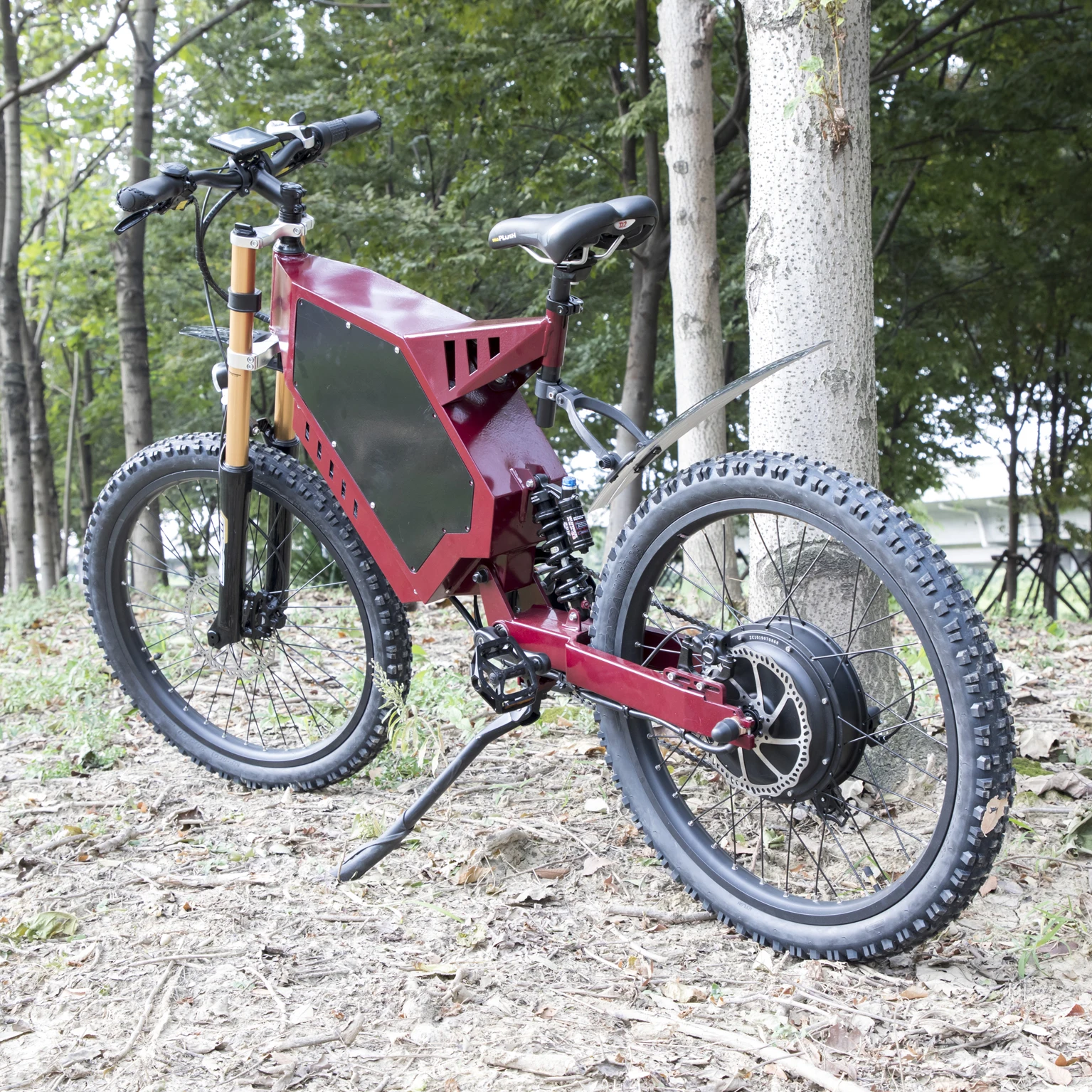
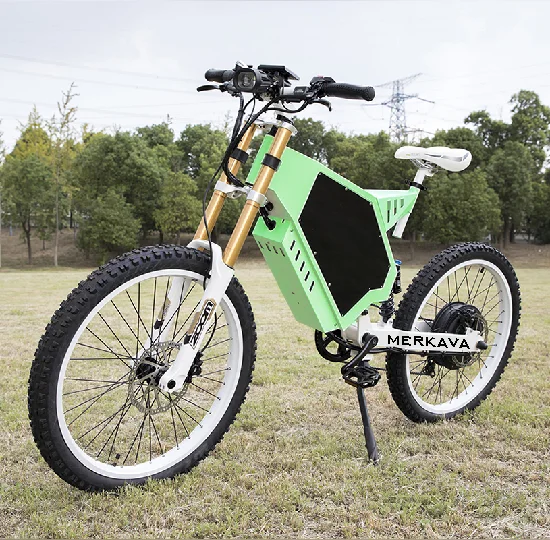
The World Fastest Electric Bike combines rugged off-road capability with cutting-edge electric technology. Designed for adventurers and commuters alike, it features a steel frame, hydraulic disc brakes, and customizable power options (3000W to 5000W) to tackle diverse terrains. With a 60km range and advanced smart features, this e-bike delivers reliability and performance.
| Feature | Specification | Benefit |
|---|---|---|
| Frame Material | Steel | Durable and robust construction for heavy-duty use |
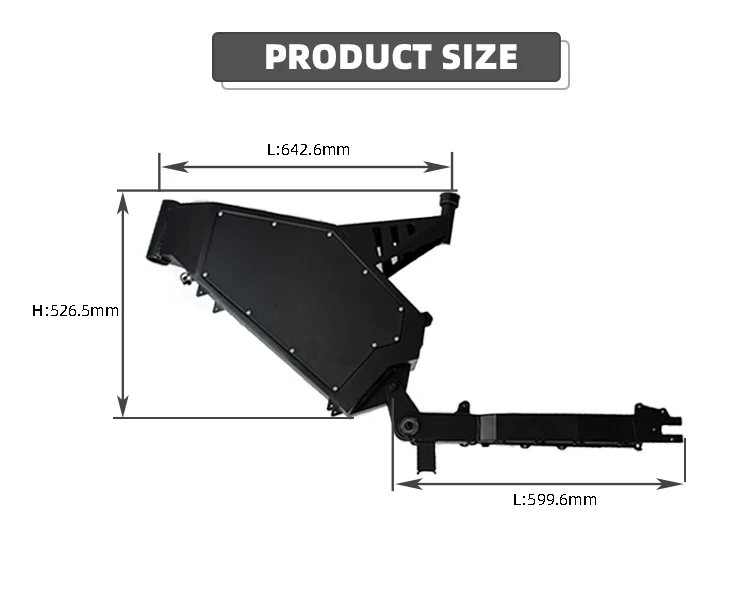
| Battery Position | Rear Carrier | Optimized weight distribution for stability |
| Battery Type | Lithium | Lightweight, long-lasting, and quick-charging |
| Braking System | Hydraulic Disc Brakes | Reliable stopping power in all conditions |
| Display Type | LCD | Clear digital readouts for speed, distance, and battery life |
| Motor Type | Brushless | Efficient, quiet operation with minimal maintenance |
| Motor Power | 3000W, 5000W (adjustable) | Versatile power for steep hills or long distances |
| Torque | >100Nm | Strong acceleration and hill-climbing ability |
| Voltage Options | 48V, 72V | Flexible power configurations for varying needs |
| Range | 60km | Long-distance capability on a single charge |
| Smart Features | Bluetooth, Sensors, Electronic Sensors | Real-time data monitoring and connectivity |
| Tires | Knobby Tires | Excellent grip on rough terrain |
| Suspension | Front Fork with Hydraulic Damping | Smooth ride absorption on uneven surfaces |
Adjustable motor power (3000W to 5000W) to meet varying terrain demands. Customizable accessories via steel frame mounts for personalized setups. LCD display settings tailored to user preferences for optimal performance tracking.
Explore rugged trails or commute daily with confidence. With versatile power options and robust construction, this e-bike adapts to your adventures. Whether tackling steep hills or long commutes, the advanced suspension and knobby tires ensure a smooth, reliable ride.
| Parameter | Base Model | Advanced Model | Pro Model |
|---|---|---|---|
| Motor Power | 3000W (48V) | 4000W (+33%) | 5000W (+66%) |
| Torque | 100Nm | 120Nm (+20%) | 150Nm (+50%) |
| Range | 60km | 70km (+16.6%) | 80km (+33%) |
| Suspension | Front Fork | Full Suspension | Dual Suspension (+40% shock absorption) |
| Voltage | 48V | 48V/72V | 72V |
Technical Breakthroughs:
Version Selection Guide:
With its industry-leading torque and customizable power, the Pro Model redefines off-road e-bike performance. The Advanced Model balances versatility and affordability for everyday adventurers. Choose based on your terrain demands and power needs.

The Product Description is generated by third-party, and Alibaba.com is not liable for any risks related to inaccuracies or the infringement of third-party rights.
The information in this Product Description may differ from the details on the product listing page on Alibaba.com. Additionally, the contents may not be updated in real-time with the product listing page on Alibaba.com, and there may be delays in reflecting the most updated information. The description on product listing page takes precedence. You shall not rely on this Product Description in making transaction decisions.
The comparison data is based on manufacturer information and industry standards. Actual results may vary depending on individual use cases. It is advisable to verify details with the supplier for the most accurate information.