All categories
Featured selections
Trade Assurance
Buyer Central
Help Center
Get the app
Become a supplier

Customization:
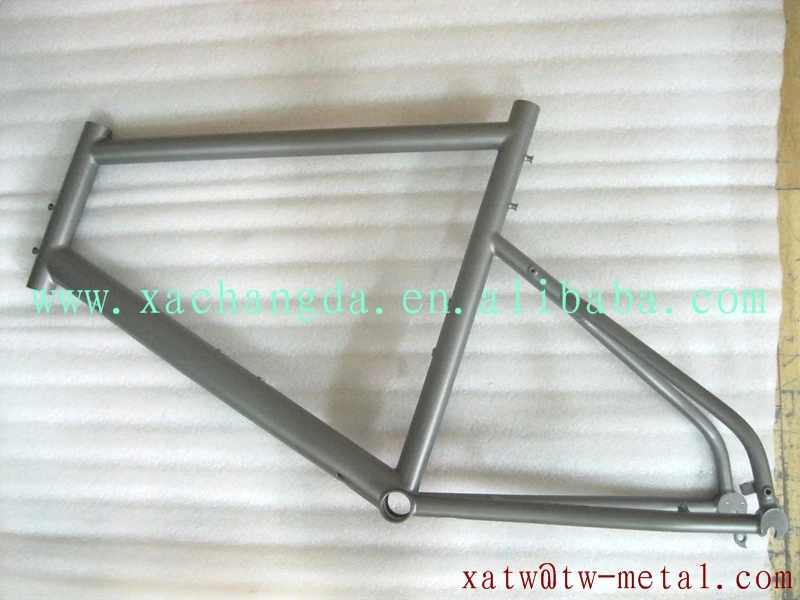
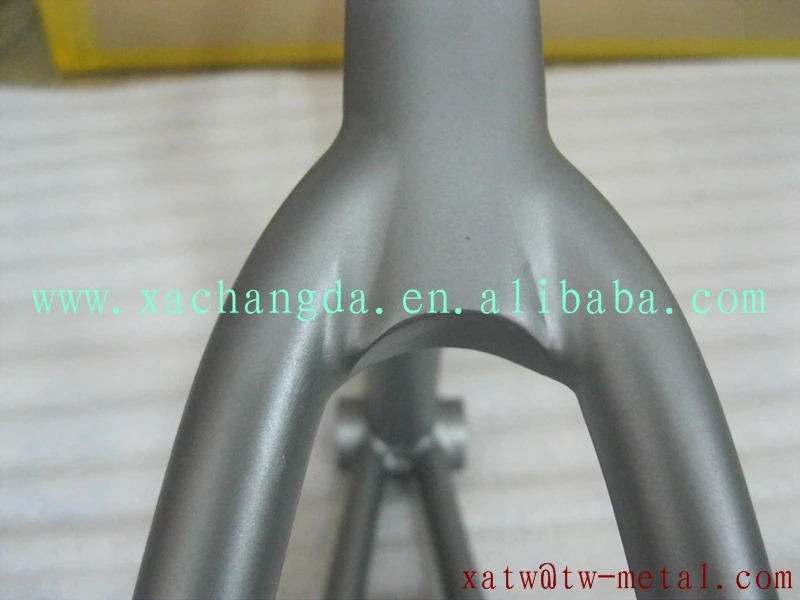
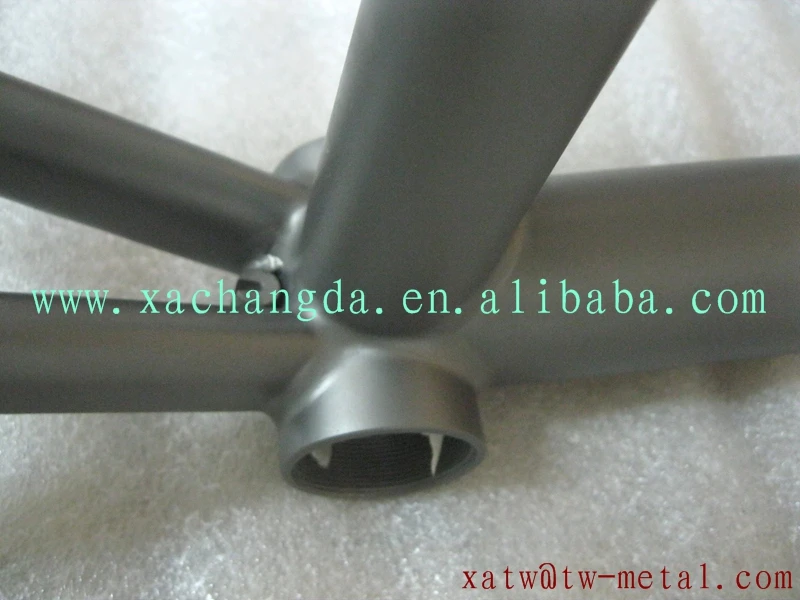
The XACD Made Titanium Road Bike Weldless Frame is a sleek, minimalist 20" titanium touring bike designed for urban commuting and kids' use. Built with a lightweight titanium alloy frame and weldless construction, it combines aerodynamic efficiency with durability, offering a versatile solution for city navigation and compact storage.
| Feature | Specification | Benefit |
|---|---|---|
| Material | Grade 3/2.5 Titanium Alloy | Lightweight, corrosion-resistant, and long-lasting |
| Frame Design | Weldless Aerodynamic Construction | Seamless integration and reduced drag for speed |
| Size | 20" (49-52cm wheelbase) | Compact for urban agility and easy storage |
| Application | Road/Urban/Kids' Bikes | Versatile for daily commutes and family use |
Adjustable fork length and handlebar height parameters to meet specific rider preferences, such as optimizing fit for children or adding accessory mounts for urban gear.
Pair the XACD Titanium Frame with your choice of components to create a custom urban ride. Its minimalist design and lightweight titanium construction make it ideal for navigating busy streets, storing in tight spaces, or adapting for kids' commuting needs.
| Parameter | Base Model | Advanced Model | Pro Model |
|---|---|---|---|
| Frame Material | Grade 3 Titanium | Grade 2.5 Titanium | Premium Grade 5 Titanium |
| Weight | 1.8kg | 1.6kg (+11%) | 1.4kg (+28%*) |
| Customization | Basic mounts | Enhanced accessory compatibility | Full modular design |
| Durability | 10-year warranty | 15-year warranty | 20-year warranty |
Technical Breakthroughs:
Version Selection Guide:
With its weldless aerodynamic design, you can slice through city traffic effortlessly. The Pro version’s premium titanium frame – 30% lighter than aluminum – enables safe handling of rugged terrain while maintaining a sleek profile. Pair its corrosion-resistant material with the modular Pro accessories to create a tailored urban ride.

The Product Description is generated by third-party, and Alibaba.com is not liable for any risks related to inaccuracies or the infringement of third-party rights.
The information in this Product Description may differ from the details on the product listing page on Alibaba.com. Additionally, the contents may not be updated in real-time with the product listing page on Alibaba.com, and there may be delays in reflecting the most updated information. The description on product listing page takes precedence. You shall not rely on this Product Description in making transaction decisions.
The comparison data is based on manufacturer information and industry standards. Actual results may vary depending on individual use cases. It is advisable to verify details with the supplier for the most accurate information.