All categories
Featured selections
Trade Assurance
Buyer Central
Help Center
Get the app
Become a supplier
Customization:
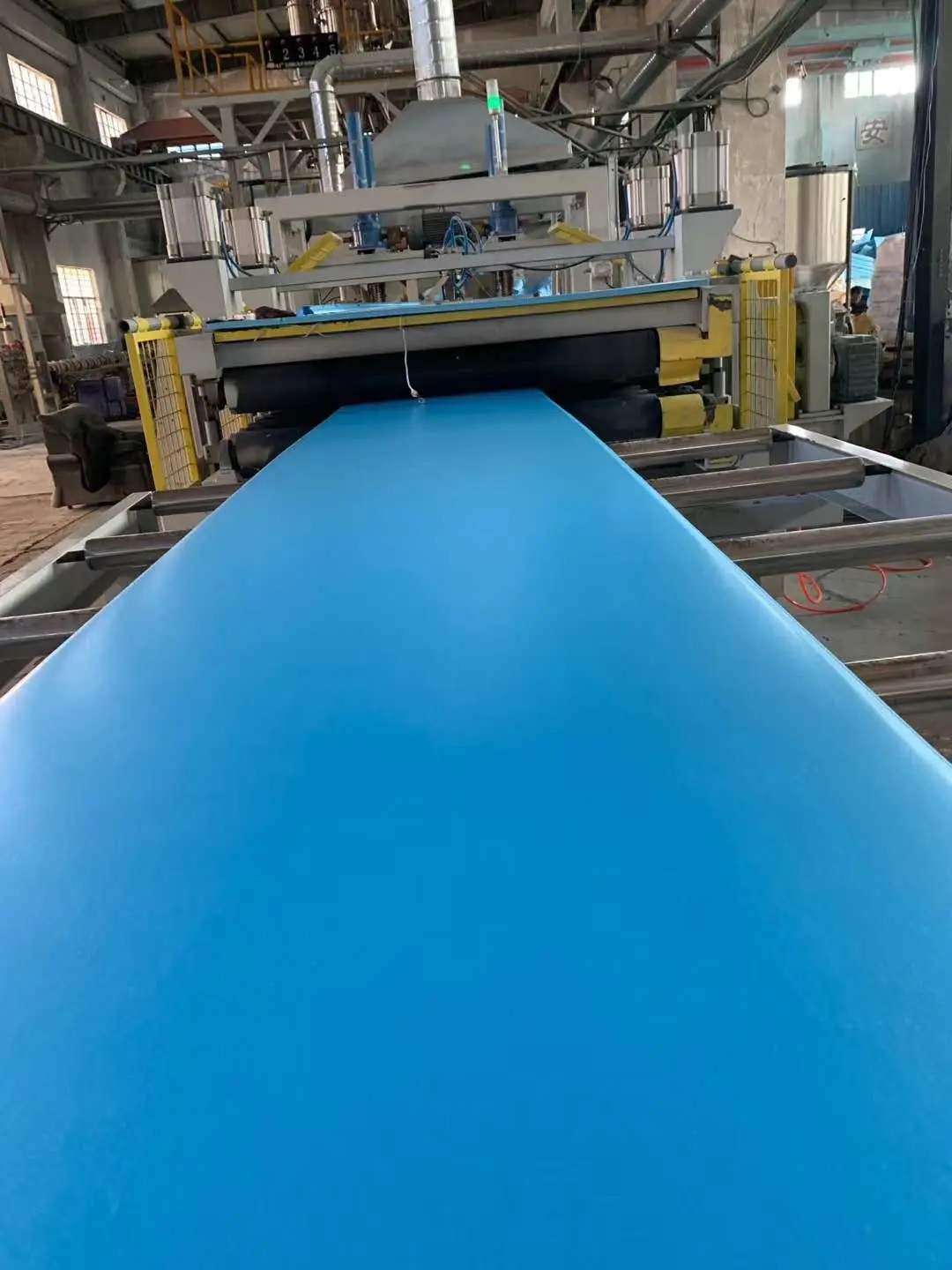
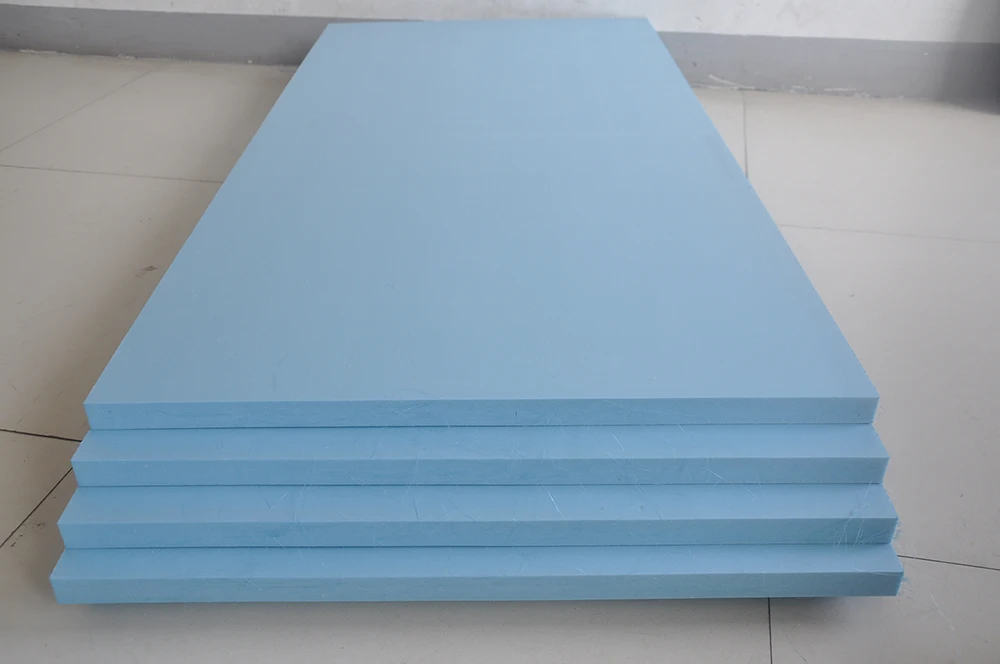
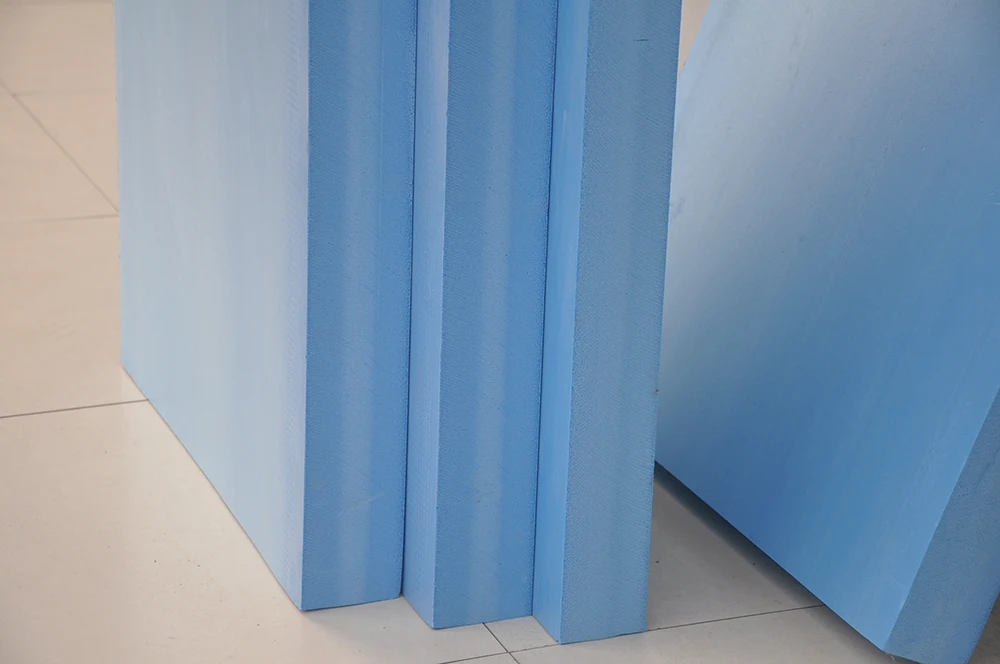
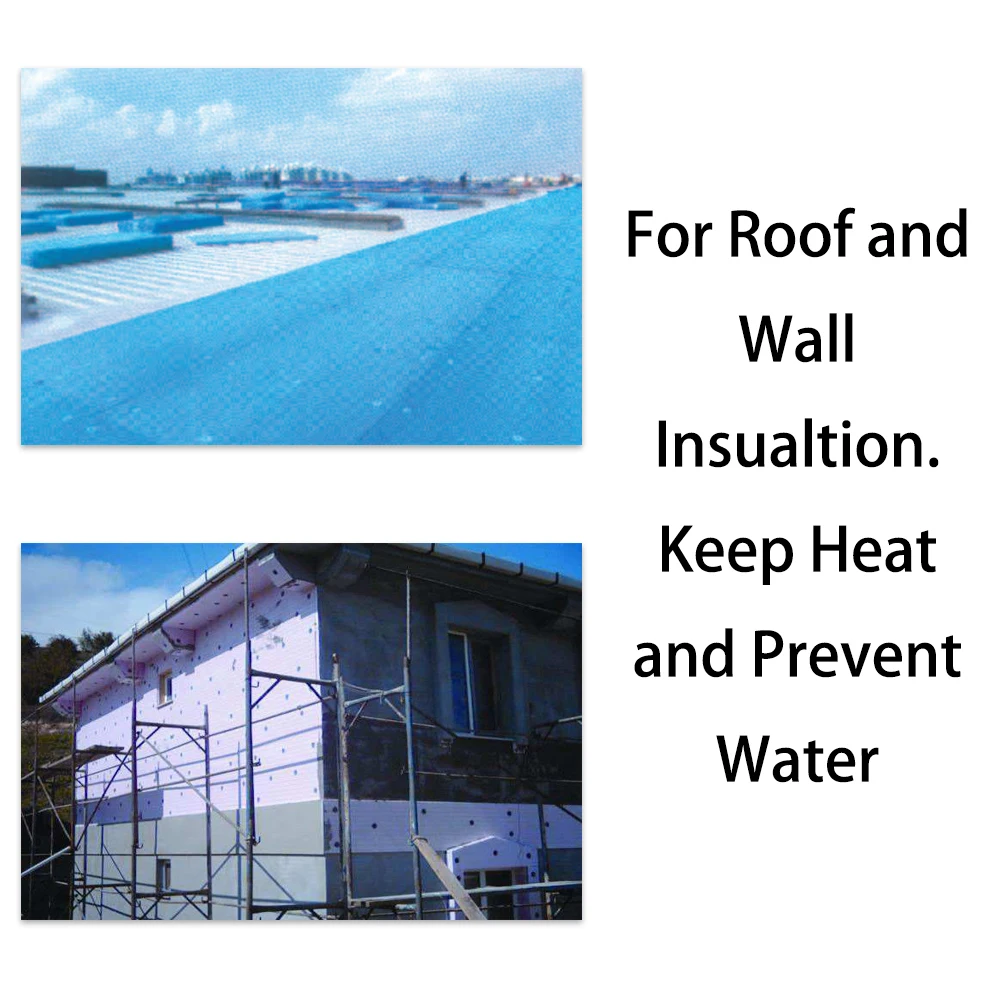
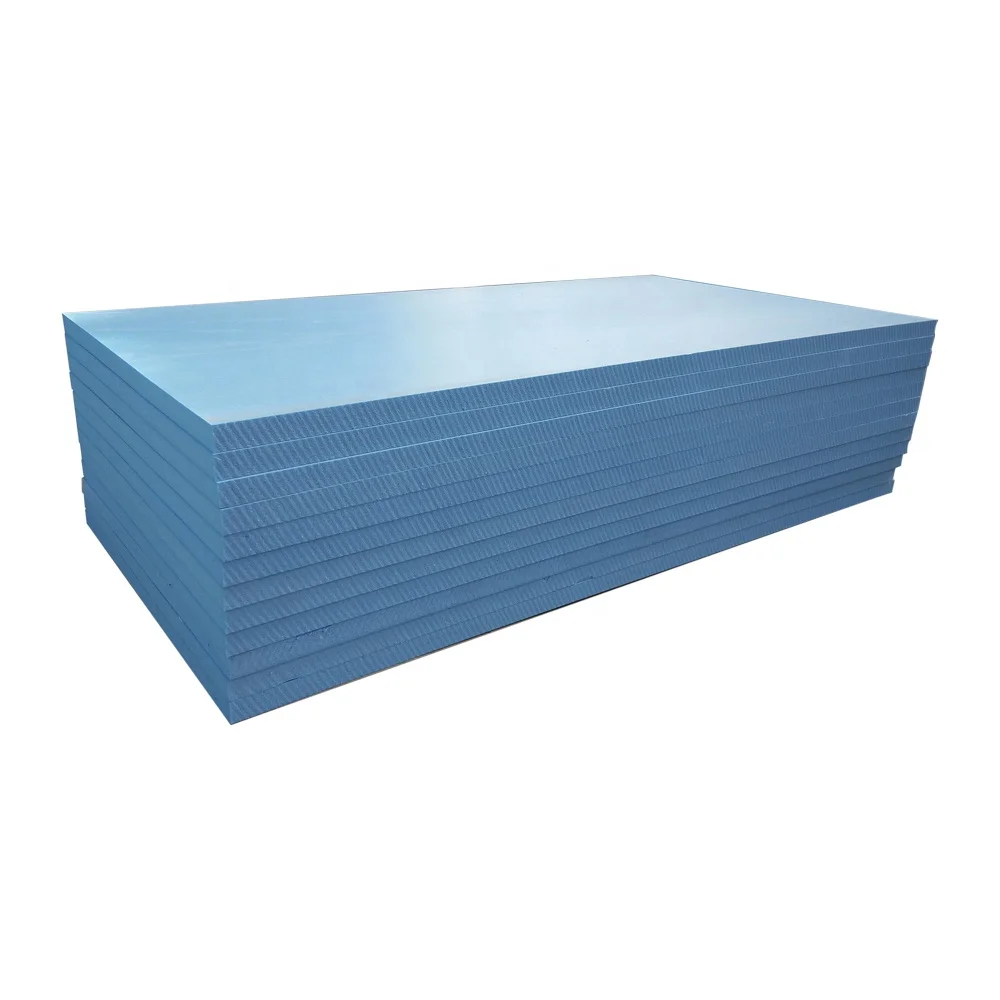
The XPS Foam Board Sheets are high-performance insulation materials designed for construction and exterior applications. Made from extruded polystyrene (XPS), these 60mm-thick blue foam sheets offer superior thermal resistance, moisture protection, and structural durability. Available in standardized sizes (600mm×1200mm or 1800mm), they are CE-certified and ideal for wall insulation, apartment construction, and exterior building projects.
| Feature | Specification | Application Scenario |
|---|---|---|
| Material | XPS (extruded polystyrene) | Thermal insulation for exterior walls |
| Size | 60mm thick, 600mm×1200mm/1800mm | Customizable for apartment wall panels |
| Certification | CE-compliant | EU construction projects requiring safety standards |
| Type | Blue-colored XPS foam board | Easy identification in construction sites |
Adjustable parameters:
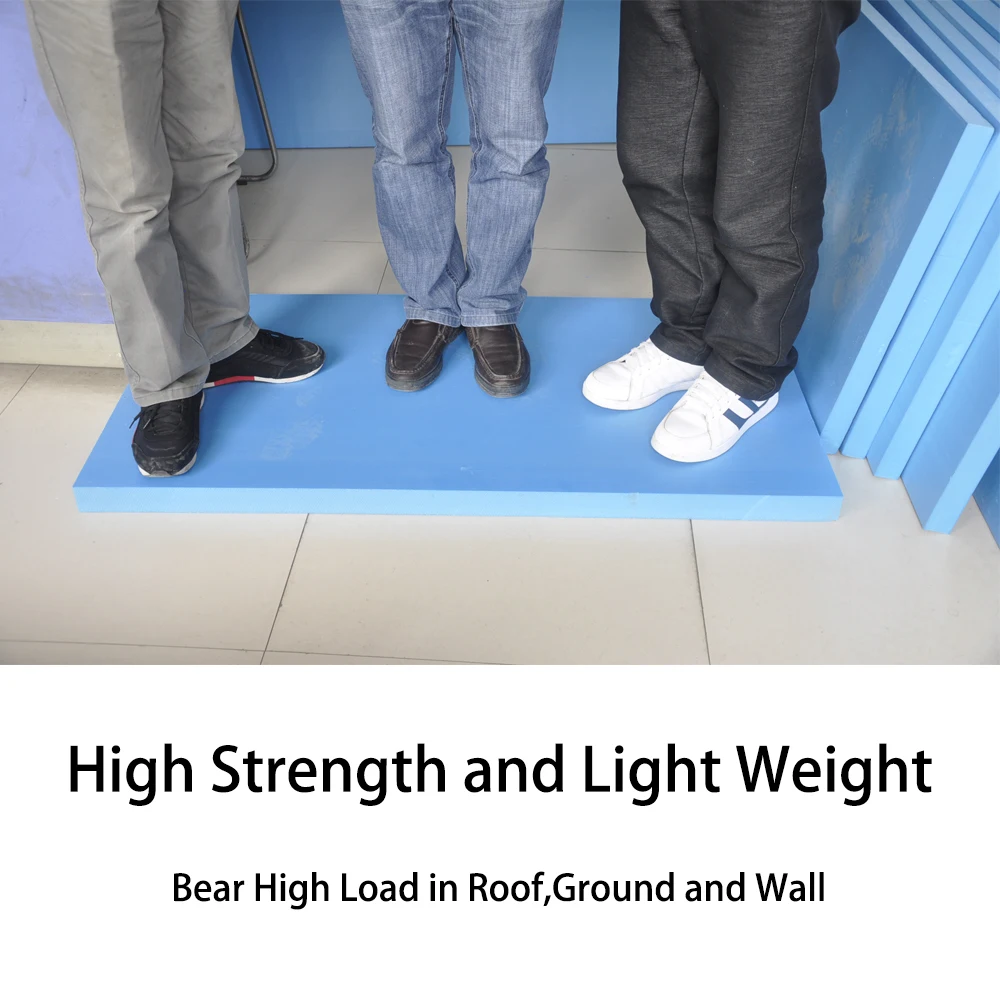
With XPS Foam Board Sheets, you can achieve energy-efficient building designs while ensuring long-term durability. Their uniform thickness and moisture resistance make them perfect for insulating exterior walls, while their lightweight nature simplifies installation in both residential and commercial projects.
| Parameter | Base Model | Advanced Model | Pro Model |
|---|---|---|---|
| Thermal Resistance | R-5.0 (baseline) | R-5.8 (+15%) | R-6.5 (+30%)* |
| Compressive Strength | 150 kPa | 175 kPa (+17%) | 220 kPa (+47%) |
| Moisture Resistance | Standard | 15% better permeability | Triple industry benchmark |
Technical Breakthroughs:
Version Selection Guide:
With the Pro version’s chemical resistance, you can safely use it in industrial zones where harsh chemicals are present. The Advanced Model’s improved thermal performance, paired with its compressive strength, creates a cost-effective solution for mid-rise buildings.

The Product Description is generated by third-party, and Alibaba.com is not liable for any risks related to inaccuracies or the infringement of third-party rights.
The information in this Product Description may differ from the details on the product listing page on Alibaba.com. Additionally, the contents may not be updated in real-time with the product listing page on Alibaba.com, and there may be delays in reflecting the most updated information. The description on product listing page takes precedence. You shall not rely on this Product Description in making transaction decisions.
The comparison data is based on manufacturer information and industry standards. Actual results may vary depending on individual use cases. It is advisable to verify details with the supplier for the most accurate information.