All categories
Featured selections
Trade Assurance
Buyer Central
Help Center
Get the app
Become a supplier
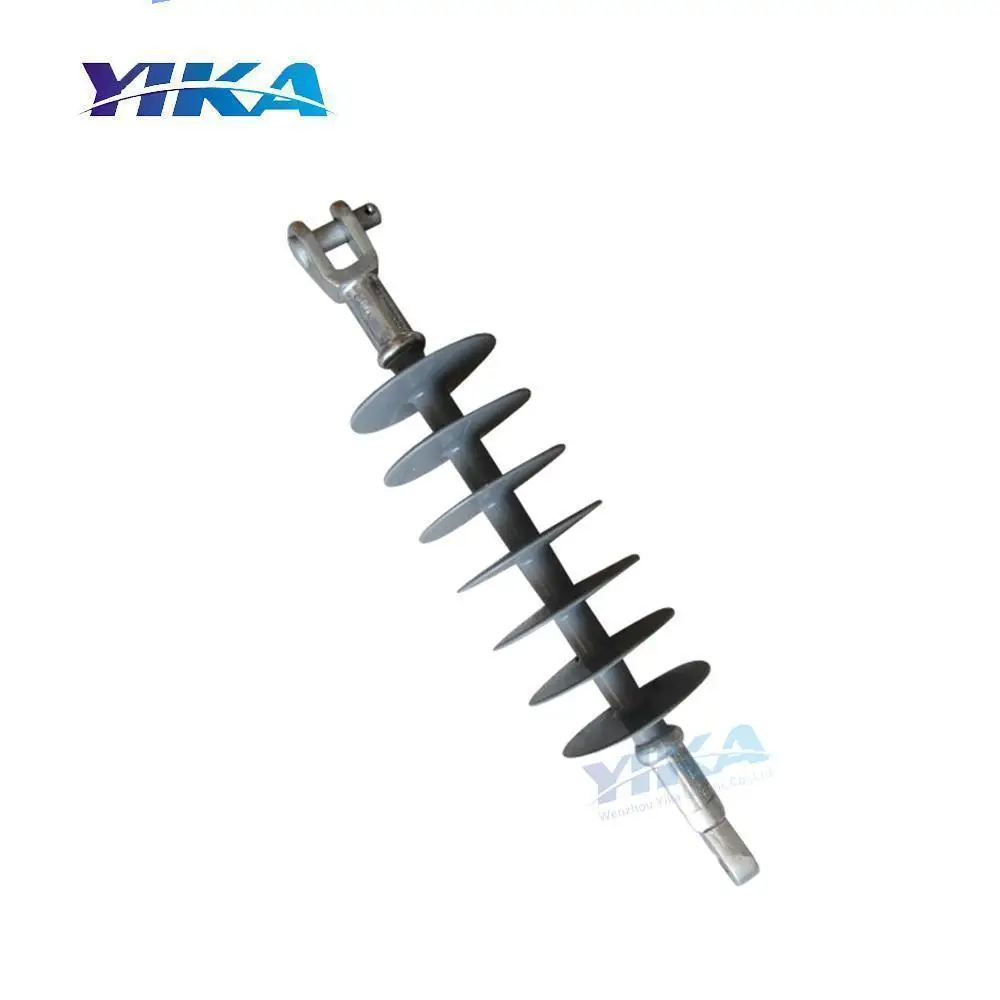
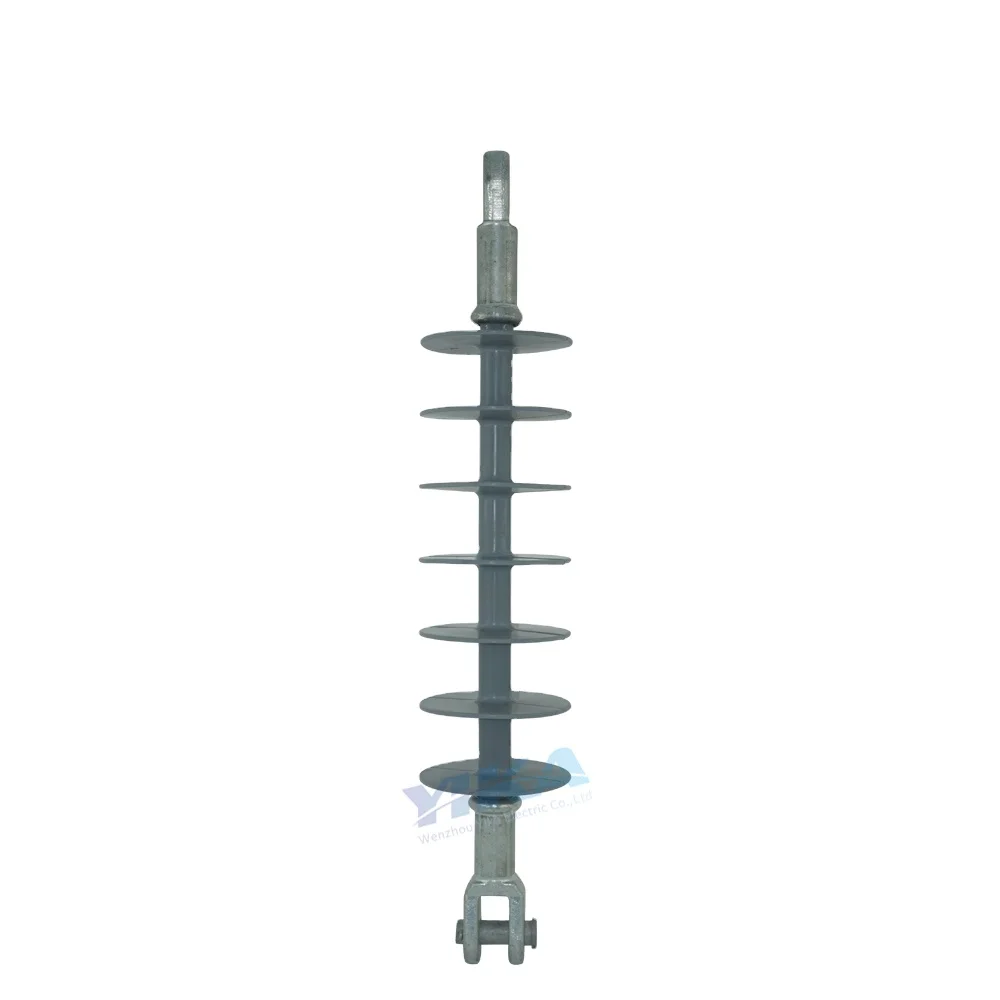
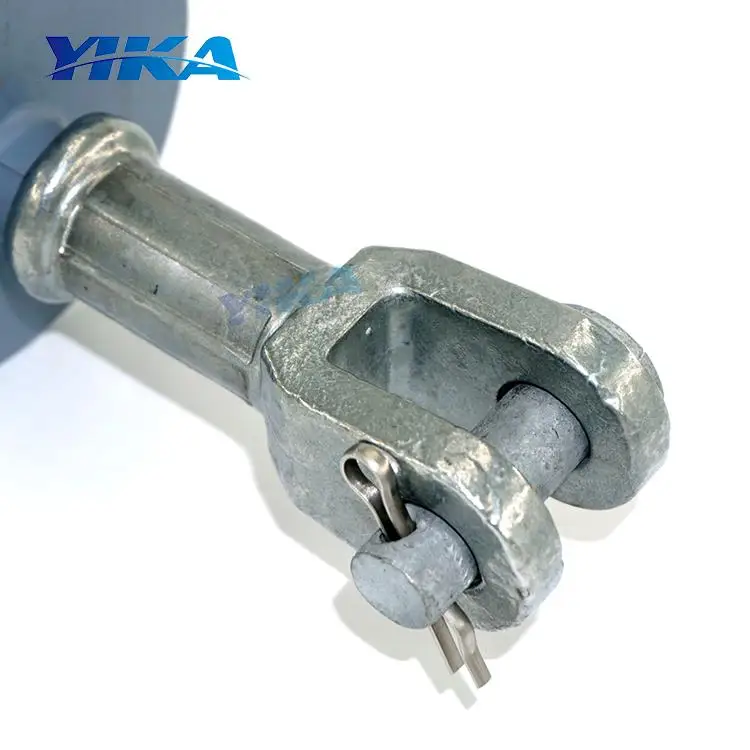
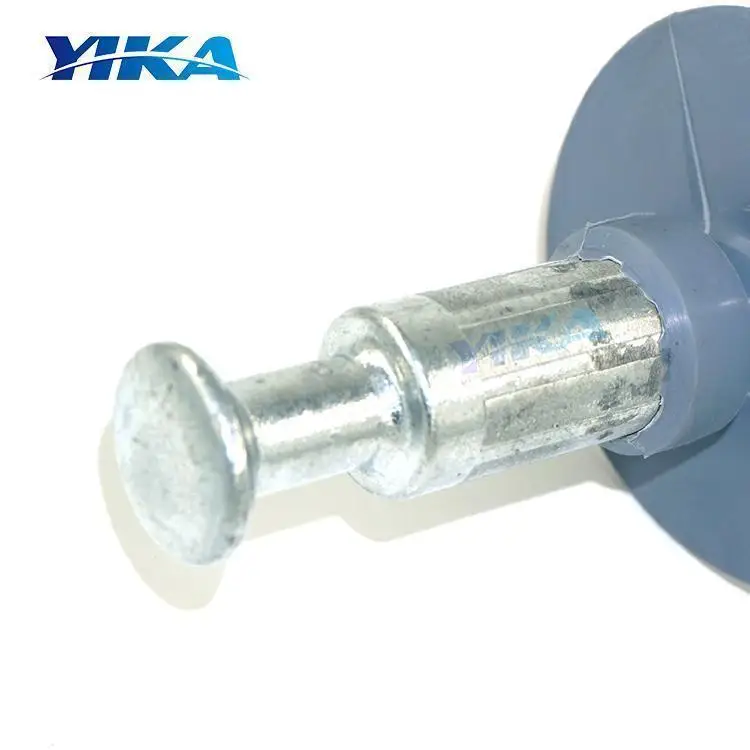
The YIKA FXB-28 28KV 70KN medium voltage composite insulator is engineered for high-voltage transmission systems, combining durability and reliability. Constructed from advanced composite polymers, fiberglass, and silicone rubber, it ensures safe electrical isolation under extreme conditions. Its long-rod suspension design and annular structure optimize surface resistance to flashovers, while corrosion-resistant clamps ensure secure mounting.
| Feature | Specification | Benefit |
|---|---|---|
| Material | Fiberglass, silicone rubber, composite polymer | High dielectric strength, UV resistance, and corrosion protection |
| Voltage Rating | 28KV | Meets IEC 60815 standards for medium-voltage grids |
| Mechanical Strength | 70KN breaking load | Withstands high tension and environmental stresses |
| Design | Long-rod suspension with annular rings | Reduces leakage current and improves creepage distance |
| Environmental Adaptability | Operates -40°C to +130°C | Ensures reliability in extreme temperatures and humidity |
Adjustable voltage ratings (28KV to 36KV) and material compositions (e.g., silicone rubber vs. hybrid polymer) to meet specific grid requirements. Custom sizes and clamping mechanisms available for unique structural needs.
Optimize your electrical infrastructure with YIKA FXB-28 insulators. Their lightweight composite design reduces tower load while maintaining superior insulation, making them ideal for urban grids and harsh environments.
| Parameter | Base Model | Advanced Model | Pro Model |
|---|---|---|---|
| Voltage Capacity | 28KV | 32KV (+14%) | 36KV (+30%) |
| Mechanical Strength | 70KN | 80KN (+14%) | 91KN (+30%) |
| Material | Composite polymer | Silicone rubber core | Hybrid polymer + glass fiber |
| Temperature Range | -40°C to +100°C | -40°C to +120°C | -40°C to +130°C |
Technical Breakthroughs:
Optimal Version Selection:
With silicone rubber coating, you can ensure durability in extreme temperatures. The Pro version’s hybrid polymer structure provides 30% higher mechanical strength than industry standards, safeguarding critical infrastructure against severe weather. Pair its UV-resistant material with high voltage capacity to prevent flashovers in sunny, high-altitude regions.

The Product Description is generated by third-party, and Alibaba.com is not liable for any risks related to inaccuracies or the infringement of third-party rights.
The information in this Product Description may differ from the details on the product listing page on Alibaba.com. Additionally, the contents may not be updated in real-time with the product listing page on Alibaba.com, and there may be delays in reflecting the most updated information. The description on product listing page takes precedence. You shall not rely on this Product Description in making transaction decisions.
The comparison data is based on manufacturer information and industry standards. Actual results may vary depending on individual use cases. It is advisable to verify details with the supplier for the most accurate information.