All categories
Featured selections
Trade Assurance
Buyer Central
Help Center
Get the app
Become a supplier

Customization:
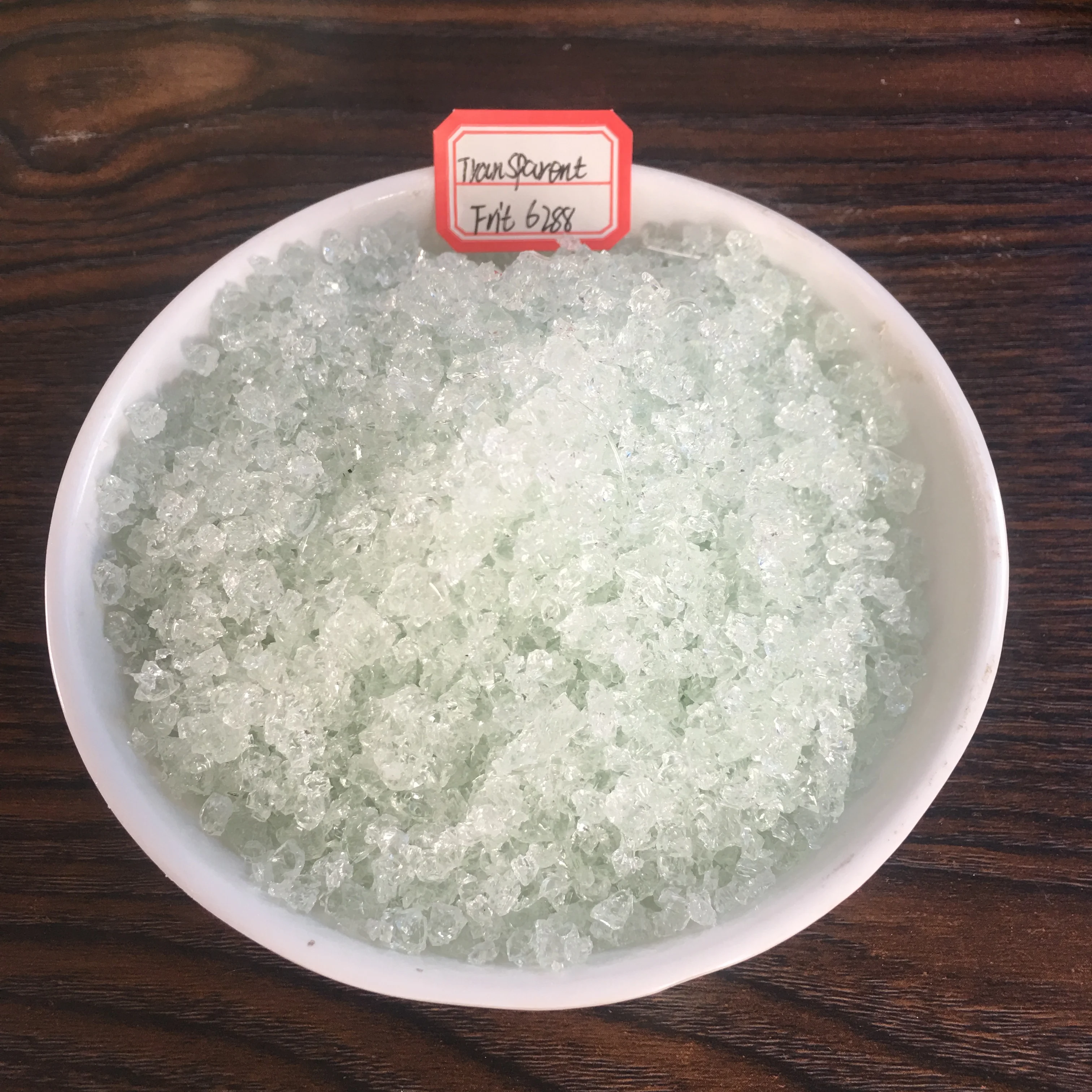
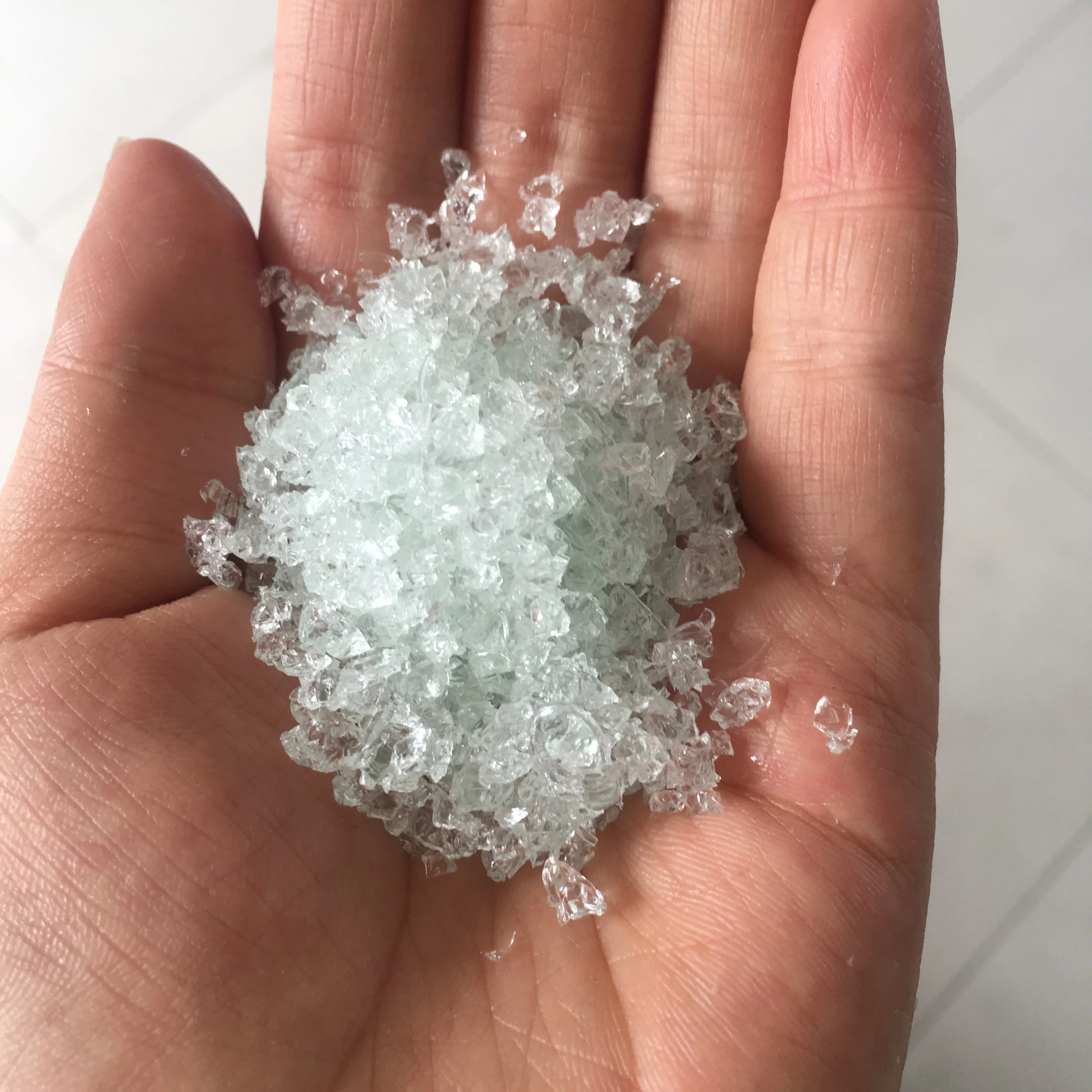
Zibo Transparent Glaze Frit for Ceramic is a premium ceramic raw material designed for high-performance applications in furnace fixtures, kilns, and structural ceramics. Crafted from high-purity alumina ceramic, this glaze frit ensures exceptional thermal stability and chemical resistance, making it ideal for demanding industrial environments.
| Feature | Specification | Benefit |
|---|---|---|
| Material | Alumina ceramic (99.7% purity) | Superior thermal and chemical stability |
| Thermal Resistance | Up to 1750°C continuous use | Withstands extreme furnace/kiln conditions |
| Chemical Resistance | Acid/alkali corrosion-proof | Maintains integrity in harsh environments |
| Transparency | 92% light transmission | Ensures clarity in optical ceramic applications |
| Particle Size | 5-45 μm (adjustable) | Optimized for precise glaze formulation |
Adjustable parameters include alumina content (95%-99.7%) to tailor thermal conductivity, particle size distribution for glaze viscosity control, and additive ratios (e.g., zirconium oxide) to enhance specific properties like opacity or hardness.
With its transparent glaze and unmatched thermal resilience, this frit enables the creation of durable furnace components and high-performance ceramics. For instance, in kiln construction, its acid-resistant properties ensure longevity even in corrosive atmospheres.
| Parameter | Base Model | Advanced Model | Pro Model |
|---|---|---|---|
| Max Temperature | 1600°C | 1700°C | 1800°C* |
| Chemical Resistance | Acid/alkali | +Zirconium additives | Military-grade |
| Particle Uniformity | ±10% | ±5% | ±2% |
| Certifications | ISO 9001 | ISO 9001 + ASTM | ASTM C314 |
Technical Breakthroughs:
Version Selection Guide:

The Product Description is generated by third-party, and Alibaba.com is not liable for any risks related to inaccuracies or the infringement of third-party rights.
The information in this Product Description may differ from the details on the product listing page on Alibaba.com. Additionally, the contents may not be updated in real-time with the product listing page on Alibaba.com, and there may be delays in reflecting the most updated information. The description on product listing page takes precedence. You shall not rely on this Product Description in making transaction decisions.
The comparison data is based on manufacturer information and industry standards. Actual results may vary depending on individual use cases. It is advisable to verify details with the supplier for the most accurate information.