All categories
Featured selections
Trade Assurance
Buyer Central
Help Center
Get the app
Become a supplier
Customization:
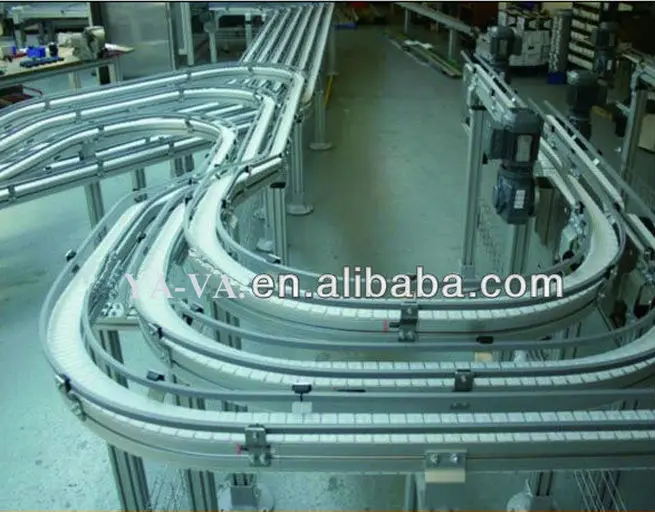
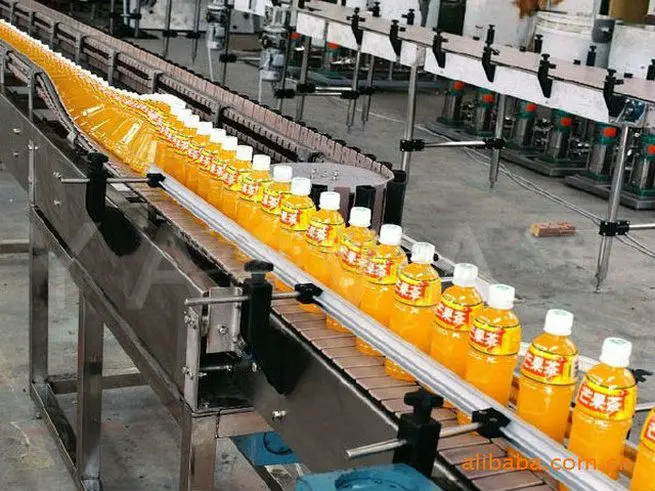
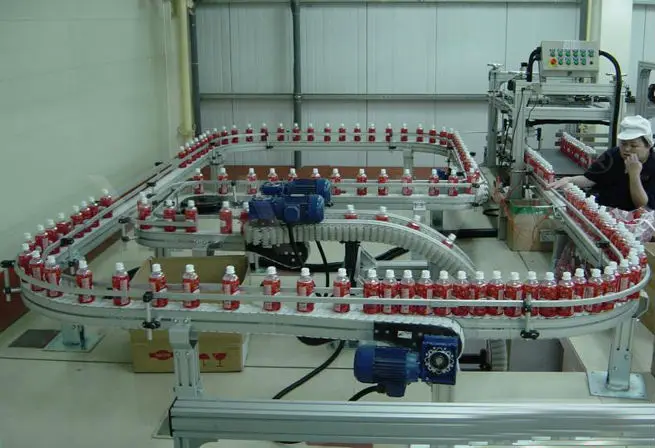
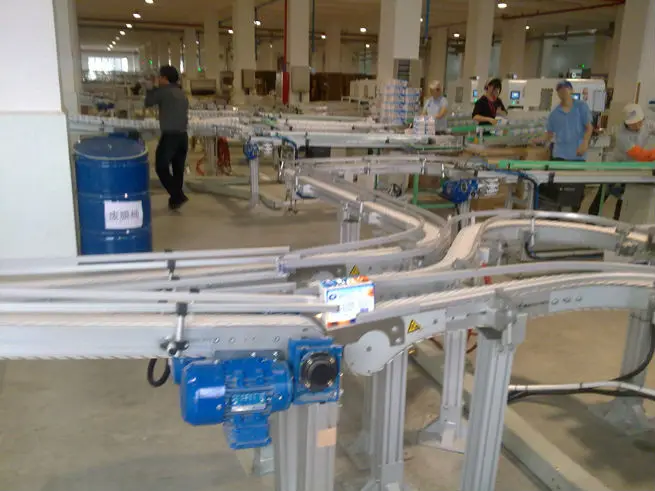
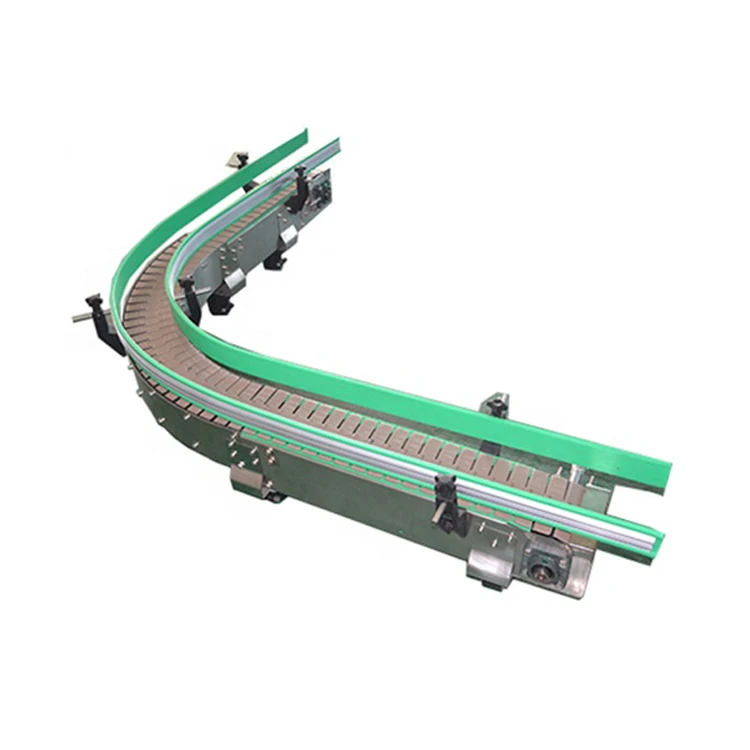
The Beverage Curve Slat Belt Conveyor is a versatile industrial solution designed for efficient material handling in beverage production, food processing, and pharmaceutical applications. Built with heat-resistant materials and a U-shaped bend, it ensures smooth, compact routing of products while accommodating high-temperature environments.
| Feature | Specification | Benefit |
|---|---|---|
| Material | Plastic with heat-resistant coating | Withstands temperatures up to 120°C |
| Heat Resistance | UL 94 V-0 certification | Safely transports hot beverages and food |
| Voltage Compatibility | 220V/380V adjustable | Global power compatibility |
| Belt Type | Slat conveyor with curved design | Reduces product spillage during turns |
| Design | U-shaped bend, compact footprint | Optimizes space in tight production lines |
| Motor | 3-phase AC motor (IP55 rating) | Durable and energy-efficient operation |
Adjustable parameters include:
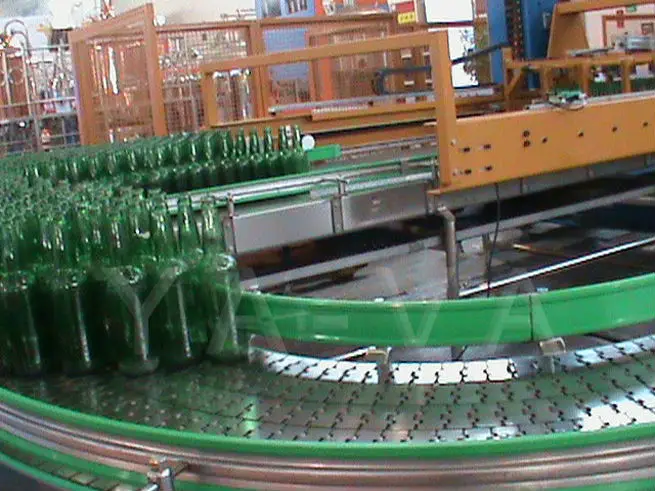
With its curved design and heat-resistant belt, this conveyor is ideal for beverage bottling lines where hot products need to navigate turns without spillage. The modular setup allows seamless integration into existing production workflows.
| Parameter | Base Model | Advanced Model | Pro Model |
|---|---|---|---|
| Load Capacity | 500 kg/m² | +15% (575 kg/m²) | +30% (650 kg/m²) |
| Speed Range | 0.3–1.2 m/s | 0.5–1.5 m/s | 0.8–2.0 m/s |
| Heat Resistance | 100°C | 120°C | 150°C |
| Customization | Basic belt options | Material + sensor add-ons | Full customization (material, sensors, automation) |
Technical Breakthroughs:
Optimal Version Selection:
With the Pro model’s 150°C rating, you can safely transport sterilized packaging materials. Pair its 2.0 m/s speed with anti-slip slats to ensure zero product loss in high-throughput lines.

The Product Description is generated by third-party, and Alibaba.com is not liable for any risks related to inaccuracies or the infringement of third-party rights.
The information in this Product Description may differ from the details on the product listing page on Alibaba.com. Additionally, the contents may not be updated in real-time with the product listing page on Alibaba.com, and there may be delays in reflecting the most updated information. The description on product listing page takes precedence. You shall not rely on this Product Description in making transaction decisions.
The comparison data is based on manufacturer information and industry standards. Actual results may vary depending on individual use cases. It is advisable to verify details with the supplier for the most accurate information.