All categories
Featured selections
Trade Assurance
Buyer Central
Help Center
Get the app
Become a supplier
Customization:
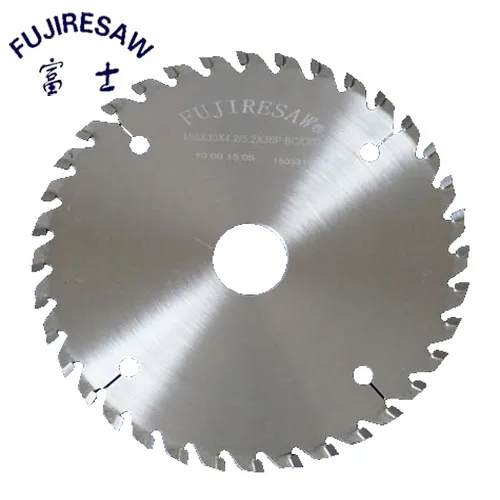
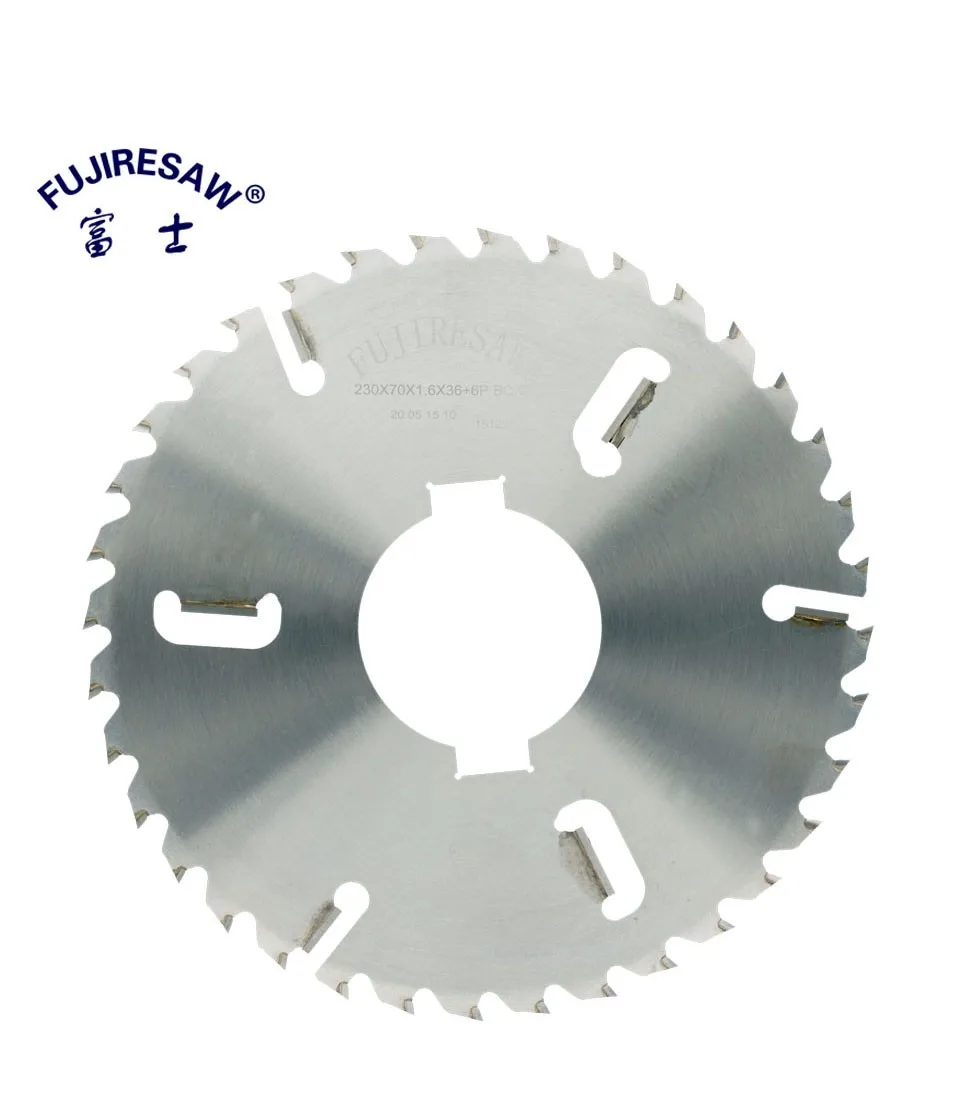
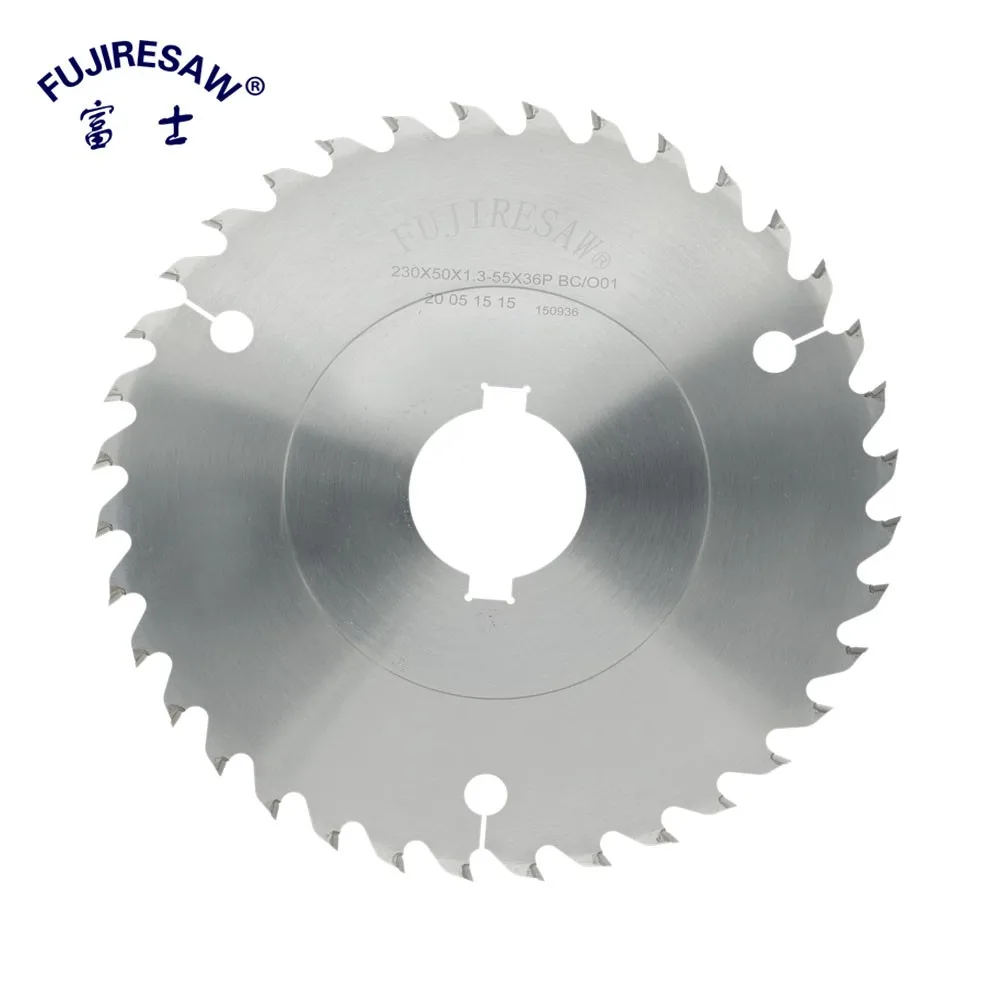
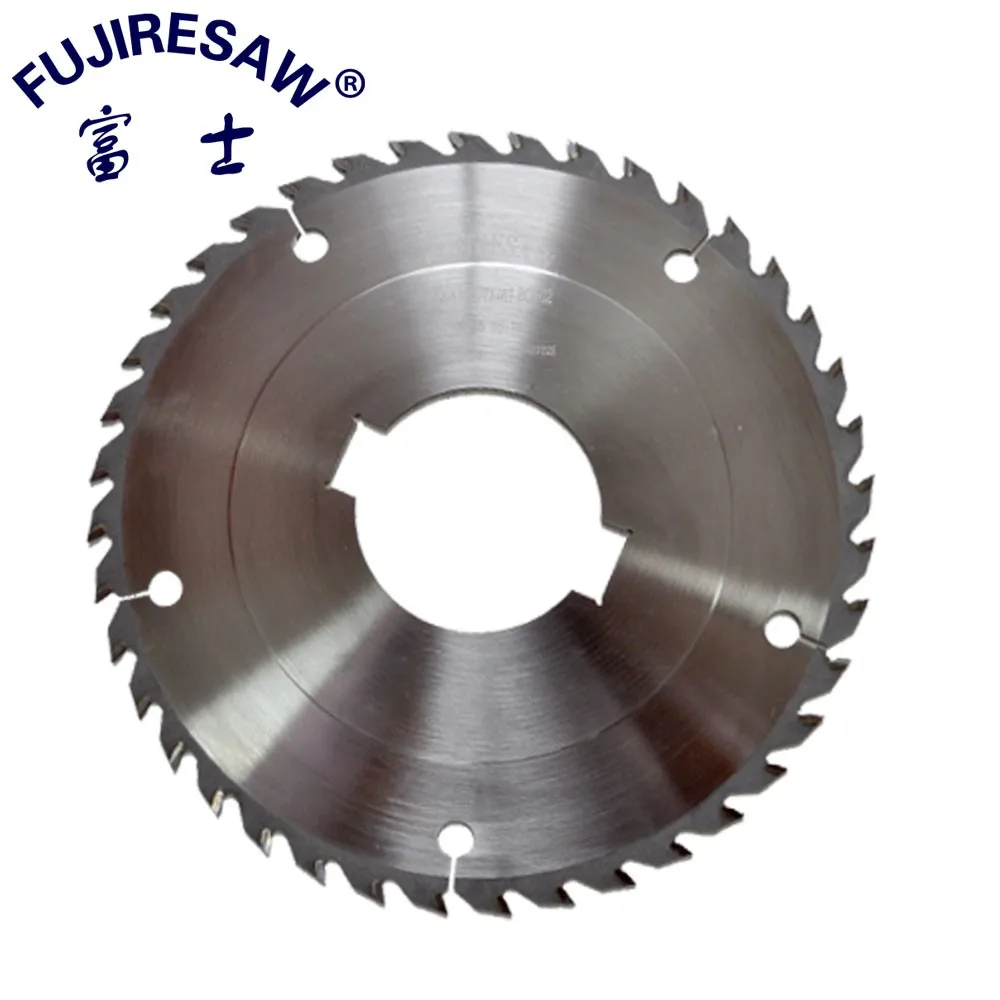
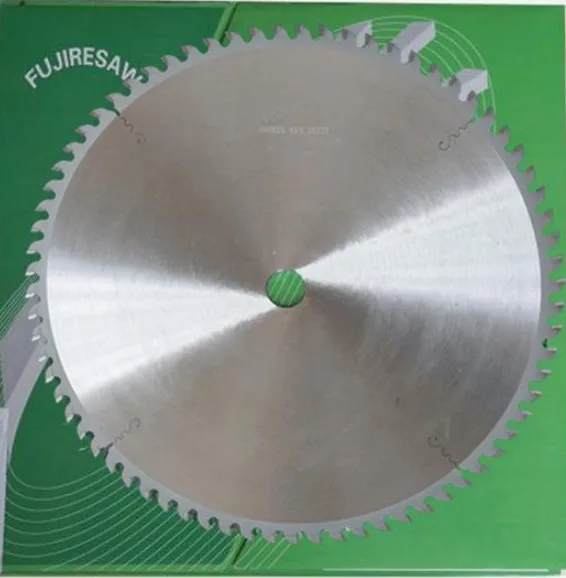
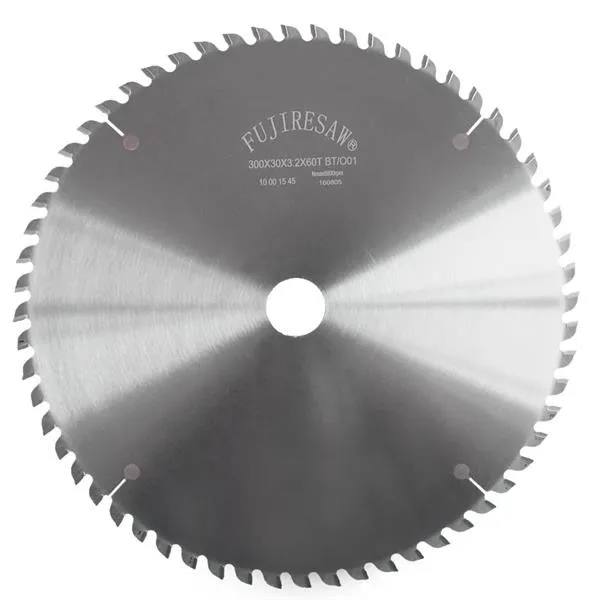
The Fujiresaw 600mm circular saw blade combines precision engineering with advanced materials to deliver reliable performance in wood and metal cutting applications. Designed for versatility, its titanium-coated steel body and carbide teeth ensure durability, while customizable parameters cater to diverse industrial and DIY needs.
| Feature | Specification | Benefit |
|---|---|---|
| Blade Diameter | 600mm | Supports large-scale cutting operations |
| Blade Material | Steel with tungsten carbide steel | Enhanced strength and resistance to wear |
| Finish | Ti-coated | Heat resistance and extended tool life |
| Tooth Material | Carbide | Sharpness retention and precision cuts |
| Tooth Count | 60T (customizable) | Optimal balance between speed and finish |
Adjustable parameters include tooth count (for material-specific cuts), blade thickness, and material composition (e.g., tungsten carbide ratios). This allows customization to meet specialized needs such as high-speed cutting or reinforced edge durability.
Whether you’re crafting furniture, machining metal, or tackling industrial projects, the Fujiresaw blade’s robust design ensures clean cuts and consistent performance. Its titanium coating and carbide teeth make it ideal for demanding environments.
| Parameter | Base Model | Advanced Model | Pro Model |
|---|---|---|---|
| Tooth Material | Standard carbide | Tungsten Carbide Tip (TCT) | TCT+ (enhanced alloy) |
| Tooth Count | 40T (general use) | 60T (precision cuts) | 80T (ultra-fine finish) |
| Cutting Speed | 4,000 RPM | +15% faster | +30% faster* |
| Durability | 500 hours | 800 hours | 1,200 hours |
Technical Breakthroughs:
Version Selection Guidance:

The Product Description is generated by third-party, and Alibaba.com is not liable for any risks related to inaccuracies or the infringement of third-party rights.
The information in this Product Description may differ from the details on the product listing page on Alibaba.com. Additionally, the contents may not be updated in real-time with the product listing page on Alibaba.com, and there may be delays in reflecting the most updated information. The description on product listing page takes precedence. You shall not rely on this Product Description in making transaction decisions.
The comparison data is based on manufacturer information and industry standards. Actual results may vary depending on individual use cases. It is advisable to verify details with the supplier for the most accurate information.