All categories
Featured selections
Trade Assurance
Buyer Central
Help Center
Get the app
Become a supplier
Customization:
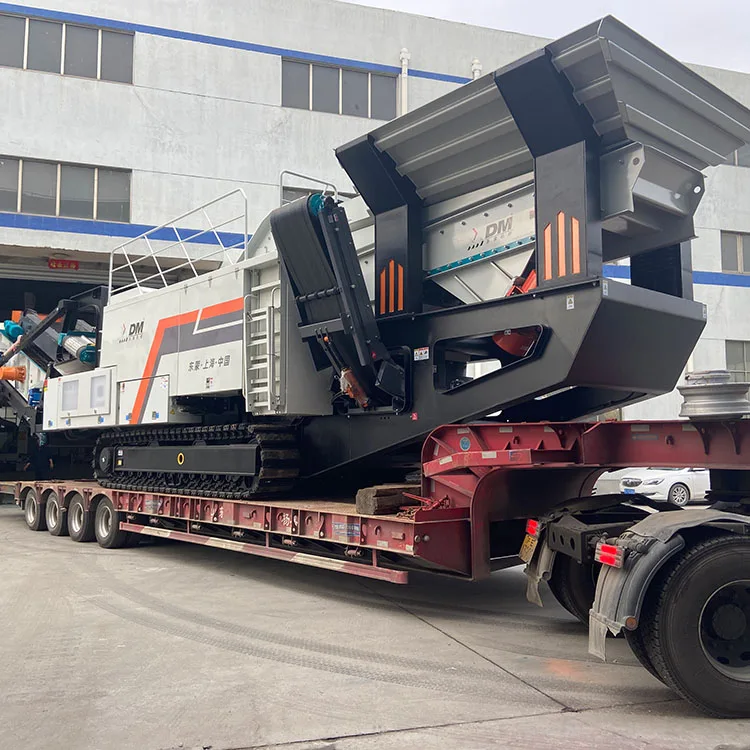
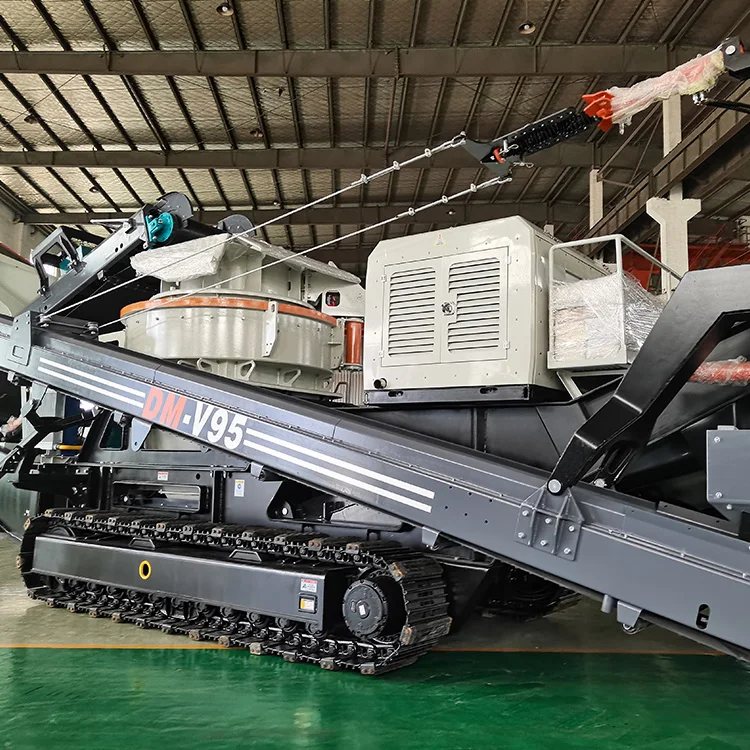
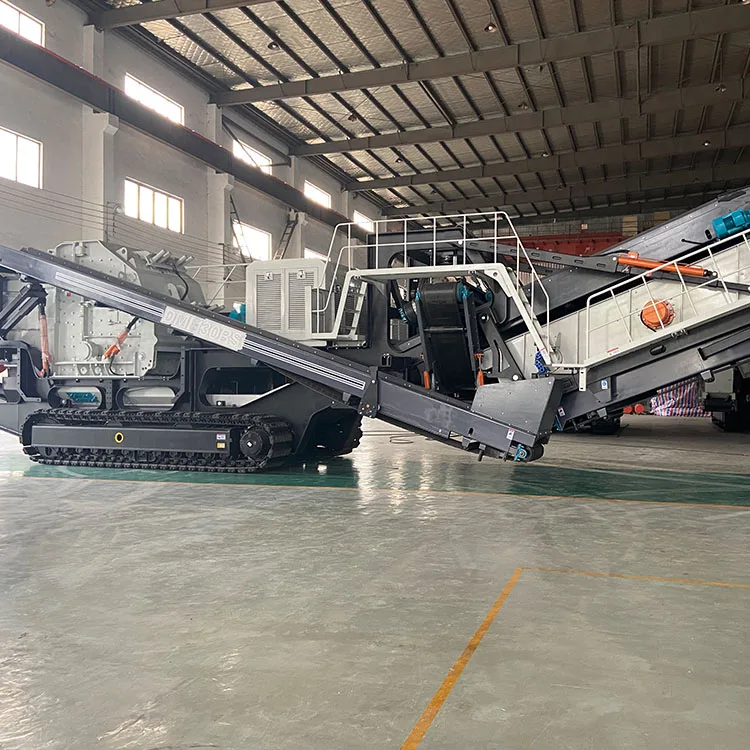
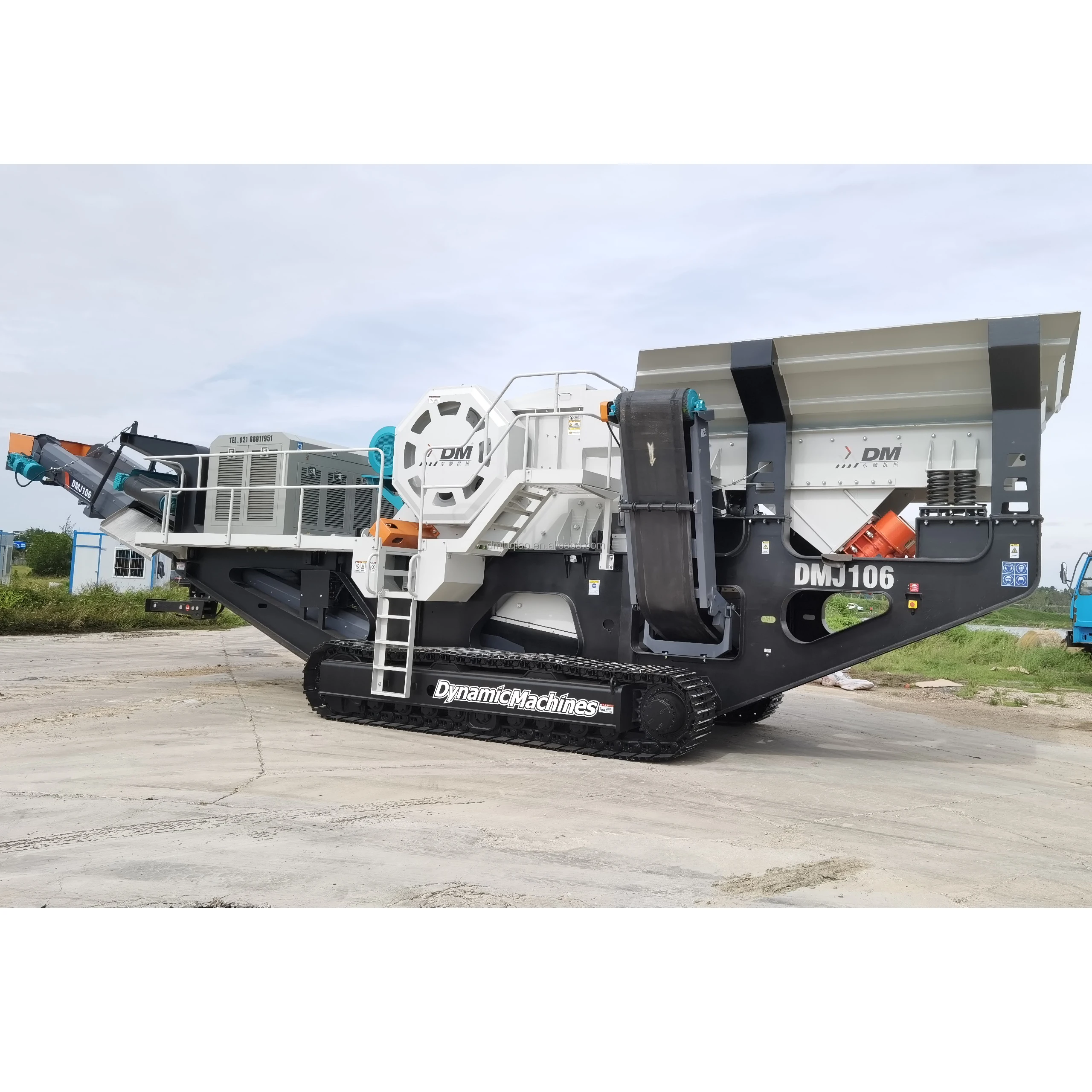
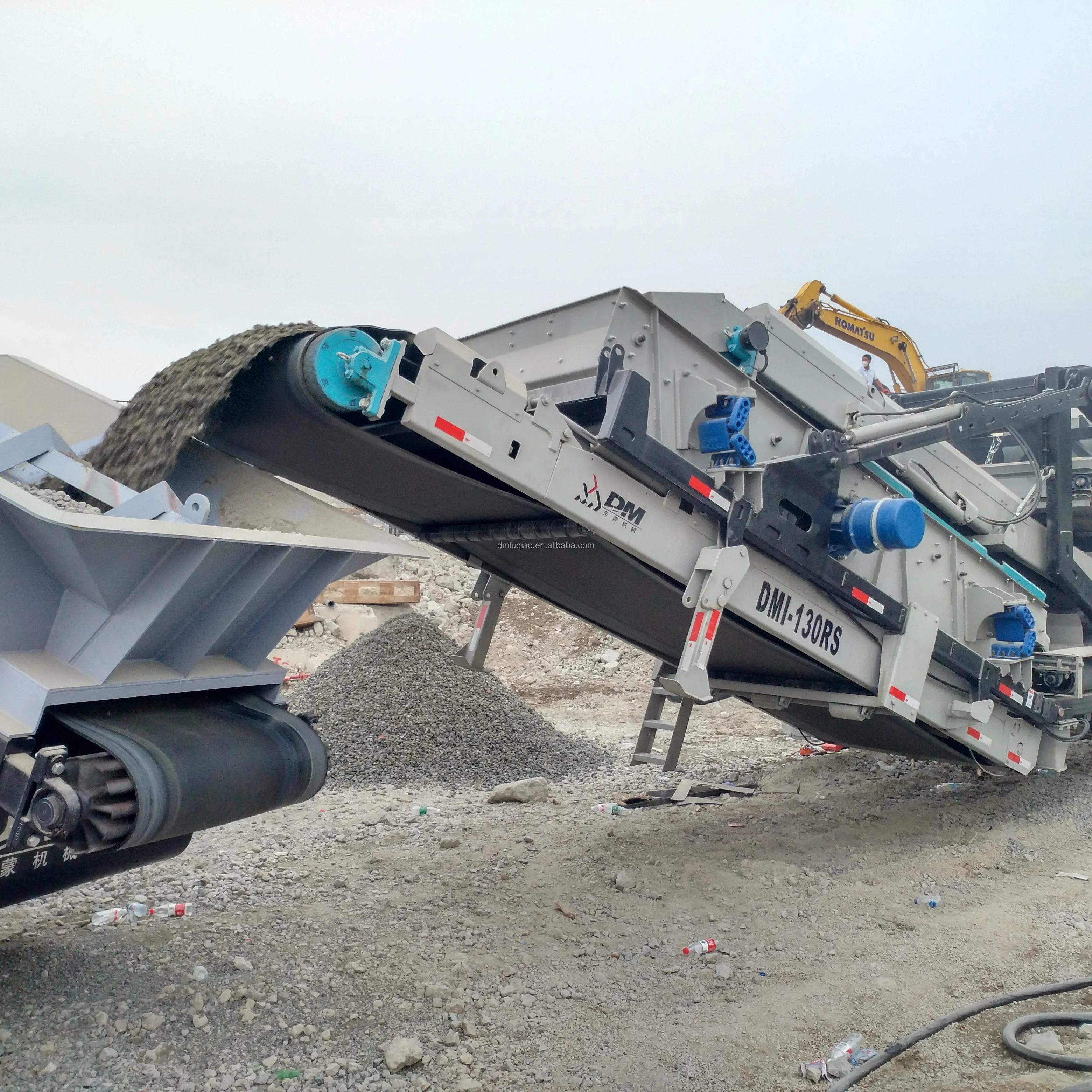
The Crawler Type Mobile Diesel Engine Stone Crusher is a versatile mining machinery designed for efficient rock crushing in diverse environments. Equipped with an impact crusher mechanism and diesel engine, it offers mobility, power, and durability for construction, quarrying, and recycling applications.
| Feature | Specification | Benefit |
|---|---|---|
| Crusher Type | Impact Crusher | Efficient for medium-hard rocks, reduces wear |
| Engine Type | Diesel Engine | Portable operation in remote areas |
| Mobility | Crawler Tracks | Enhanced stability on uneven terrain |
| Warranty | 1 Year | Guaranteed reliability and support |
Adjustable crawler track width and engine power to meet specific terrain and throughput requirements.
The Crawler Type Mobile Diesel Engine Stone Crusher combines mobility and power for efficient rock crushing in challenging environments. With its diesel engine, you can operate anywhere without relying on external power sources. The impact crusher design ensures high productivity with minimal wear, while the 1-year warranty provides peace of mind.
| Parameter | Base Model | Advanced Model | Pro Model |
|---|---|---|---|
| Crushing Capacity | 50 TPH | +30% (65 TPH) | +60% (80 TPH)* |
| Engine Power | 100 HP | 150 HP | 200 HP |
| Track Width | Standard (1.2m) | Adjustable (1.5m) | Custom (up to 2m) |
| Hydraulics | Basic System | Reinforced | Advanced |
Technical Breakthroughs:
Optimal Version Selection:
With the Pro Model’s advanced hydraulics and 200 HP engine, you can crush harder rocks at 80 TPH—25% faster than industry benchmarks—while maintaining low maintenance needs. The Base Model’s compact design ensures easy transport for site-to-site mobility. Choose based on your throughput needs and terrain challenges.

The Product Description is generated by third-party, and Alibaba.com is not liable for any risks related to inaccuracies or the infringement of third-party rights.
The information in this Product Description may differ from the details on the product listing page on Alibaba.com. Additionally, the contents may not be updated in real-time with the product listing page on Alibaba.com, and there may be delays in reflecting the most updated information. The description on product listing page takes precedence. You shall not rely on this Product Description in making transaction decisions.
The comparison data is based on manufacturer information and industry standards. Actual results may vary depending on individual use cases. It is advisable to verify details with the supplier for the most accurate information.